Most garage door openers do not quit without warning. Before a part fully breaks, there are almost always signals. A new sound here, a slight hesitation there, a door that does not quite sit level anymore. These are not random quirks. They are your system communicating that something needs attention.
The problem is that most homeowners in Denver, CO, do not know what to listen to or look for until the door stops working entirely. By then, what could have been a simple part replacement has often turned into a larger, more involved repair.
This guide covers the specific warning signs tied to each part of your garage door opener system so you know exactly what to watch for and when it is time to act.
Unusual Noises During Operation
Sound is one of the earliest and most reliable indicators that something is wrong with your opener in garage door repair situations. A system that once ran quietly and now rattles, grinds, squeals, or pops is telling you that at least one component is under stress or wearing out.
What each sound typically signals:
- Grinding or scraping sounds often point to worn rollers or a dry drive system that needs lubrication
- A loud popping or cracking noise can indicate stressed hinges or panels pulling apart under tension
- A slapping or rattling sound from the drive area suggests a loose or sagging chain
- A high-pitched squeal during movement typically points to dry rollers or hinge pivot points
What to do:
- Do not ignore new noises, even if the door is still operating normally
- Try lubricating rollers, hinges, and the drive system first to rule out dryness as the cause
- If the noise continues after lubrication, have a technician inspect the specific component making the sound
- A sudden loud bang is a serious sign, often a broken torsion spring, and requires immediate professional attention
If you want to understand what is behind these failures, Why Garage Door Opener Parts Fail and How to Prevent It covers the root causes in detail.
Slow or Inconsistent Door Movement
A garage door should open and close at a consistent, steady speed every single time. When the movement becomes sluggish, uneven, or varies from one cycle to the next, that inconsistency points to parts that are no longer functioning at full capacity.
What to watch for:
- The door moves noticeably slower than it used to, especially on the way up
- The door speed changes mid-travel, speeding up or slowing down without reason
- The door hesitates or pauses briefly before moving when activated
- One side of the door appears to move faster or higher than the other
What to do:
- A slow door that feels heavy when lifted manually often signals a spring tension issue
- Inconsistent speed can point to a motor that is struggling or a drive system that is slipping
- Uneven movement from side to side suggests a cable, roller, or track problem on one side
- Have a technician assess the balance and drive system if basic lubrication does not resolve the issue
The Door Reverses Before Fully Closing
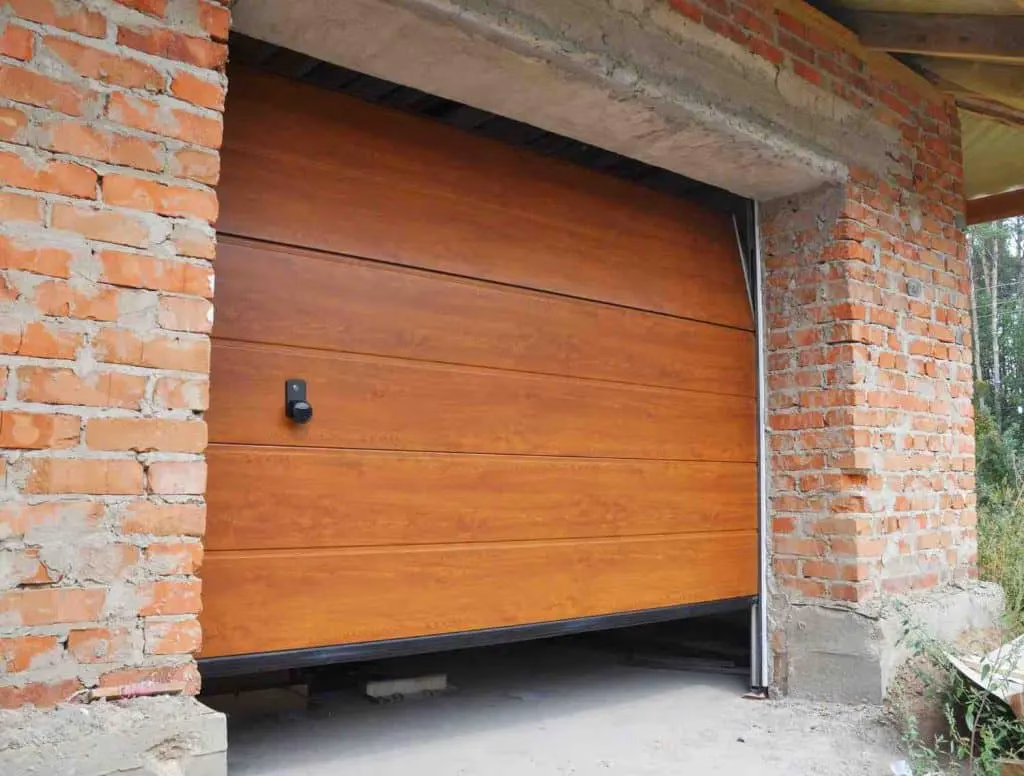
When a garage door starts its descent and then reverses back up without making contact with anything, it is one of the clearest signs that a component needs attention. This behavior is built into the system as a safety feature, but when it happens without a real obstruction, something is triggering it incorrectly.
What to watch for:
- The door goes down partway and then immediately reverses
- The door closes fully, but then bounces back up slightly before stopping
- The door only closes when you hold the wall button continuously
- The reversal happens every time, not just occasionally
What to do:
- Check the safety sensors at the bottom of the door tracks first. Dirt, misalignment, or a blinking light on one sensor is a common cause
- Clean the sensor lenses and verify that both units face each other directly
- If the sensors are clear and aligned, the issue may be with the close-force setting or a limit switch that needs recalibration
- Persistent reversal problems that do not resolve with sensor cleaning should be handled by a professional
The Remote or Keypad Stops Responding Reliably
Remote controls and keypads are high-use components that wear out over time. When they start acting up, it can be easy to dismiss the problem as a battery issue. Sometimes it is. But repeated or worsening responsiveness problems often point to something that needs more than a fresh set of batteries.
What to watch for:
- The remote only triggers the opener from very close range
- The keypad requires multiple presses before the door responds
- The door activates on its own or at unexpected times
- The remote stopped working entirely after a power outage or surge
What to do:
- Replace the batteries first and reprogram the remote if needed
- Check for signal interference from nearby electronics, LED bulbs in the opener, or neighbor systems on the same frequency
- If reprogramming does not restore normal function, the remote receiver on the motor unit may need replacement
- Consult your opener manufacturer’s documentation or the Chamberlain Group’s garage door opener support resources for model-specific troubleshooting guidance
Visible Wear on Springs, Cables, or Hardware
Some warning signs do not make noise or affect performance right away in garage door maintenance. They show up visually, and catching them during a routine check can prevent a sudden failure. Springs, cables, and hardware that are visibly deteriorating are a clear signal that replacement is needed before they give out completely.
What to watch for:
- A gap or separation in the coils of a torsion spring
- Visible fraying, kinking, or rust on the lift cables
- Rollers that appear cracked, chipped, or no longer round
- Hinges that are bent, cracked, or show rust along the pivot point
- Track sections that are dented, warped, or pulling away from the wall
What to do:
- Do not operate the door if you notice a broken spring or frayed cable. These are safety hazards that require immediate professional repair
- Check all visible hardware every few months as part of a basic visual walkthrough
- Rust on cables or springs does not always mean immediate failure, but it does mean the part is nearing the end of its serviceable life
- Document what you find and share it with a technician during your next service visit
The Spruce details what visible spring deterioration looks like at each stage and why waiting until a full break occurs is always the costlier path.
The Opener Runs But the Door Does Not Move
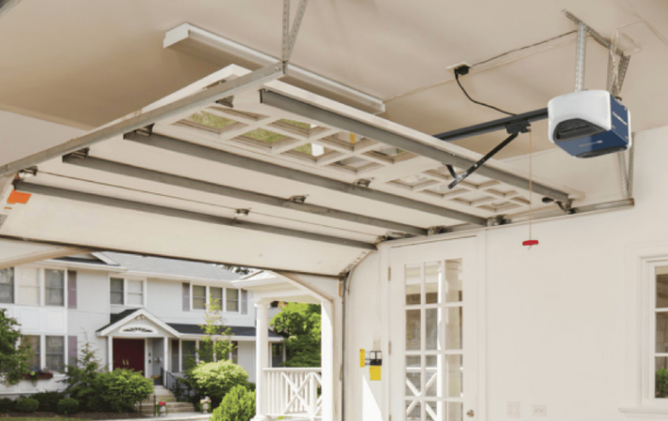
When you hear the motor running but the door stays in place, the connection between the motor and the door has broken down somewhere. This symptom has a few possible causes, depending on your opener type and how the failure is presenting.
What to watch for:
- The motor hums or runs through its full cycle but the door never moves
- The trolley moves along the rail but the door stays down
- The opener engages briefly and then stops without completing the cycle
- A clicking sound accompanies the motor running without movement
What to do:
- Check whether the disconnect cord or lever has been accidentally activated, which would detach the trolley from the door
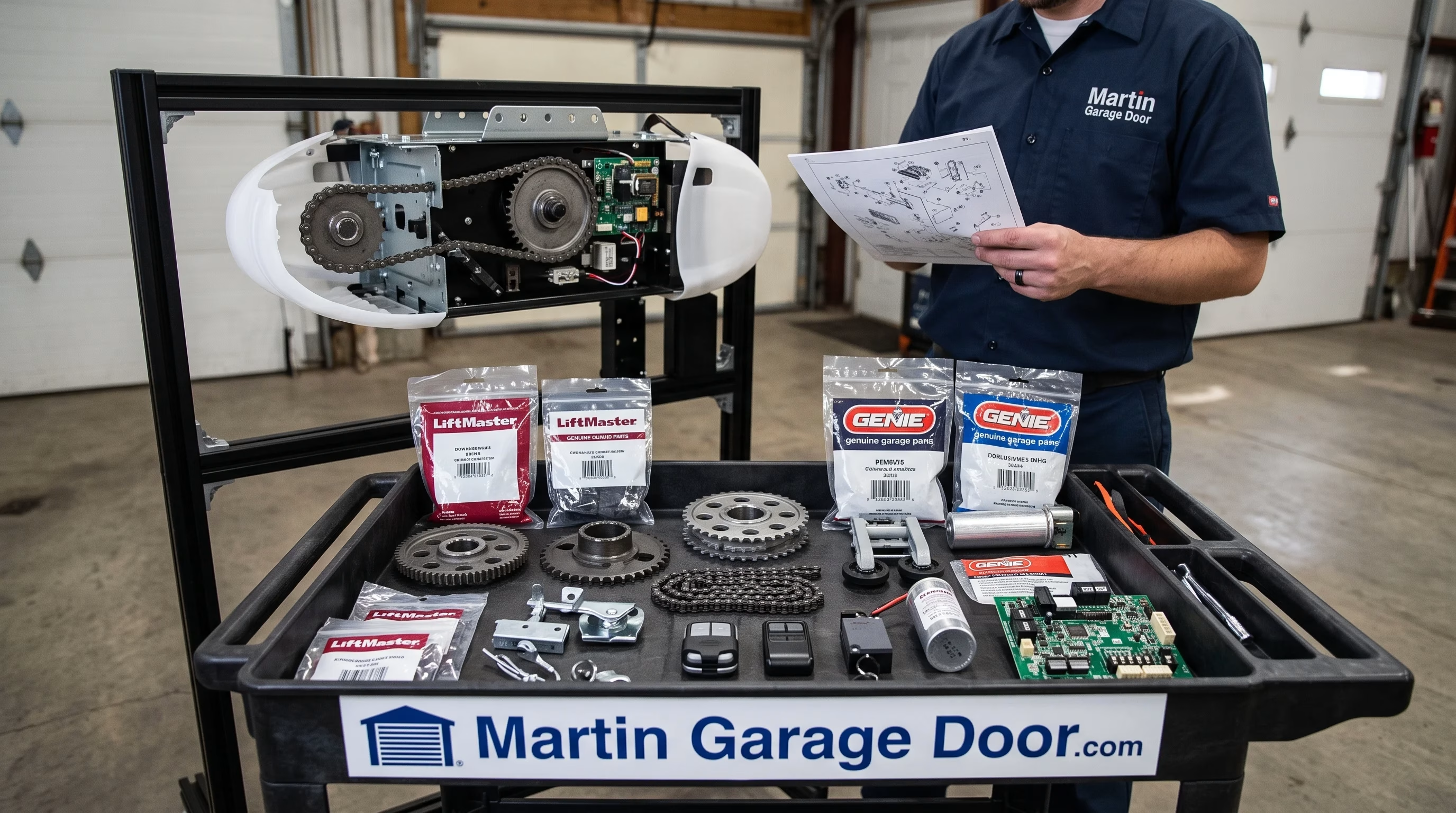
- If the trolley is connected but not moving, the drive gear inside the motor unit may be stripped
- A motor that runs but immediately stops could be overheating or experiencing an internal electrical fault
- Stripped gears are a common repair on older openers and are often worth replacing if the rest of the system is in good shape
This Old House covers the full range of garage door components and how each one contributes to the sounds and behaviors homeowners commonly notice during daily operation.
If you are already dealing with one of these issues and want to understand what the repair process looks like, How to Replace Garage Door Opener Parts: A Step-by-Step Guide gives you a clear picture of what is involved.
The Garage Door Sits Unevenly or Looks Crooked
A door that hangs at an angle or does not sit flush with the ground when closed is showing a structural or mechanical imbalance. This is not just a cosmetic issue. An uneven door puts stress on the entire system and can lead to more serious damage if left unaddressed.
What to watch for:
- One corner of the door is higher than the other when closed
- There is a visible gap on one side between the door and the frame
- The door drifts to one side as it opens or closes
- The bottom of the door does not make even contact with the floor across its full width
What to do:
- An uneven door almost always points to a cable, spring, or roller issue on one side
- Do not attempt to force the door into alignment manually, as this can worsen the problem
- A door that has drifted noticeably out of alignment should be inspected promptly to avoid track or panel damage
- This type of issue benefits from a professional assessment since it often involves multiple interacting components
For a full overview of the parts most likely to be behind these symptoms, read What Are the Most Common Garage Door Opener Parts to Replace?
Get It Checked Before It Becomes a Bigger Problem
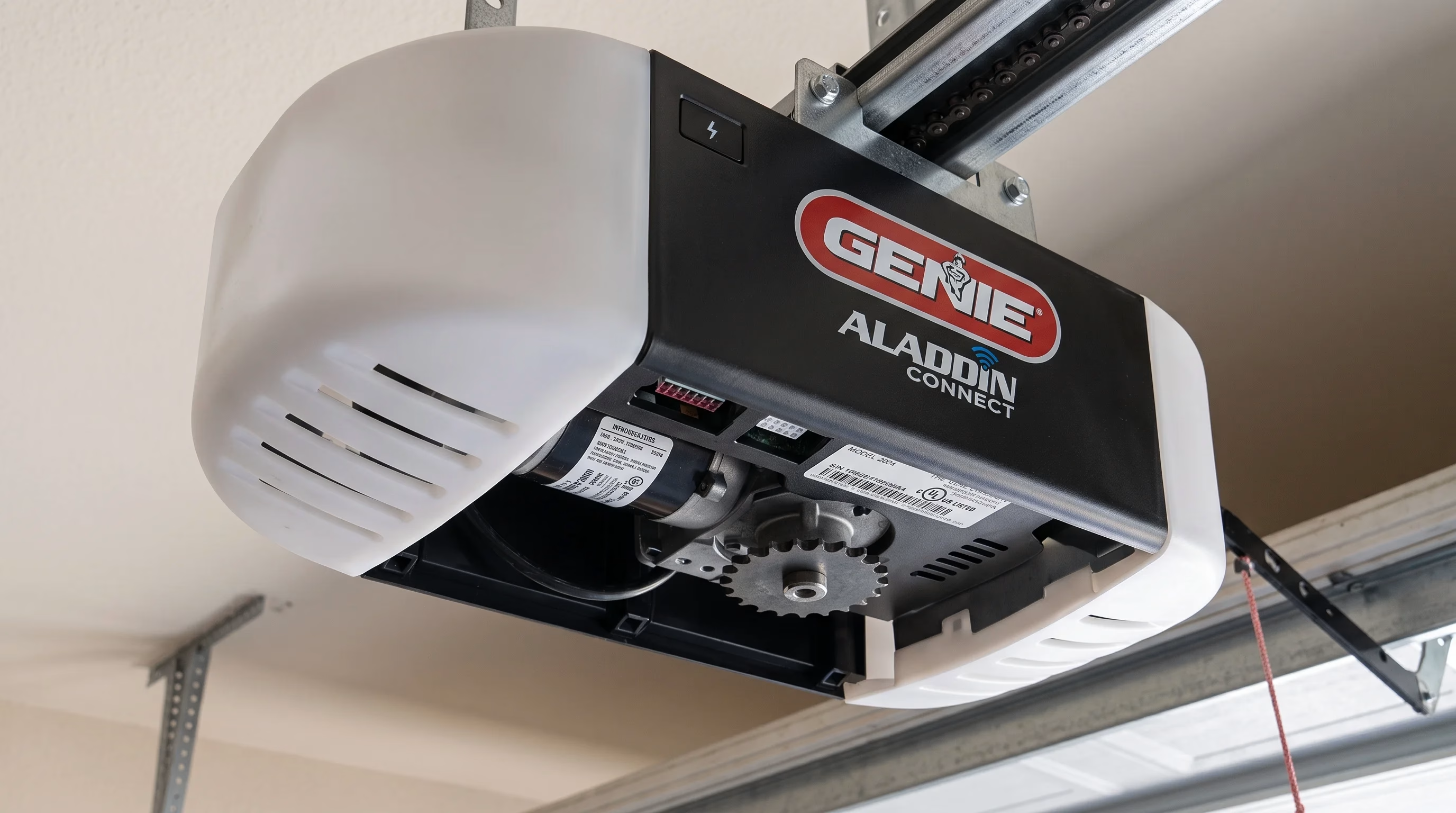
Catching a warning sign early is always better than dealing with a full breakdown on a cold Denver morning. The gap between a minor symptom and a major failure can close quickly, especially on a system that runs multiple cycles every day.
If your garage door opener is showing any of the signs described in this guide, Martin Garage Door is here to help. Contact us or give us a call to schedule a professional inspection and get your system back to working the way it should.