If your garage door rattles, squeaks, grinds, or bangs every time it opens or closes, something is off. A noisy garage door is one of the most common issues homeowners deal with, and in most cases, the sound is your system telling you it needs attention. Ignoring it rarely makes things better, and in Denver, CO, where temperature swings between seasons can accelerate wear on mechanical components, noise problems tend to get worse over time.
This guide breaks down the most common causes of a noisy garage door, what each sound typically means, and what steps you can take before the problem turns into a costly noisy garage door repair.
Worn or Dry Rollers
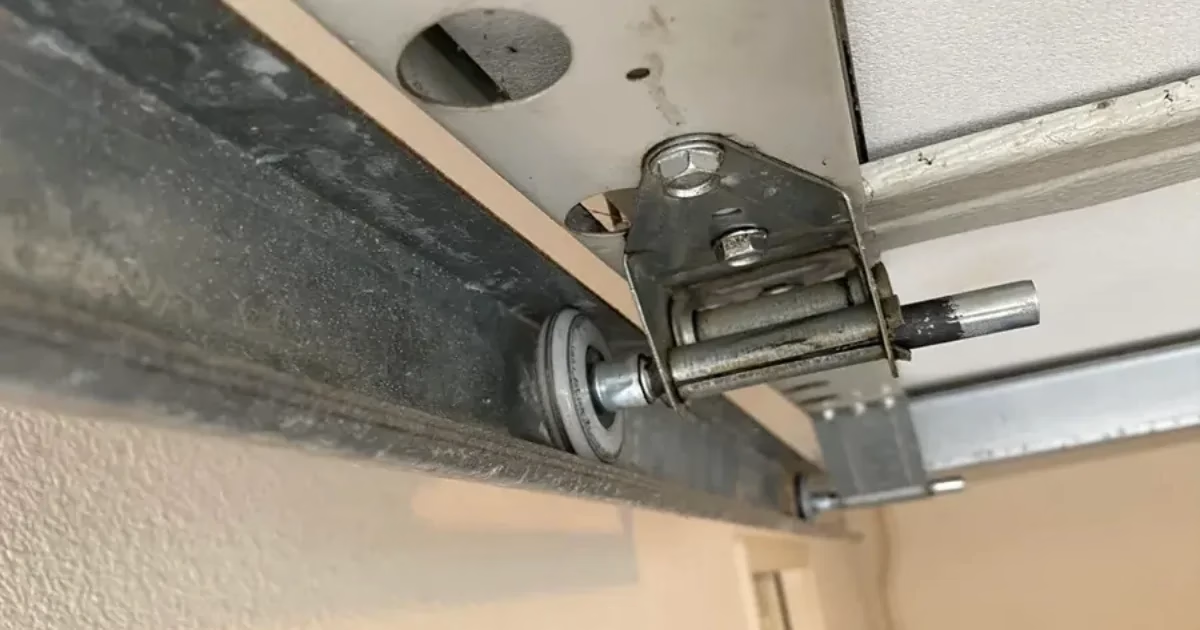
Rollers are one of the most common sources of garage door noise, and they are often the first component to wear down with regular use. When rollers lose their lubrication or the nylon coating begins to crack, the result is a grinding or squealing sound every time the door moves along the track.
How Roller Wear Creates Grinding and Squealing Noise
Rollers guide the door along the vertical and horizontal tracks on both sides of the opening. When they are in good condition, the doors move smoothly and quietly. When they degrade, every inch of travel produces friction. Signs of roller-related noise include:
- A consistent grinding sound that occurs throughout the full opening or closing cycle
- Visible wear, flat spots, or cracks on the roller surface
- Rollers that wobble or sit unevenly inside the track
- A door that feels heavier or slower than usual when operating
Check each roller during a slow manual cycle for wobbling or dragging. If lubrication does not resolve the noise, replacement is the more reliable solution. What Happens When You Ignore a Noisy Garage Door covers the consequences of leaving roller wear unaddressed.
Loose Hardware and Fasteners
A garage door goes through hundreds of open and closed cycles every year. Over time, that repeated movement causes bolts, nuts, and brackets to work themselves loose. When hardware is not properly secured, it vibrates against the door and frame, creating a rattling or banging noise that is easy to confuse with a more serious problem.
Why Loose Bolts and Brackets Cause Rattling During Operation
The vibration from every cycle gradually loosens fasteners that were once tight. In Denver, CO, where seasonal temperature changes cause metal to expand and contract, this process happens more quickly than in more temperate climates. Common sources of hardware-related noise include:
- Loose lag screws on the track brackets mounted to the wall or ceiling
- Vibrating hinges where the door panels connect
- A loose torsion spring mounting plate above the door
- Nuts and bolts on the roller brackets that have backed off over time
Lack of Lubrication on Moving Parts
Many garage door noise problems come down to one simple issue: insufficient lubrication on moving parts. Hinges, rollers, springs, and the opener chain or drive screw all require periodic lubrication to operate quietly and efficiently. In Denver, CO, dry winters and wide temperature swings can strip lubricants faster than in more humid climates, making garage door maintenance a more frequent priority than it would be in other regions.
Which Garage Door Components Need Regular Lubrication
When metal parts move against each other without adequate lubrication, friction builds, and noise follows. The components most affected include:
- Hinges along each panel joint where the door folds during operation
- The torsion spring above the door that bears the full weight of the system
- Rollers and their stems, where they contact the track
- The opener rail, chain, or drive screw, depending on the opener type
For a broader overview of common garage door issues that go beyond noise, The Spruce’s guide on troubleshooting common garage door problems covers a range of mechanical and operational issues worth reviewing.
Worn or Damaged Springs
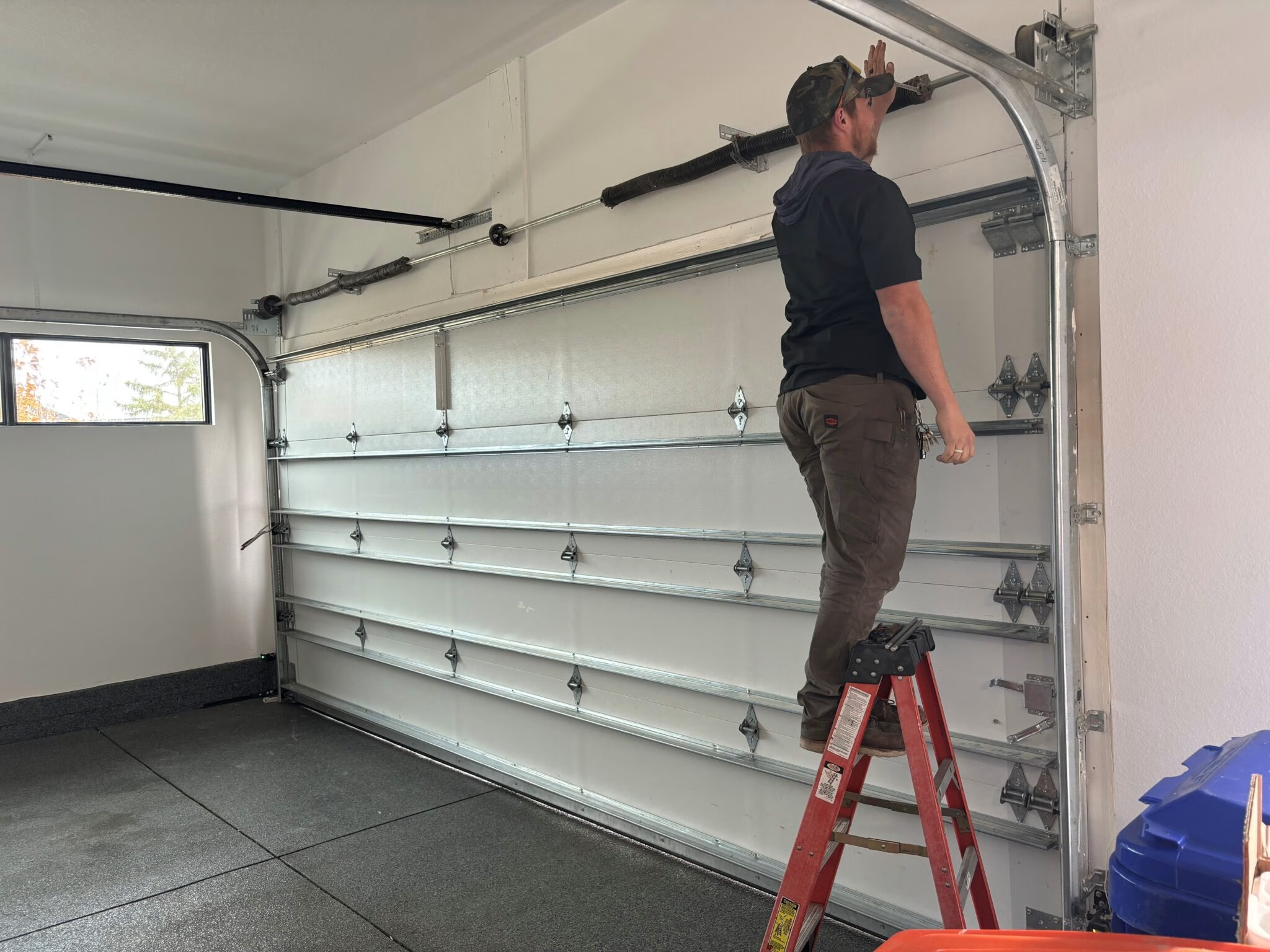
Garage door springs are the most mechanically demanding components in a garage door system. The torsion spring above the door or the extension springs along the sides bear the full weight of the door on every cycle. When springs wear down or lose tension, they produce a loud creaking or popping noise that is difficult to miss.
How Spring Wear Contributes to Garage Door Noise
Torsion and extension springs have a rated cycle life, typically between 10,000 and 15,000 cycles for standard residential springs. As they approach the end of that life, the metal fatigues and the coils begin to rub against each other or against the center bracket. Noise from worn springs typically sounds like:
- A sharp popping or snapping sound at the start of the cycle
- A deep creaking that gets louder as the door ages
- Uneven movement where one side of the door rises faster than the other
- A door that struggles to stay balanced when stopped mid-travel
Springs are under extreme tension and can cause serious injury if they fail or are handled incorrectly. Do not attempt to adjust, remove, or replace garage door springs without proper training and tools. Which Garage Door Parts Are Making All That Noise provides a detailed breakdown of how to identify spring noise versus other component noise before calling a technician.
Damaged or Misaligned Tracks
The tracks guide the door from the floor to the ceiling and along the horizontal run above. When tracks become bent, misaligned, or filled with debris, the rollers cannot travel smoothly, and the door produces a grinding or rubbing sound throughout the cycle.
How Track Damage and Misalignment Create Persistent Garage Door Noise
Track issues are often caused by physical impact, such as a vehicle bumping the door, or by hardware loosening over years of use. In Denver, CO, debris accumulation inside the track during winter months is also a frequent contributor. Signs of a track problem include:
- A grinding or scraping sound that is loudest at a specific point in the travel
- Visible gaps between the roller and the track at certain positions
- A door that visibly shakes or shimmies during operation
- Tracks that are visibly bent, dented, or pulling away from the wall
What to Check Before Calling a Garage Door Technician for Track Issues
Inspect the tracks visually from top to bottom on both sides. Check for debris buildup and clear it out. Check that all track brackets are tight and that the tracks are plumb and parallel to each other. Minor misalignment can sometimes be corrected by loosening the mounting hardware, repositioning the track, and retightening. However, bent or cracked tracks require professional replacement.
According to DASMA’s garage door safety guidelines, homeowners should avoid attempting structural repairs on tracks and springs without professional involvement, as these are the components most likely to cause injury when mishandled.
Worn Hinges
Hinges connect the individual panels of a sectional garage door and allow them to fold as the door travels through the curved section of the track. When hinges wear out, the metal thins, the pivot point becomes sloppy, and the result is a squeaking or grinding noise at each panel joint during operation.
Signs That Worn Hinges Are Causing Your Noisy Garage Door
Hinge wear is gradual, which means the noise tends to develop slowly before becoming obvious. Indicators that hinges are the source of the problem include:
- A squeaking sound that is isolated to specific points along the door rather than throughout the full cycle
- Visible metal filings or rust dust around hinge pivot points
- Hinges that appear stretched, cracked, or show holes that are no longer round
- A door that sags slightly at the bottom corners
How to Inspect Hinges and When to Replace Them
Run the door through a cycle while watching each hinge point. If the noise stops after applying lubricant but returns within a few days, the hinge is likely worn beyond the point where lubrication can compensate. Replacing a worn hinge is a straightforward repair for a technician and is one of the most cost-effective noisy garage door repairs available.
Opener Chain, Belt, or Drive Issues
The garage door opener itself can be a significant source of noise. Chain-drive openers are the most common type installed in older homes and are also the loudest. Belt-drive systems are quieter, and screw-drive openers fall somewhere in between. When any of these drive systems develop wear or lose lubrication, the noise level increases noticeably.
How the Opener Drive System Contributes to Garage Door Noise
Each drive type has its own noise profile and its own failure points. Understanding which type you have helps narrow down the source of the noise:
- Chain-drive openers produce a rattling or clanking sound when the chain is loose or dry
- Belt-drive openers may develop a slapping sound if the belt stretches or cracks
- Screw-drive openers generate a grinding noise when the drive rod is dry or worn
- All opener types can develop noise from loose motor mounts or vibrating cover panels
Check chain or belt tension and apply lubricant as specified by the opener manual. If the opener is more than 10 to 15 years old, replacement may be more practical than ongoing repairs. When to Service Your Garage Door for Peak Performance outlines the complete annual service calendar.

Your Noisy Garage Door Deserves Attention Before It Gets Worse
A noisy garage door is rarely just a minor inconvenience. The sounds you hear are signs of wear, misalignment, or dryness in components that keep your system operating safely and reliably. In Denver, CO, where cold winters and temperature fluctuations put additional stress on mechanical systems, staying ahead of these issues is the smart approach.
Whether you are dealing with a grinding track, worn springs, or a dry chain drive, the underlying causes of garage door noise are identifiable and addressable. Acting early on noisy garage door repair is almost always less expensive than waiting for a component to fail completely. Martin Garage Door brings expertise, proper tools, and licensed technicians to every garage door inspection and repair. Contact us or give us a call to schedule a thorough assessment and get your door running quietly and reliably again.