A squeaking hinge or a rattling panel might seem like nothing worth worrying about. But in most cases, garage door noise is not just an annoyance. It is an early warning sign that something mechanical is beginning to fail. In Denver, CO, where temperature extremes place extra stress on garage door components throughout the year, ignoring that warning tends to make things significantly worse.
This article covers what actually happens when a noisy garage door goes unaddressed, why the consequences go beyond the door itself, and why early noisy garage door repair is almost always the smarter and more affordable path.

Minor Noise Becomes a Major Mechanical Failure
A noisy garage door rarely stays at the same noise level. What starts as a mild squeak or rattle almost always progresses into something more serious if the underlying cause is not addressed. The reason is simple: garage door components work together as a system, and when one part wears or loosens, it places increased stress on the parts around it.
How Small Garage Door Problems Escalate Into Costly System Failures
The progression from minor noise to major failure follows a predictable pattern. Ignoring the early signs leads to:
- A loose roller that eventually derails from the track entirely, preventing the door from operating
- A dry hinge that wears through its pivot point and causes a panel to sag or separate
- A vibrating bracket that works completely free and allows the track to shift out of alignment
- An under-lubricated opener chain that stretches, skips, or snaps under load
Addressing noise early means dealing with one component rather than several. The longer the noise is ignored, the more the repair scope expands, and the higher the overall cost climbs. Which Garage Door Parts Are Making All That Noise covers each at-risk component and the noise it produces before failing.
Spring Failure Risk Increases Significantly
Garage door springs are the most mechanically stressed component in any garage door system. They bear the full weight of the door on every cycle, and they have a defined lifespan measured in cycles. When springs begin to wear, they often produce a creaking or popping noise well before they fail. Ignoring that noise removes the warning window entirely.
What Happens to Your Garage Door System When a Spring Fails
A broken torsion or extension spring is one of the most disruptive garage door failures a homeowner can experience. The consequences are immediate and significant:
- The door becomes extremely heavy and difficult or impossible to open manually
- An automatic opener attempting to operate with a broken spring can burn out its motor
- An unbalanced door can drop suddenly, creating a serious safety risk for anyone nearby
- In Denver, CO, winters, a door that cannot open can leave vehicles trapped in subzero temperatures
Why Spring Noise Should Never Be Ignored in a Garage Door System
Springs that are creaking, popping, or producing uneven tension are communicating that they are approaching the end of their service life. A professional inspection at that stage is far less disruptive than an emergency garage door repair call after a spring snaps.
The Garage Door Opener Takes on Excessive Strain
When mechanical components like rollers, hinges, and springs are not operating efficiently, the garage door opener compensates by working harder. This extra load accelerates wear on the opener motor, drive system, and circuit board, shortening the lifespan of a unit that would otherwise last 10 to 15 years or more.
How Neglected Garage Door Noise Shortens Opener Lifespan
An opener is designed to lift a properly balanced and well-maintained door. When the door is out of balance or mechanically compromised, the opener bears a load it was not designed for. Signs that the opener is being overworked include:
- The motor running longer than usual to complete a full open or close cycle
- The opener reversing unexpectedly because the resistance sensors detect excessive force
- Unusual grinding or straining sounds coming from the opener unit itself
- The door stopping mid-travel due to the opener’s thermal protection engaging
What Opener Damage From a Noisy Garage Door Costs to Address
Opener motor and circuit board replacements carry costs that vary depending on the unit, but they consistently exceed what a preventive mechanical inspection would have cost. In many cases, the opener damage is discovered only after the door has already failed in another way, meaning the homeowner faces multiple repairs simultaneously.
Safety Hazards Develop for Your Household
A noisy garage door is not just a maintenance issue. It is a safety issue. Many of the components that produce noise when they begin to fail are also the components that keep the door operating safely. As they degrade further, the risk of injury to family members or damage to vehicles and property increases. Routine garage door maintenance is the most practical way to catch these developing risks before they become safety incidents.
Which Garage Door Safety Risks Come From Ignored Noise
The safety risks associated with a neglected noisy garage door include:
- A door that drops suddenly if a cable or spring fails during operation
- Panels that shift or separate if hinges fail completely while the door is in motion
- A door that reverses inconsistently because worn rollers create uneven resistance on the safety sensors
- Tracks that pull away from the wall if bracket hardware is not addressed before it fails entirely
According to DASMA’s garage door safety guidelines, garage doors are the largest moving mechanical objects in most homes and should be inspected regularly to ensure safe operation. A door that produces unusual noise is a door that warrants immediate attention, not a delayed maintenance visit. The ULSE overview of automatic garage door safety standards further highlights how consistent maintenance and timely repairs are central to keeping automated door systems safe and compliant with industry standards.
Vehicle and Property Damage Becomes a Real Risk
When a garage door fails mid-cycle, the consequences are not limited to the door itself. Vehicles parked in the path of a dropping or derailing door can sustain significant damage. In some cases, structural damage to the garage opening or surrounding wall framing can result from a door that fails under load.
How a Failing Noisy Garage Door Can Damage Your Vehicle and Home
The mechanical failures that follow ignored garage door noise create direct risks to property:
- A spring failure can cause the door to drop rapidly onto a vehicle parked underneath
- A derailed door panel can swing outward and strike the vehicle or wall before the system stops
- A door that binds and forces the opener to strain can damage the header bracket above the opening
- Repeated hard closings from an unbalanced door can crack the concrete floor directly below the bottom seal
What the Cost of Property Damage From a Garage Door Failure Looks Like
Vehicle repairs, structural repairs, and header bracket replacements all carry costs that vary significantly based on the extent of the damage. In every case, the combined cost of property damage and emergency garage door repair exceeds what a routine inspection and preventive maintenance would have cost by a wide margin.
Security Vulnerabilities Open Up
A garage door that is struggling mechanically is also a garage door that is easier to compromise. Doors that do not seal properly, close unevenly, or fail to latch correctly create security gaps that can be exploited. In Denver, CO, where garage break-ins are a documented concern, this is a risk worth taking seriously.
How Mechanical Garage Door Problems Create Home Security Gaps
Noise-producing issues that are left unaddressed can lead to security vulnerabilities, including:
- A door that does not fully close because a bent track prevents the bottom panel from seating correctly
- A worn emergency release cord that can be triggered from outside through the gap at the top of the door
- An opener that fails to lock the door in the closed position due to worn drive components
- Visible panel gaps caused by hinge failure that allow visual access to the garage interior
A well-maintained garage door is a functional security barrier. A noisy, mechanically compromised door is less reliable in every way, including as a deterrent to unauthorized entry. What Causes a Noisy Garage Door is the right starting point for understanding the source of those issues.
The Repair Bill Grows the Longer You Wait
This is the most consistent consequence of ignoring a noisy garage door. Every week of continued operation without addressing the noise adds wear to the components involved and increases the likelihood that secondary components will also require attention by the time repairs are made.
How Delayed Garage Door Repair Multiplies the Scope and Cost of the Work
The cost of garage door repair depends heavily on how many components need attention at the time of service. Delayed repairs consistently result in:
- Multiple component replacements instead of a single targeted repair
- Emergency service calls carry higher costs than scheduled appointments
- Opener damage that adds to the repair total alongside the original mechanical issue
- Panel or track damage that was avoidable if the root cause had been addressed earlier
Acting on the first sign of noise is always the most cost-effective approach. When to Service Your Garage Door for Peak Performance provides a practical seasonal guide for Denver, CO homeowners.
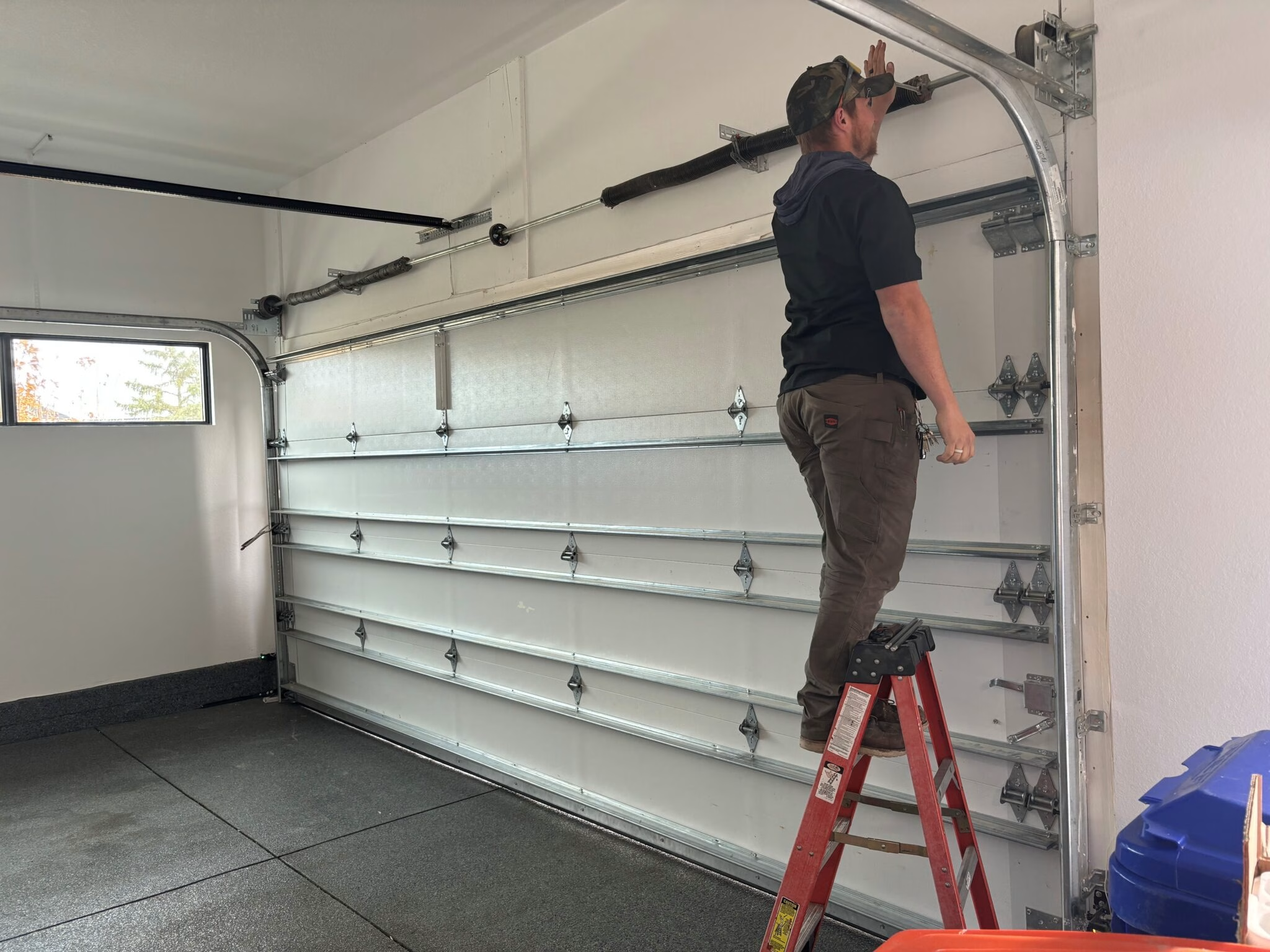
Do Not Let a Noisy Garage Door Turn Into an Emergency
The consequences of ignoring a noisy garage door are real, progressive, and consistently more expensive than the alternative. From spring failure and opener damage to safety risks and security gaps, every week of inaction increases the stakes.
If your garage door has been making noise and you have not had it inspected, now is the right time to act. Martin Garage Door serves homeowners throughout the Denver, CO area with thorough garage door inspections, targeted repairs, and reliable service from licensed technicians. Do not wait for a minor noise to become a major failure. Contact us or give us a call to schedule your garage door inspection before the problem gets worse.