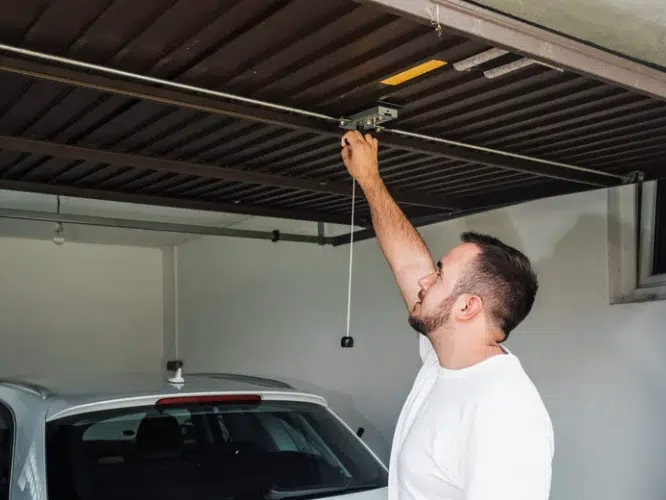
Your garage door opener works hard every single day. Most homeowners do not think about it until something goes wrong. A door that suddenly stops, grinds, or refuses to open is never convenient, especially on a busy morning in Denver, CO.
The good news is that most garage door opener failures come from a small set of parts. These components wear out over time, and knowing which ones to watch can save you from a bigger repair bill later. Whether your system is a few years old or well past its prime, this guide covers the parts that fail most often and what you should do about them.
Torsion Springs: The Workhorses Behind Every Lift
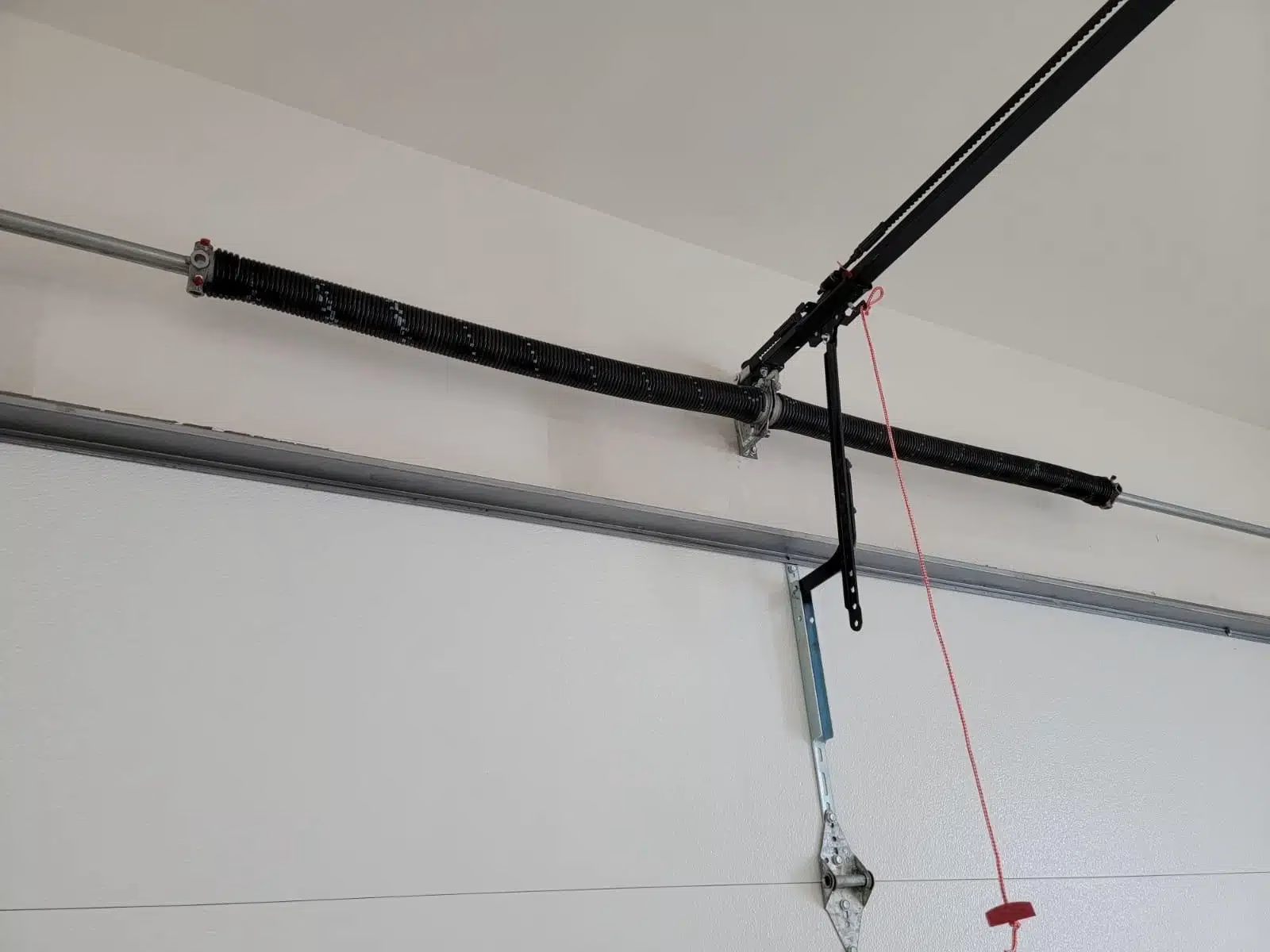
Torsion springs do the heavy lifting. Literally. They store the tension needed to lift your garage door and release it every time the door opens. Most springs are rated for around 10,000 cycles, which translates to roughly seven to ten years of daily use.
What to watch for:
- A loud bang from inside the garage (a snapped spring sounds like a gunshot)
- The door only opens a few inches before stopping
- The door feels unusually heavy when lifted manually
- A visible gap in the spring coil
Quick tip: Never try to adjust or replace a torsion spring on your own. In garage door repair situations, the tension stored in a wound spring is dangerous, and an improper repair can cause serious injury. This is a job for a trained technician.
The average cost to replace torsion springs varies depending on the spring type and whether one or both need replacing.
Understanding Why Garage Door Opener Parts Fail and How to Prevent It is the first step toward a longer-lasting, more reliable system.
Garage Door Opener Motor: The Heart of the System
The motor is what drives the entire opener. Over time, motors burn out from heat buildup, electrical surges, or just plain wear. A motor that runs but does not move the door, or one that hums and clicks without engaging, is usually signaling the end of its lifespan.
What to watch for:
- The opener makes noise, but the door does not move
- The motor runs continuously without stopping
- A burning smell is coming from the motor unit
- Intermittent operation with no clear cause
Quick tip: Check that the disconnect cord has not been accidentally pulled before assuming the motor is dead. If the motor is confirmed faulty, replacement is almost always more cost-effective than repair for older units.
Rollers: Small Parts With a Big Impact on Performance
Rollers guide the door along the track as it opens and closes. Nylon rollers are quieter and last longer, while steel rollers are more durable but noisier. Either type will wear out eventually, especially without regular lubrication.
What to watch for:
- Loud grinding or squeaking during operation
- The door jerks or shakes as it moves
- Visible cracks, chips, or flat spots on the roller wheel
- Rollers that appear to sit off the track
Quick tip: Inspect your rollers every six months. Applying a silicone-based lubricant to the rollers and track (not the springs) can significantly extend their life. Most homeowners in Denver should plan for roller replacement every five to seven years, depending on use.
Cables: The Safety Net You Cannot Afford to Ignore
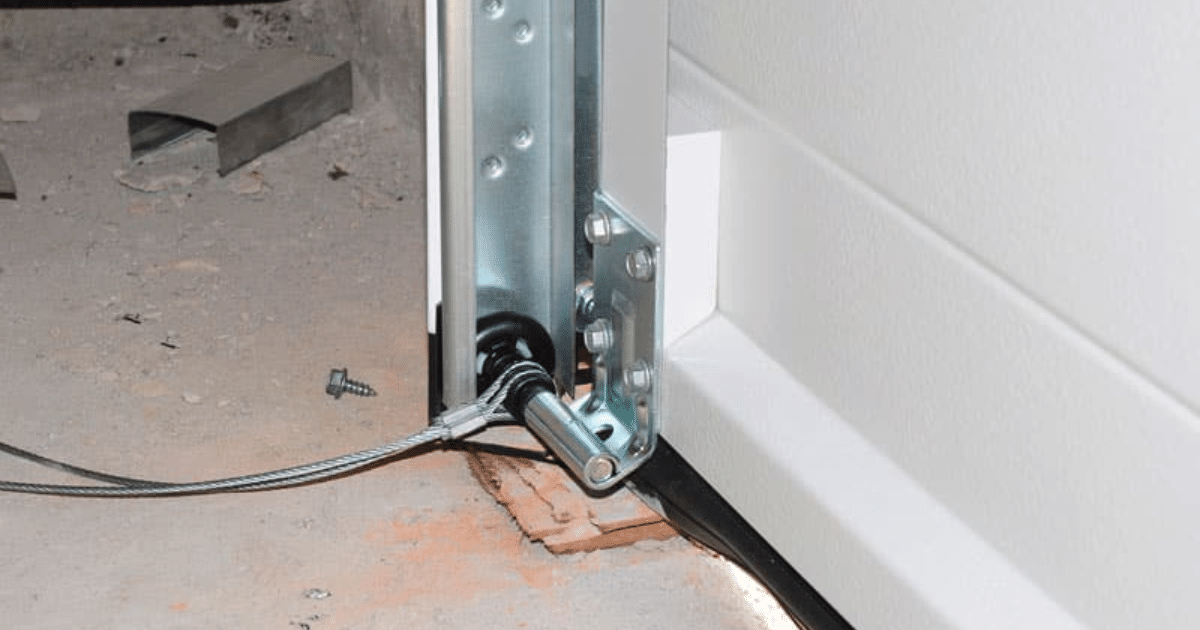
Garage door cables work alongside the springs to control how the door rises and lowers. If a spring breaks, the cables are what prevent the door from crashing down. Frayed or broken cables are a safety issue, not just a mechanical one.
What to watch for:
- Visible fraying or kinking along the cable length
- The door hangs unevenly or tilts to one side
- The cable has slipped off the drum
- Slack or loose cable hanging near the bottom of the door
Quick tip: Do not operate a garage door with a damaged cable. The door could fall suddenly and cause serious damage or injury. Call a professional as soon as you notice any cable wear.
For a broader look at what causes cables and other components to fail, The Spruce outlines the most common garage door problems and how to identify them early.
Remote Controls and Keypads: When the Signal Goes Silent
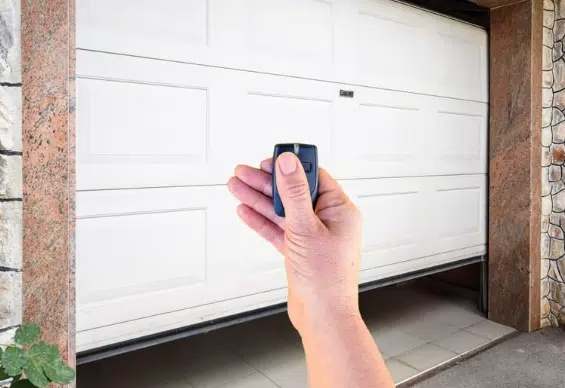
Remote controls and keypads are the most replaced parts simply because they are the most used and the most abused. Dead batteries are usually the first culprit, but signal issues, damaged buttons, and outdated frequency compatibility can also cause problems.
What to watch for:
- The remote only works at close range
- Buttons feel stuck or do not respond
- The keypad display is dim or unresponsive
- The remote stopped working after replacing the battery
Quick tip: Before buying a replacement remote, try reprogramming it to the opener.
The Door and Access Systems Manufacturers Association provides guidance on safe operation and compatibility standards for garage door openers and access systems.”
Safety Sensors: The Eyes That Keep Your Door Honest
Safety sensors sit near the bottom of the door tracks and use an infrared beam to detect objects in the door’s path. When they are dirty, misaligned, or damaged, the door may refuse to close or reverse unexpectedly. The U.S. Consumer Product Safety Commission requires these sensors on all automatic garage door openers manufactured after 1993.
What to watch for:
- The door goes down a few inches, then reverses
- One sensor light is blinking while the other is solid
- The door closes only when you hold the wall button
- The sensor lights are off entirely
Quick tip: Clean the sensor lenses with a soft cloth and check that both units are pointed directly at each other. Even a minor bump can knock them out of alignment. This is one of the easiest repairs a homeowner can handle.
Hinges: The Connectors That Take Constant Stress
Hinges connect the panels of your garage door and allow it to flex as it travels along the curved track. They take stress with every single cycle. Heavier doors put even more pressure on hinges, and over time, the metal fatigues, bends, or cracks.
What to watch for:
- Loud popping or cracking during door movement
- Visible bending, rust, or cracks in the hinge metal
- Panels that appear to pull apart or separate
- Uneven movement as the door opens
Quick tip: Check hinges during your regular garage inspection. Lightly lubricating the hinge pivot points can slow wear. Damaged hinges should be replaced promptly because a broken hinge can cause panel damage and misalignment.
Weather Stripping: The Quiet Protector at the Bottom
Weather stripping runs along the bottom of the garage door and seals the gap between the door and the floor. It keeps out water, dirt, pests, and cold air. In Denver, where temperatures swing dramatically between seasons, worn weather stripping means more than just a drafty garage.
What to watch for:
- Light is visible under the door when it is closed
- Water or debris getting in after rain or wind
- The rubber appears cracked, torn, or flattened
- Cold drafts noticeably enter the garage in winter
Quick tip: Weather stripping is one of the most affordable parts to replace and one of the easiest for homeowners to handle themselves. Replacing it annually or every two years in harsh climates is a reasonable preventive measure.
Limit Switches: Telling the Door When to Stop
Limit switches tell the motor how far to travel in each direction. When they are out of adjustment, the door may not open or close fully, or the motor may keep running after the door has stopped. Over time, these switches can wear out or shift out of calibration.
What to watch for:
- The door reverses before fully closing
- The door does not open all the way
- The motor keeps running after the door stops
- The opener light does not turn off after operation
Quick tip: Some openers allow homeowners to adjust the limit settings through a dial or button on the motor unit. Check your owner’s manual before attempting any adjustments. If you are unsure, have a technician recalibrate the system.
If your door shows Warning Signs Your Garage Door Opener Parts Need Replacing, do not wait for a full breakdown. Catching a problem early almost always means a simpler, less expensive repair.
Drive System Components: Chain, Belt, or Screw
The drive system is what physically moves the trolley that pulls the door open and closed. The three most common types are chain drive, belt drive, and screw drive. Each has its own wear points and maintenance needs.
What to watch for:
- A chain drive that sags, skips, or makes a loud slapping noise
- A belt drive that shows cracks, fraying, or slipping
- A screw drive that moves slowly or makes grinding sounds
- Any drive system that vibrates more than usual during operation
Quick tip: Chain drives need periodic tension adjustments and lubrication as part of routine garage door maintenance. Belt drives are generally lower maintenance but do wear over time. Screw drives need lubrication along the threaded rod. Knowing which system you have helps you stay ahead of repairs.
For homeowners who want to go further, a complete walkthrough is available in How to Replace Garage Door Opener Parts: A Step-by-Step Guide.
Your Garage Door Deserves Attention Before It Breaks Down
Most garage door problems do not happen overnight. They build gradually through worn rollers, weakening springs, fraying cables, and sensors knocked slightly out of place. A quick visual inspection every few months, combined with regular lubrication of the right components, can add years to your system’s life.
If you are in the Denver, CO area and your garage door opener is showing any of the signs mentioned in this guide, do not wait until a small issue becomes a full replacement. Martin Garage Door has the experience and local knowledge to inspect, repair, or replace any of these components quickly and safely. Contact us or give us a call to schedule a service visit and keep your garage door working the way it should.