A garage door opener that works flawlessly one day and fails the next can feel like it came out of nowhere. The truth is, it rarely does. Most failures build slowly over months or years before something finally gives out. The root causes are almost always the same: neglect, environment, improper use, or just the natural limits of the parts themselves.
For homeowners in Denver, CO, the conditions are especially demanding. Cold winters, hot summers, and rapid temperature swings put real stress on metal components, rubber seals, and electronic systems alike. Understanding what drives these failures puts you in a much better position to stop them before they start.
Lack of Regular Lubrication Wears Parts Down Faster
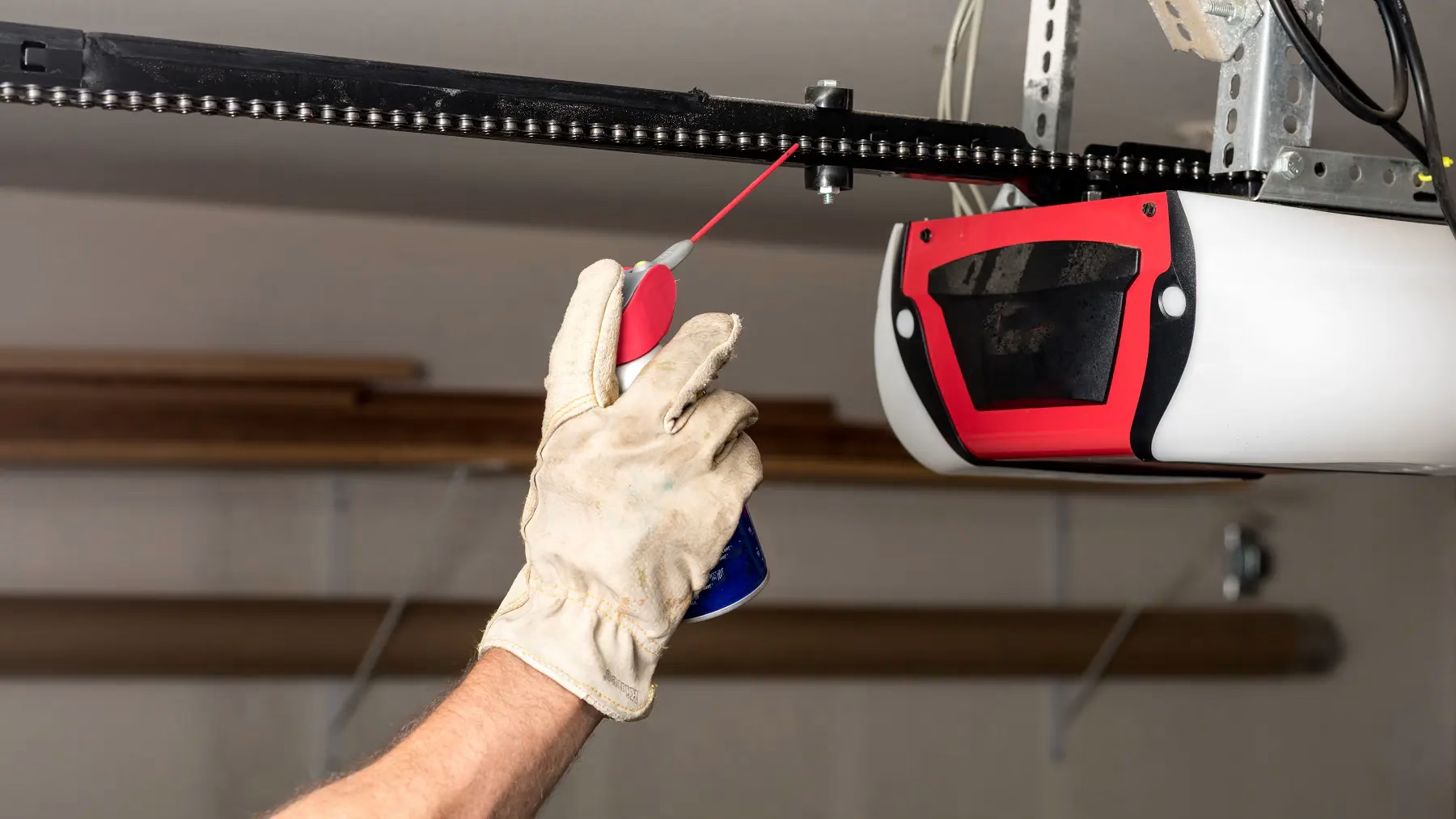
One of the most common reasons garage door parts fail early in garage door repair cases is simple: they are not lubricated often enough. Metal parts that grind against each other without proper lubrication wear at a much faster rate than they should. Springs, rollers, hinges, and the drive system all depend on lubrication to reduce friction and heat.
Why this causes failure:
- Dry metal-on-metal contact accelerates surface wear
- Friction generates heat that degrades seals and plastic components
- Rollers that run dry develop flat spots and become noisy
- Springs under dry tension are more prone to cracking at stress points
How to prevent it:
- Apply a silicone-based or lithium-based lubricant to rollers, hinges, and springs every six months
- Avoid using WD-40 as a substitute since it is a cleaner, not a long-term lubricant
- Wipe away old grease buildup before applying fresh lubricant
- Include lubrication as part of a twice-yearly garage door checkup
If you have not already looked at What Are the Most Common Garage Door Opener Parts to Replace?, that is a solid starting point for knowing which parts are most at risk.
Temperature Extremes Break Down Materials Over Time
Denver sits at a high elevation where temperatures can swing dramatically between seasons and even within a single day. This climate takes a real toll on garage door components. Metal contracts in the cold and expands in the heat, and that constant movement weakens parts over time.
Why this causes failure:
- Cold temperatures cause torsion springs to lose tension and become brittle
- Heat softens and degrades rubber weather stripping and belt drive components
- Rapid temperature changes create stress fractures in older metal hardware
- Electronics inside the motor unit are vulnerable to moisture from condensation
How to prevent it:
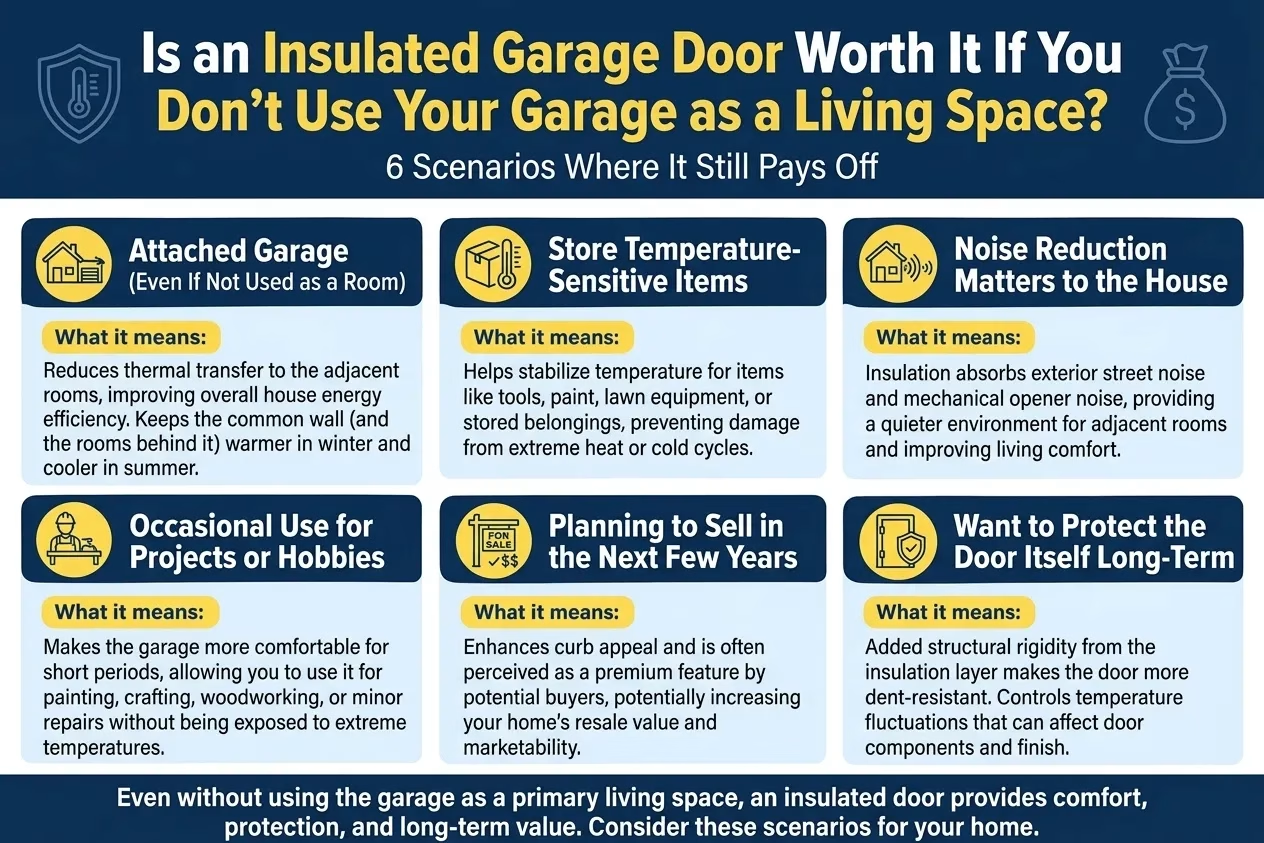
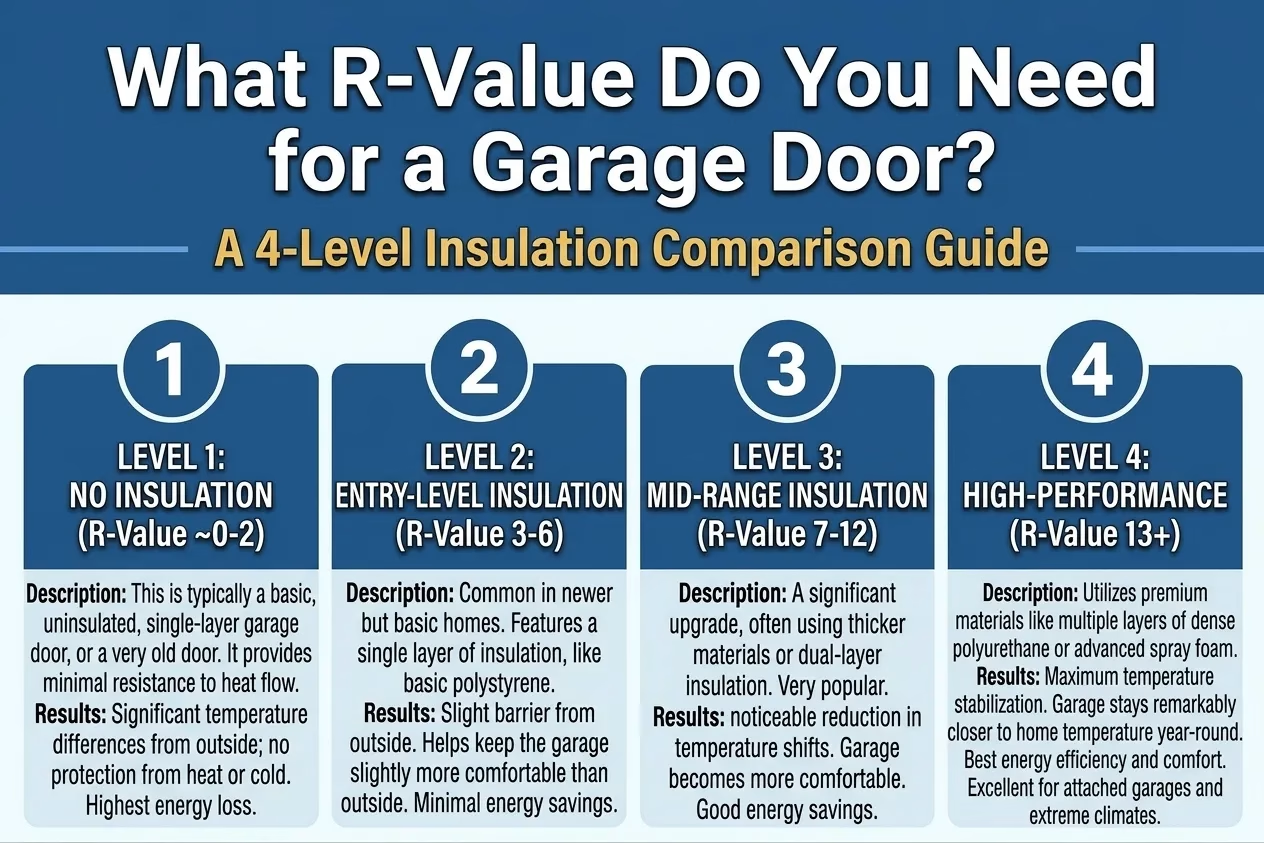
- Insulate your garage to reduce the temperature swings the opener experiences
- Replace weather stripping before winter to keep cold air from affecting the motor unit
- Check springs and cables each fall before temperatures drop significantly
- If your opener is more than ten years old, consider upgrading to a model rated for wider temperature ranges
Skipping Routine Inspections Lets Small Problems Grow
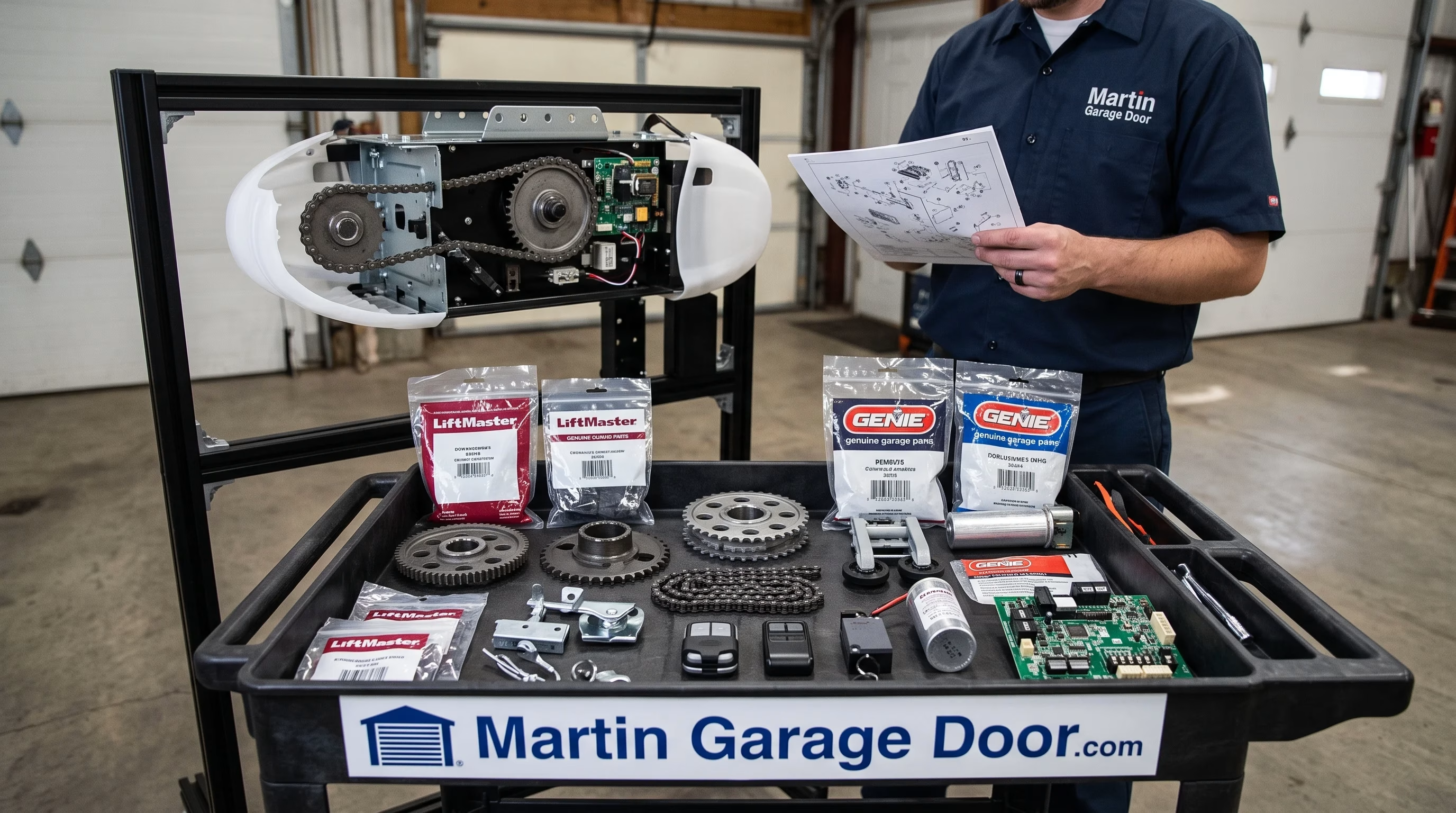
A garage door opener that seems to be working fine can still be developing problems that are invisible to the untrained eye. Fraying cables, slightly misaligned tracks, and rollers starting to crack are all easy to miss if you are not actively looking for them. When these minor issues go unaddressed, they compound into major failures.
Why this causes failure:
- A fraying cable under stress can snap without warning
- A track slightly out of alignment puts uneven pressure on rollers and hinges
- Worn gear teeth in the drive system begin to skip before they stop engaging entirely
- Loose hardware vibrates further loose with every cycle
How to prevent it:
- Visually inspect the full door system every three to four months
- Test the door balance by disconnecting the opener and lifting the door manually halfway; it should stay in place
- Listen for new noises during operation and investigate them promptly
- Tighten any loose bolts and brackets during each inspection
Overloading the Opener Strains the Motor and Drive
Garage door openers are rated for specific door weights. When a door is too heavy for the opener, or when the springs are not properly balanced to carry the door’s load, the motor and drive system compensate by working harder than they are designed to. That extra strain shortens the lifespan of nearly every moving part.
Why this causes failure:
- An overworked motor generates excess heat that burns out internal components
- Drive systems under strain wear through their gears and belts ahead of schedule
- Springs that are not properly tensioned force the motor to lift more than it should
- Repeated overloading trips the thermal reset on motors and can cause permanent damage
How to prevent it:
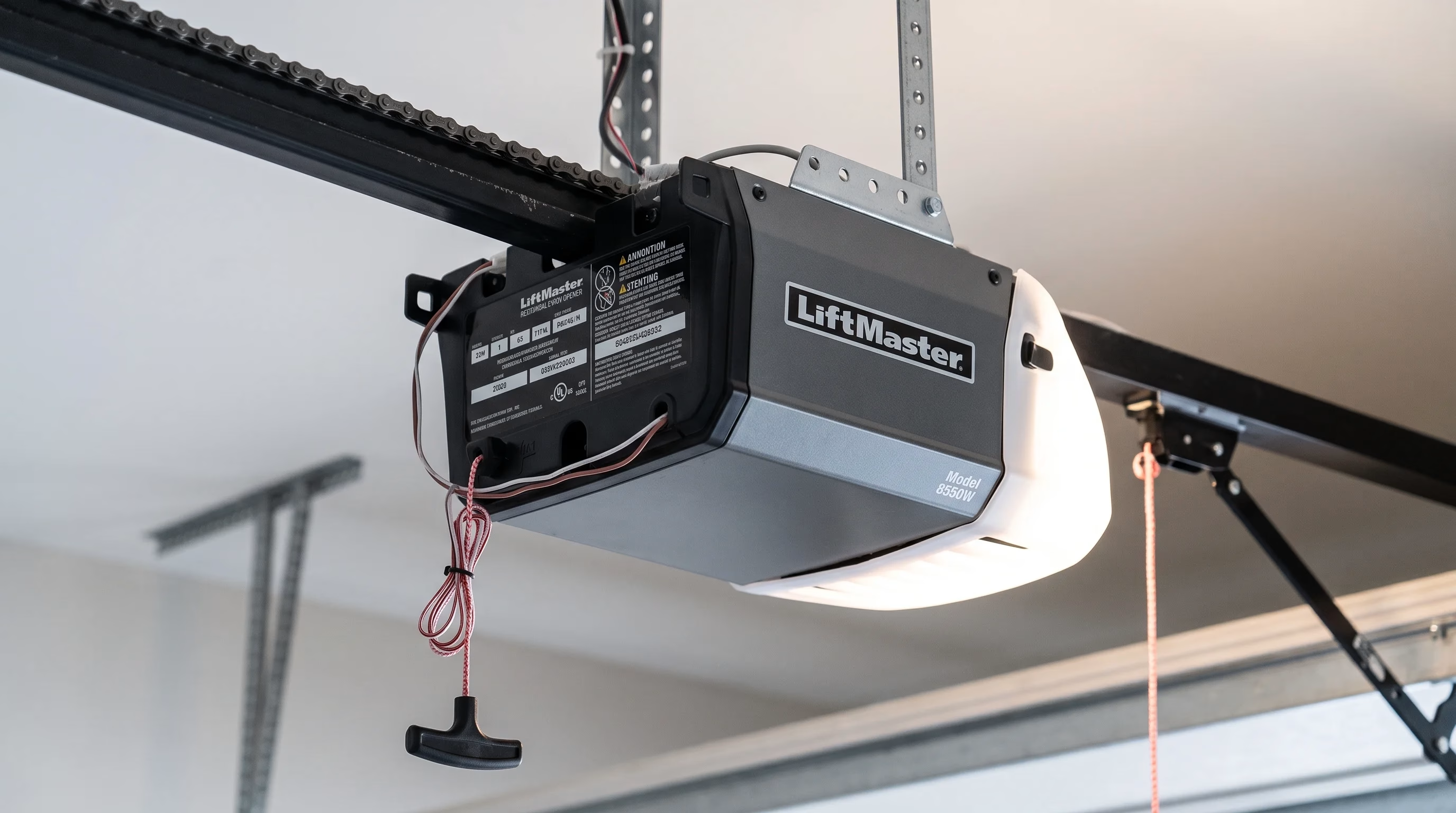
- Have a technician verify that your opener’s horsepower rating matches your door’s weight
- Check spring tension annually and have it adjusted if the door feels heavy when lifted manually
- Avoid hanging storage or equipment directly on the door panels
- If you upgrade to a heavier insulated door, also upgrade the opener to match
Angi’s breakdown of garage door opener styles includes helpful guidance on matching horsepower ratings to door weight, which is a key factor in preventing motor strain.
Worn-Out Parts Left in Place Damage Surrounding Components
When one part starts to fail, it rarely fails alone. A cracked roller puts stress on the track. A loose hinge shifts the load onto adjacent hardware. A worn drive gear causes the motor to strain. Ignoring a failing component does not just affect that part. It creates a chain reaction that pulls the surrounding parts into failure along with it.
Why this causes failure:
- A roller that has lost its round profile bounces in the track, bending it over time
- A broken cable allows one side of the door to drop, torquing the entire frame
- A slipping drive chain or belt causes the trolley to jerk, stressing the rail
- A failing limit switch that is not replaced causes the motor to run past its endpoint repeatedly
How to prevent it:
- Replace worn parts as soon as they are identified rather than waiting for a complete failure
- If one spring breaks, replace both at the same time, since the other is likely at a similar point in its lifespan
- Address any unusual noise or movement right away, rather than waiting to see if it gets worse
- Schedule a professional inspection once a year to catch what visual checks might miss
Power Surges and Electrical Issues Damage Sensitive Components
Modern garage door openers contain circuit boards, sensors, and wireless receivers that are sensitive to electrical fluctuations. A single power surge can fry a control board. Repeated minor fluctuations can degrade components over time without causing an obvious immediate failure.
Why this causes failure:
- Unprotected openers are vulnerable to lightning strikes and utility grid surges
- Corrosion on wiring connections increases resistance and causes intermittent failures
- Low-quality extension cords or improper wiring can cause voltage drops that stress the motor
- Moisture getting into the motor unit can short-circuit the control board
How to prevent it:
- Plug your garage door opener into a surge-protected outlet
- Inspect wiring connections annually for signs of corrosion or fraying
- Make sure the outlet powering your opener is properly grounded
- Keep the motor unit clean and dry, especially after heavy rain or snowmelt
DASMA outlines safety standards for garage door opener electrical systems and explains why proper grounding and surge protection are considered baseline requirements.
If you have already noticed symptoms developing, check out Warning Signs Your Garage Door Opener Parts Need Replacing to understand what those signs mean and how urgently they need attention.
Age and Cycle Count Eventually Catch Up With Every Part
Even a perfectly maintained garage door opener has a finite lifespan. Most springs are rated for 10,000 cycles. Most openers are designed for 15 to 20 years of use under normal conditions. At some point, the parts simply reach the end of what they were built to do, and no amount of maintenance will change that.
Why this causes failure:
- Metal fatigue accumulates invisibly until a part suddenly breaks
- Electronic components degrade with age regardless of use
- Plastic gears inside some opener models become brittle over time
- Safety features on older openers may not meet current standards
How to prevent it:
- Keep track of your opener’s age and plan for replacement proactively rather than reactively in garage door maintenance routines
- If your system is approaching 15 years old, have a technician assess its overall condition
- Prioritize replacing any safety-critical parts like springs and cables before they reach failure age
- Consider upgrading to a newer model with improved safety features and energy efficiency
For homeowners who are ready to take action, How to Replace Garage Door Opener Parts: A Step-by-Step Guide walks through what the repair process looks like from start to finish.
Keep Your Garage Door Running the Way It Should
Prevention is always less expensive than repair. A consistent maintenance routine, a basic understanding of what causes parts to fail, and a willingness to address small problems early will keep your garage door opener running reliably for years longer than one that is never given a second thought.
If you are in the Denver, CO area and your opener is showing signs of wear or you just want a professional set of eyes on the system, Martin Garage Door is ready to help. Contact us or give us a call to schedule an inspection and get ahead of problems before they become serious.