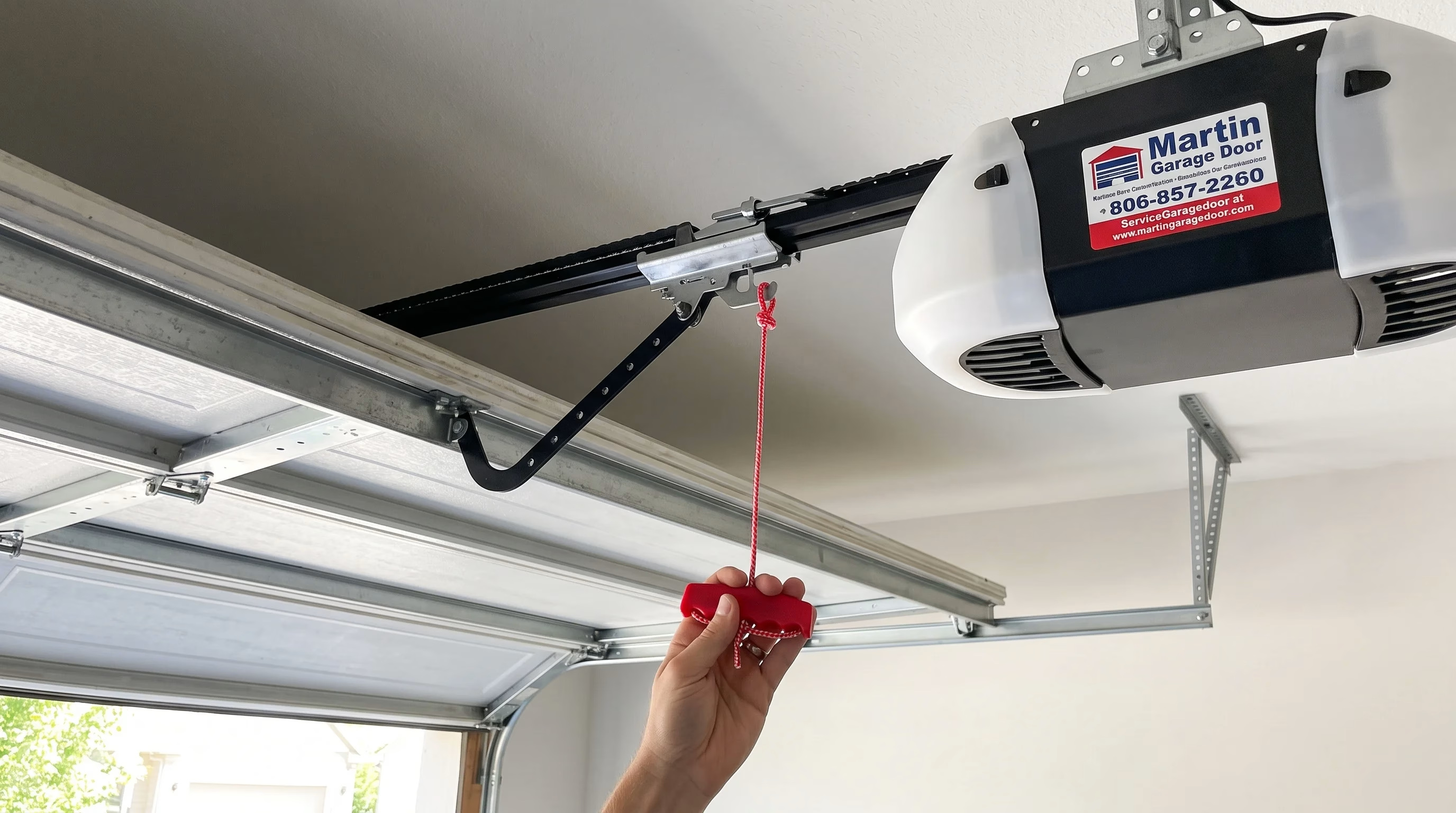
A jammed manual release can feel like a small inconvenience, especially if the garage door still “kind of works” with the opener. But from a technician’s point of view, this is one of those warning signs you should take seriously. The emergency release is a safety feature. If it is jammed, stiff, or unpredictable, that usually means the opener trolley is under strain, the door system is not moving cleanly, or something is starting to fail.
In Denver, CO, this becomes even more important in winter. Freezing moisture, thickened lubrication, and temperature swings can turn a minor sticking issue into a sudden bind that escalates into a larger garage door repair need. The risk is not only getting locked in or out. The bigger risk is forcing the system until a cable slips, a roller pops, or the opener begins stripping internal parts. This guide explains the situations where you should stop using the door and get professional help, without turning into a do-it-yourself repair lesson.
Quick Answer
Stop using a jammed manual release and call a professional if the door looks crooked, feels unusually heavy, makes grinding or scraping noises, reverses unexpectedly, or shows uneven cable tension. In Denver, also treat ice buildup, repeated mid-cycle stops, and sudden changes after a freeze as higher-risk situations, because cold weather can hide strain until something slips. If the release cord is resisting normal straight-down pressure, forcing it can damage the trolley latch or create unsafe door movement.
Why “Just Keep Using The Opener” Is A Risk
Homeowners often think, “The cord is jammed, but the opener still lifts the door, so I’m fine.” That is a common mistake.
The opener can hide problems that are getting worse, such as:
- Worn springs, making the door heavier
- Rollers binding in the tracks
- Cables are beginning to lose even tension
- Door sections flexing under load
The garage door opener may still move the door, but it is doing extra work. Over time, that extra strain increases the chance of a bigger failure. The manual release is often the first part to feel wrong because it sits right where tension shows up.
If you want the safe troubleshooting guide for what to check without forcing anything, use Garage Door Manual Release Jammed? Troubleshooting That Actually Helps.
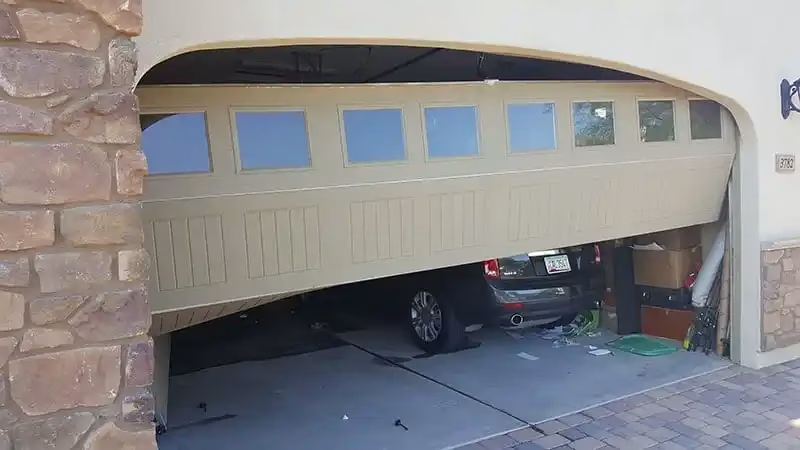
Crooked Door Or Uneven Gaps Along The Sides
This is one of the clearest “stop now” signs.
If the door looks tilted or you see uneven gaps, the system may be loading one side more than the other. That can indicate:
- A cable issue
- A roller that is not tracking correctly
- Track alignment trouble
- Hardware that loosened or shifted
A crooked door is not just an appearance issue. It can cause binding, scraping, and sudden jerks that worsen damage with each cycle. It also increases risk near the cable drums and bottom brackets, which hold high tension.
Loose, Uneven, Or “Jumping” Cables
If you see a cable that looks looser on one side, stop using the door.
Cables should look evenly tensioned when the door is closed. When cables go uneven, the door can lift crooked, bind in the track, or slip unexpectedly. In severe cases, a cable can come off the drum.
Common clues:
- One cable looks slack
- You hear a sharp snapping sound
- The door lifts unevenly
- The door sits crooked at rest
Cable issues are professional-only territory because they are tied to spring tension and drum positioning.
The Door Feels Heavy Or Drops Fast When Handled
If the manual release disengages and you try to move the door by hand, pay attention to how it feels.
A balanced garage door should feel controlled and manageable. If it feels heavy or wants to fall quickly, that usually points to spring issues. In Denver, garage door springs can also behave differently in cold temperatures, but “dangerously heavy” is never normal.
Heavy door symptoms often show up alongside:
- Slower opener movement
- Louder operation
- Shaking or vibration
- Opener struggling or stopping
Do not keep testing the system if the door feels heavy. That is a safety risk. Bob Vila notes that routine garage door maintenance helps identify balance and hardware issues early, before they lead to unsafe operation or opener strain.
If you want to understand what normal release operation should feel like, read What The Manual Release Does And How It Should Feel.
Grinding, Scraping, Or Metal-On-Metal Sounds
New noises are one of the most reliable warning signs.
Grinding or scraping often means:
- A roller is worn or binding
- The track has shifted
- The door is rubbing at a section or hinge point
- The opener rail is under strain
In Denver garages, scraping can also show up when ice forms near the bottom seal or tracks, but the sound still signals resistance. Resistance forces the opener to compensate, and that is when internal parts wear faster.
If you hear metal-on-metal sounds, stop cycling the door. Continued use can bend tracks, damage rollers, or strain the opener carriage.

The Door Reverses, Jerks, Or Stops Mid-Travel
If your door reverses unexpectedly or stops mid-travel, treat it as a system warning.
Common reasons include:
- Resistance triggering safety logic
- Sensors being blocked or misaligned
- Travel limit issues
- Door balance problems
A jammed manual release alongside these symptoms strongly suggests the trolley is loaded or the door is binding. Repeated cycling to “see if it clears” can make things worse.
This is especially important in Denver winter weather, where ice and stiff hardware can create intermittent resistance that comes and goes. This Old House explains that garage doors that reverse or refuse to close smoothly are often responding to resistance in the tracks, roller issues, or safety system triggers that should be addressed before further operation.
The Release Cord Feels “Locked Solid” Or Needs Force
A healthy manual release should not require aggressive pulling. If you feel like you must yank hard, that is your sign to stop.
A locked-feel release can mean:
- Trolley tension after a mid-cycle stop
- A latch caught in a worn position
- Debris buildup around the trolley
- Misalignment of the door arm connection
Forcing it can bend the release lever or break the latch. Even if it “works” afterward, it may not re-engage correctly, creating a new problem the next time you use the opener.
For the deeper cause list, this companion guide explains the most common reasons: What Are the Common Reasons a Garage Door Release Cord Won’t Move
Burning Smell, Hot Opener Housing, Or Repeated Humming
If you smell burning, notice the opener housing is unusually hot, or hear repeated humming without smooth movement, stop using the system.
These signs can indicate:
- The opener motor is overheating
- Internal gears are wearing or slipping
- The door is too heavy and is overloading the opener
- The trolley is binding
In this situation, continuing to run the opener can turn a repairable issue into a bigger failure.
Visible Damage Around Hinges, Rollers, Or Tracks
If you can see obvious hardware damage, the safest move is to stop.
Examples include:
- Bent track sections
- Cracked hinges
- Rollers that look chipped or wobbly
- Loose bolts or shifted brackets
Hardware damage often pairs with release cord issues because damaged parts increase friction and tension. The release “jam” is sometimes just the first thing you notice.
Denver-Specific Situations That Raise The Risk
Some conditions make a jammed release more dangerous in Denver than in milder climates.
- After a freeze-thaw cycle
- After wind-driven dust events
- After a storm, power flicker
- In uninsulated garages
If your jam appeared right after one of these events, treat it as a higher-priority service issue rather than a “maybe later” annoyance.
What You Can Do Safely While You Wait For Service
You can still protect your door and your opener without attempting repairs.
- Stop repeated cycling of the door
- Leave the door closed if possible
- Keep the area clear and do not allow kids to play near the tracks
- Write down what happened right before the problem started
- Note any sounds, crooked travel, or heavy feel
That information helps a technician diagnose the issue faster.

Final Takeaway And Next Step
A jammed manual release is a warning sign you should not ignore, especially when it shows up with crooked travel, heavy door feel, scraping noises, reversals, or uneven cables. In Denver, cold-weather stiffness and ice can hide the true level of strain until the door binds suddenly, which is why a cautious approach matters. When you stop early and get the system checked, you reduce the risk of track damage, cable problems, and opener wear that can snowball into a bigger repair.
Martin Garage Door can inspect door balance, cables, tracks, and the opener trolley so you know exactly what is causing the jam and whether it is safe to operate the door. A professional inspection also helps restore confidence that the emergency release will work correctly the next time you need it, not just when conditions are perfect. Contact us or give us a call today to schedule service and get your garage door operating safely again.