
A jammed garage door manual release always seems to happen at the worst time. The power goes out. The opener stops mid-cycle. You pull the red emergency cord, expecting the door to disconnect, and it will not move.
In Denver, CO, this problem shows up more often than homeowners expect. Sudden temperature drops, overnight freezes, and blowing dust can all affect garage door hardware. Metal tightens in cold air. Lubrication thickens. Moisture freezes in small moving parts. What should be a simple safety feature can suddenly feel locked in place.
This guide explains what is happening, what you can safely check, and when to stop. The goal is not to turn this into a do-it-yourself repair lesson. The goal is to help you avoid causing more damage and recognize when professional garage door repair is the safest step.
Quick Answer
If your garage door manual release is jammed, make sure the door is fully closed and turn off the opener power so the trolley is not holding tension against the latch. Then inspect the rail area for ice, dust buildup, rust, or thickened lubrication, and confirm the door is not crooked or showing uneven cable tension. If you hear grinding, see a loose cable, or the door feels unusually heavy, stop using it and schedule professional service to prevent further damage or a safety risk.
If you want a deeper explanation of root causes without troubleshooting steps, read What Are the Common Reasons a Garage Door Release Cord Won’t Move
What the Manual Release Is Designed to Do
The manual release cord disconnects the garage door from the opener so you can lift it by hand during a power outage or opener failure. When working correctly, you pull straight down and feel a small click as the trolley disengages.
If it feels stuck, that does not always mean the cord is broken. In most cases, the release is resisting because the door system or opener is under pressure.
If you are unsure what proper operation should feel like, read What the Manual Release Does and How It Should Feel before attempting anything else.
Start With the Safest Setup
Before pulling again, create a safe working position.
- Keep vehicles clear of the opening
- Keep children and pets away
- Stand to the side of the door, not directly underneath
- Avoid repeated force
The emergency release is a safety feature. It is not designed to be yanked aggressively.
Make Sure the Door Is Fully Closed
This is one of the most important checks.
If the door is partially open and you try to disengage it, the opener may be holding uneven weight. That tension can prevent the latch from releasing smoothly. In Denver, mid-cycle stops during storms or power flickers are common triggers.
Look for:
- The bottom seal touches the ground evenly
- Both sides sare itting at the same level
- No visible tilt
If the door looks crooked or slightly raised on one side, do not force the release.
Check for Tension in the Opener Trolley
The trolley connects the opener to the door. When the system is under strain, that tension can make the release feel jammed.
This can happen after:
- A sudden stop mid-travel
- An obstruction reversal
- Door imbalance
- Slight track misalignment
If the cord moves slightly but will not fully disengage, tension is often the cause. Forcing it can damage internal parts of the opener.
Consider Denver’s Cold Weather Impact
Cold weather plays a real role in releasing problems in Colorado.
Frozen moisture inside the rail can restrict movement. Older lubrication can thicken and slow down the latch. Metal parts can contract slightly, making tight clearances even tighter. Wind-driven grit from the Front Range can mix with old lubricant and create buildup inside the trolley area.
If the problem started after a freeze, allow the garage to warm gradually. Avoid using open flames or extreme heat near the opener.
Inspect the Cord and Pull Direction
Sometimes the issue is not internal. It is how the cord is being pulled.
Check for:
- Fraying
- Knots
- A cracked handle
- Pulling at an angle
The safest pull is straight down. Sideways pulling can wedge the latch against the trolley and make it feel stuck.
Look for Alignment or Cable Issues
A jammed release can be a symptom of a larger system issue.
Watch for:
- Uneven gaps along the sides
- Scraping on one track
- A door that appears tilted
- Jerky or shaky recent operation
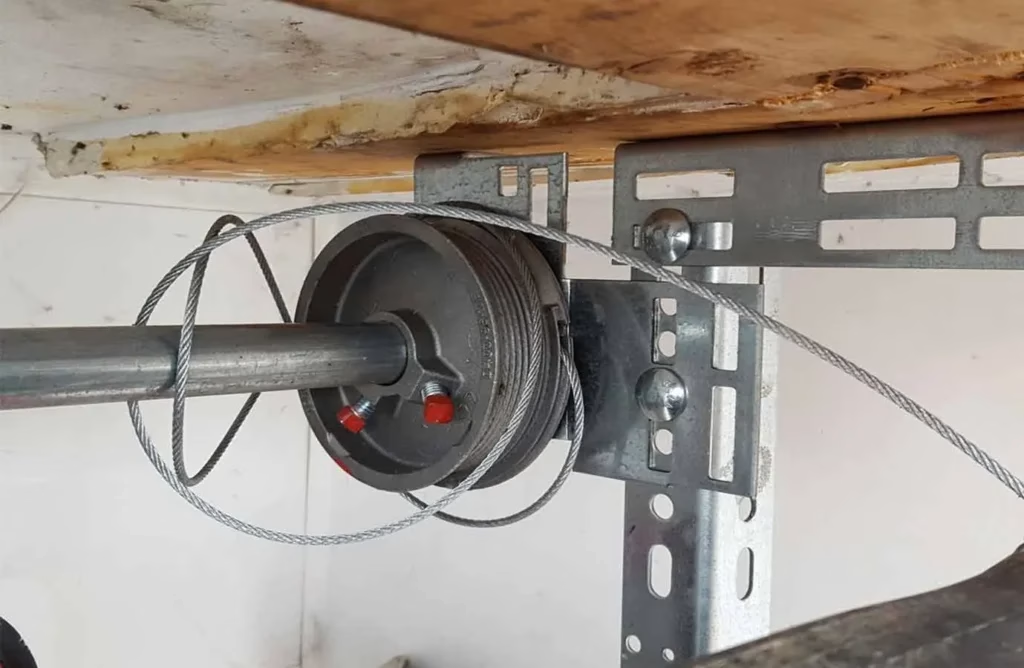
If cables look loose or uneven, stop immediately. Garage door springs and cables operate under high tension and should only be serviced by a trained technician.
For a clear safety reminder on why cable and spring concerns should not be handled without training, review DASMA’s garage door safety tips.
If you want to understand when continuing to use the system becomes unsafe, read When to Stop Using a Jammed Manual Release and Call a Professional.
Pay Attention to Door Weight
If the release eventually disengages and you can lift the door manually, pay attention to how it feels.
A properly balanced garage door should feel controlled and manageable. If it feels unusually heavy or drops quickly, the springs may be worn. Worn springs increase opener strain and can contribute to manual release issues.
Spring systems are not safe for DIY repair.
Common Mistakes That Make It Worse
Homeowners often make the situation worse by:
- Repeatedly yanking the cord
- Pulling at sharp angles
- Cycling the opener repeatedly to “reset” it
- Ignoring grinding or scraping noises
- Forcing a door that feels heavy
If steady, straight pressure does not release it, continued force can damage the latch assembly.
How to Avoid a Jammed Manual Release in Denver
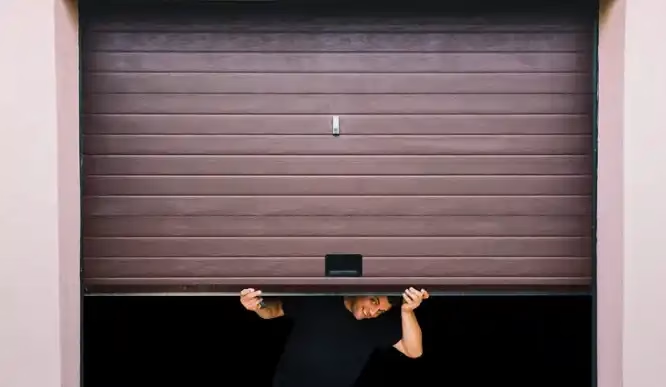
Most manual release jams are preventable with the right garage door maintenance rhythm, especially in Colorado’s climate.
- Schedule seasonal inspection before winter: Fall is ideal in Denver because it helps catch stiff hardware and worn parts before freezing temperatures arrive.
- Keep the garage interior dry: Moisture leads to rust and freezing, and a dry environment keeps moving parts operating smoothly.
- Keep tracks and rail areas clean: You do not need to deep clean everything yourself, but avoid long-term buildup around the trolley and rail.
- Pay attention to early warning signs: If the door starts moving roughly, shaking, or sounding louder, treat it as an early alert. Release problems often follow ongoing strain.
- Confirm the emergency release is tested during maintenance: A technician can confirm it disengages and re-engages correctly without damaging the latch.
For a simple yearly upkeep checklist that fits this routine, read Family Handyman’s guide to garage door maintenance.
When a Stuck Manual Release Is a Bigger Warning Sign
A jammed manual release is rarely just a stuck cord. In many Denver homes, it signals deeper tension in the trolley, door imbalance, cold-weather stiffness, or early spring and cable wear. Ignoring it can strain your opener, rails, and other moving parts over time. Taking action early helps prevent bigger mechanical problems and ensures your emergency release works properly during a power outage or unexpected opener failure.
Martin Garage Door provides professional garage door service in Denver, CO, including full system inspections when your manual release feels stuck or unsafe. Contact us or give us a call today to schedule service and restore safe, reliable operation to your garage door.