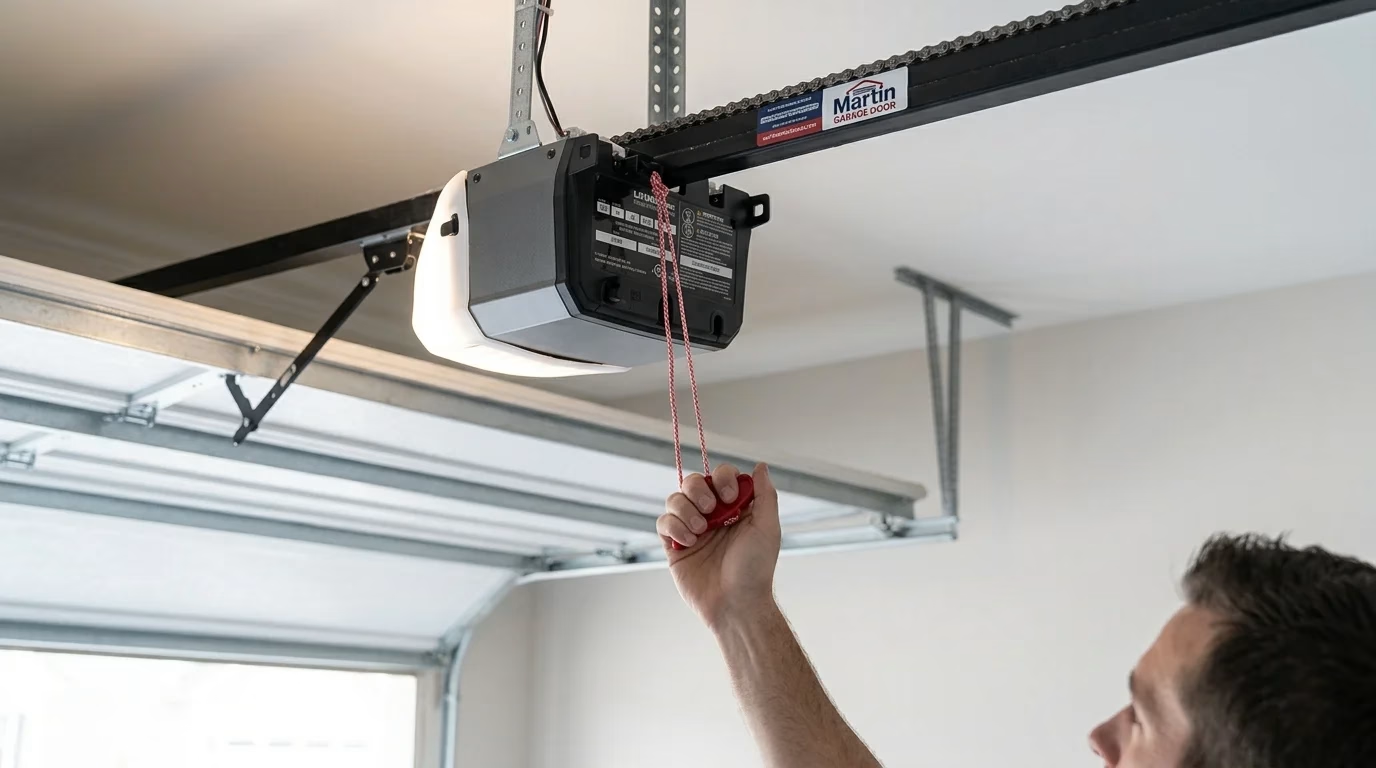
If you have never had to use the manual release on your garage door, that is normal. Most Denver homeowners only reach for that red cord during a power outage, an opener issue, or a moment when the door will not move, and they need a backup plan fast. The problem is that many people try it for the first time under stress, pull the wrong way, or expect the wrong “feel,” then assume something is broken.
This guide explains what the manual release does, what normal operation feels like, and what changes when something is off. It is written from a garage door technician’s perspective, but in plain language that is easy to follow. You will also get safe-use tips and prevention habits that help reduce jams in Denver’s cold, dusty conditions and lower the chance that a small issue turns into a larger garage door repair problem.
Quick Answer
The manual release disconnects the garage door from the opener so you can move the door by hand. In normal use, the cord pulls straight down with steady resistance. You feel a small click as the latch shifts, and the trolley disconnects from the door arm. If it feels locked solid, pulls but nothing changes, or the door suddenly feels heavy and unstable, the issue is usually trolley tension, door balance trouble, or cold-weather stiffness that needs professional evaluation.
If you want the practical, safe troubleshooting path for a jammed release, use Garage Door Manual Release Jammed? Troubleshooting That Actually Helps.
What The Manual Release Actually Controls
The manual release does not “turn off” the springs, and it does not make the door lighter. It only disconnects the opener trolley from the door arm, so the opener motor is no longer pulling or pushing the door.
That is why the release can work, and the door still feels wrong. If the door is heavy, the garage door springs are likely not carrying the weight the way they should. If the door is crooked, the tracks or cables may be loading movement. The release changes the opener connection, but the rest of the door system still determines how the door behaves.
For the deeper cause list behind stuck cords, read What Are the Common Reasons a Garage Door Release Cord Won’t Move
What Normal Should Feel Like In A Real Garage
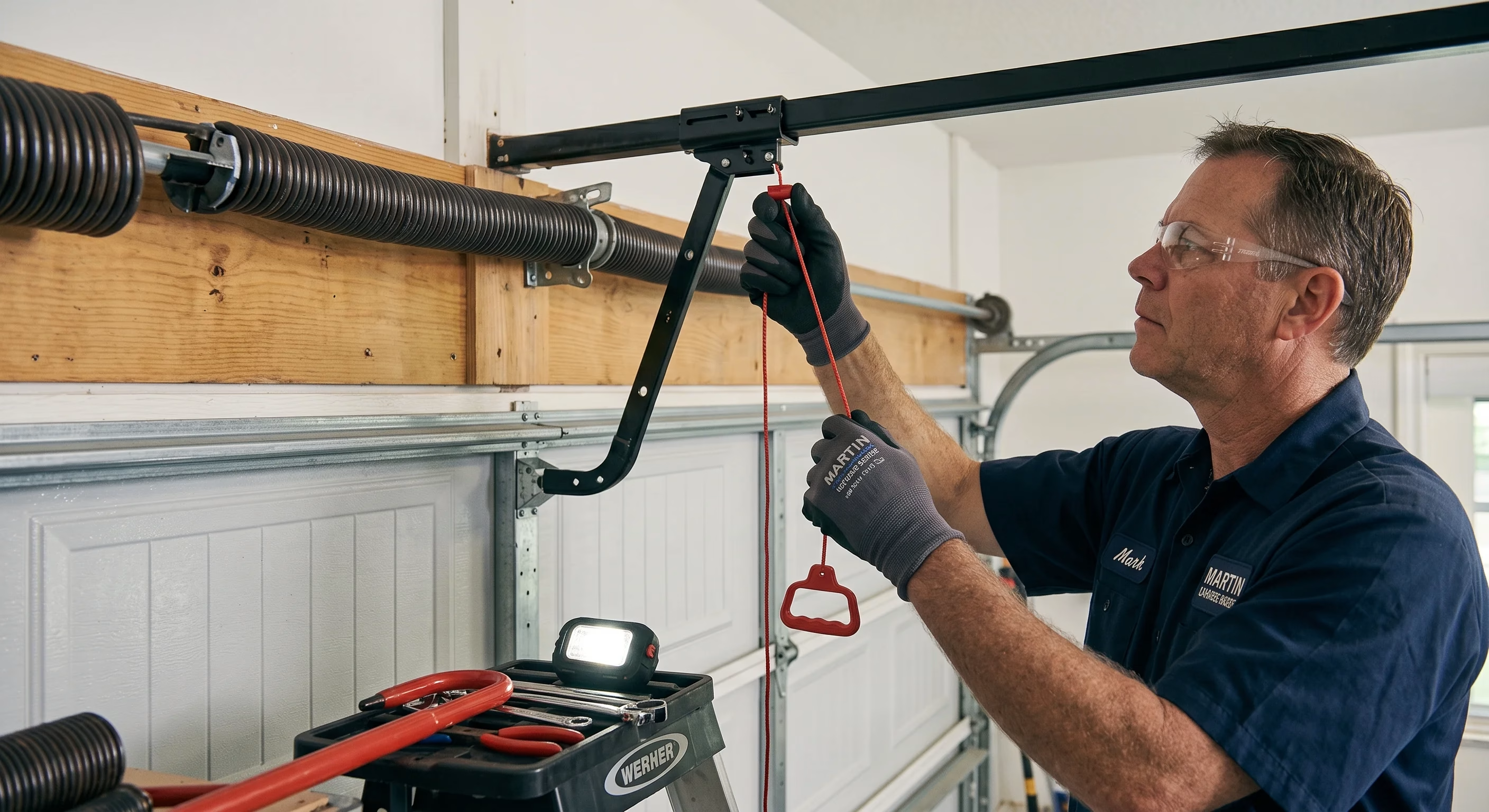
Most homeowners want a simple reference point. The best way to describe normal is “firm and clean,” not “hard and violent.” You should not have to yank with your full strength.
Here are common normal cues:
- The handle is easy to reach and does not hit shelving, vehicles, or stored items
- The cord pulls straight down without snagging
- You feel a short click or shift as the latch changes position
- The door arm connection no longer feels locked to the trolley
If you never get that click, or the cord feels stuck like it is glued in place, that is a sign that something is loading the latch or restricting movement.
If the release cord resists normal pressure or the door behaves unpredictably, read When to Stop Using a Jammed Manual Release and Call a Professional to learn when professional service is the safer choice.
Why Denver Weather Changes The Feel
Denver conditions can make a normal manual release feel abnormal, even when nothing is broken.
- Cold Air Thickens Lubrication: Lubrication that feels smooth in early fall can feel noticeably stiffer during a January cold snap.
- Metal Clearances Tighten: Cold temperatures can tighten small clearances between metal parts, which makes the latch feel less willing to shift.
- Wind-Driven Dust Adds Friction: Grit can settle inside garages and around the opener rail, then mix with older lubrication over time.
- Buildup Becomes Sticky: That dust-and-lube mix can create a sticky film that slows moving parts and changes how the release feels.
- Seasonal Stiffness Can Be A Pattern: If the release used to feel fine and now feels stubborn every winter, friction is likely increasing year over year.
Why Door Position Matters More Than Most Homeowners Think
A manual release is easiest to disengage when the door is fully closed because the system is under the least load.
- Partially Open Doors Hold Tension: When the door is not fully closed, weight distribution can load the trolley and make the latch reluctant to move.
- Power Flickers Create Mid-Travel Stops: Storm-related outages can stop the opener mid-cycle, shifting door weight and leaving the trolley under tension.
- Loaded Trolleys Feel Tight or Inconsistent: In that state, the release can feel tight, stuck, or unpredictable, even if the latch is not broken.
- Forcing It Can Create A Bigger Problem: When the door is not fully closed, and the release feels tight, stop forcing it to avoid partial disengagement or latch damage under load.
Chamberlain also notes that manual operation is safest when the door is in a stable position, and their guide on manually opening or closing a garage door explains the disconnect in a straightforward way.
What It Means When The Cord Pulls But Nothing Changes
This is a common confusion point. Homeowners pull the cord, expect an obvious change, and think it failed because the door still feels connected.
Usually, that happens when:
- The latch shifted only partway
- The trolley is loaded and not letting the latch finish the movement
- The cord is pulling at a bad angle because of routing or interference
- The mechanism is worn and slipping instead of locking into position
If the cord pulls and you never get a clear click or change, avoid repeated testing. That is how small wear turns into a failed latch.
What It Means When The Door Feels Heavy After Release
This is one of the most important technician clues.
If you disconnect the opener and the door feels very heavy or wants to drop quickly, the spring balance is likely off. Springs should carry most of the door’s weight. The opener can hide this problem by doing extra work, so the first time you feel the true weight is often right after a manual release.
A properly balanced door should feel controlled and manageable. It should not feel like a dead lift. It should not slam down. A heavy door is a safety concern because it increases the risk of sudden movement and hardware strain.
Spring service should always be handled by trained professionals due to high tension.
Safe Ways To Use The Manual Release Without Creating Damage
This is not a repair lesson. It is a safe-use checklist.
- Pull straight down, not sideways
- Use steady pressure, not repeated yanks
- Keep your body and hands away from hinges and rollers
- Avoid testing it when the door looks crooked or unstable
- Turn off the opener power first when possible
A technician guideline that helps: if it feels like you have to fight it, stop. Manual releases are built for controlled movement, not force.
For a broader safety overview on garage door risks around cables, springs, and safe operation, DASMA’s garage door safety tips are a helpful reference.
Common Garage Setups That Make The Release Harder To Use
Sometimes the release is fine, but the garage setup encourages bad pulling angles.
Common problems include:
- shelving that blocks a straight pull
- storage bins close to the opener rail
- a handle that swings into a vehicle mirror
- a cord that is too long and catches on items
These setup issues lead to sideways pulling, which can wedge the latch and create a jam. A quick adjustment in how the handle hangs can make emergency use safer.
Prevention Tips That Actually Help In Denver
Most problems come down to friction, tension, and neglected maintenance.
- Keep the rail and trolley area free of heavy grime buildup
- Watch for early signs like shaking, scraping, or louder operation
- Schedule a system inspection before winter
- Confirm that the emergency release is tested during garage door maintenance
- Keep the garage interior as dry as possible during freeze-thaw weather
These habits reduce the odds of the cord sticking the next time you truly need it.
Final Takeaway And Next Step
The manual release is designed to give you a safe way to disconnect the opener and move the door by hand, but it only works smoothly when the door system is balanced, and the trolley is not under load. In Denver, cold-weather stiffness and wind-driven grit can change how it feels, which is why understanding “normal” matters. When the cord feels locked, pulls without a click, or the door feels heavy after release, treat it as a system warning instead of a cord problem.
Martin Garage Door can inspect the trolley and rail area, confirm door balance, and make sure the emergency release disengages and re-engages safely, which is especially important in Denver winters when this issue shows up most. A professional inspection can also identify early spring or cable strain that homeowners do not notice until the door becomes noisy or unpredictable. Contact us or give us a call today to schedule service and get your garage door operating safely again.