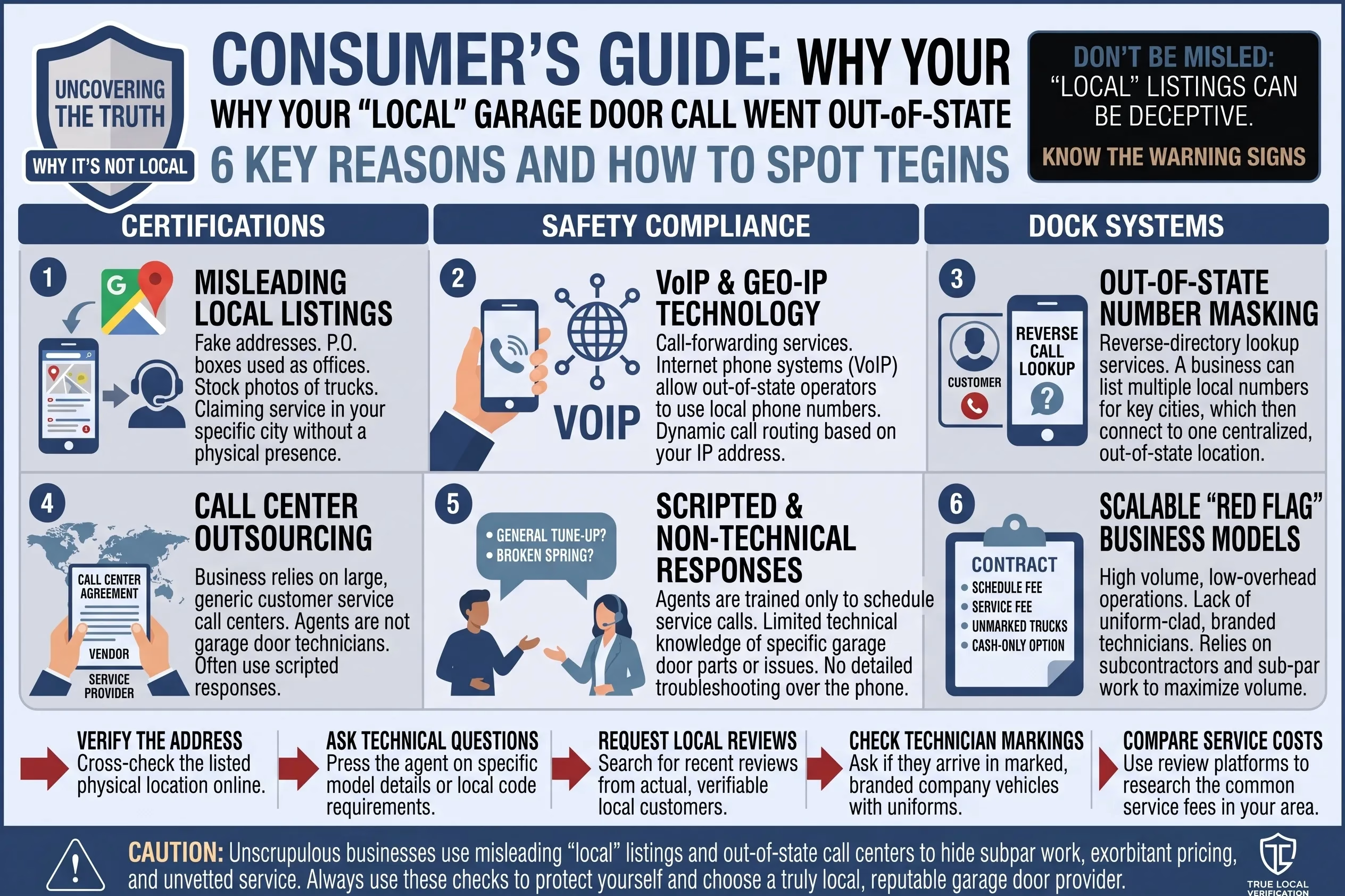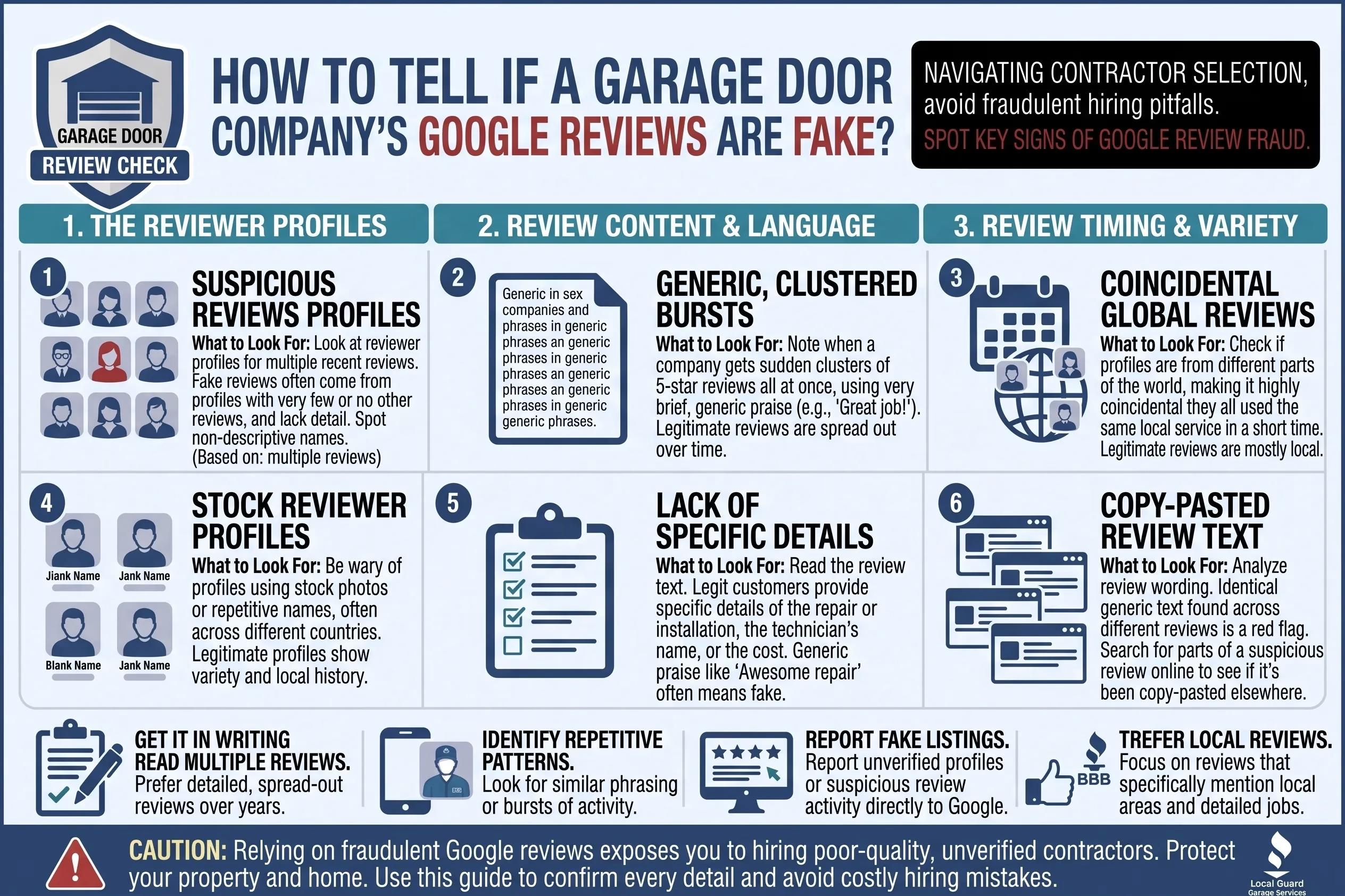

When a garage door release cord will not move, it can feel like the cord “locked up.” In reality, the cord is usually doing its job, but something in the opener trolley or door system is holding tension in the wrong place. As a technician, I see this a lot in Denver, CO, especially after cold snaps, wind-driven dust, and mid-cycle stops during storms or power flickers.
This page focuses on the “why” behind a stuck or unresponsive release cord. You will learn the most common causes, what each cause tends to feel like, and a few safe checks that help you avoid making the problem worse and reduce the chance of a larger garage door repair problem developing.
Quick Answer
A garage door release cord usually won’t move because the opener trolley is under tension, the door is slightly out of alignment, the mechanism is stiff from cold weather, or debris and old lubrication are restricting the latch. In Denver, ice, thickened lubrication, and grit buildup are frequent contributors. If the cord feels “stuck solid,” avoid yanking it and check for obvious warning signs like a crooked door, scraping, or uneven cables before deciding on next steps.
If you are trying to get the door safely disengaged right now, read Garage Door Manual Release Jammed? Troubleshooting That Actually Helps.
Why The Release Cord Can Feel “Stuck” Even When It Isn’t Broken
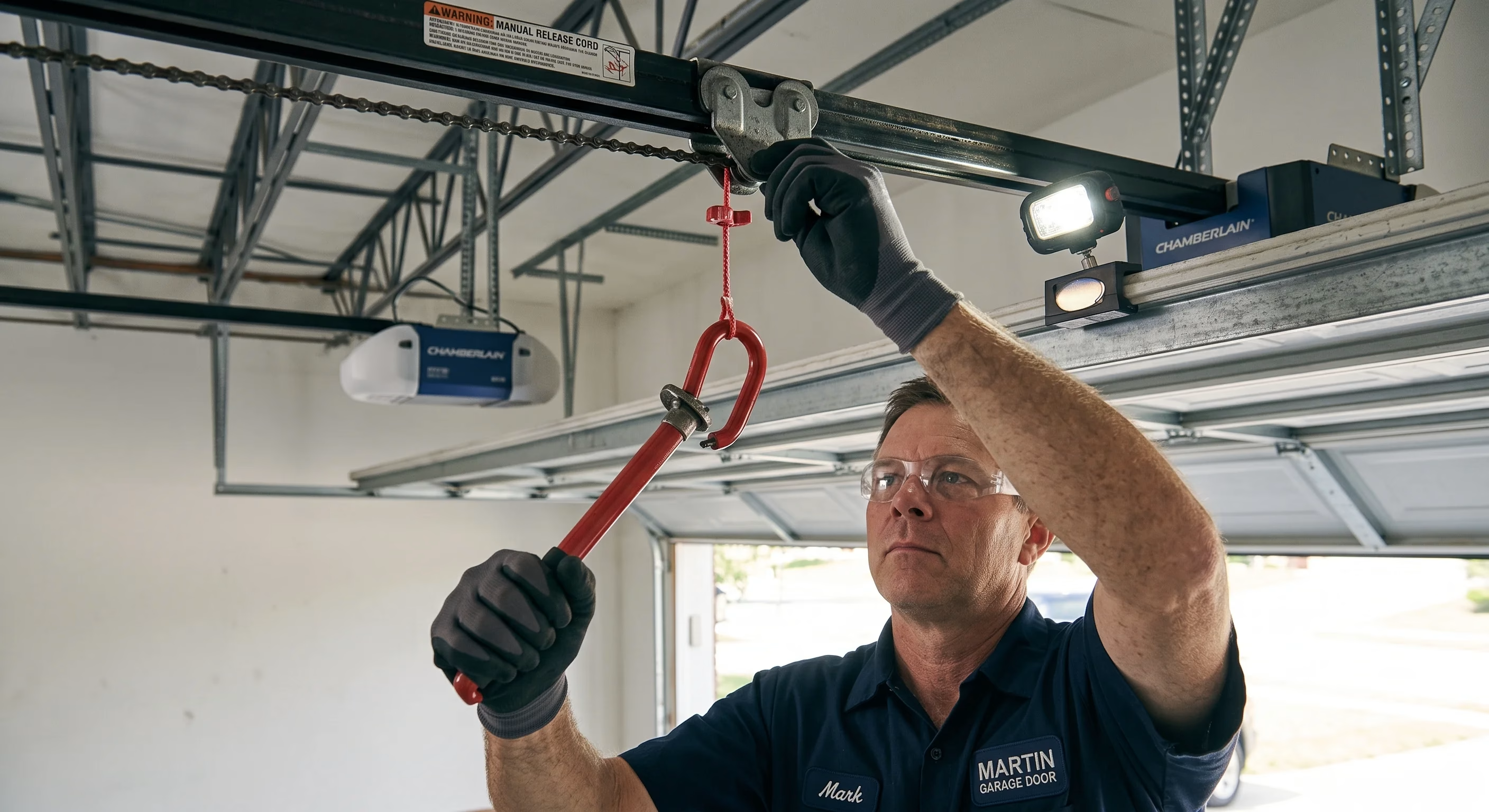
The release cord is connected to a latch inside the opener trolley. That latch is meant to shift positions so the trolley disconnects from the door arm. If the trolley is loaded, twisted, or jammed by debris, the latch may not move freely. The cord feels like the problem, but the real issue is usually the mechanical state of the trolley or door.
If you are not sure what normal operation should feel like, it helps to understand how it is supposed to move, so read What the Manual Release Does and How It Should Feel.
Trolley Tension Is The Most Common Cause
This is the top reason the cord won’t move, and it happens in a very predictable way.
The trolley holds tension when:
- The opener stops mid-travel
- The door reverses after hitting resistance
- The door is unbalanced, and the opener is “fighting” the weight
- The rail or trolley is slightly misaligned
What it feels like: The cord moves a little, then stops hard, or it feels like it is “spring-loaded” and refuses to complete the release motion. In many homes, the latch is fine. It is simply trying to release while loaded.
Why it matters: Yanking the cord can bend the release lever or damage the trolley’s internal connection point.
Cold Weather Stiffness And Freezing Moisture In Denver Garages
Denver weather creates a short list of repeat problems that show up every winter.
Common cold-weather triggers include:
- Moisture freezing around small moving parts
- Lubrication thickening inside the trolley area
- Metal contraction is making tight clearances tighter
What it feels like: The cord does not feel “blocked” by an object. It feels stiff, sluggish, or like it is moving through thick resistance. Homeowners often describe it as “it used to pull easily, now it barely moves.”
Why it matters: Forcing stiff parts in freezing conditions can snap plastic pieces inside some trolley designs or deform the release lever.
If moisture and drafts are part of the pattern, the U.S. Department of Energy explains practical ways to reduce air leaks with weatherstripping.
Dirt And Grit Buildup Inside The Rail Or Trolley Area
Front Range winds can push fine dust into garages, and that dust tends to settle into the opener rail. Over time, dust mixes with old lubrication and becomes sticky buildup. That buildup can slow the trolley, interfere with the latch movement, and make the release feel stuck.
What it feels like: The cord may pull, but it does not produce a clean click. You may also notice the opener has been sounding rougher lately, even before the release cord stopped cooperating.
Why it matters: A gritty rail can wear the trolley faster and increase operator strain.
For a quick manufacturer reference on what the emergency release is meant to do when the opener is not operating normally, see Chamberlain’s guide on manually opening or closing a garage door.
The Door Is Slightly Crooked Or Binding In The Tracks
A release cord can refuse to move when the door is not traveling straight. Even a small alignment issue can load the opener arm and trolley connection. In Denver, track binding can show up after temperature swings or minor impacts inside the garage.
Common contributors:
- A roller that is not tracking smoothly
- A track that has shifted slightly
- Hardware that loosens over time
- An obstacle that caused a skew
What it feels like: The cord may feel stuck, and the door may have looked slightly uneven the last time it moved. You might also see one side sitting higher than the other when closed.
Why it matters: Alignment issues can escalate into cable tension problems if the door keeps running while crooked.
A Manual Door Lock Is Engaged
This one surprises homeowners because it is easy to miss.
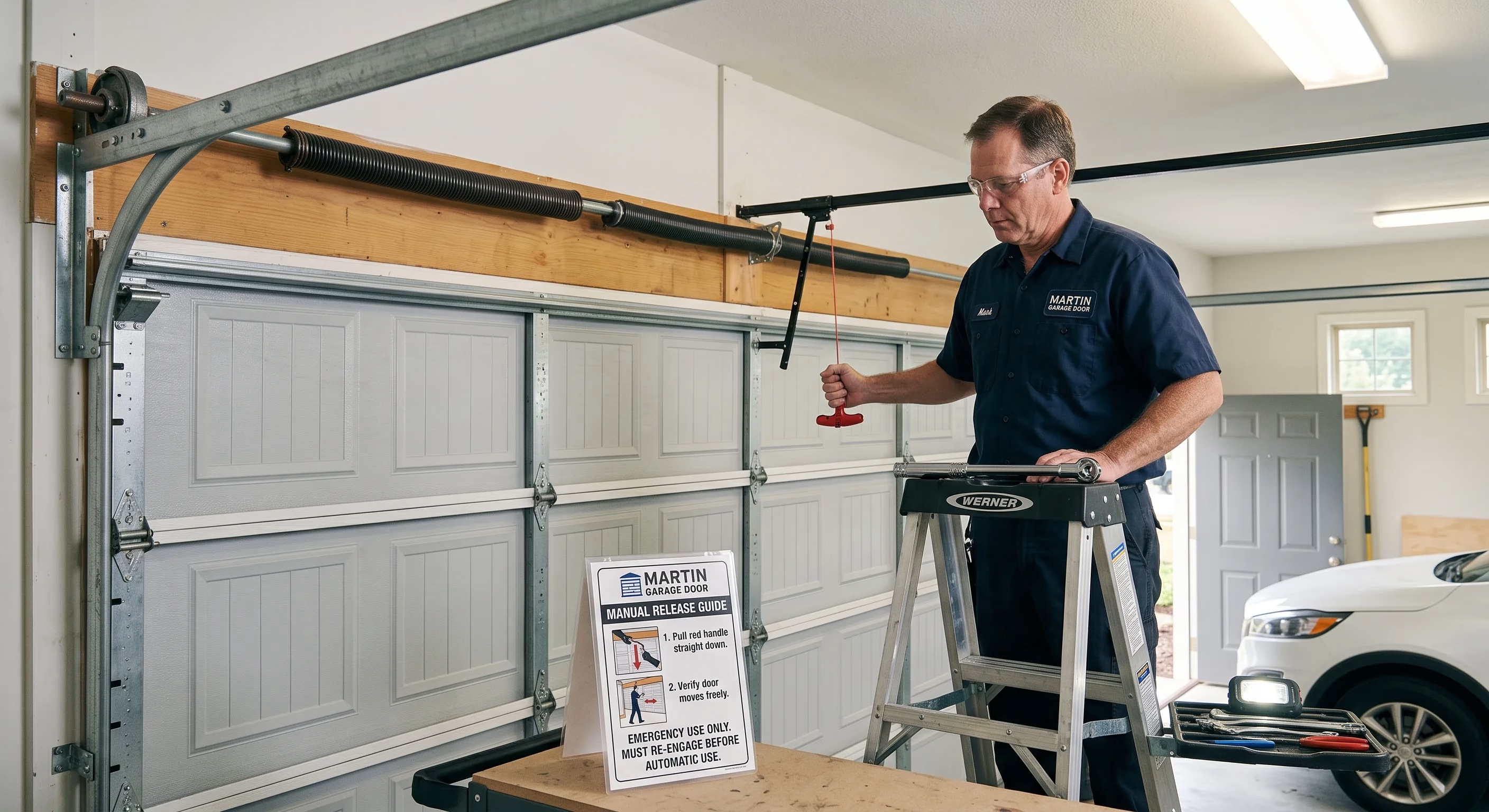
Some garage doors have a manual slide lock on the inside. If it is engaged, the opener can pull against a locked door. That can create tension at the trolley and make the release cord harder to pull.
What it feels like: The opener may have struggled recently, stopped abruptly, or failed to lift the door at all. The release cord can feel unusually tight because the opener is effectively “loaded” against a locked door.
Safe check: Look for a slide lock bar on the inside of the door, usually near the center.
The Release Mechanism Is Partially Engaged From A Prior Disconnect
Sometimes the cord “won’t move” because the latch is not in a clean starting position. This can happen after a prior manual release where the trolley did not re-seat correctly, or after the door was moved by hand and the latch did not align well with the carriage.
What it feels like: The release cord might move in a weird way, or it may feel slack but does not actually change the trolley connection. Some homeowners describe this as “the cord pulls, but nothing happens.”
Why it matters: Partial engagement can cause rough opener operation and repeated strain, even if the door still moves.
The Cord Itself Is Damaged, Tangled, Or Pulling At The Wrong Angle
Not every issue is internal. Sometimes the cord is frayed, knotted, wrapped, or routed in a way that changes the pull direction.
Common issues:
- Frayed cord catching on hardware
- A knot that shortens the cord and changes leverage
- The handle hits an object during the pull
- pulling sideways instead of straight down
What it feels like: Inconsistent resistance or a “rubber band” effect, where the cord stretches and slips.
Why it matters: Angle pulling can wedge the latch rather than moving it.
Worn Or Sticking Trolley Parts
Over time, the trolley’s moving pieces can wear. In cold weather, older parts can also stick more easily. This tends to show up more on systems that have not had regular garage door maintenance or that have been running with a heavy, unbalanced door.
What it feels like: The cord feels like it should work, but the click is faint or absent, and the trolley seems reluctant to shift positions.
Why it matters: A worn trolley can fail at the worst time, like during a power outage when you truly need the manual release.
The Opener Rail Or Header Mounting Is Slightly Out Of Position
This is less common, but when it happens, it can create consistent binding.
If the rail or mounting point shifts:
- The trolley may travel slightly off-axis
- The latch alignment may change
- The release lever may rub or catch
What it feels like: The opener may have been louder recently, and the release cord issue can show up along with rough travel.
Why it matters: Misalignment tends to accelerate wear on multiple parts, not just the release.
A Door Balance Issue Is Creating Constant Strain
A release cord problem is sometimes the first obvious symptom of a deeper balance issue. Garage door springs should carry most of the door’s weight. When they are worn, the opener works harder, and the trolley connection stays loaded.
What it feels like: The door may have been slower to open, more hesitant, or louder before the release cord stopped moving normally.
Why it matters: If the door is heavy or unstable, the safest choice is to stop and get it inspected rather than attempting more pulls.
If you are seeing red flags like heavy lift feel, grinding, scraping, or crooked travel, read When to Stop Using a Jammed Manual Release and Call a Professional.
Final Takeaway And Next Step
A release cord that won’t move is rarely just a cord issue. In many Denver garages, it points to trolley tension after a mid-cycle stop, cold-weather stiffness, grit buildup in the rail, or a door that is slightly out of alignment and loading the opener connection. When you treat it as a system clue instead of a cord problem, you avoid the mistakes that bend parts, strip the latch, or create bigger opener strain.
Martin Garage Door can inspect the opener trolley, check door balance, and confirm the emergency release is operating safely, and we can also identify whether cold-weather stiffness, rail buildup, or alignment strain is the real trigger behind the jam. That kind of inspection protects your opener from repeated strain and helps ensure the release works the next time you truly need it. Contact us or give us a call today to schedule service and get your garage door working smoothly again.