If you have ever watched a garage door glide straight up and disappear into the ceiling, you have already seen a sectional garage door in action. It is the most common type installed in homes across the country, and for good reason. These doors are practical, dependable, and built to handle years of daily use. But if you have never shopped for one, had to replace an old door, or dealt with a garage door repair that left you wondering whether it was worth repairing or simply time to start fresh, the options can feel overwhelming fast.
How a Sectional Garage Door Actually Works
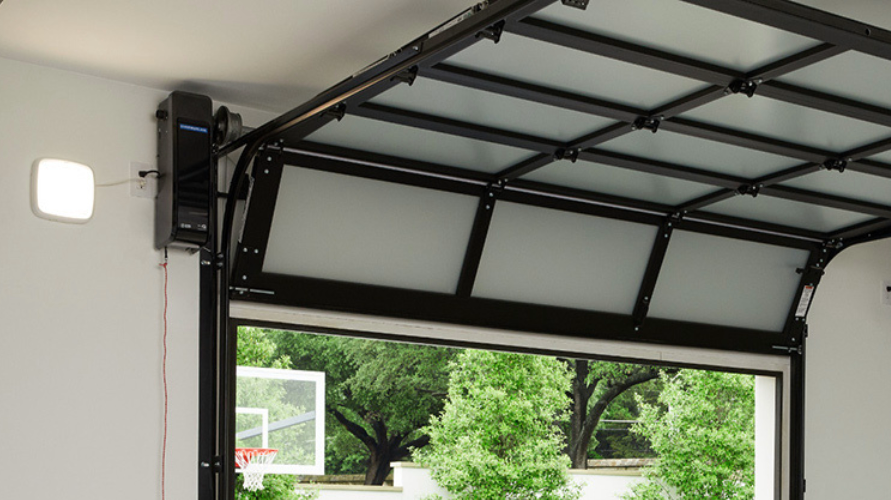
A sectional garage door is made up of several horizontal panels connected by hinges. When you open the door, those panels bend at the joints and ride along a curved track, moving from a vertical position at the opening to a horizontal position above your car.
Here is how the main operating parts work together:
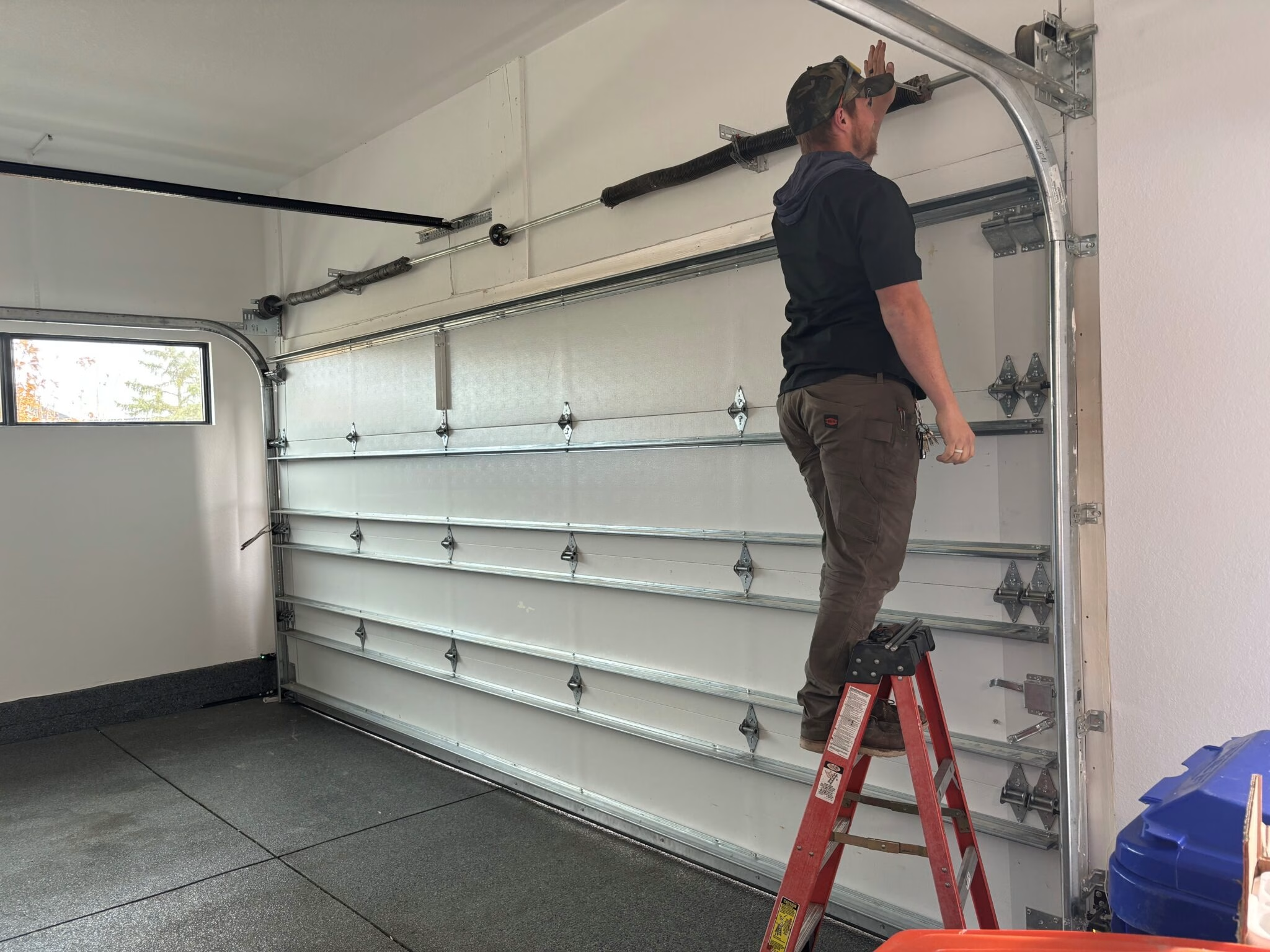
- Torsion springs are mounted above the door and wind up as the door closes. They are the more common choice today because they last longer and are generally considered safer.
- Extension springs run along the sides of the track and stretch when the door goes down. Both types counterbalance the door’s weight, so the garage door opener does not carry the full load.
- The track system guides the rollers on each side from the vertical opening position to the horizontal overhead position.
- The automatic opener handles daily operation for most homeowners, but the door can also be lifted manually if the power goes out.
A properly balanced door should feel smooth and light when lifted by hand to about the halfway point. If it drops or shoots upward, the springs likely need attention from a professional.
If you want to understand how a sectional garage door fits into your long-term home budget, read Why Sectional Garage Doors Are a Smart Home Investment for a closer look at what makes these doors worth the cost.
What a Sectional Garage Door Is Made Of
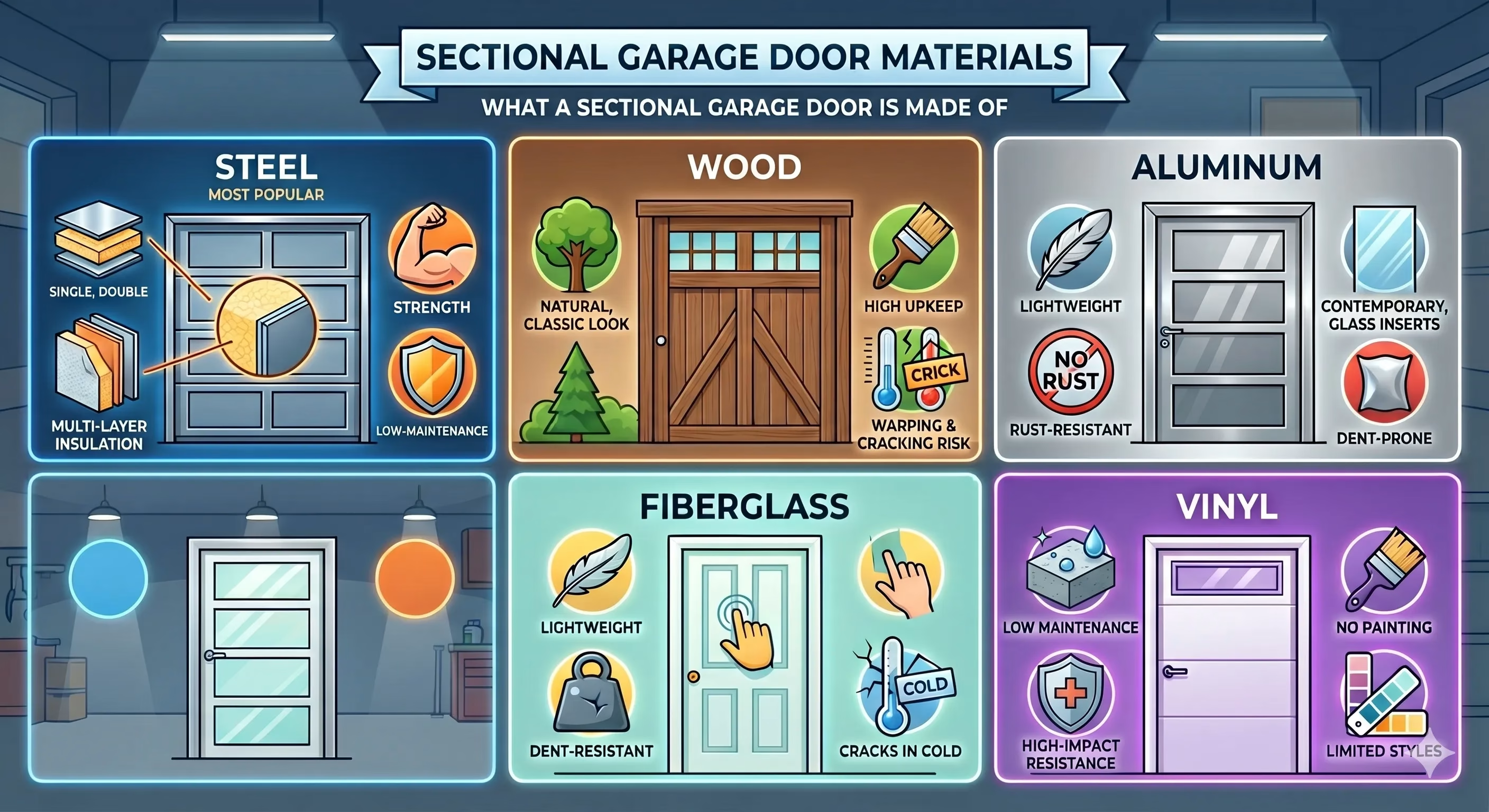
The material your door is made from affects how it looks, how well it insulates, how long it lasts, and how much upkeep it needs. Here are the most common options:
- Steel is the most popular choice. It is strong, low-maintenance, and available in single, double, or triple-layer construction. Triple-layer steel doors include an insulation core and an inner steel backer, making them more energy-efficient and quieter.
- Wood offers a natural, classic look that works well on traditional or craftsman-style homes. The trade-off is that wood requires more upkeep and can warp, crack, or rot in climates with big temperature swings.
- Aluminum is lightweight and resistant to rust, often used in contemporary designs with glass panel inserts. It dents more easily than steel and does not insulate as well.
- Fiberglass is lightweight and resists dents, though it can crack in cold weather.
- Vinyl is very durable, does not rust or rot, and needs no painting. Style options are more limited compared to steel or wood, but upkeep is minimal.
The Role of Insulation in Sectional Garage Doors
Insulation affects noise levels, energy costs, and how comfortable the rooms connected to your garage stay throughout the year. If your garage shares a wall with a bedroom, kitchen, or living space, an insulated door makes a noticeable difference.
Here is what to know:
- R-value measures insulating performance. The higher the number, the better.
- A single-layer steel door typically has an R-value between 0 and 2, while a quality triple-layer door can reach R-16 or higher.
- Polyurethane foam insulation is the better option. It is injected directly into the panels, bonds with the steel, and adds structural strength alongside better thermal performance.
- Polystyrene insulation comes in cut blocks placed inside the panels. It is still effective but not as efficient or structurally reinforcing as polyurethane.
- For homeowners in Denver, CO, where winters are cold and summers bring dry heat, a higher R-value door helps keep energy costs more manageable year-round.
Common Panel Styles and Window Options
Sectional garage doors come in a wide range of visual styles. Here are the main panel designs available:
- Raised panel is the most traditional look. Rectangular sections are slightly raised from the surface, giving the door a classic, symmetrical appearance that works on most home styles.
- A recessed panel is similar to raised panel but the center of each section sits below the frame, creating a more detailed and dimensional look.
- The flush panel is smooth and flat, which works well with modern or contemporary homes.
- Carriage house style is designed to look like old swing-out barn doors, often featuring decorative hardware and windows. Popular on craftsman, colonial, and farmhouse-style homes.
When it comes to windows:
- They are typically placed along the top row of panels.
- You can choose from clear glass, frosted glass, or decorative textured options.
- Frosted or textured glass lets in light without visibility from the outside, which is a practical balance of brightness and privacy.
- Windows add natural light but slightly reduce the insulation value of that panel row.
Key Parts of a Sectional Garage Door System
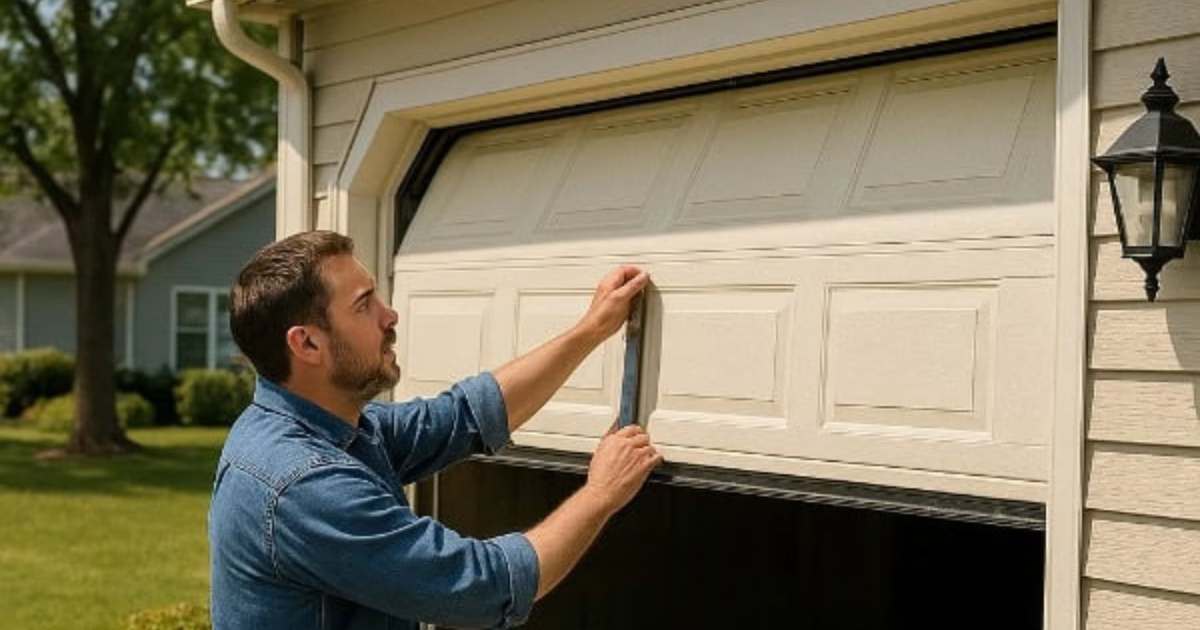
Knowing the main components helps you spot small problems before they grow and have more informed conversations with a technician. Here is what makes up a complete system:
- Panels form the visible face of the door. A single damaged panel can sometimes be replaced without swapping out the entire door.
- Hinges connect the panels and allow the door to flex as it moves along the track.
- Rollers are small wheels inside the track that guide the door open and closed. Worn rollers are one of the most common causes of noisy operation.
- The track is the metal rail on each side that the rollers follow. Tracks must be properly aligned for smooth, safe operation.
- Springs do the heavy lifting. A broken spring is one of the most common reasons a garage door suddenly stops working.
- Cables work alongside the springs to lift and lower the door safely. Frayed or snapped cables should always be handled by a trained technician.
- Bottom seal is a rubber strip along the base of the door that keeps out cold air, moisture, pests, and debris.
- Top and side seals are additional weatherstripping along the door frame that completes the thermal barrier.
If you want smoother operation year-round, How to Maintain Your Sectional Garage Door Like a Pro gives you practical maintenance steps to follow.
Signs Your Sectional Garage Door Needs Attention
A well-maintained sectional door can last 15 to 30 years, but certain warning signs should prompt a closer look. Catching problems early means a simpler repair and less expense. Watch for these:
- The door moves unevenly or jerks at any point during operation
- You hear grinding, scraping, or loud banging sounds
- The door does not fully close or seal against the floor
- Panels are visibly dented, cracked, or warped
- The opener runs, but the door does not move
- Springs appear stretched, corroded, or show a visible break
- The door reverses on its own before fully closing
- The door feels noticeably heavier than usual when lifted by hand
- There is visible wear, fraying, or slack in the cables
Some of these are minor adjustments. Others, like broken springs or damaged cables, involve components under extreme tension and should only be handled by a professional.
If these warning signs are showing up regularly, it may be time to think beyond repair. When Should You Replace Your Sectional Garage Door? walks you through the decision so you can weigh your options clearly.
Common operational issues such as uneven movement, unusual noise, or failure to open and close properly are widely recognized indicators of mechanical wear and system misalignment.
Preventive Maintenance Tips for Sectional Garage Doors
Consistent, simple attention goes a long way toward avoiding costly surprises. Staying on a regular garage door maintenance schedule is the single most effective thing a Denver homeowner can do to extend the life of their door and avoid unexpected repair costs. Here is what to do and when:
- Every month: Test the auto-reverse safety feature by placing a flat board in the door’s path and closing it. The door should reverse immediately on contact. If it does not, call a professional.
- Every six months: Apply a garage door lubricant to the rollers, hinges, and springs. Do not use WD-40, which is a cleaner and attracts dirt over time.
- Every six months: Check the bottom seal for cracks, gaps, or compression loss. A damaged seal lets in cold air, moisture, and insects.
- Every six months: Check the cables and springs for visible fraying, rust, or irregular tension. If something looks off, have a technician take a look.
- Once a year: Keep the tracks clear of debris and confirm they are properly aligned. A track that is even slightly bent can cause the rollers to bind during operation.
- Once or twice a year: Wipe down steel panels with mild soap and water to prevent rust and grime buildup.
Regular maintenance and timely inspection of garage door components are strongly recommended to prevent system failure and extend operational lifespan.
In Denver, CO, temperature swings between seasons put extra stress on springs and seals. Scheduling a professional inspection each fall before the cold arrives is a smart habit that saves money and prevents inconvenient breakdowns.
What to Check Before Buying a Sectional Garage Door
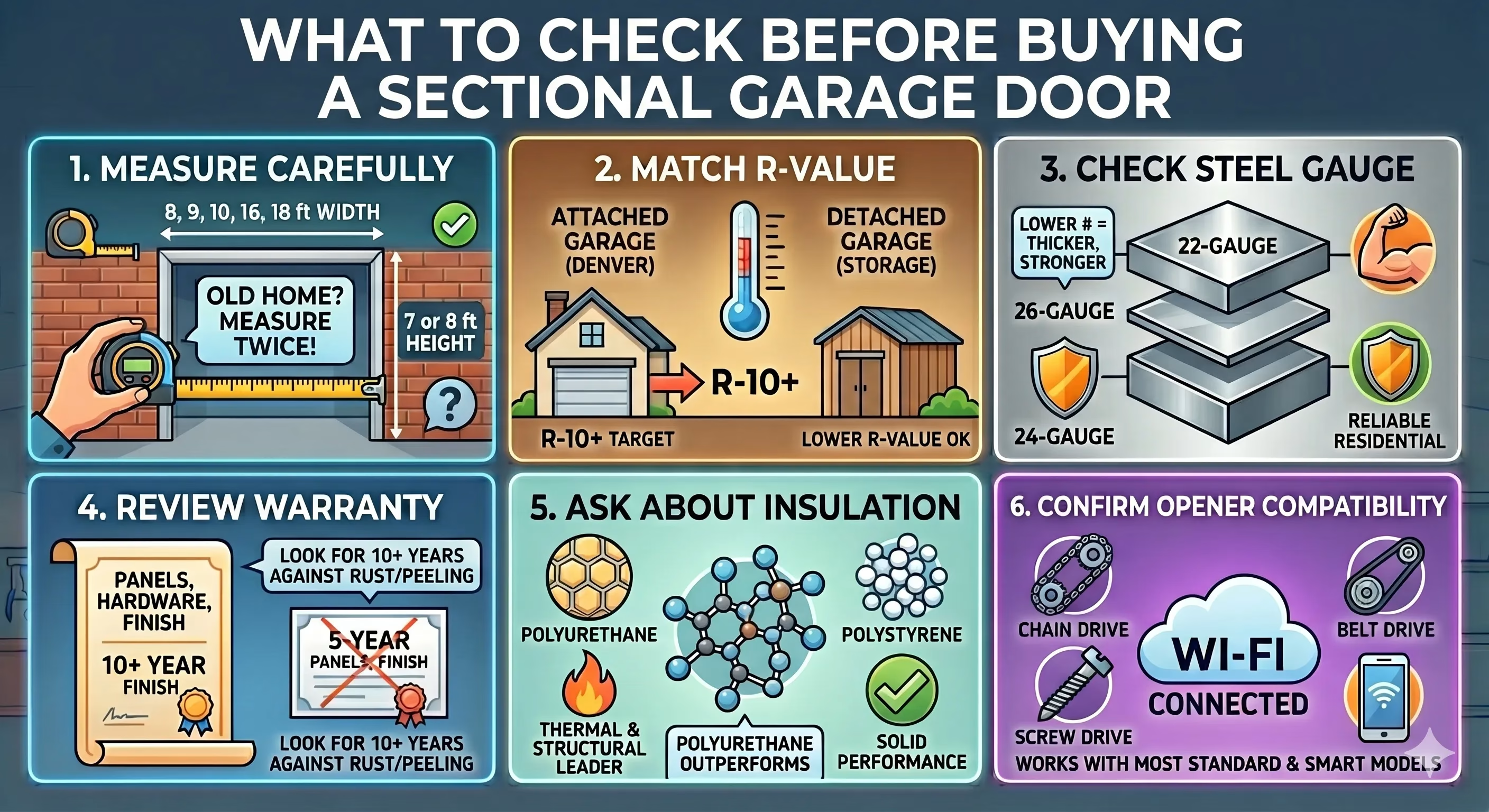
Shopping for a new door goes more smoothly when you know what actually matters. Here is what to focus on:
- Measure your opening carefully. Standard widths are 8, 9, 10, 16, or 18 feet with heights of 7 or 8 feet. Non-standard openings are common in older homes, so always measure before assuming a standard size will fit.
- Match the R-value to your situation. For an attached garage in Denver, R-10 or higher is a solid target. A detached garage used only for vehicle storage may not need the same level of insulation.
- Check the steel gauge. Lower numbers mean thicker, stronger steel. A 24-gauge door is a reliable standard residential choice.
- Review the warranty. A quality manufacturer will cover panels, hardware, and finish. Finishes warranted for 10 or more years against rust and peeling are a sign of overall build quality.
- Ask about the insulation type. Polyurethane outperforms polystyrene in both thermal performance and structural strength.
- Confirm compatibility with your opener. Most sectional doors work with standard chain, belt, and screw drive openers as well as smart Wi-Fi-connected models.
The Right Sectional Garage Door Makes Every Day Easier
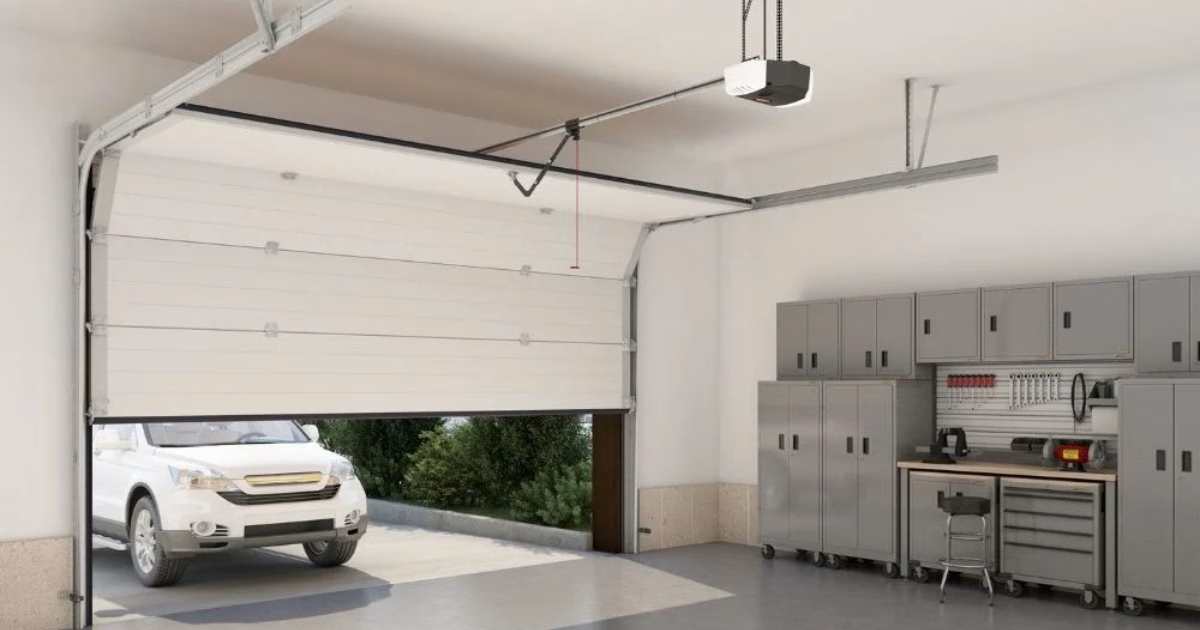
Choosing the right door from the start, understanding how it works, and keeping up with basic maintenance are the best ways to make sure it serves you well for years to come. Whether you are replacing a worn-out door, building a new home, or simply trying to understand what you already have, knowing the basics puts you in a much stronger position to make smart decisions.
When it is time to move forward, working with a knowledgeable local team makes the whole process smoother. Martin Garage Door serves homeowners throughout the Denver, CO area with professional installation, repair, and maintenance services. Whether you have questions about which door fits your home or need a technician to take a look at what you already have, contact us or give us a call today to get started.