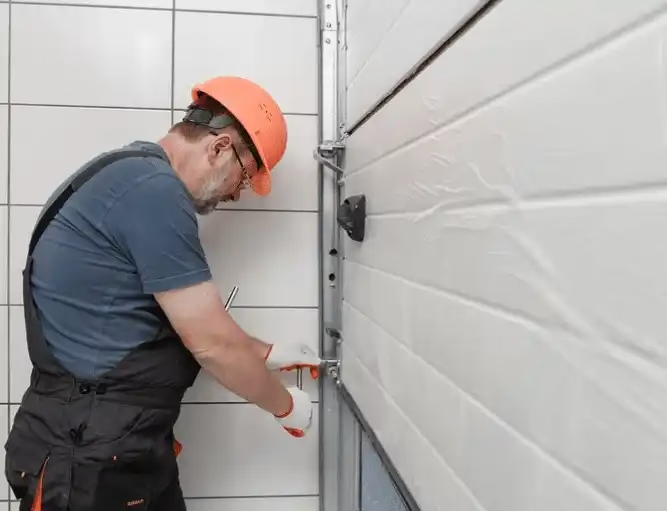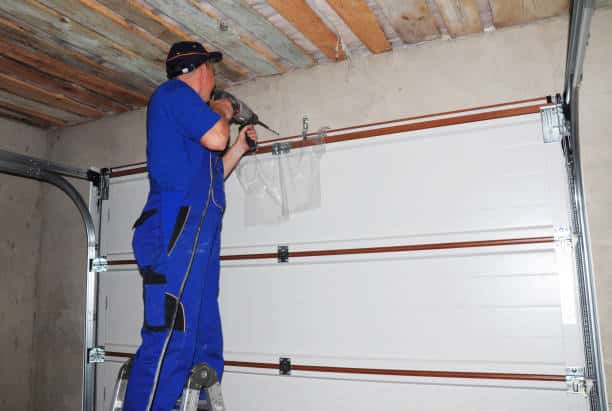

A sectional garage door works hard every single day. Most households open and close it multiple times, in every kind of weather, without giving it much thought. That kind of reliability does not happen by accident. It comes from a door that has been properly installed and consistently maintained. The good news is that keeping a sectional garage door in top shape does not require professional tools or technical expertise. It requires attention, the right products, and a basic understanding of what to check and when. And in many cases, staying on top of routine maintenance is exactly what prevents a small issue from turning into a costly garage door repair down the line.
Understand What You Are Actually Maintaining
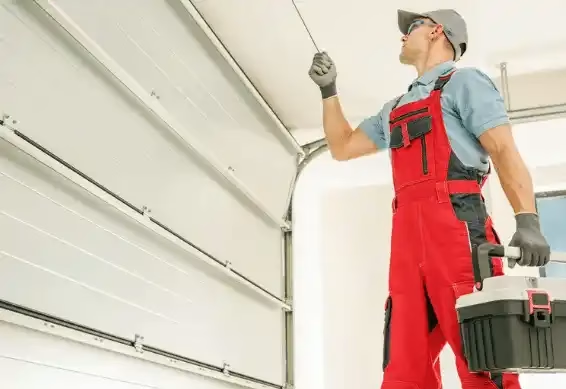
Before starting any maintenance routine, it helps to know which parts of the system need attention and why. A sectional garage door is not a single component. It is an interconnected system where each part affects the others.
Here are the key components that require regular attention:
- Rollers guide the door along the track on both sides. When they wear out, the door becomes noisy, and the track takes on extra stress.
- Hinges connect the individual door panels and allow them to flex as the door moves along the curved track. Stiff or corroded hinges cause jerky movement and put strain on the panels.
- Springs do the heavy lifting. Torsion springs sit above the door, and extension springs run along the sides. Both lose tension gradually over time and will eventually need replacement.
- Cables work alongside the springs to control the door’s movement. Frayed or slack cables are a serious safety concern and should never be ignored.
- Tracks guide the rollers from the vertical opening position to the horizontal overhead position. Even minor bends or debris in the track affect the entire operation.
- Weather seals run along the bottom, top, and sides of the door frame. Cracked or flattened seals stop doing their job quietly, and the damage adds up over time.
- Panels are the visible face of the door. Surface damage like dents or cracks can be cosmetic or structural, depending on severity.
- The opener drives the automated operation. Its sensors, drive mechanism, and safety features all need periodic checks.
Before investing in a new system, read What Is a Sectional Garage Door? It gives you a clear picture of how these doors actually function.
Set Up a Maintenance Schedule That Actually Works
The biggest reason garage doors are neglected is that there is no system in place. Here is a simple schedule organized by frequency:
Monthly:
- Test the auto-reverse safety feature by placing a flat piece of wood in the door’s path and closing it. It should reverse immediately on contact. If it does not, stop using the garage door opener and call a professional.
- Check that the door opens and closes smoothly without jerking, grinding, or pausing at any point during travel.
- Listen for new sounds. Squeaking, scraping, or banging that was not there before is always worth investigating.
- Visually check the cables for any fraying, kinking, or unusual slack.
Every six months:
- Apply garage door lubricant to the rollers, hinges, and springs. Use a product specifically designed for garage doors, not WD-40, which is a solvent and attracts dust and grime over time.
- Check the bottom seal for compression loss, cracking, or gaps. Replace it if it is no longer making consistent contact with the floor.
- Inspect the weatherstripping along the top and sides of the door frame for tears or separation.
- Wipe down the track with a clean dry cloth to remove dust and debris. Do not lubricate the track itself, only the rollers.
Once a year:
- Check the door balance by disconnecting the opener and lifting the door by hand to about waist height. It should stay in place without drifting up or dropping. If it does not, the springs are out of balance and a technician should adjust them.
- Wash the door panels with mild soap and water to remove grime, salt residue, and debris that can cause surface damage over time.
- Schedule a professional inspection to check spring tension, cable condition, and overall system alignment before Denver’s winter season begins.
How to Lubricate Your Sectional Garage Door the Right Way

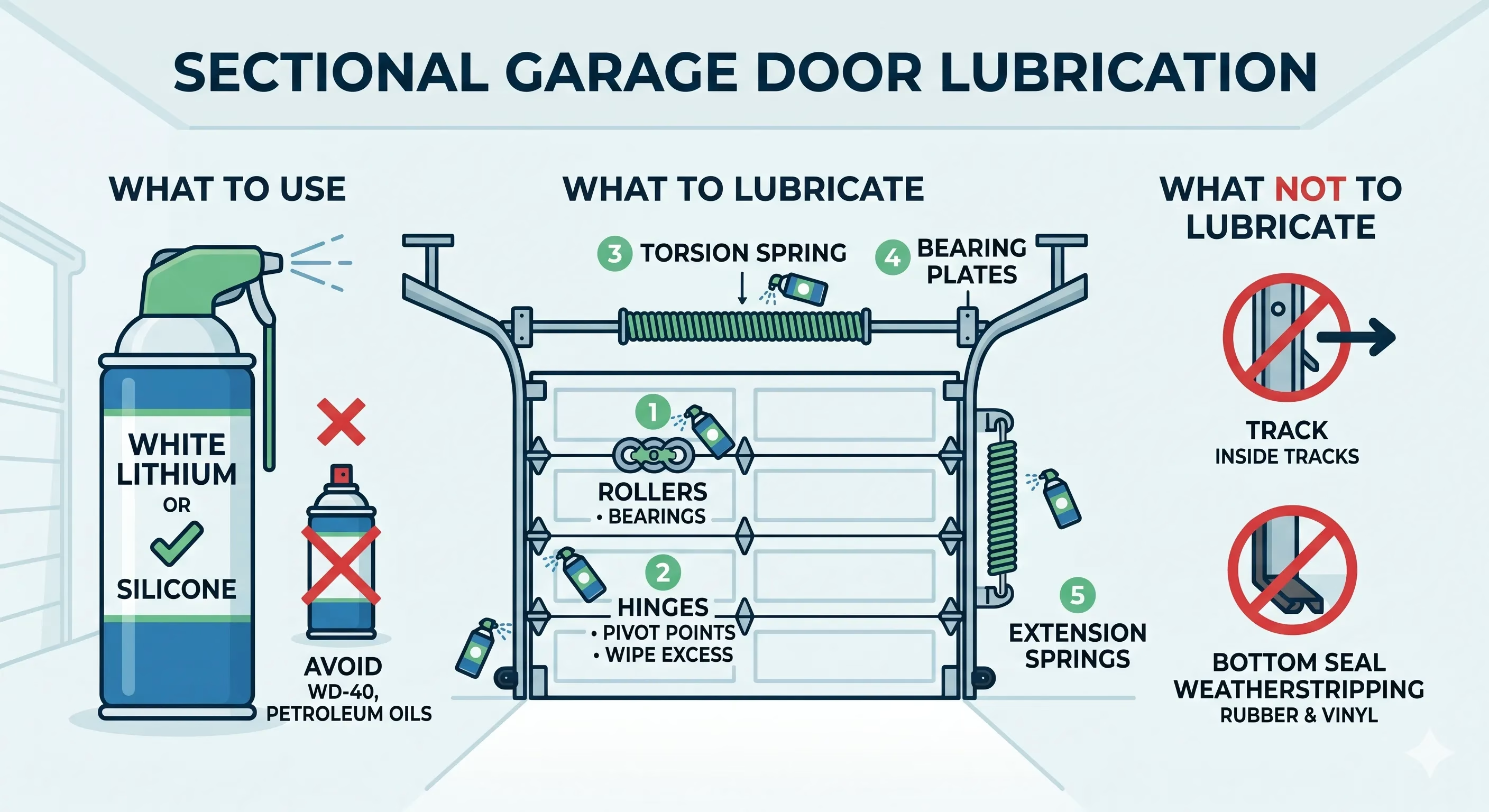
Lubrication is one of the most impactful things you can do for your garage door, and one of the most commonly done incorrectly. Here is what to do and what to avoid:
What to use:
- A white lithium grease spray or a silicone-based lubricant specifically labeled for garage doors is the right choice. These products coat the moving parts without attracting dust the way thicker oils do.
- Avoid WD-40, petroleum-based oils, or general-purpose sprays. They dry out quickly, leave residue, and cause more problems over time.
What to lubricate:
- Rollers: Apply lubricant to the bearing of each roller, not the wheel itself if the rollers are nylon. Metal rollers can be lubricated on the wheel surface as well.
- Hinges: A small amount on the pivot point of each hinge is sufficient. Wipe away any excess.
- Torsion spring: Apply lubricant along the coils above the door to reduce friction and wear without affecting spring tension.
- Bearing plates on either side of the torsion spring bar also benefit from a light coat.
- Extension springs: Apply lubricant along the full length of each spring.
What not to lubricate:
- The track. Lubricating the inside of the track causes rollers to slide rather than roll, which increases wear and can cause the door to bind.
- The bottom seal and weatherstripping. These rubber and vinyl components should be kept clean and dry.
Checking and Maintaining the Weather Seals
Weather seals are one of the most overlooked parts of a garage door system. A good seal keeps out cold air in Denver winters, blocks moisture year-round, and prevents insects and small pests from entering the garage.
Here is what to check and maintain:
- Bottom seal: It should make consistent contact with the floor across the full width of the door when closed. If you see light coming through at the bottom or the material is cracked and hard, it needs to be replaced. Bottom seals are affordable and can be replaced without professional help in most cases.
- Top seal: Check that it is still flexible and making contact with the door when closed. If it is pulling away from the frame or torn, it should be replaced.
- Side seals: These run vertically along each side of the door frame and take more wear than the top seal. Inspect for compression loss, tears, or gaps.
- Panel seals: Some sectional doors include a flexible strip between each horizontal panel that helps reduce noise and improve weather resistance. Check that none are missing or torn.
If you are weighing repair versus replacement, Why Sectional Garage Doors Are a Smart Home Investment shows why many choose to upgrade instead.
How to Inspect and Care for the Tracks
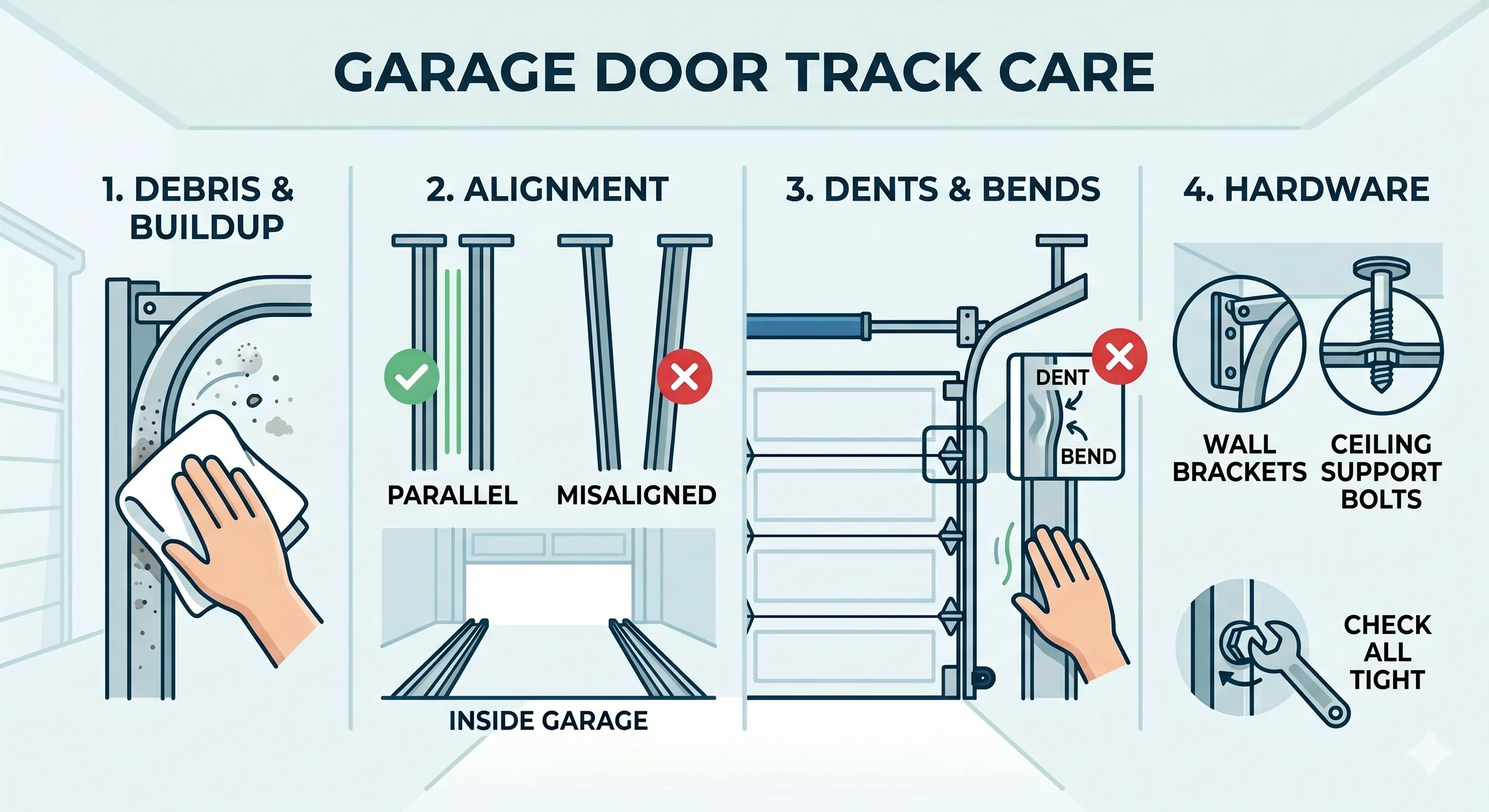
The tracks guide the rollers from the vertical opening to the horizontal overhead position. They need to stay clean, properly aligned, and free of damage.
Here is what to check:
- Debris and buildup: Wipe the inside of each track with a clean dry cloth. Even small amounts of grit or hardened lubricant can cause the rollers to bind or skip.
- Alignment: Stand inside the garage and look at both tracks from the front. They should run perfectly parallel to each other. Small misalignments put uneven stress on the rollers and hinges.
- Dents and bends: Run your hand along each track looking for any raised spots, bends, or flattened sections. Even a minor bend can cause the roller to catch at that point during every cycle.
- Hardware: Check that all bolts and brackets holding the track to the wall are tight. Loose hardware allows the track to shift during operation.
Maintaining the Opener and Safety Features
The garage door opener is the part of the system most homeowners interact with every day, but it rarely gets any direct maintenance attention. Here is what to include in your routine:
- Test the auto-reverse sensor monthly
- Check the photo-eye sensors
- Test the manual release
- Check remote and wall button batteries
- Inspect the drive mechanism
Spring and Cable Safety: What Homeowners Should and Should Not Do
Springs and cables are the most critical safety components in a sectional garage door system, and they are also where homeowner involvement has the clearest limits.
What homeowners can do:
- Visually check the springs each month for gaps in the coils, rust, or corrosion. A torsion spring with a visible gap or break means the door should not be operated. Disconnect the opener and call a professional immediately.
- Check the cables for fraying, kinking, or areas where the cable appears to have unwound from the drum.
- Test the door balance twice a year using the manual lift method. A door that will not stay in place at mid-height needs spring adjustment by a technician.
What homeowners should not attempt:
- Do not adjust, unwind, or replace torsion springs yourself. These springs are under extreme tension and can cause serious injury without the proper tools and training.
- Do not attempt to reattach or replace cables. The tension involved makes this genuinely dangerous for anyone without professional equipment.
- Do not try to force a door open after a spring failure. The door is extremely heavy without spring support and can fall unexpectedly.
Seasonal Maintenance Tips for Denver Homeowners
Denver’s climate creates specific maintenance challenges that homeowners in more moderate climates do not face. Here is how to prepare your door for each season:
Before winter:
- Replace the bottom seal if it shows any wear. A compromised seal during a Denver winter allows cold air and moisture into the garage continuously.
- Lubricate all moving parts before temperatures drop. Cold causes lubricants to thicken and metal to contract, both of which increase friction and wear.
- Schedule a professional spring inspection. Springs that are already worn are significantly more likely to fail under the additional stress of cold weather operation.
During winter:
- Remove ice and snow buildup from the bottom of the door and the threshold before operating it. A frozen bottom seal can tear when the door opens if it has bonded to ice on the floor.
- Avoid forcing the door manually in freezing temperatures. Cold-stiffened panels and hardware are more vulnerable to impact damage.
In spring:
- Inspect all seals and weatherstripping for damage caused by the winter season.
- Clean the tracks and relubricate after the salt and grit accumulation from winter.
- Check for any rust development on exposed steel surfaces and address it before it spreads.
In summer:
- Inspect panel finishes for UV-related fading or chalking on older painted doors.
- Check that the opener is not overheating during extended use on hot days. Adequate ventilation in the garage helps prevent this.
Safety standards for automated garage systems also emphasize proper seasonal inspection of moving components to reduce failure risk during high-stress weather conditions.

When Maintenance Is No Longer Enough
Consistent garage door maintenance extends the life of a sectional garage door significantly, but it does not make a door last forever. Here are the signs that maintenance has reached its limits:
- The door requires repeated repairs on the same components within a short period, which signals the overall system is wearing out rather than experiencing isolated issues.
- Springs have been replaced more than once and the door is still 15 or more years old, meaning other components are also approaching the end of their useful life.
- Panels are damaged beyond cosmetic repair and replacement panels are no longer available for that door model.
- The door no longer seals effectively despite new weatherstripping and seal replacements, which often indicates panel warping or frame misalignment that maintenance alone cannot resolve.
- Energy costs remain high despite insulation upgrades elsewhere in the home and the door is a single-layer uninsulated model.
Material choice, insulation levels, and long-term durability are key considerations when selecting a new system.
For a detailed look at how to make the replacement vs. repair decision, When Should You Replace Your Sectional Garage Door? walks through the key factors and what to weigh before making the call.
Consistency Is What Keeps a Garage Door Running Well
A sectional garage door that receives regular attention lasts longer, operates more quietly, and costs less to repair over time than one that is only dealt with when something goes wrong. The maintenance involved is not complicated or time-consuming. It is mostly about showing up on a schedule and knowing what to look for.
Martin Garage Door provides professional maintenance, inspection, and repair services for homeowners across the Denver, CO area. If your door is due for a professional check or you have noticed something that needs attention, contact us or give us a call and we will take care of it.