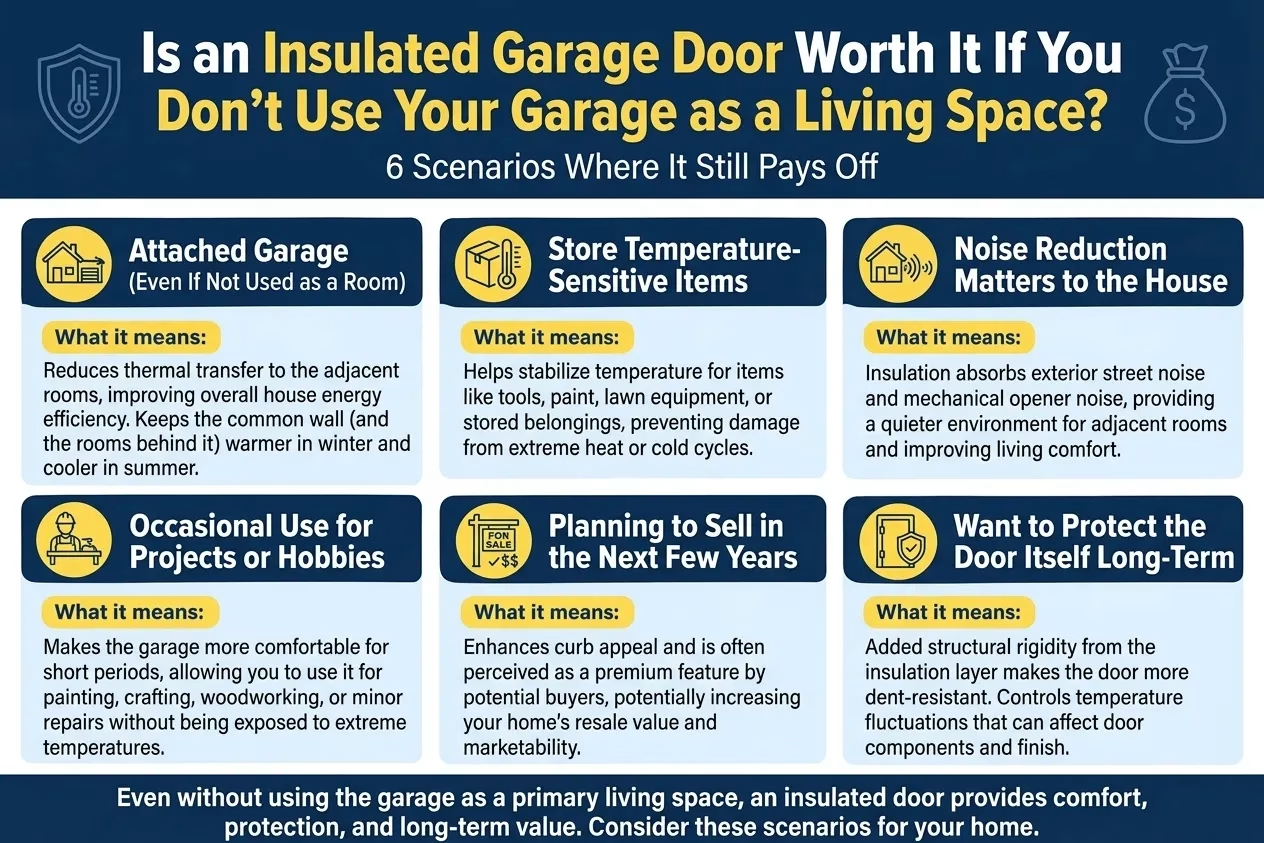
Yes, an insulated garage door pays off in several common situations, even if the garage is just for parking. The biggest one is an attached garage, since it shares walls with living space regardless of what you actually do inside it. Beyond that, storing temperature-sensitive items, noise reduction, occasional project use, resale value, and protecting the door itself are all reasons insulation can still pay off. It matters less only when the garage is fully detached, rarely used, and in a mild climate. Here are the 6 scenarios worth knowing.
Key Takeaways
- An attached garage benefits from insulation regardless of how you use the space inside it, since the shared wall is what matters.
- Storing paint, tools, or other temperature-sensitive items is a common reason insulation pays off without any living-space use.
- Noise reduction benefits the rest of the house even if no one spends time in the garage itself.
- Occasional workshop or hobby use can justify insulation even if it’s not daily use.
- Resale value and durability are reasons to insulate that have nothing to do with how you use the garage day to day.
- The case weakens mainly when the garage is detached, rarely used, and in a mild climate.
Quick Reference: Does Your Situation Still Pay Off?
Scenario | Does It Still Pay Off? |
Attached garage, used only for parking | Yes, energy and comfort benefit the adjacent rooms |
Storing temperature-sensitive items | Often, depends on what’s stored and local climate |
Noise is a household concern | Yes, this benefit doesn’t depend on garage use |
Occasional project or hobby use | Sometimes, depends on frequency and season |
Planning to sell in a few years | Often, tied to resale and curb appeal, not use |
Fully detached, rarely used, mild climate | Rarely, the weakest case of the six |
1. Your Garage Is Attached, Even If You Never Use It as a Room
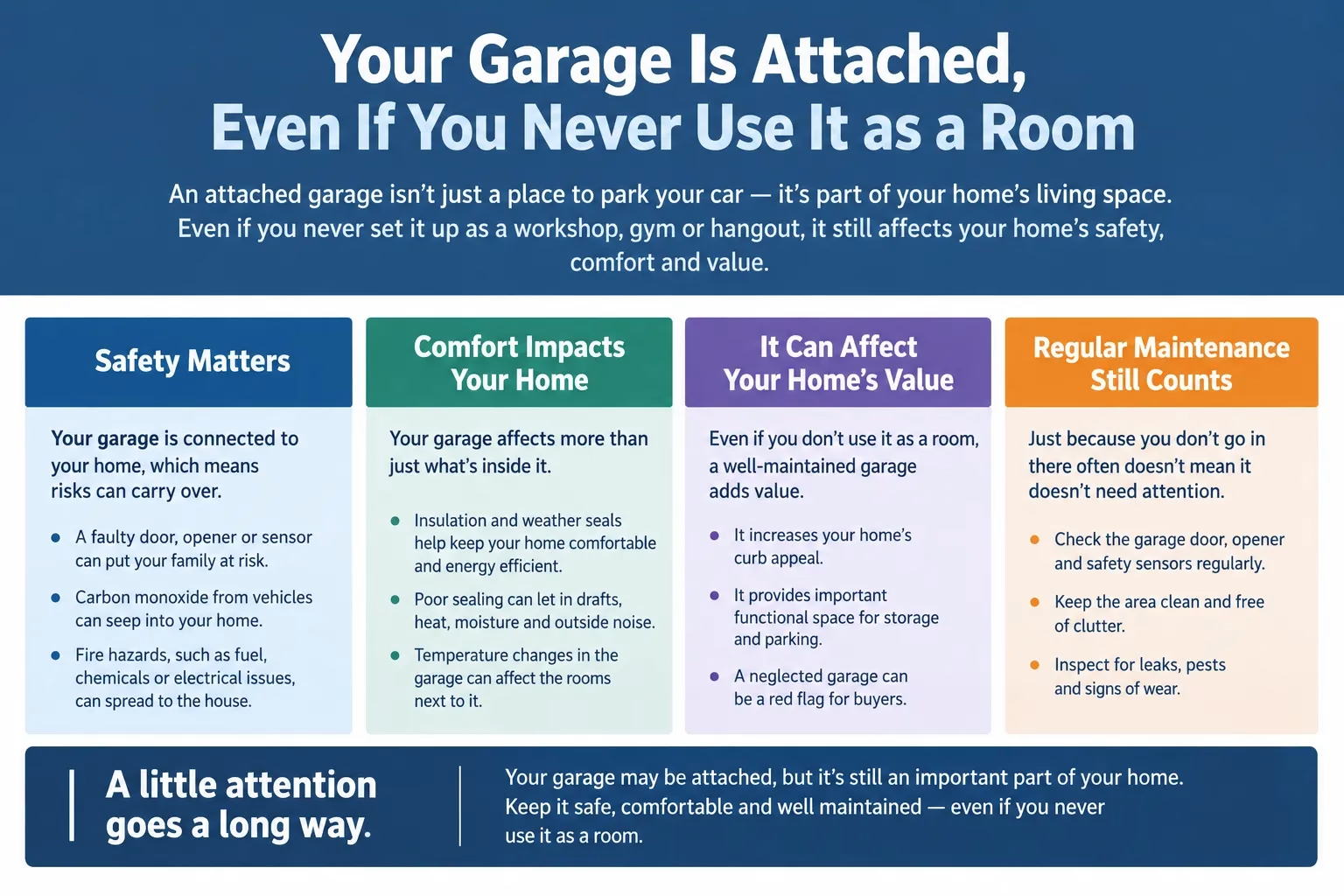
This is the scenario that matters most, because it doesn’t depend on how you use the garage at all.
Why the Shared Wall Is What Actually Counts
An attached garage shares at least one wall, sometimes a ceiling, with a room you heat and cool. That shared wall is what creates the energy benefit, not whether you park a car, store boxes, or never set foot in the garage beyond pulling in and out. The HVAC on the other side of that wall doesn’t know or care how you use the garage, it only responds to the temperature gap.
When This Still Applies to You
- Your garage sits directly beside a bedroom, living room, or home office
- There’s a room above the garage that runs noticeably hot or cold
- You’ve noticed a temperature difference in rooms near the garage
- You use the garage strictly for parking and storage, nothing else
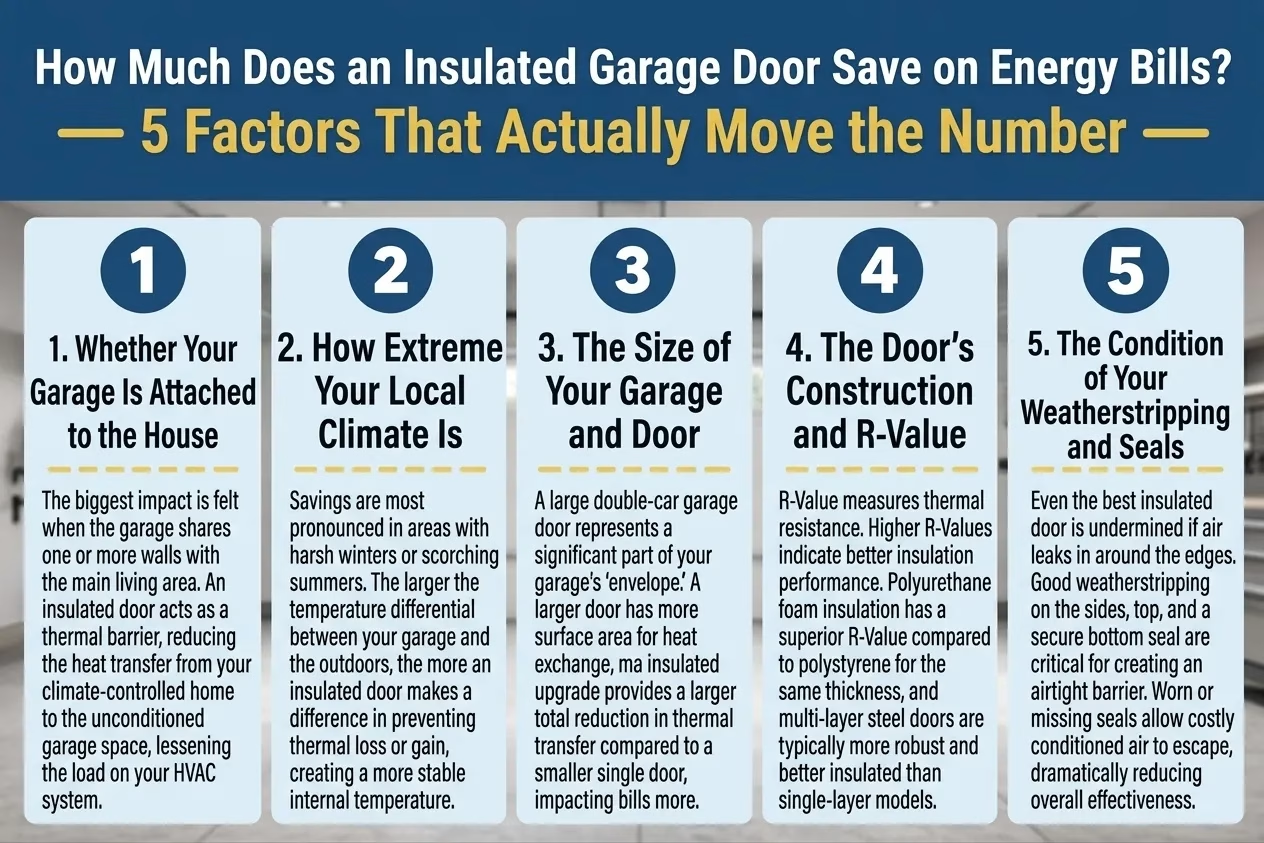
If you want to see exactly how much this specific factor can move your energy bill, read How Much Does an Insulated Garage Door Save on Energy Bills? 5 Factors That Actually Move the Number.
2. You Store Temperature-Sensitive Items
Even a garage used purely for storage, not living space, can benefit here.
What Actually Gets Damaged by Temperature Swings
Paint, aerosols, some battery-powered tools, and anything with a liquid component can degrade faster when a garage swings closer to outdoor extremes. An insulated door narrows that swing, which extends the useful life of whatever’s stored there, saving you from the cost of replacing items that failed early simply from sitting in an uninsulated space.
Items Most Likely to Benefit
- Paint, stains, and adhesives
- Battery-powered tools and rechargeable batteries
- Wine, beverages, or other temperature-sensitive goods
- Seasonal decorations or supplies stored long-term
For the full list of benefits beyond storage, see the guide, Does an Insulated Garage Door Actually Help? 7 Real Benefits (and When It’s Not Worth It).
3. Noise Reduction Matters to the Rest of the House
This benefit has nothing to do with how the garage itself is used.
Why a Quieter Door Helps Even an Empty Garage
The foam core that stops heat transfer also dampens sound, both the door’s own operating noise and outside noise coming through it. That matters for anyone with a bedroom or home office near the garage, regardless of what’s happening inside the garage itself. A quieter door is one of the few benefits that requires zero change in how you actually use the space.
Who Notices This Benefit Most
- Households with a bedroom directly above or beside the garage
- Early risers or late arrivals who don’t want to wake others
- Anyone working from home near a shared garage wall
- Light sleepers sensitive to mechanical noise
4. You Use the Garage Occasionally for Projects or Hobbies
This is a middle ground between full living-space use and pure storage.
Why Occasional Use Still Justifies Insulation for Some Homeowners
A garage that gets used a few weekends a month for projects, or seasonally for hobbies, doesn’t need to be a full workshop to benefit from a more stable temperature. The value scales with how often you’re actually in there, not whether it’s your primary workspace.
Signs This Scenario Fits You
- You use the garage for seasonal projects, like holiday prep or yard equipment maintenance
- You occasionally work on a car, bike, or other hobby inside
- You’d use the space more if it weren’t uncomfortable in summer or winter
- The garage currently sits empty for months at a time due to temperature extremes
5. You’re Planning to Sell in the Next Few Years
This scenario has nothing to do with your day-to-day use and everything to do with resale.
Why Garage Door Upgrades Tend to Pay Back Well
Garage door replacement is consistently one of the higher-return home improvement projects. This Old House’s guide to garage doors cites Remodeling Magazine’s Cost vs. Value data showing garage door replacement recouping over 193 percent of its cost at resale, one of the highest returns of any common home upgrade. An insulated door adds to that appeal with a more finished interior and better performance than a bare steel panel.
What Buyers Actually Notice
- A garage door that looks dated or thin-skinned in listing photos
- Visible dents, rust, or warping on an older uninsulated door
- Noise or drafts a buyer might notice during a showing
- The overall curb appeal of the home’s largest visible opening
For the full breakdown of garage doors and what buyers look for, This Old House’s guide to garage doors covers materials, costs, and resale considerations in more detail.
6. You Want to Protect the Door Itself Long-Term
This scenario is about protecting your investment in the door, independent of how the garage is used.
How Insulation Affects the Door’s Own Durability
The layered construction that comes with insulation adds rigidity, which helps the door resist dents, warping, and the wear that comes from years of operation. It’s worth remembering that insulation adds weight too, so springs and openers should be checked at the same time to make sure they’re rated for the heavier door. Skipping that check is one of the more common ways homeowners end up with a premature spring failure after an insulation upgrade.
Maintenance Still Matters, Insulated or Not
- Regular visual inspections catch wear before it becomes a bigger repair
- Balance and safety reversal checks matter more on a heavier, insulated door
- Weatherstripping still needs periodic replacement regardless of insulation level
- Professional annual service extends the life of the whole system, not just the panel
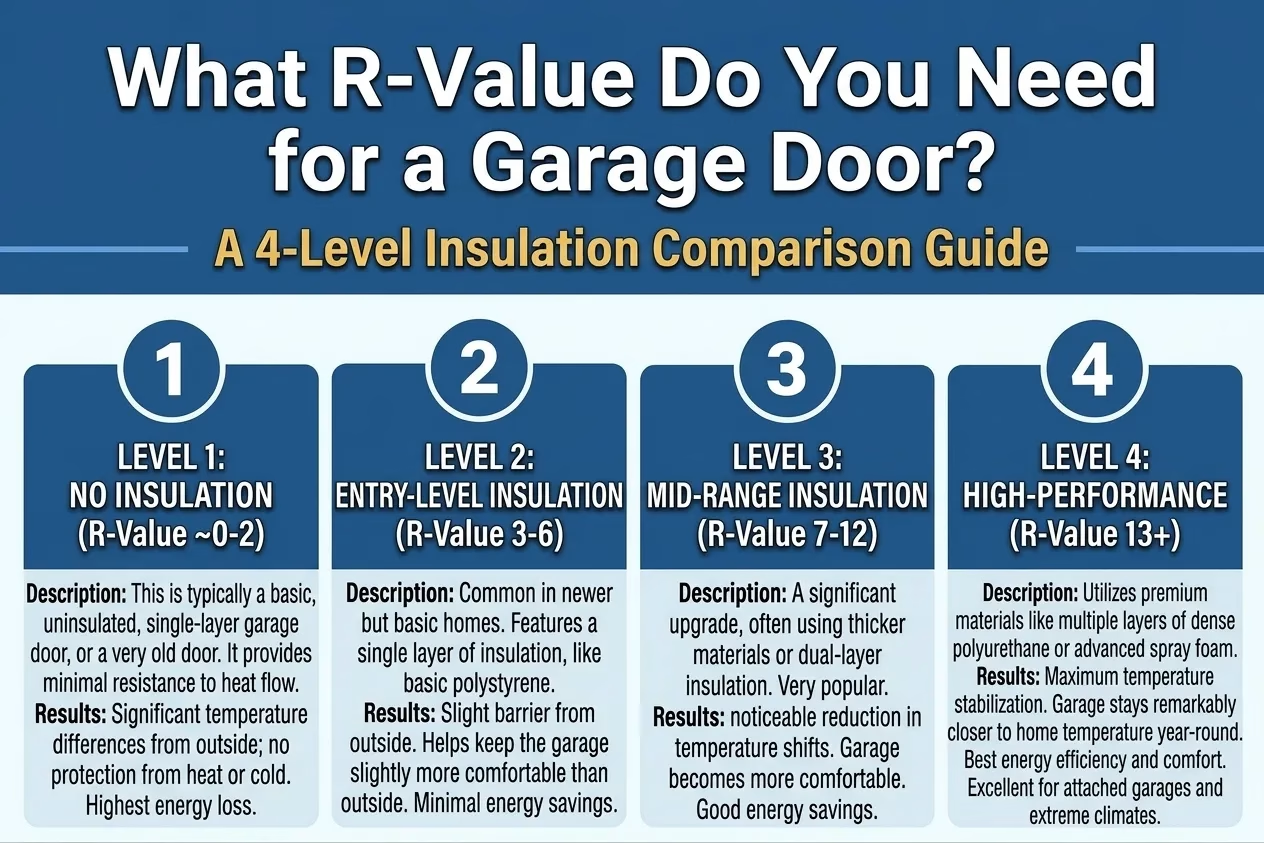
If you’re weighing how much insulation to invest in for durability’s sake, read What R-Value Do You Need for a Garage Door? A 4-Level Insulation Comparison Guide to see how construction quality factors in alongside R-value.
For a general safety and maintenance checklist that applies to any garage door, insulated or not, the International Door Association’s safety and maintenance guide covers the basics homeowners can check themselves.
So Does It Still Pay Off for You?
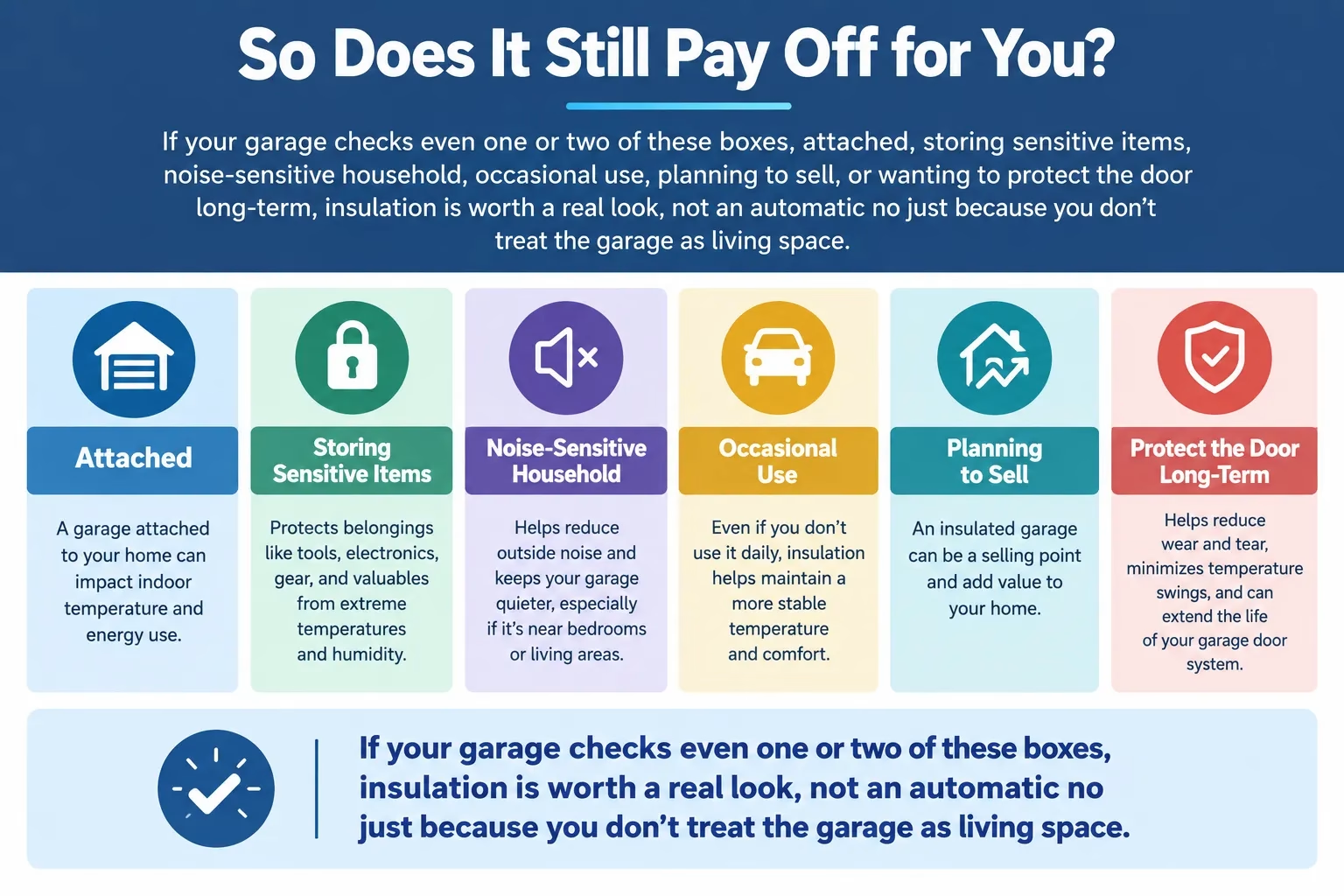
If your garage checks even one or two of these boxes, attached, storing sensitive items, noise-sensitive household, occasional use, planning to sell, or wanting to protect the door long-term, insulation is worth a real look, not an automatic no just because you don’t treat the garage as living space. If you’re only parking in a detached garage in a mild climate, the case is genuinely weaker, and that’s worth saying plainly rather than overselling it. The honest answer usually depends on stacking two or three of these scenarios rather than any single one on its own.
If you want a straight answer for your specific setup, Martin Garage Doors can walk through these scenarios with you and tell you honestly where you land. Contact us or give us a call for a free assessment today.