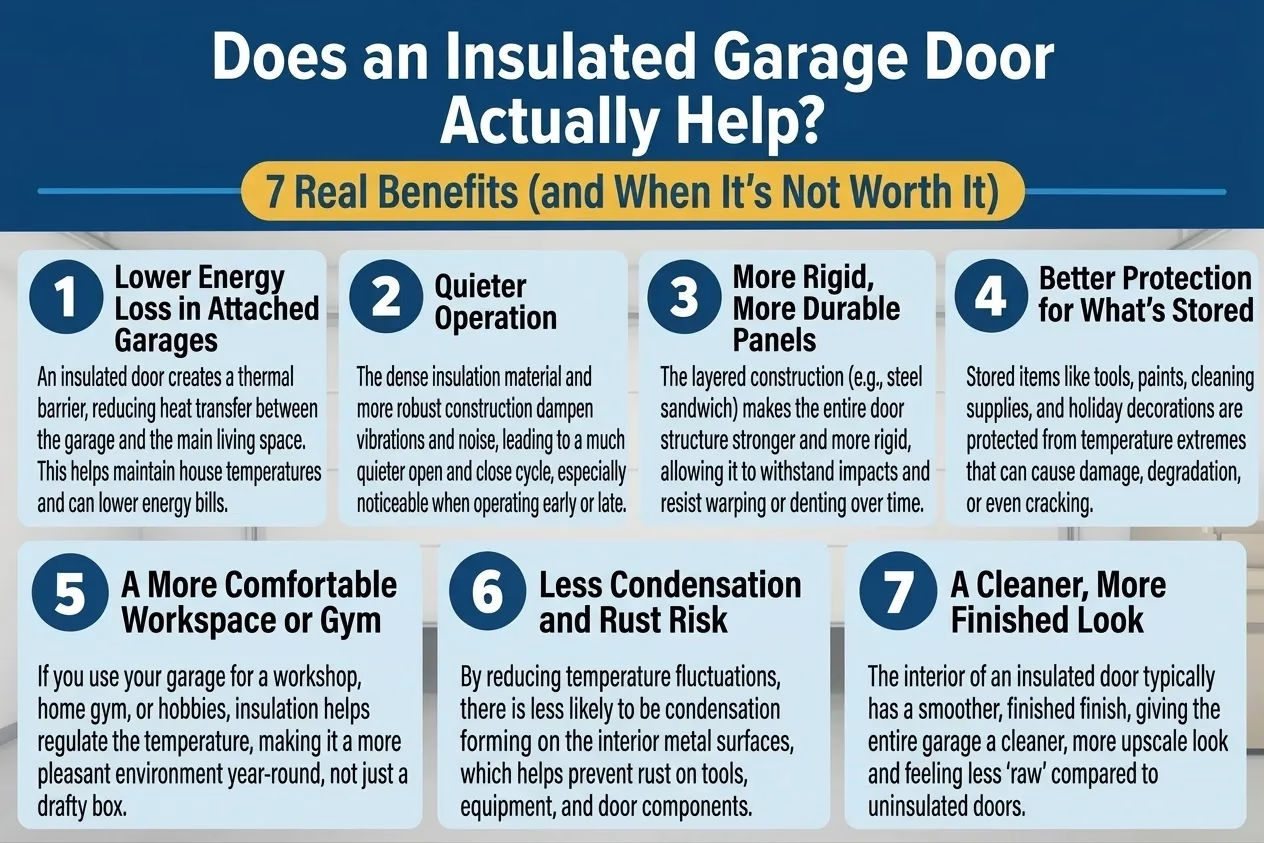
Yes, an insulated garage door helps in most Colorado homes: it reduces temperature swings in the garage, cuts noise, and takes pressure off the rooms next to or above it, especially in an attached garage or a garage used as a workspace. The upgrade matters less if your garage is fully detached, unheated, and only used for parking. Below are the 7 benefits that actually show up in day-to-day use in Denver and Colorado Springs homes, plus the situations where the extra cost isn’t worth it.
Key Takeaways
- Insulated doors slow heat transfer, which reduces how much a garage swings with Colorado’s cold winters and hot summers, particularly in attached garages.
- The energy benefit shows up most in the rooms next to or above the garage, not just inside the garage itself.
- Insulation (foam core) also adds stiffness, which is why insulated doors tend to be quieter and more dent-resistant.
- If your garage is detached, unconditioned, and used only for parking, the payoff is smaller and slower.
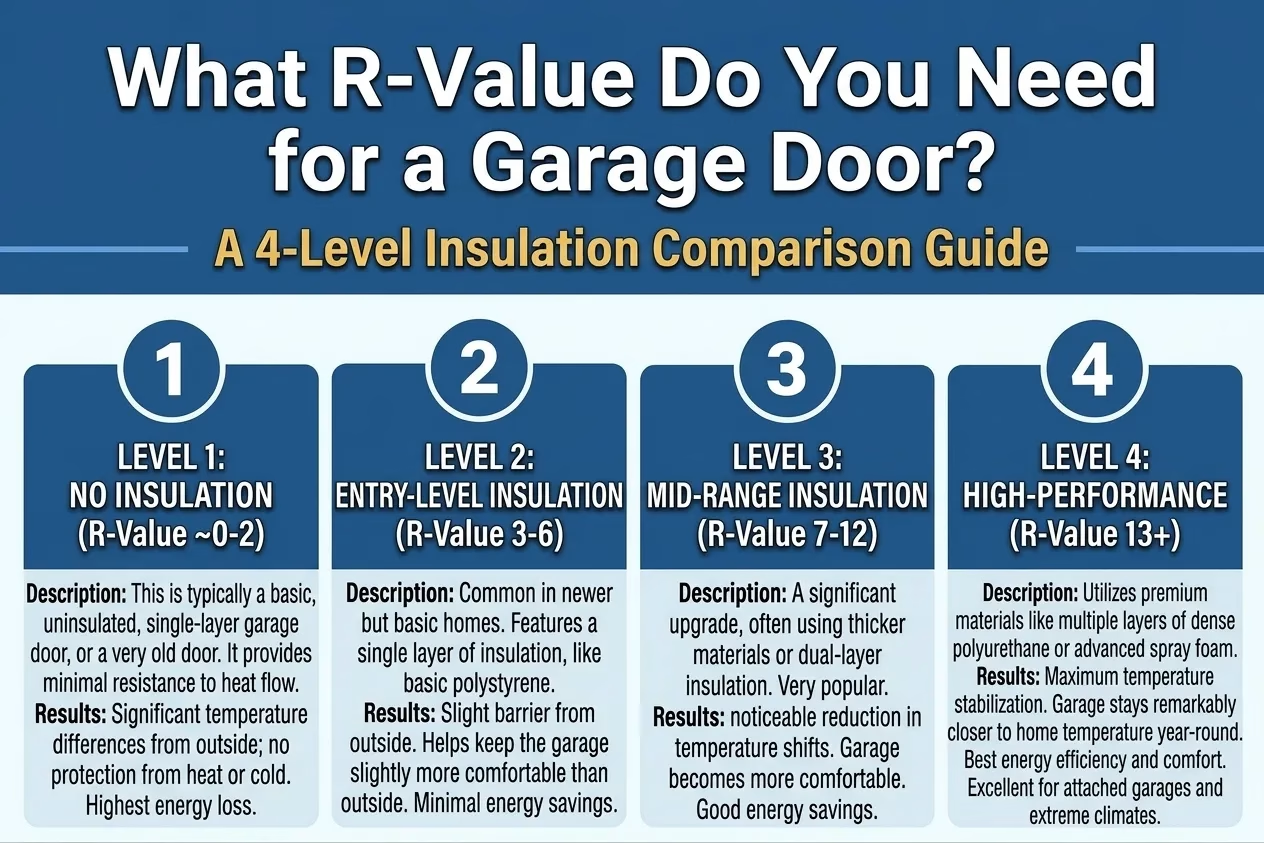
- R-value alone doesn’t tell the whole story: door construction (single, double, or triple-layer) matters just as much.
- Added weight from insulation can affect springs and openers, so a full upgrade often means checking both at install time.
Insulated vs. Non-Insulated Garage Door: Quick Comparison
Factor | Insulated Door | Non-Insulated Door |
Upfront cost | Moderate to higher | Budget-friendly |
Energy impact on attached garage | Noticeable, especially in Colorado’s temperature swings | Minimal, garage tracks closer to outdoor temp |
Noise level | Quieter (dampened vibration and outside sound) | Louder, more rattle and boom |
Dent/warp resistance | Higher (layered panel construction) | Lower (single-layer skin) |
Condensation/rust risk | Lower | Higher with Colorado’s snow and moisture |
Best fit | Attached garages, workshops, extreme temperature swings | Detached garages used only for parking, tight budgets |
1. Lower Energy Loss in Attached Garages
This is the benefit homeowners ask about most, and it matters more in Colorado than in most climates.
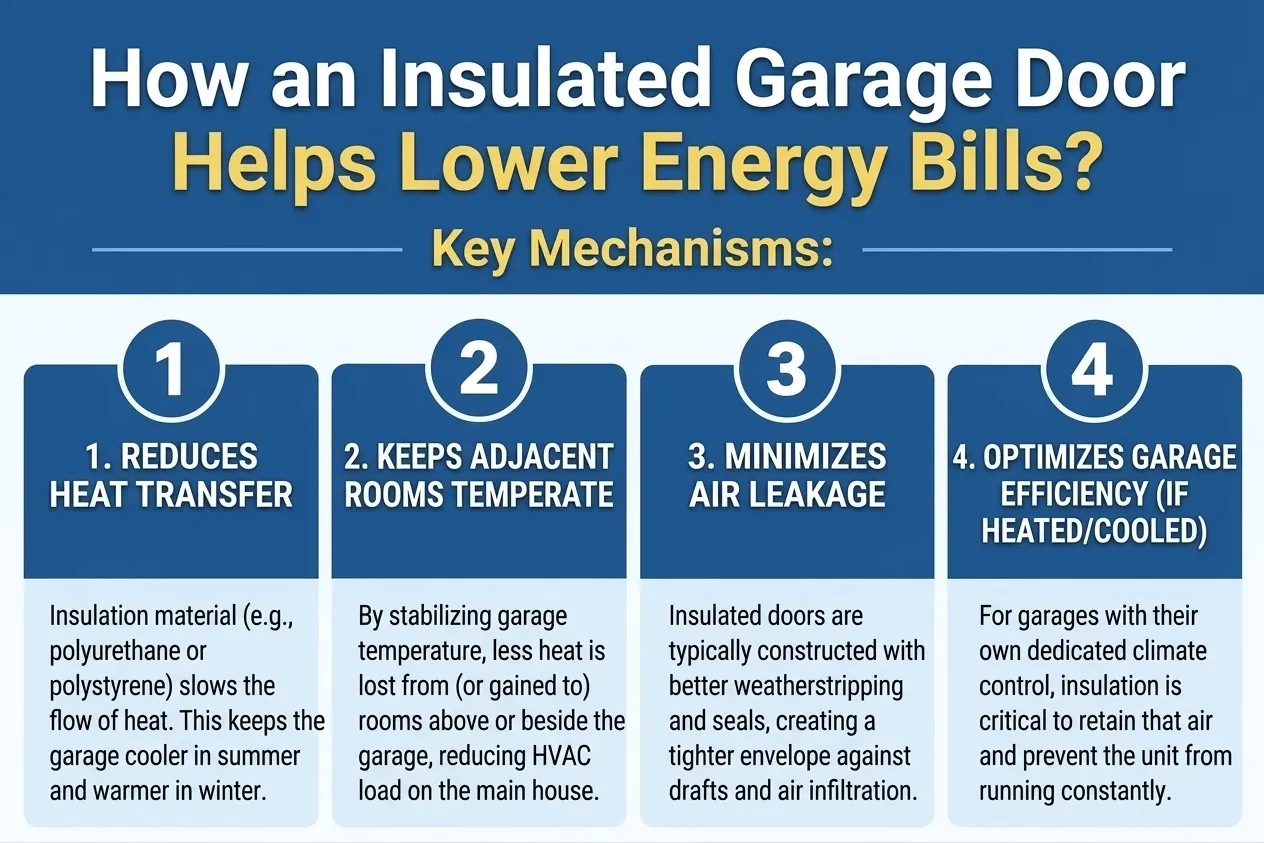
How an Insulated Garage Door Helps Lower Energy Bills
A garage door is the largest opening in most garages. An uninsulated door lets the garage swing closer to outdoor temperatures, and in an attached garage, it pulls heat or cooling out of the adjacent rooms. An insulated door narrows that gap, so the HVAC on the other side of the shared wall works less hard.
Why This Matters More in Denver and Colorado Springs
Denver and Colorado Springs see cold winters and hot summers, which means the temperature gap an insulated door is working against is larger here than in a mild climate. If you want the exact factors that move your specific savings, read How Much Does an Insulated Garage Door Save on Energy Bills? 5 Factors That Actually Move the Number.
2. Quieter Operation
Noise reduction is usually the first thing homeowners notice, often before any change in the energy bill shows up.
Why Insulated Garage Doors Run Quieter
The foam core inside an insulated panel dampens vibration and outside noise, and also muffles the door’s own operating sound: less rattle in the panels, less boom when it seats at the bottom.
Where the Noise Reduction Matters Most
- A bedroom directly above or beside the garage
- A home office that shares a wall with the garage
- Early-morning or late-night door use
- Households with light sleepers or young kids
3. More Rigid, More Durable Panels
Beyond comfort, insulation changes how the door itself holds up physically over time, which matters in Colorado’s freeze-thaw cycles.
Why Insulated Garage Door Panels Resist Dents Better
A non-insulated door is a single thin steel or aluminum skin. An insulated door sandwiches a foam core between two skins, which stiffens the panel and resists the dents, oil-canning, and wind flex that thinner single-layer doors are prone to. This layer count (single, double, or triple) is also what drives the door’s R-value. For the full breakdown by insulation level, read What R-Value Do You Need for a Garage Door? A 4-Level Insulation Comparison Guide.
What This Saves You Over Time
- Fewer cosmetic dent and warp repairs
- A straighter door that seals and tracks more reliably
- Less strain on rollers and the opener from a warped panel
- A longer usable life before replacement
4. Better Protection for What’s Stored in the Garage
The door protects more than the garage itself; it protects everything sitting inside it.
How Insulation Helps Protect Stored Items
Uninsulated garages swing closer to outdoor extremes, which is hard on anything sensitive to heat or cold. An insulated door narrows those swings, so stored items spend less time at the extremes.
What Benefits Most from a Stable Temperature
- Paint, adhesives, and aerosol cans
- Battery-powered tools and rechargeable batteries
- Wine or other temperature-sensitive items
- A car’s interior during Colorado’s intense summer sun
5. A More Comfortable Workspace or Gym
If the garage is more than a place to park, this benefit tends to matter the most.
Does Insulation Help If I Use My Garage as a Workshop or Gym?
An insulated door narrows the swing between “usable” and “too extreme to spend time in,” which is the difference between a space that gets used year-round and one that only gets used a few months a year in Colorado’s climate.
Why Comfort Affects How Often You Use the Space
- Power tools and workbench setups
- Home gym equipment
- Hobby or craft space
- Year-round usability instead of seasonal
6. Less Condensation and Rust Risk
This benefit is less visible day to day, but it shows up over years on hardware and hinges, especially with Colorado’s snow and moisture.
How Insulation Reduces Condensation and Rust
Condensation forms when warm, moist air meets a cold surface, and an uninsulated steel door is exactly that kind of surface in cold, moisture-prone conditions. An insulated door’s outer surface runs closer to ambient temperature, which reduces how often that moisture forms.
Which Conditions See the Biggest Difference
- Homes dealing with melting snow and ice through winter
- Large day-to-night temperature swings, common along the Front Range
- Cold climates with frequent freeze-thaw cycles
- Dry, high-altitude stretches see less benefit here
7. A Cleaner, More Finished Look
Insulation isn’t chosen for appearance, but it comes with a look that’s hard to separate from the upgrade.
Why Insulated Doors Look More Finished
Insulated doors pair a layered panel construction with a finished interior surface rather than exposed ribbed steel, and are more commonly available in thicker, higher-end profiles, including options from brands like Clopay.
How This Affects Resale and Curb Appeal
If you’re weighing appearance against performance, Bob Vila’s guide to choosing a garage door walks through both sides of that decision, including how insulation factors in alongside style and material.
When an Insulated Door May Not Be Worth the Extra Cost
Insulation isn’t a universal upgrade, and it’s worth being honest about when the extra cost doesn’t pay off.
Signs Insulation Isn’t the Right Upgrade for You
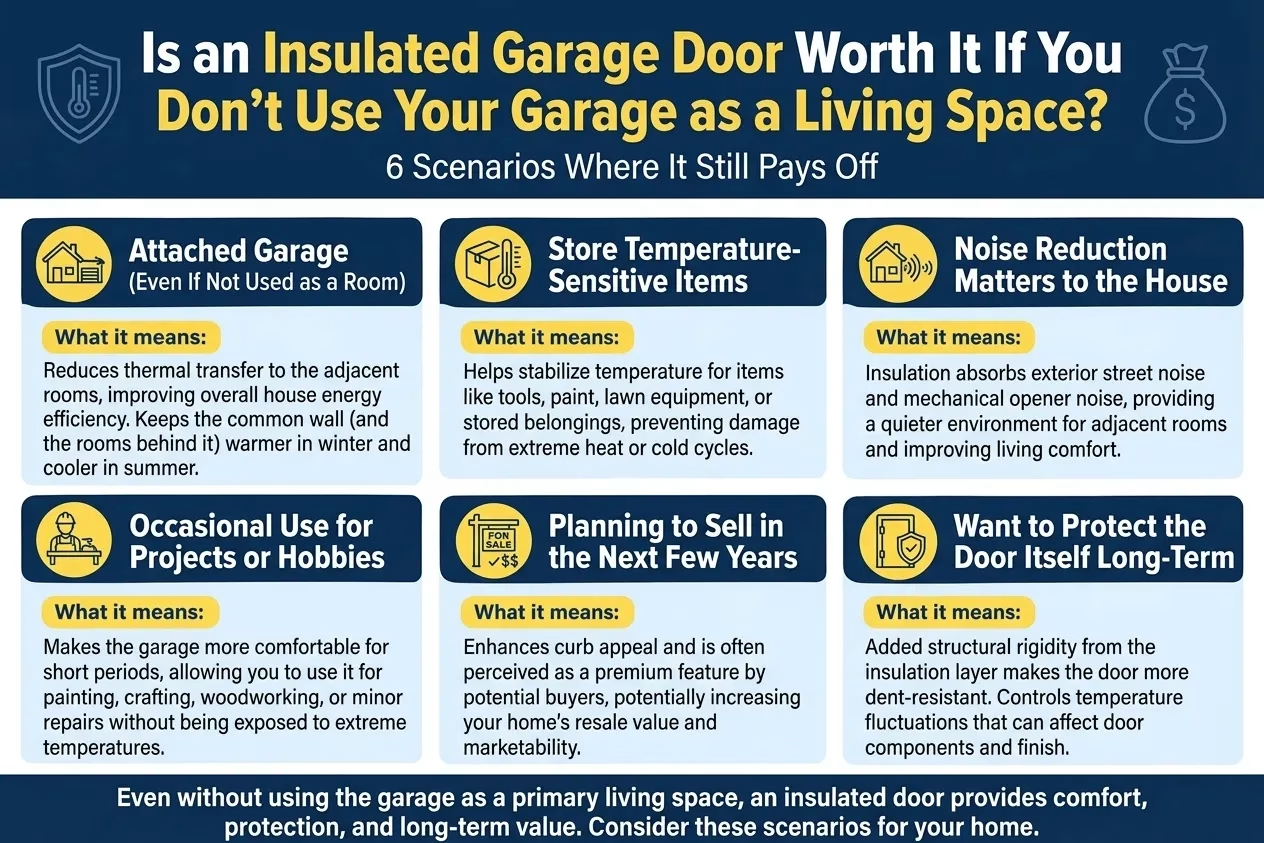
- The garage is fully detached, with no shared walls to protect
- The garage is never conditioned and rarely occupied beyond parking
- You’re in a milder stretch of Colorado with smaller seasonal swings
- The existing door is otherwise in good shape, and the budget is tight
If your garage falls into any of these, read Is an Insulated Garage Door Worth It If You Don’t Use Your Garage as a Living Space? 6 Scenarios Where It Still Pays Off before writing it off entirely.
What to Prioritize Instead If Budget Is Tight
- New weatherstripping and a bottom seal
- Opener maintenance or a tune-up
- A spring inspection before adding any weight
- Track and hardware lubrication
It’s also worth remembering that insulation adds weight, so any insulated upgrade should come with a check of the existing springs and opener. If you’re weighing a full garage door replacement against smaller upgrades, that comparison is worth a direct conversation. For a look at why sealing and insulating pays off at the whole-home level too, ENERGY STAR’s Why Seal and Insulate? is a useful reference point.
So Is Insulation Actually Worth It for Your Garage?
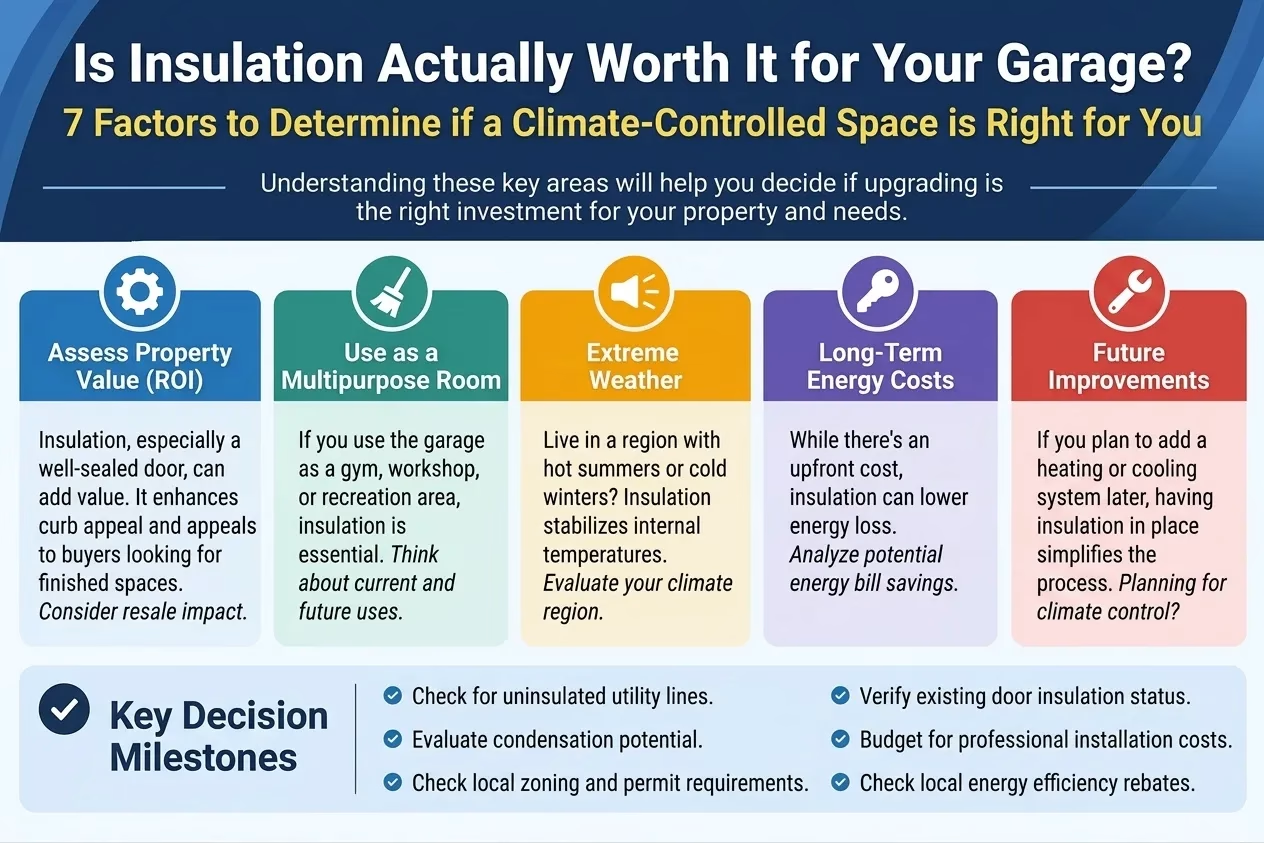
For most Colorado homes, especially attached garages or garages used as more than a parking spot, an insulated door earns its cost back in comfort, noise reduction, and durability over time. For a detached, rarely used garage in a milder stretch of the state, it’s a nice-to-have rather than a must-have. Martin Garage Doors can take a look at your specific setup and give you a clear recommendation, not just an upsell. Contact us or give us a call to get a straight answer for your specific garage.