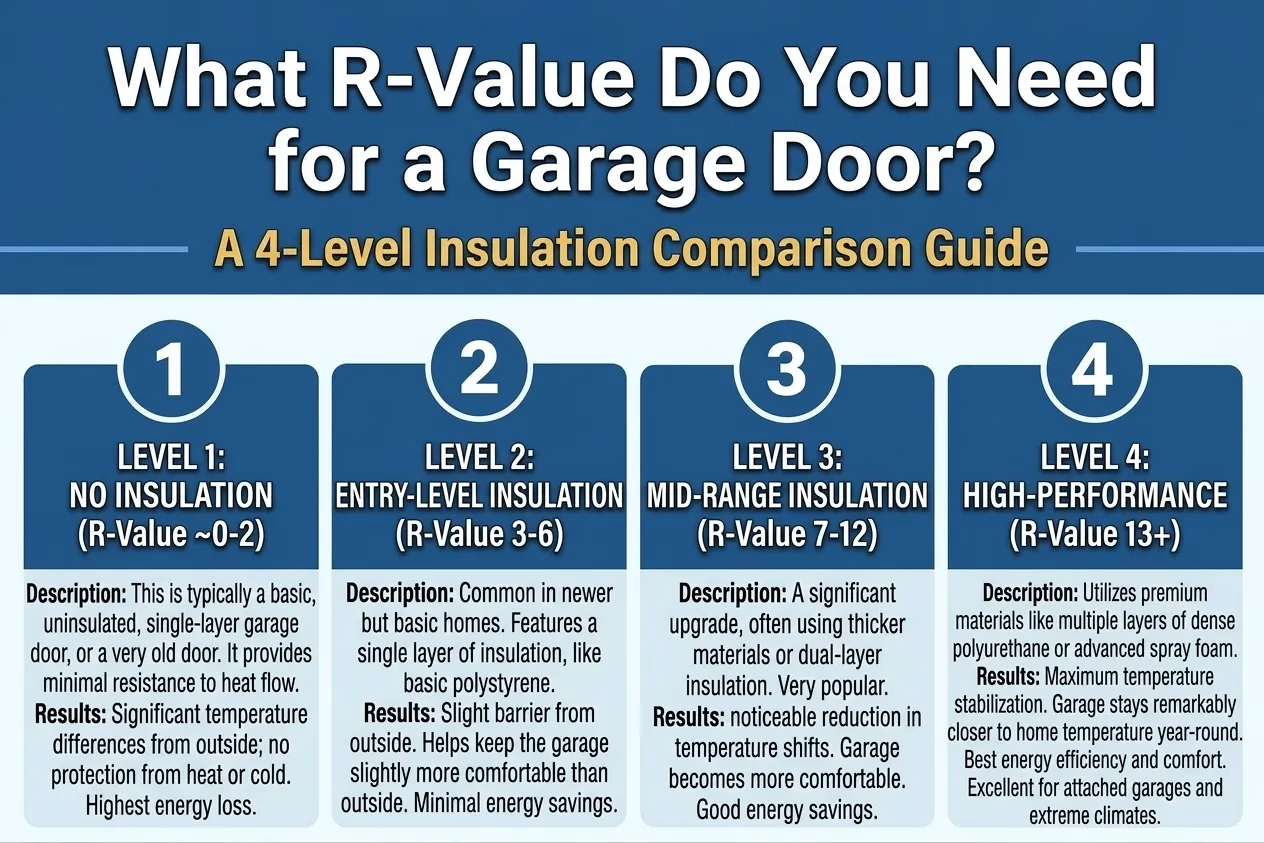
Most homes do fine with an entry-to-mid-level insulated garage door. Homes in extreme climates, or with living space directly beside or above the garage, get more out of paying for a higher R-value, triple-layer door. There’s no single “right” number; it depends on your climate and how the garage connects to your house. Below is a 4-level comparison, from no insulation to high-performance, so you can match the level to your actual situation instead of just chasing the highest R-value on the shelf.
Key Takeaways
- R-value measures how well the insulating material resists heat flow. Higher is better, but it’s not the whole picture.
- Construction type (single, double, or triple-layer) is what actually determines the R-value range a door can reach.
- Most homes do fine with an entry-to-mid-level door. Extreme climates and attached garages benefit most from going higher.
- U-factor is increasingly used alongside R-value, since it accounts for the whole installed door, not just the foam core.
- A high R-value door with poor sealing can underperform a lower R-value door with a tight installation.
The 4 Levels at a Glance
Level | Construction | Typical R-Value Range | Best For |
Level 1: No Insulation | Single-layer steel or aluminum | None | Detached, unconditioned garages in mild climates |
Level 2: Entry-Level | Double-layer, polystyrene core | Low to moderate | Attached garages in mild-to-moderate climates |
Level 3: Mid-Range | Double-layer, polyurethane core | Moderate to high | Attached garages in more extreme climates, workshops, or gyms |
Level 4: High-Performance | Triple-layer, polyurethane core | High | Extreme climates, garages doubling as living space, maximum noise reduction |
Level 1: No Insulation
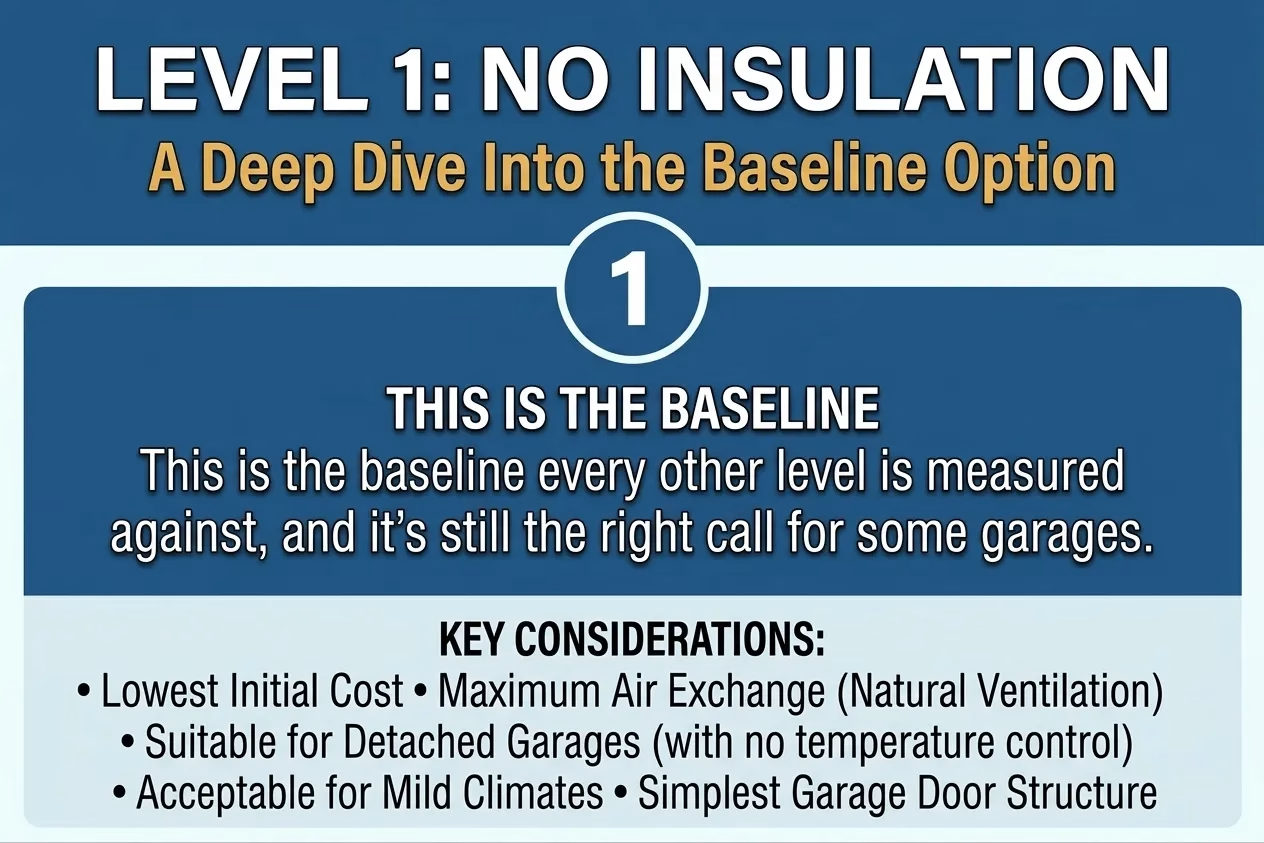
This is the baseline every other level is measured against, and it’s still the right call for some garages.
What a Single-Layer Door Actually Is
A single-layer door is one thin steel or aluminum skin with no foam core. It has essentially no meaningful R-value, and it transmits outside temperature into the garage almost directly. It’s also the lightest option, which matters for older openers and springs not rated for heavier doors.
Who This Level Actually Fits
Level 1 makes sense when there’s genuinely no living space for insulation to protect, not just when budget is the only concern.
- A fully detached garage with no shared wall to living space
- A garage that’s never conditioned and used only for parking
- A consistently mild climate, where the temperature gap is small either way
- A tight budget where the door itself is otherwise in good shape
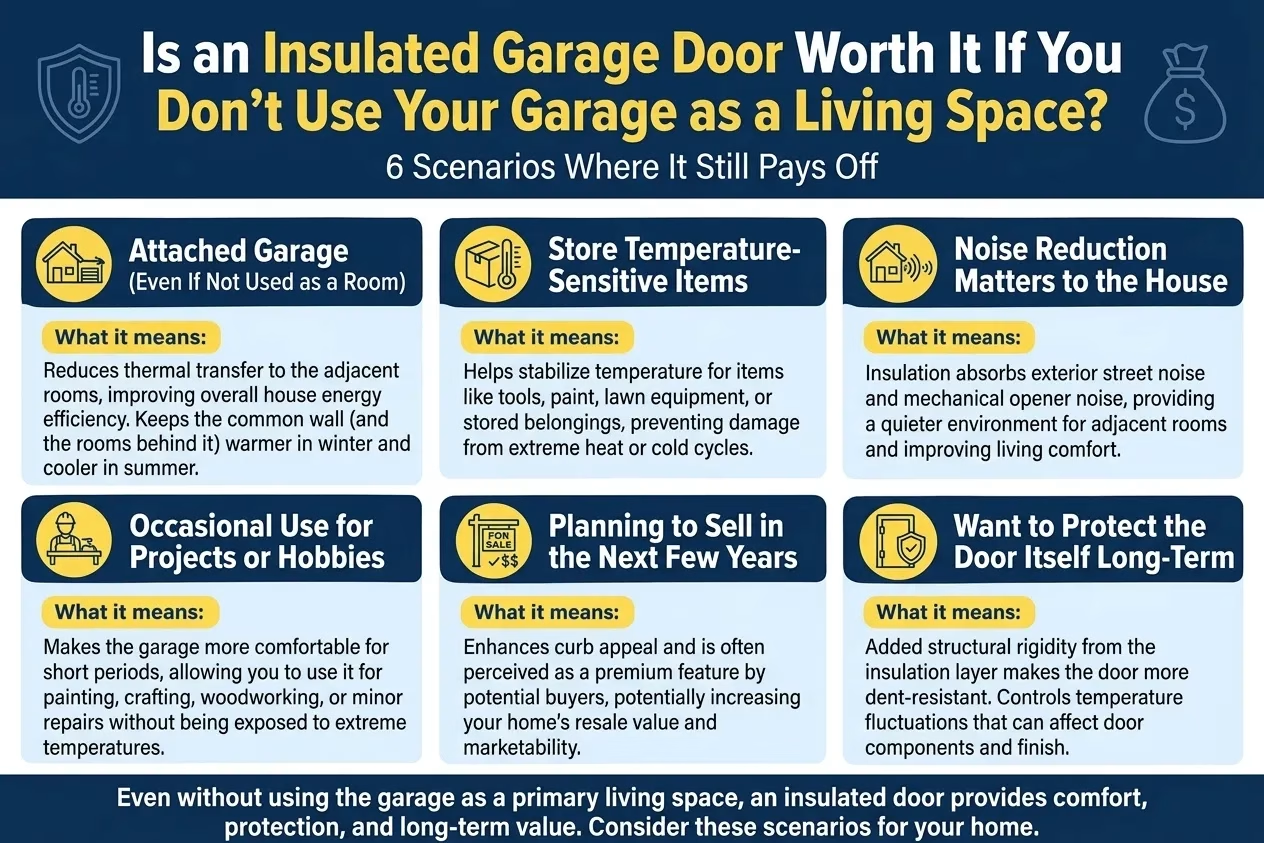
If your garage falls into this category, Is an Insulated Garage Door Worth It If You Don’t Use Your Garage as a Living Space? 6 Scenarios Where It Still Pays Off walks through when it’s worth upgrading anyway, and for the full picture on whether insulation helps at all, see the guide, Does an Insulated Garage Door Actually Help? 7 Real Benefits (and When It’s Not Worth It).
Level 2: Entry-Level Insulation
This is the most common upgrade from a bare single-layer door, and it covers a lot of homes reasonably well.
What a Double-Layer, Polystyrene-Core Door Offers
A double-layer door sandwiches a rigid polystyrene foam core between two skins. Polystyrene is cost-effective and lightweight, but it generally delivers a lower R-value than polyurethane at the same thickness. It’s still a meaningful step up from a bare single-layer door, since any foam core at all changes how the panel handles heat, cold, and sound.
Who This Level Actually Fits
This tier tends to fit homeowners who want a real upgrade over bare steel without paying for the top end.
- An attached garage in a mild-to-moderate climate
- A homeowner prioritizing noise reduction and dent resistance over maximum thermal performance
- A budget-conscious upgrade from a bare single-layer door
- A garage without extreme heat or cold exposure for most of the year
Level 3: Mid-Range Insulation
This is where insulation starts doing real work against more serious temperature swings.
What a Double-Layer, Polyurethane-Core Door Offers
Polyurethane insulation is injected between the panel skins and expands to fill the entire cavity, which typically achieves a meaningfully higher R-value than polystyrene at the same door thickness. The tighter fill also tends to improve the door’s seal, since there’s less room for gaps to form inside the panel as the material cures.
Who This Level Actually Fits
This is often the sweet spot for homeowners who want a real performance jump without paying top-tier prices.
- An attached garage in a climate with real seasonal extremes
- A garage used as a workshop or home gym for part of the year
- A household that wants a noticeably quieter door, not just a marginally better one
- Anyone weighing cost against performance rather than chasing the top tier
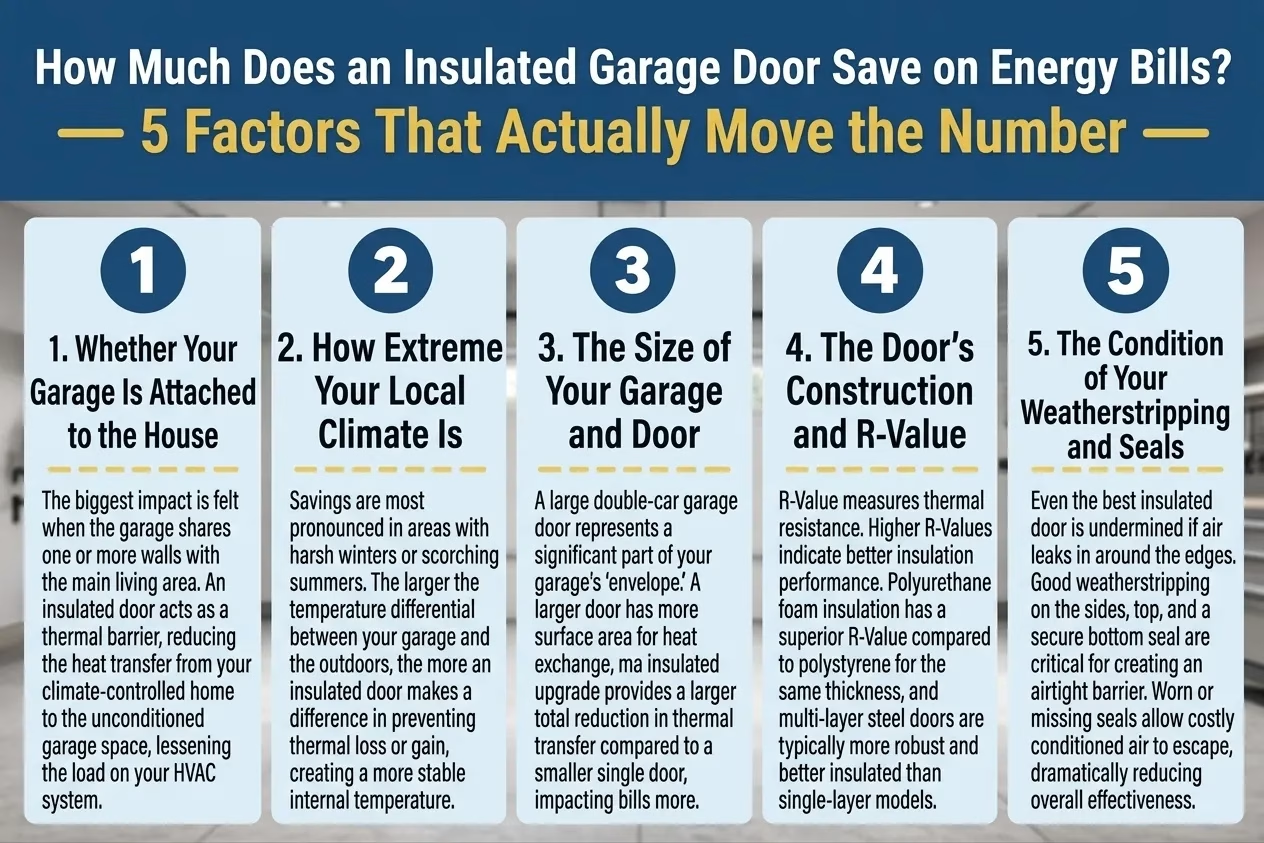
If you want to see how a jump in R-value actually translates to your energy bill, read How Much Does an Insulated Garage Door Save on Energy Bills? 5 Factors That Actually Move the Number.
Level 4: High-Performance Insulation
This is the top tier, and it’s not necessary for every home, but it earns its cost in the right situation.
What a Triple-Layer, Polyurethane-Core Door Offers
A triple-layer door adds a second steel skin and a finished interior panel around the polyurethane core, which pushes R-value and U-factor performance to their highest practical levels for a residential sectional door. The extra layer also adds rigidity, which is part of why these doors tend to resist dents and warping better than the lower tiers.
Who This Level Actually Fits
This tier is worth the added cost mainly when the garage is doing more work than just sheltering a car.
- Extreme climates with long, harsh summers or winters
- Garages doubling as a living space, office, or year-round gym
- Homes where noise reduction is a priority, not just temperature
- Anyone planning to keep the door long-term and wanting the least maintenance over its life
For official guidance on recommended insulation levels by climate zone, the U.S. Department of Energy’s guide on insulation and air-sealing breaks down typical targets homeowners can use as a reference point. Those targets are written for whole-home insulation, but the same logic of matching insulation level to climate severity applies just as directly to a garage door.
R-Value vs. U-Factor: Which Number Should You Trust More?
R-value isn’t the only number on a spec sheet, and it’s worth understanding why the industry increasingly reports both.
Why R-Value Alone Doesn’t Tell the Whole Story
R-value measures the insulating material at the center of the panel, not the whole installed door. It doesn’t account for the frame, the window inserts, or how tightly the door seals once installed. That’s part of why two doors with the same R-value can perform differently in practice, and why relying on R-value alone can be misleading when comparing across brands. Some manufacturers also calculate R-value slightly differently, which makes side-by-side comparisons even trickier without a shared standard.
What U-Factor Adds to the Picture
U-factor fills in what R-value leaves out by scoring the door as a complete system.
- U-factor measures heat transmittance through the entire installed door, not just the panel core
- A lower U-factor means better real-world thermal performance
- Manufacturers participating in third-party verification programs test and publish U-factor ratings alongside R-value
- Comparing U-factor is more useful than comparing R-value alone when shopping between brands
That measurement matters, but so does the rest of the buying decision. Bob Vila’s guide to choosing a garage door covers R-value and insulation alongside style, material, and budget, for anyone weighing the numbers against the bigger picture.
So Which R-Value Level Is Right for You?
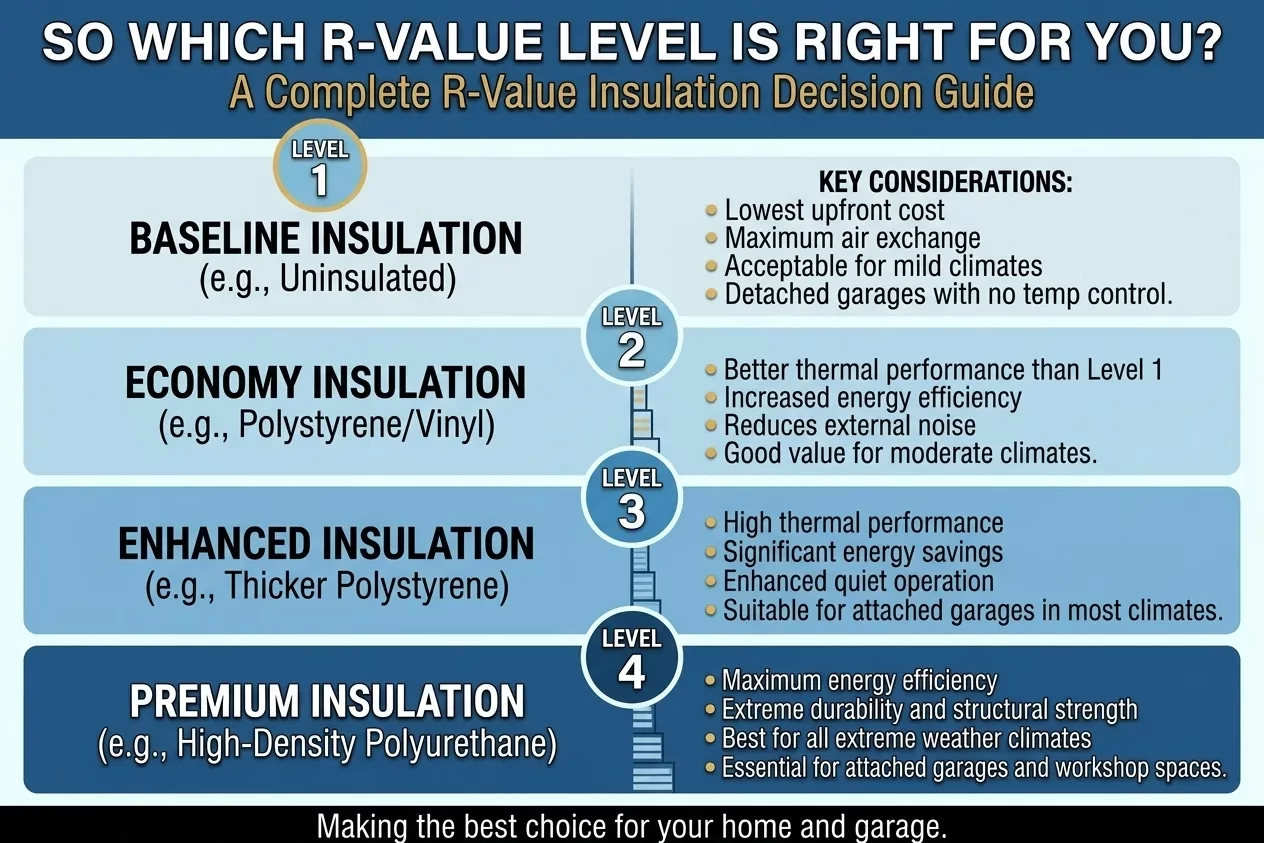
Matching the level to your actual situation, rather than defaulting to the highest number on the shelf, is usually the better call. A mild climate and a detached garage rarely justify paying for top-tier insulation, while an attached garage in a harsh climate can make that same top tier pay for itself in comfort and noise reduction alone.
If you’re not sure which of the four levels actually fits your garage, climate, and budget, Martin Garage Doors can walk through it with you and recommend the level that makes sense, not just the highest number on the price list. Contact us or give us a call for a straight recommendation today.