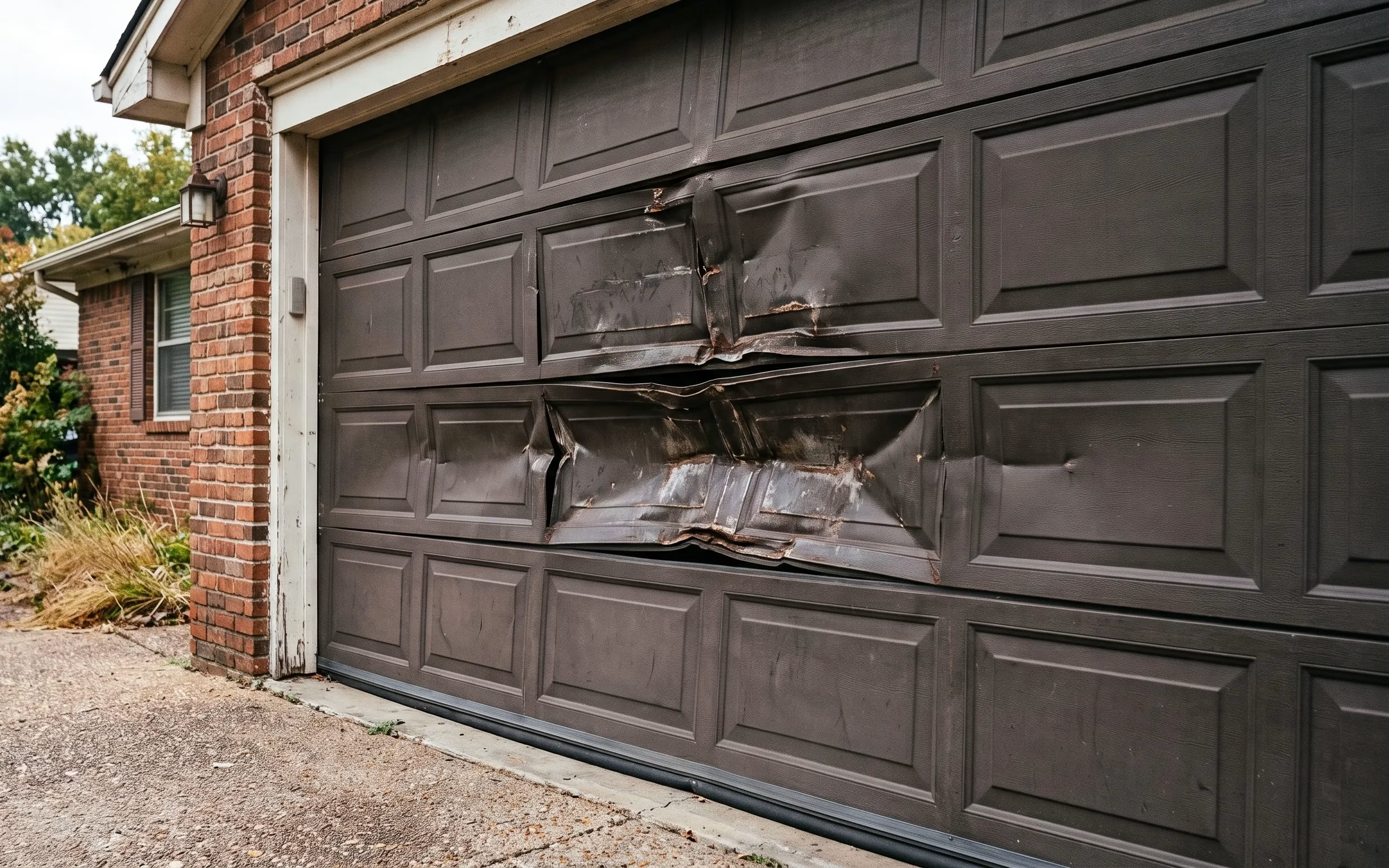
Yes, in most cases, a damaged garage door panel can be replaced on its own, without swapping out the entire door. Garage doors are built in sections, so when only one part takes the impact, only that section usually needs attention. That said, whether a single-panel replacement is the right move depends on the door’s age, whether a matching panel is still available, and how much the damage has spread to nearby sections.
Garage door panel replacement is often simpler than homeowners expect, but it is rarely as simple as a flat yes or no. For homeowners dealing with hail dents, cracked panels, or damage from a bumped bumper, this question comes up often.
Understanding What “Replacing a Garage Door Panel Individually” Really Means
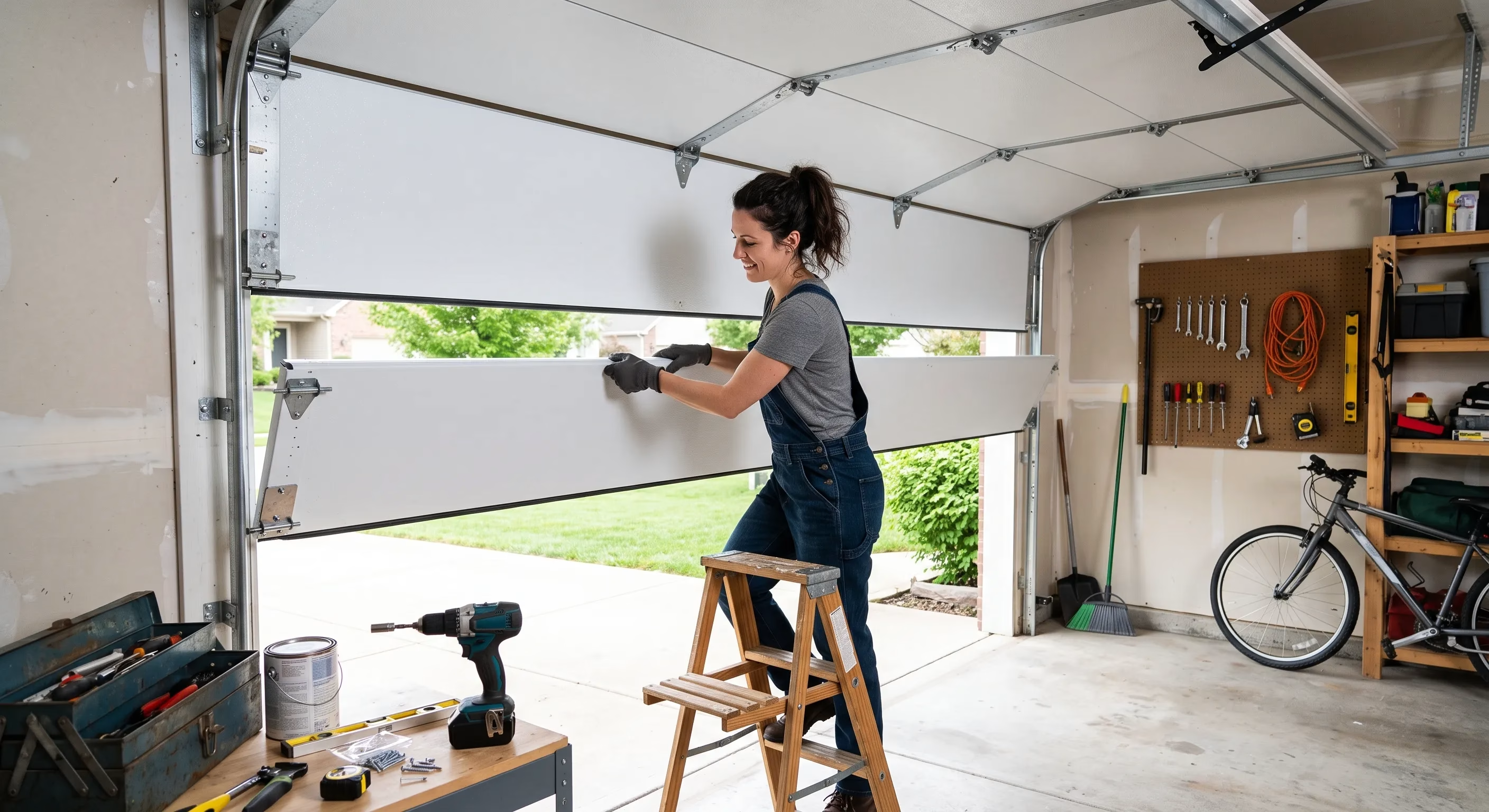
A garage door is made of several sections stacked together, and each section is called a panel. When one part is dented, cracked, or warped, a garage door technician can often remove that single piece and install a new one without disturbing the rest of the door. This approach keeps the garage door repair simpler and often helps a homeowner avoid a full door replacement, especially when the surrounding sections are still in solid shape.
How Garage Door Sections Work Together
- Each panel connects to the ones beside it through hinges and rollers that guide the door along its track.
- Panels are typically held in a shared frame, so removing one section does not require detaching the entire door.
- Matching the new panel’s material, insulation, and finish to the existing sections keeps the door balanced and visually consistent.
- The track and springs usually stay untouched during a single panel swap, which keeps the job more contained.
- A technician will typically check the surrounding hinges and rollers during the swap to confirm they are not carrying extra strain from the damaged section.
Understanding this modular design is part of why individual panel replacement is possible in the first place. Since each section is built to be removable, a technician can usually isolate the damaged area, order a matching piece, and complete the swap without needing to disassemble the door’s track or opener system.
Most panel damage does not happen overnight. If you are curious about the root cause, our guide on Why Do Garage Door Panels Get Damaged So Easily? walks through the most common culprits homeowners run into.
When It Makes Sense to Repair Just One Panel
A single-panel repair tends to work best when the damage is contained, and the rest of the door is still in good shape. This option is usually more practical for newer doors where a matching panel is easy to source, and it can save both time and money compared to a full replacement project. Staying current on garage door maintenance also makes it easier to catch damage early enough for this option to still make sense.
Situations Where a Single Panel Swap Works Well
- The dent, crack, or hole is limited to one section and has not affected the track or nearby panels.
- The door still opens and closes smoothly, with no noticeable strain on the opener.
- The manufacturer or a supplier still carries a panel that matches the existing door’s style and color.
- The rest of the door is structurally sound, with no rust, warping, or damaged hardware nearby.
- The homeowner wants to preserve the door’s current look rather than starting over with a new style.
If most of these situations apply to your door, a single-panel replacement is likely a simple option. If several do not apply, it may be worth having a technician take a closer look before deciding.
What Affects the Process of a Garage Door Panel Replacement
Several factors influence how smooth a garage door panel replacement will be. Some of these depend on the door itself, while others depend on how easy it is to find a matching part, and both play a role in how long the project takes.
Panel Material, Color Matching, and Availability
- Steel, wood, and aluminum panels each respond differently to repair work, which affects how the new piece fits with the old ones.
- Older or discontinued garage door models can make it harder to find a panel that matches in color and texture.
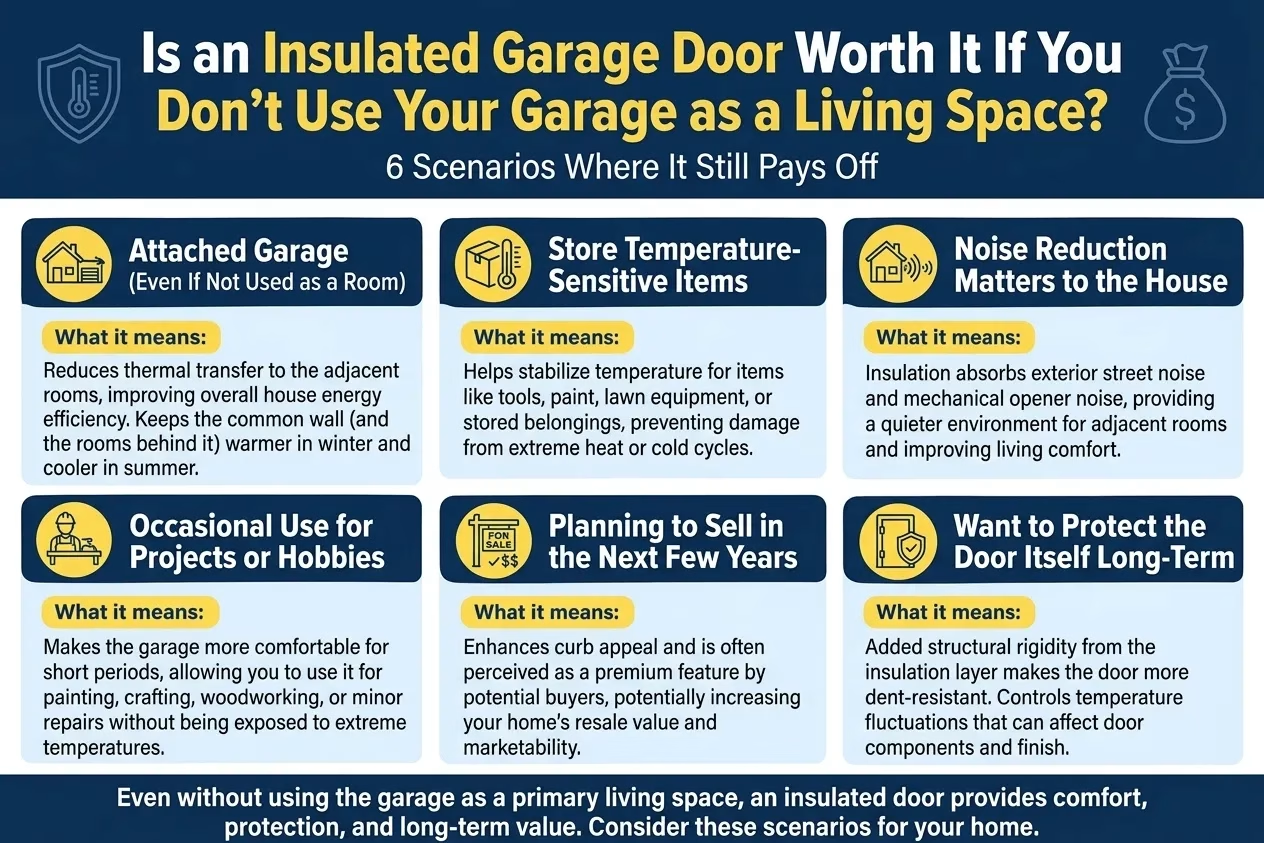
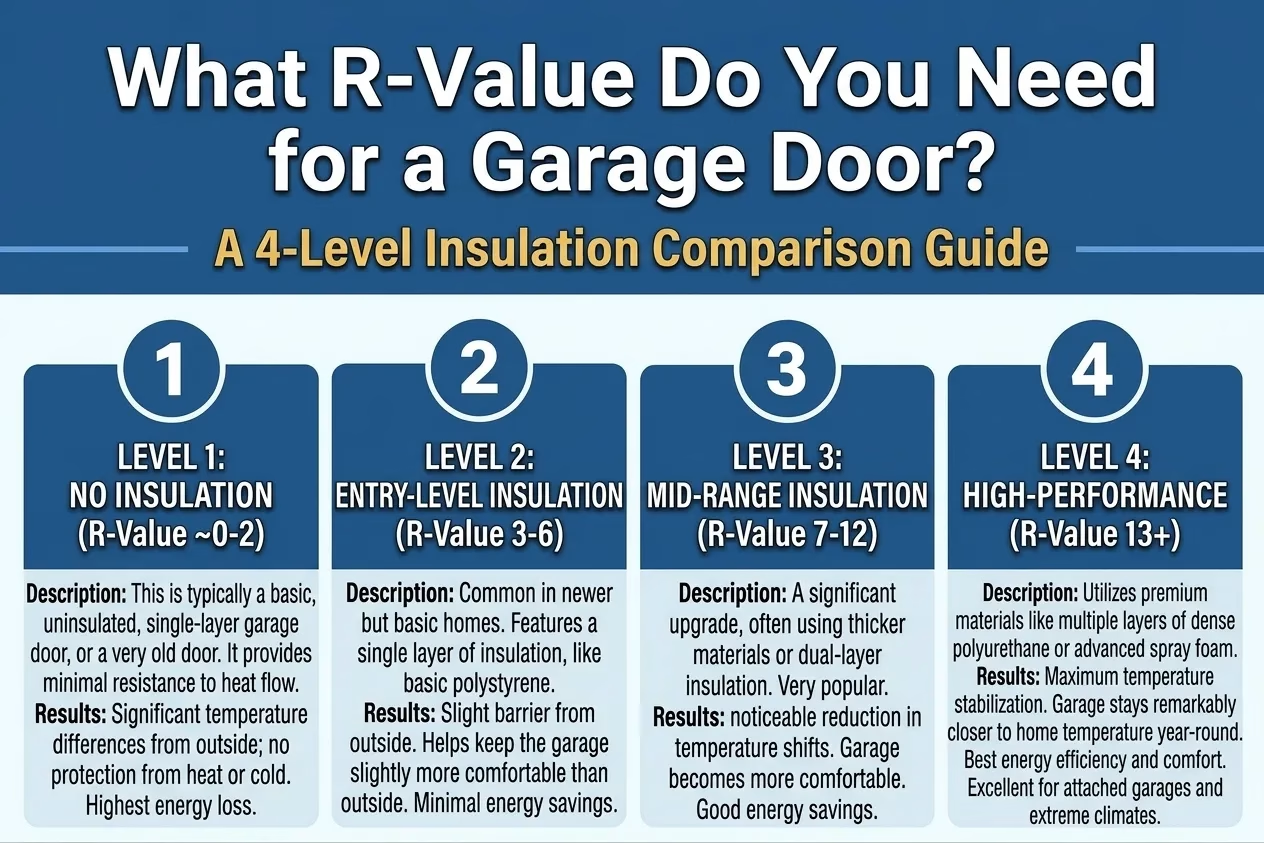
- Insulated panels may require extra attention to keep the door’s energy efficiency consistent after the swap.
- A professional inspection beforehand helps confirm the new panel will align properly with the existing hardware.
- Some manufacturers offer custom color matching, which can help newer doors blend seamlessly after a panel is swapped.
Homeowners who plan to sell their home in the near future may also want to weigh how closely the new panel will match, since curb appeal can factor into a buyer’s first impression.
Repair costs for a single panel vary widely depending on these factors. Our breakdown on What Does Garage Door Panel Repair Really Cost? explains what typically drives the price up or down.
Signs Your Damaged Panel Might Mean More Than a Simple Repair
Not every dent stays contained to one section. Sometimes what looks like a small problem points to something bigger happening with the door as a whole, and catching that early can prevent a more expensive repair down the road.
Red Flags Worth a Closer Inspection
- The door struggles to open or close evenly after the damage occurred.
- Multiple panels show signs of wear, rust, or warping, not just the one that was hit.
- The frame or track near the damaged panel looks bent or misaligned.
- The door feels noticeably heavier or lighter to the opener than it used to.
- Gaps appear along the edges of the door where panels no longer sit flush together.
When two or more of these signs show up together, it usually points to a problem beyond the panel itself, such as an issue with the track, springs, or the door’s overall alignment.
If the damage looks more serious than a single dent, it may be time to think bigger picture. Our article on When Does a Damaged Panel Mean You Need a New Garage Door? covers the tipping point homeowners should watch for.
How Denver’s Climate Affects Garage Door Panels
Denver’s mix of intense sun, sudden hailstorms, and wide temperature swings puts extra strain on garage door panels throughout the year. Homeowners in the area often see panel damage show up faster than in milder climates, especially on doors facing west or south, since those sides absorb the most direct sunlight and weather exposure.
Weather Patterns That Wear Down Panels in Denver
- Hail is one of the most common causes of dents and cracked panels across the Denver metro area.
- Rapid freeze and thaw cycles can loosen seals and cause panels to warp slightly over time.
- High-altitude UV exposure can fade paint and weaken certain panel materials faster than expected.
- Strong wind gusts common along the Front Range can stress hinges and connecting hardware near panel seams.
- Sudden temperature drops in the fall and winter months can make some panel materials more brittle and prone to cracking on impact.
Homeowners along the Front Range often notice that panels facing prevailing storm directions age faster than the rest of the door, which is worth keeping in mind when deciding whether a single-panel replacement will hold up long-term.
Routine care can help catch small issues before they grow. A routine garage door inspection can help homeowners spot warning signs early, and for damage that affects the door’s balance or sensors, it is worth having a qualified garage door professional confirm that the panel can be swapped safely without disrupting the rest of the system.
Getting Your Garage Door Panel Looking and Working Right Again
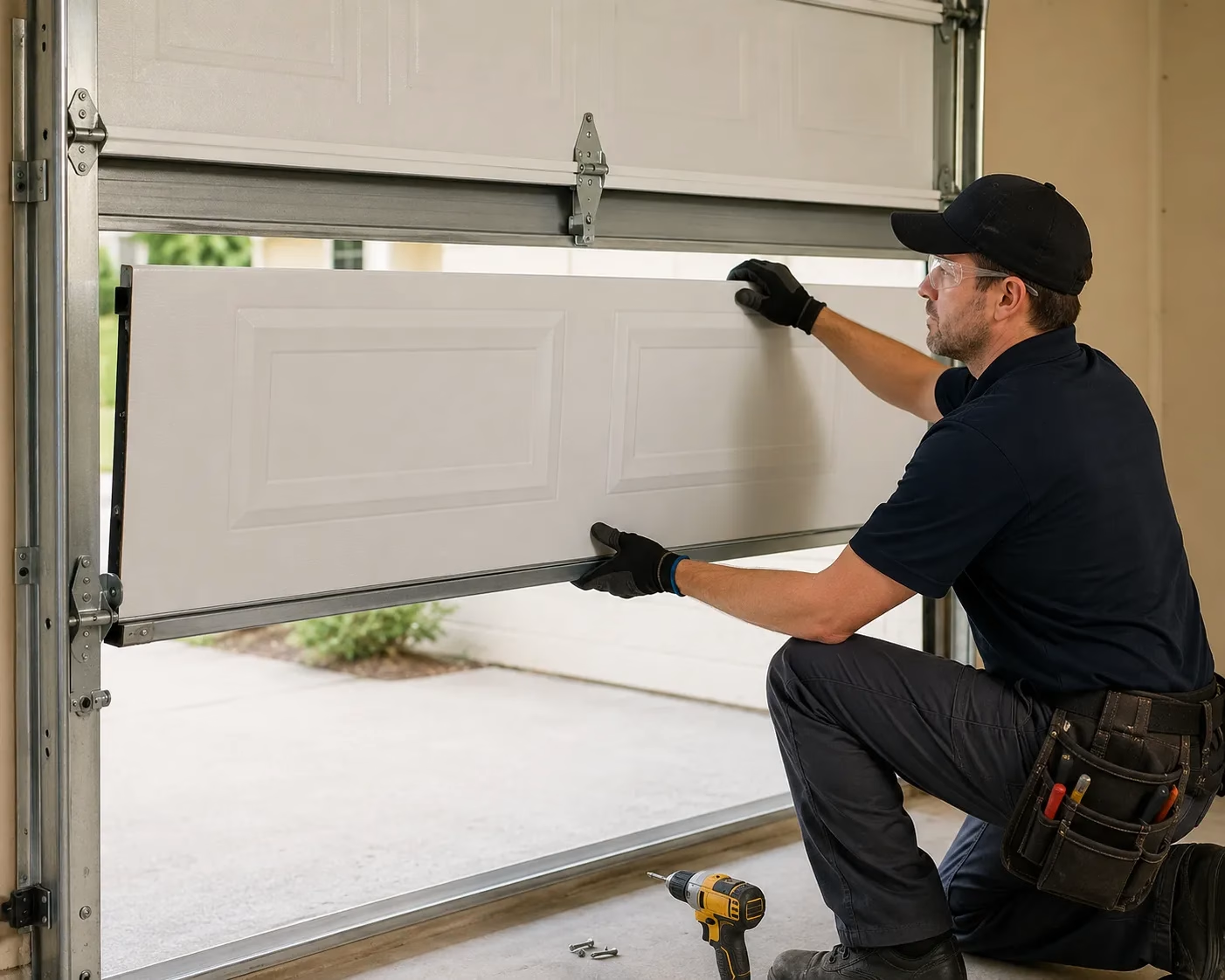
A damaged panel does not automatically mean a full door replacement. In many cases, a single section can be swapped out cleanly, restoring both the look and the function of your garage door without disrupting the parts that are still working fine. The key is knowing when the damage is contained versus when it signals a bigger issue with the door’s structure or hardware, and a professional inspection is usually the fastest way to find out.
If you are dealing with a damaged garage door panel in the Denver area, Martin Garage Door can inspect the door, confirm whether a single panel replacement will work, and walk you through the next steps with clear, honest guidance. Contact us or give us a call to get your garage door back to working the way it should.