
Garage door panels get damaged easily because they sit at the intersection of daily use, outdoor weather, and constant mechanical movement. Every time the door opens or closes, the panels absorb vibration from the track and hardware, and every storm, bump, or temperature swing adds a little more wear.
Over time, these small stresses add up, which is why panels often show damage well before the rest of the door does. For homeowners in Denver, this pattern tends to show up even faster, since the local climate throws an extra layer of wear into the mix. Understanding these causes also makes it easier to know when a garage door panel replacement is the right next step.
What Makes Garage Door Panels Vulnerable to Damage

Garage door panels are thinner and more exposed than most other parts of the door, which makes them the first section to show visible wear. Their position at the front of the home also means they take on more direct contact than the track, springs, or opener hidden inside, even though those parts work just as hard behind the scenes. This exposure is also why garage door repair often starts with the panels before any other part of the door.
The Design Factors Behind Frequent Panel Wear
- Panels are built to be lightweight for smooth operation, which also makes them more prone to denting on impact.
- Seams between panels can loosen slightly over the years of movement, creating small gaps where moisture and debris settle in.
- Painted or coated finishes on panels can wear down faster than the underlying material, exposing it to rust or fading.
- Panels near the bottom of the door absorb the most contact from vehicles, tools, and everyday foot traffic in the garage.
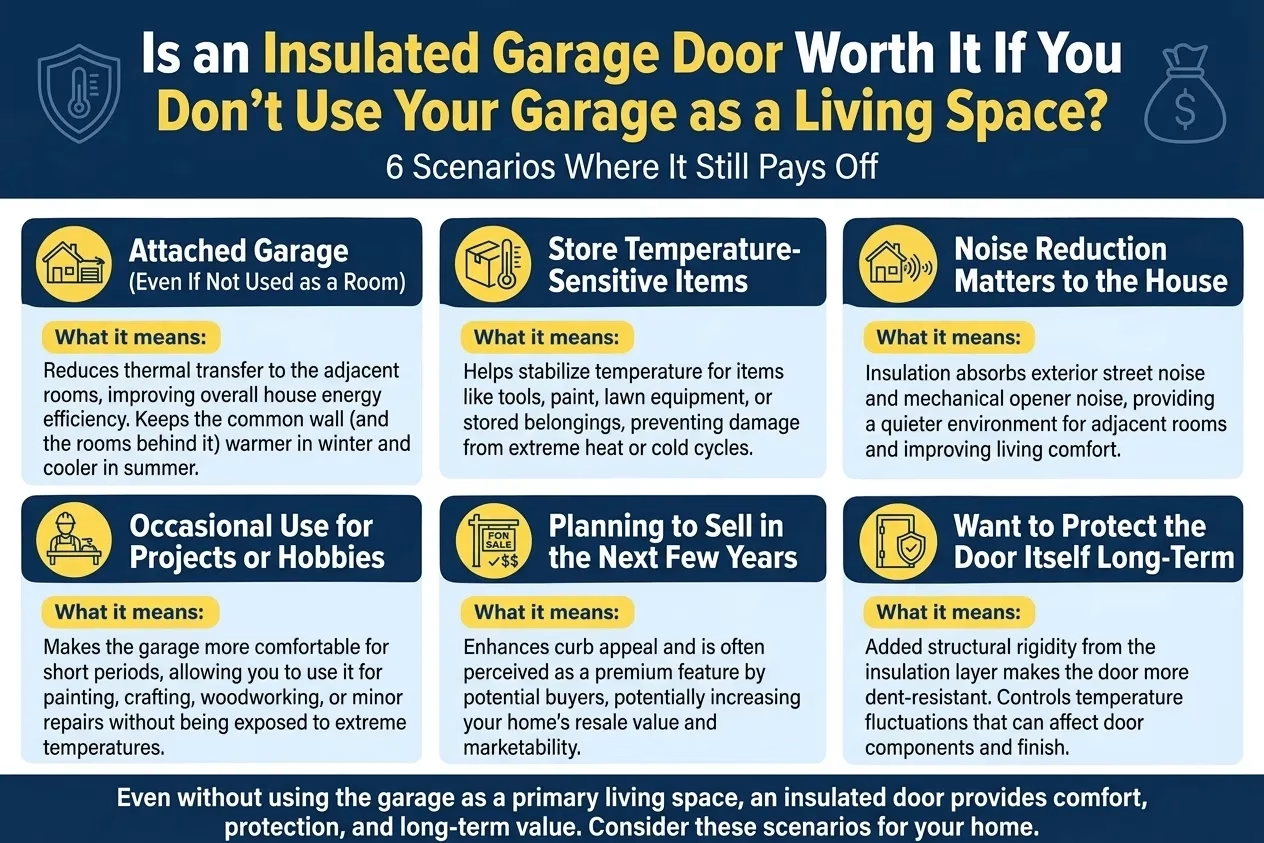
- Insulated panels can trap moisture if the seal around the edges breaks down, which weakens the material from the inside out.
None of these factors means a garage door was built poorly. They simply reflect the trade-off between a lightweight, functional design and a surface that has to face daily wear without much protection.
Before deciding how to handle a damaged section, it helps to understand whether a repair is even possible without replacing the whole door. Our guide on Can a Damaged Garage Door Panel Be Replaced Individually? breaks down exactly how that decision works.
Everyday Impacts That Cause Garage Door Panel Damage
Much of the damage garage door panels experience comes from ordinary household activity rather than dramatic accidents. Small bumps that seem harmless at the time can leave dents, scratches, or hairline cracks that grow worse with repeated pressure, especially in busy households where the garage door opens and closes multiple times a day. Staying on top of basic garage door maintenance can help homeowners catch this kind of everyday wear before it becomes a bigger issue.
Common Sources of Accidental Damage
- Backing a car or bike into the door, even at low speed, is one of the most frequent causes of dented panels.
- Sports equipment, ladders, and yard tools stored near the garage can scrape or dent panels during regular use.
- Children playing near the garage sometimes bump the door with toys, bikes, or balls without realizing the impact.
- Pressure washing at too close a range can chip paint and weaken the panel’s protective coating over time.
- Leaning heavy items against the door while working in the garage adds pressure the panel was not designed to hold.
Most of these situations happen so quickly that homeowners barely notice them at the time, which is part of why the resulting dents or scratches can seem to appear out of nowhere later on.
How Weather Contributes to Damaged Garage Door Panels
Weather is one of the most consistent, ongoing causes of panel damage, since it works on the door every single day rather than in a single moment. Sun exposure, moisture, and temperature shifts all chip away at a panel’s structure gradually, which makes this type of wear easy to overlook until it becomes visible.
Weather-Related Wear Homeowners Often Overlook
- Direct sunlight can cause certain panel materials to expand slightly during the day and contract at night, which stresses seams over time.
- Hail and heavy wind-driven debris are common causes of dents, especially on panels facing open areas without tree or structure coverage.
- Moisture that collects at the base of the door can lead to rust on steel panels or swelling on wood panels.
- Freezing temperatures can make panels more brittle, so an impact that would normally leave a small mark may crack the surface instead.
Because this kind of wear builds slowly, it often goes unnoticed until a panel that looked fine last year suddenly shows a crack after a routine bump.
Once damage sets in, repair costs can vary quite a bit depending on the extent of the wear and the panel’s material. Our breakdown on What Does Garage Door Panel Repair Really Cost? walks through what typically affects that range.
Warning Signs That Panel Damage Is Getting Worse
Some panel damage stays cosmetic, while other damage signals a bigger problem developing underneath the surface. Knowing the difference helps homeowners decide how urgently to address it and whether a professional inspection should happen sooner rather than later.
Signs the Damage May Be More Than Cosmetic
- Cracks that grow longer or wider over a few weeks rather than staying the same size.
- Rust spots that spread beyond the original area of damage.
- Panels that feel soft, spongy, or warped when pressed gently near the damaged area.
- Visible separation between the damaged panel and the ones next to it.
Any one of these signs on its own is worth noting, but seeing two or more together usually means the damage has moved past a simple cosmetic issue and into territory that deserves a closer professional inspection.
If the damage has progressed to this stage, it may point to a bigger decision than a simple panel repair. Our article on When Does a Damaged Panel Mean You Need a New Garage Door? walks through where that line typically falls.
Denver-Specific Factors Behind Panel Damage
Denver’s climate adds a unique layer of wear on top of everyday bumps and scrapes. The combination of intense sun, sudden hailstorms, and sharp temperature swings between day and night puts extra stress on garage door panels compared to milder climates, and this exposure happens year-round rather than during just one season.
Local Conditions That Speed Up Wear
- Hail season in the spring and summer months is one of the leading causes of dented panels across the Denver metro area.
- The region’s dry air and high UV exposure can fade paint and dry out seals faster than expected.
- Sudden overnight temperature drops common along the Front Range can make panels more brittle heading into winter.
- Wind gusts common in open neighborhoods can drive debris into panels during storms.
Homeowners who have lived in the area for a while often notice that the side of the garage door facing prevailing storms tends to show wear first, which is a useful clue when deciding where to inspect closely and where to focus preventive care.
Routine care makes a real difference in how long panels hold up against this kind of exposure. Following basic garage door safety guidelines, such as keeping the area around the door clear, can reduce everyday impacts that dent or crack panels, and being aware of common garage door problems like worn rollers or bent tracks can help homeowners catch stress on panels before it becomes visible damage.
Keeping Your Garage Door Panels in Better Shape Longer
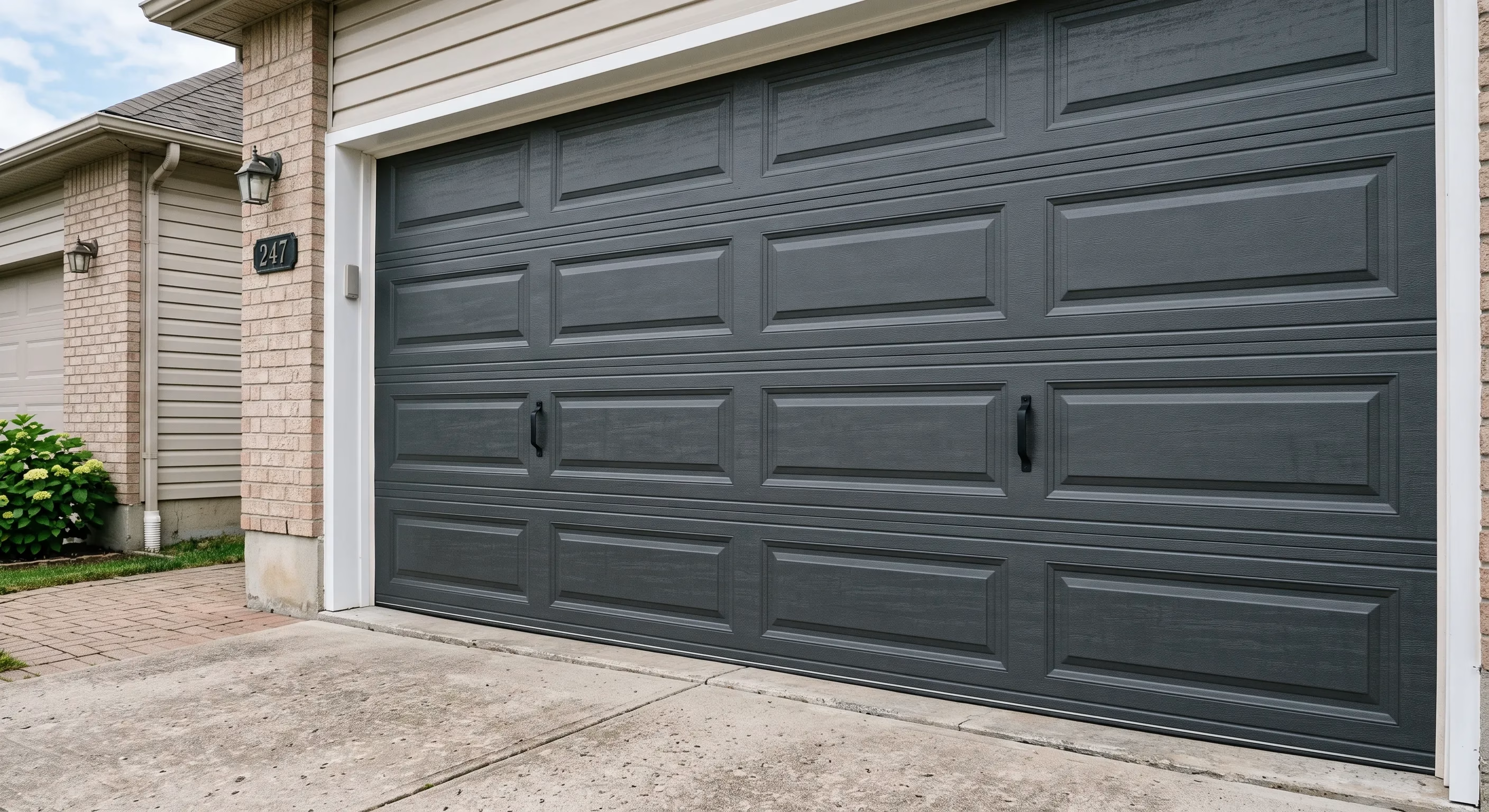
Most panel damage builds up gradually rather than happening all at once, which means small habits, like parking carefully and keeping the garage area clear, can meaningfully extend how long panels last. Paying attention to early warning signs, such as small dents or fading paint, also makes it easier to address problems before they spread to nearby sections and turn into a bigger repair.
If your garage door panels are showing signs of wear in the Denver area, Martin Garage Door can inspect the damage and let you know what is actually going on, without any pressure toward a bigger project than you need. Contact us or give us a call to get a clear answer on what your door needs.