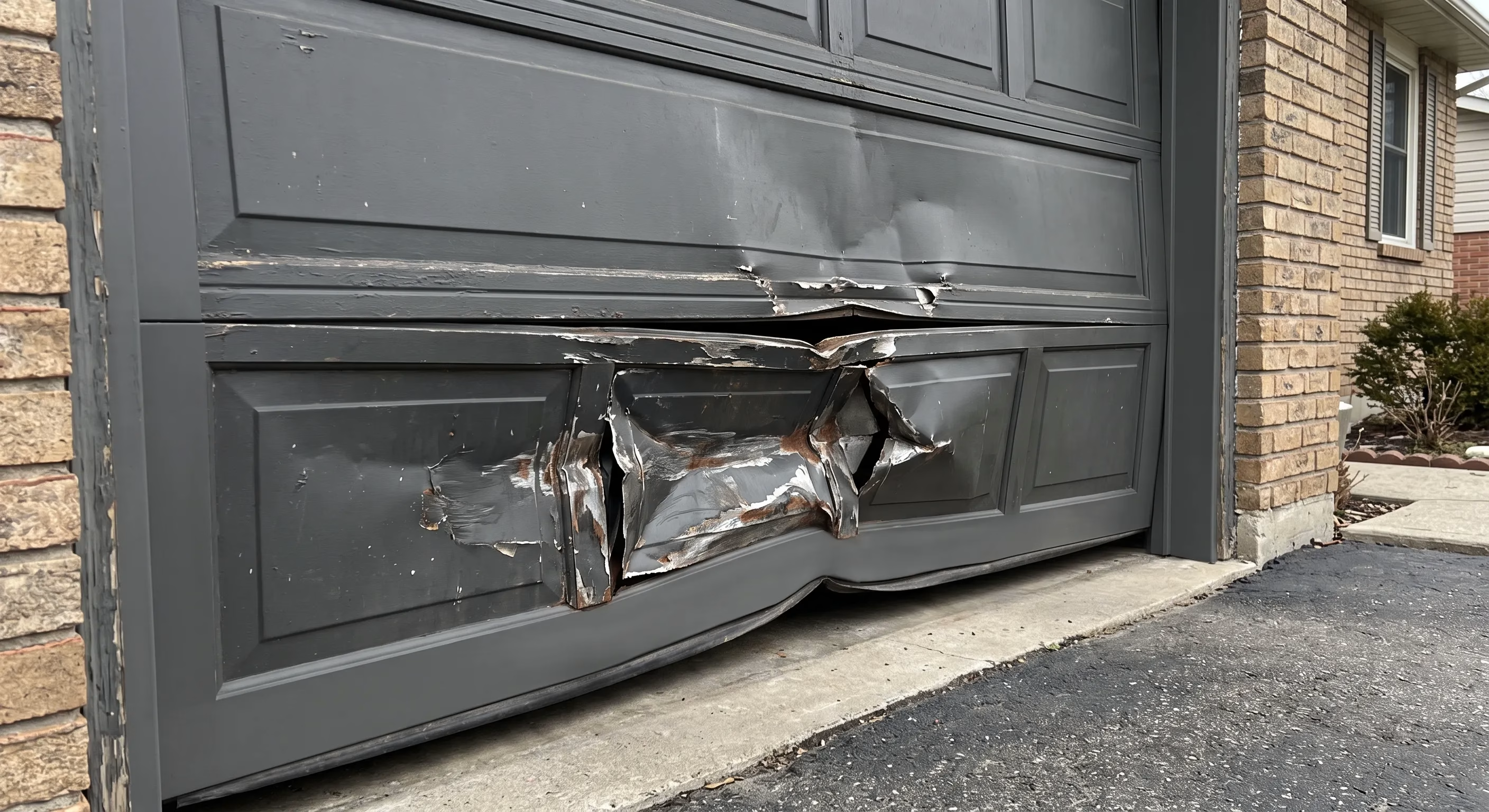
A damaged panel usually points toward a full garage door replacement when the damage has spread beyond one section, the door is older and no longer has matching parts available, or the cost of repeated repairs starts approaching what a new door would cost. A single dent or crack rarely means the whole door needs to go, but certain combinations of damage, age, and condition change that equation.
Understanding where that line sits can help homeowners avoid both an unnecessary replacement and a repair that will not hold up for long. For homeowners in Denver, local weather adds another factor worth weighing into that decision, since the pace of wear can differ quite a bit compared to milder climates. In many cases, a garage door panel replacement is still the more practical choice, and knowing when that line gets crossed makes the decision easier.
Signs the Damage Has Gone Beyond a Single Panel
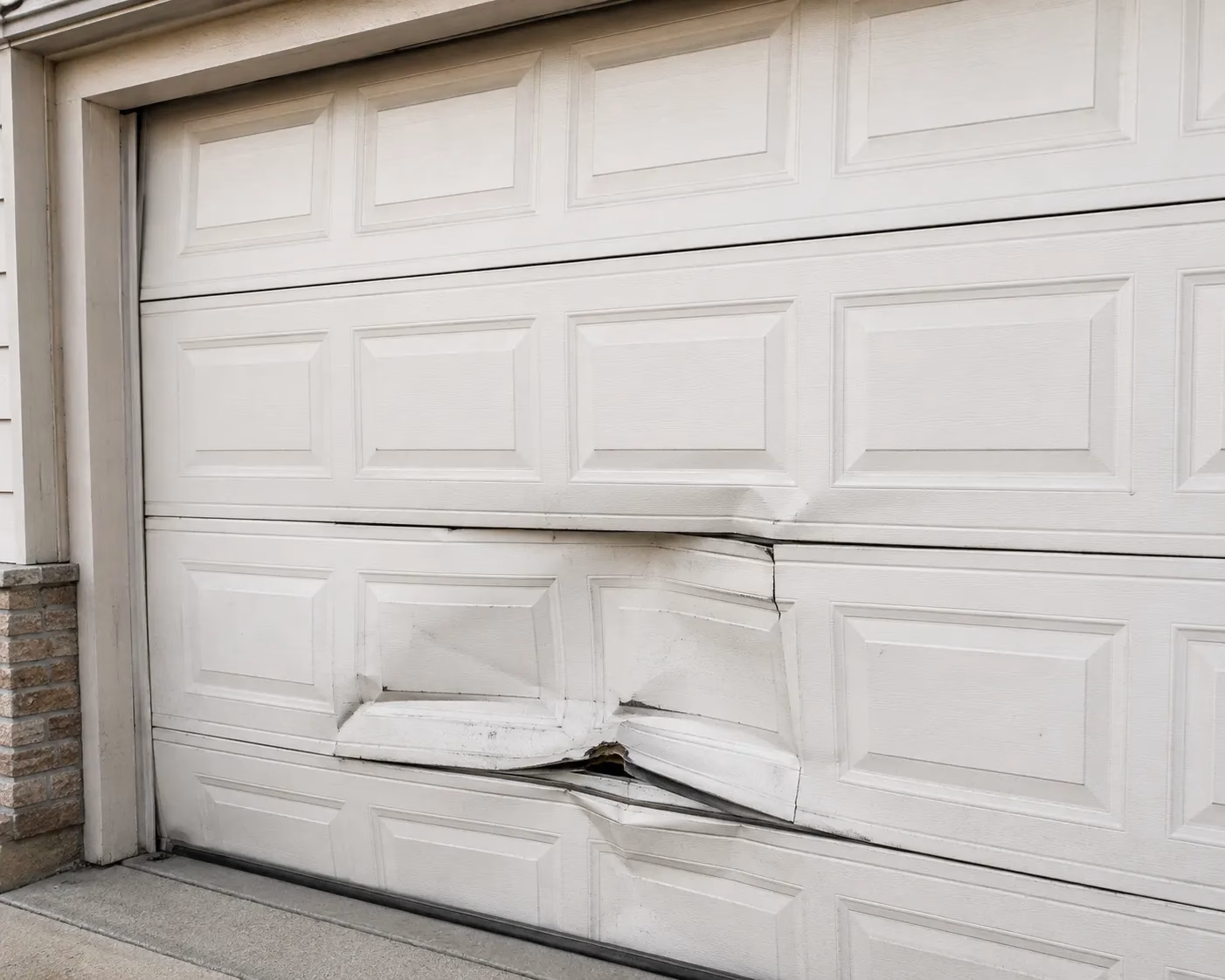
Some damage stays contained to the panel it started on, while other damage spreads into the surrounding structure. Recognizing the difference is the first step in deciding whether a garage door repair will actually hold up or whether a bigger project is really needed.
What Widespread Damage Usually Looks Like
- Multiple panels show dents, cracks, or warping rather than just the one that was originally damaged.
- The track or frame near the damaged area appears bent, loose, or misaligned.
- The door struggles to open and close evenly, or makes new noises it did not make before.
- Rust or moisture damage has spread beyond the original panel into nearby sections or hardware.
- Gaps have formed between panels where they used to sit flush against each other.
- The door feels heavier or lighter to operate than it used to, suggesting a balance issue beyond the panel itself.
None of these signs on their own always means the whole door needs replacing, but seeing several together is usually a stronger signal than any single one alone.
Before assuming a full replacement is necessary, it is worth confirming whether a single panel swap could still solve the problem. Our guide on Can a Damaged Garage Door Panel Be Replaced Individually? walks through how that decision typically works.
How the Age of Your Door Affects the Decision
An older garage door faces a different set of trade-offs than a newer one, mostly because of how hard it can be to find matching parts and how much wear has already accumulated across the whole structure over the years it has been in use. Consistent garage door maintenance can slow this process, but it does not stop the effects of age entirely.
Why Age Changes the Math on Repair vs Replacement
- Discontinued panel styles can make it difficult or costly to source a matching piece for an older door.
- Hardware like springs, rollers, and openers tends to wear down alongside the panels on older doors, adding to the overall repair need.
- Older doors may lack modern insulation or safety features that a newer replacement door would include.
- Warranty coverage on an older door has often expired, which removes one of the safety nets that come standard with a newer model.
- A door that has already needed multiple repairs over the years may be nearing the end of its practical lifespan.
A door’s age does not automatically decide the outcome, but it does shift the odds. A five-year-old door with one damaged panel is a very different situation from a fifteen-year-old door with the same damage and a history of previous repairs.
Understanding what causes panel damage in the first place can help homeowners gauge whether their door’s issues are typical wear or a sign of a bigger problem. Our article on Why Do Garage Door Panels Get Damaged So Easily? breaks down the most common causes worth watching for.
When Repair Costs Start Pointing Toward Replacement
At a certain point, repeated repairs on an aging door can add up to a significant portion of what a new door would cost, which is when it makes sense to compare the two paths directly rather than defaulting to another repair without checking the numbers first.
Cost Signals Worth Paying Attention To
- Multiple repair visits within a short span of time on the same door.
- A quote for repairing one panel that comes close to what a base-level new door would run.
- Ongoing issues with hardware that keep resurfacing even after previous repairs.
- A need to special-order parts repeatedly because the door’s original style is no longer produced.
- A technician noted that the door’s overall structure is showing wear beyond just the damaged panel.
When these signals start stacking up, it is worth requesting a direct comparison between a repair quote and a replacement estimate rather than assuming repair will always be the cheaper route.
Our breakdown on What Does Garage Door Panel Repair Really Cost? covers the factors that typically drive repair pricing, which can help homeowners compare that number against a replacement estimate.
What a Full Garage Door Replacement Involves
Choosing replacement over repair is a bigger decision, but it often comes with benefits beyond just fixing the immediate damage, especially for homeowners dealing with an older door that has accumulated wear across multiple parts over the years.
What Changes When You Replace Instead of Repair
- A new door typically comes with a full warranty, unlike a patched-together repair on an aging structure.
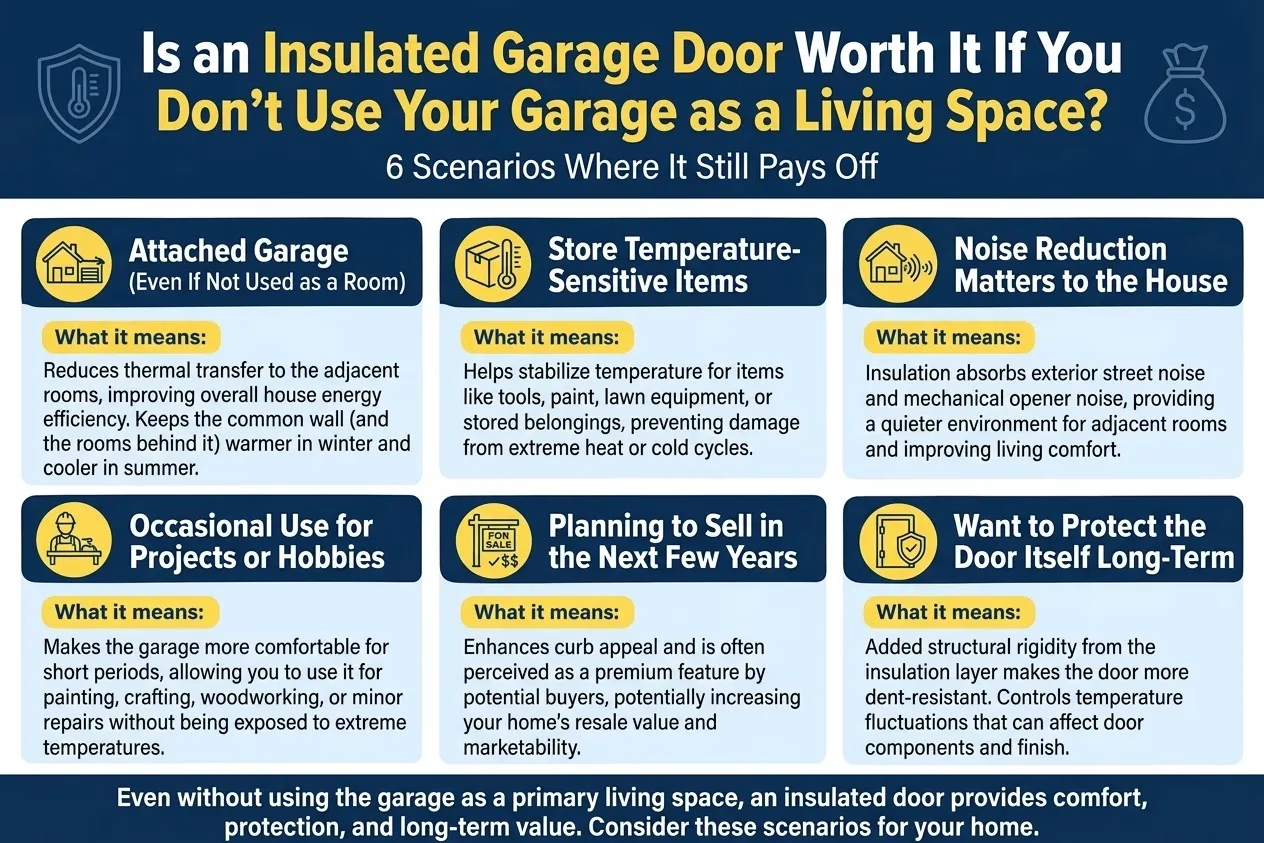
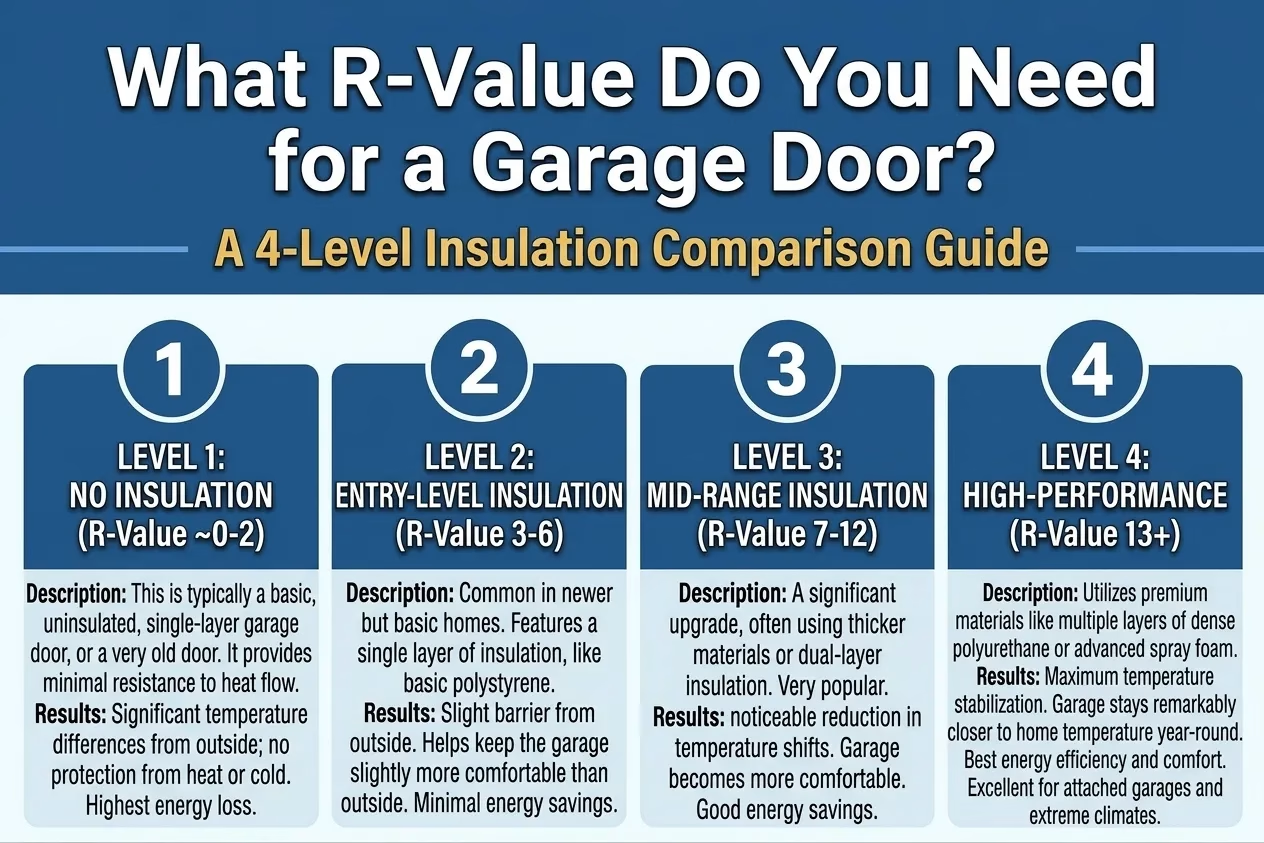
- Newer doors often include better insulation, which can help with energy efficiency throughout the year.
- Updated safety features on newer models can improve how the door performs with sensors and the opener system.
- A full replacement resets the clock on wear, rather than continuing to work around an aging structure.
- Newer materials and finishes tend to hold up better against the kind of weather exposure common in the Denver area.
These benefits do not mean replacement is always the better choice. For a door with one contained area of damage and no other issues, a repair is often still the more practical option.
Denver-Specific Factors in the Repair vs Replace Decision
Denver’s weather patterns can accelerate the wear that pushes a door from a simple repair into replacement territory. Hail, sun exposure, and sharp temperature swings all add stress that homeowners in milder climates may not deal with as often, which means doors in the area can reach that tipping point sooner than the manufacturer’s general estimate might suggest.
Local Conditions That Influence the Decision
- Frequent hail damage across multiple seasons can wear down several panels at once, rather than just one.
- High-altitude sun exposure can fade and weaken materials faster, shortening a door’s practical lifespan.
- Homes in more exposed areas along the Front Range may see faster wear on both panels and hardware.
- Homeowners who have already replaced several panels over the years may find that a full replacement is more cost-effective going forward.
Reviewing the types of garage doors available can help homeowners compare a full replacement against continuing to patch a single panel. Understanding types of garage doors makes it easier to see what a newer door could offer, and checking a door’s condition against current garage door safety standards can help homeowners decide whether an older door is due for more than another repair.
Making the Right Call for Your Garage Door
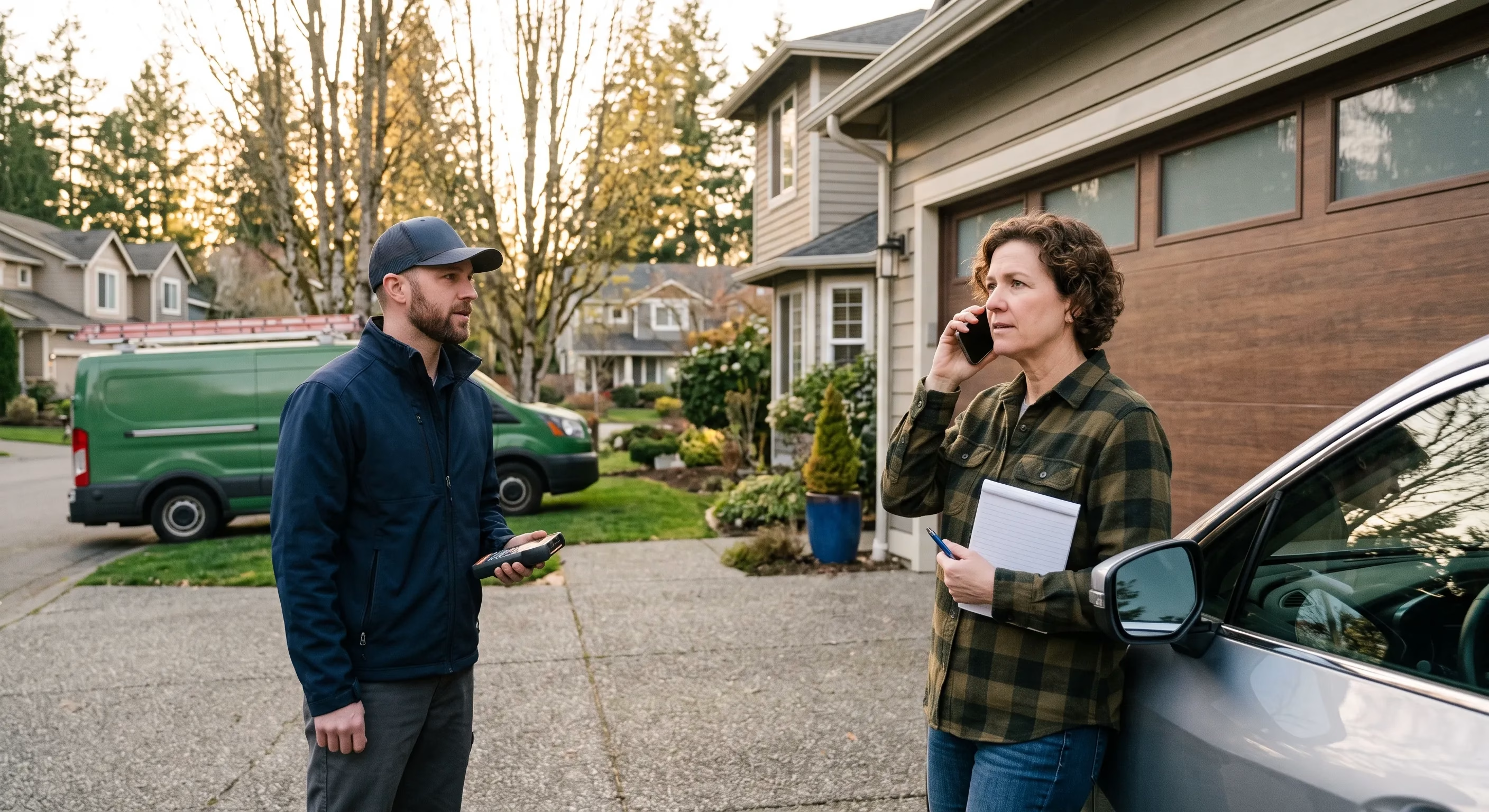
Deciding between a repair and a full replacement comes down to how contained the damage is, how old the door already is, and whether repair costs are starting to rival replacement pricing. None of these factors on their own always points to one answer, but looking at them together usually makes the right choice clearer, especially when a professional inspection confirms what is really going on beneath the surface.
If you are trying to decide whether your garage door needs a repair or a full replacement in the Denver area, Martin Garage Door can inspect the door and give you a recommendation based on its actual condition. Contact us or give us a call to get a clear answer before you decide.