
Most garage door problems do not develop overnight. They build gradually through skipped inspections, missed lubrication cycles, and hardware that is allowed to loosen over hundreds of open and closed cycles. In Denver, CO, where wide temperature swings between seasons put additional stress on mechanical components, a consistent service schedule is one of the most effective ways to prevent a noisy garage door from developing in the first place.
This guide breaks down exactly when to service your garage door, what to check at each interval, and how a structured maintenance routine keeps your system running quietly and reliably year-round. Staying on schedule also means smaller, more manageable garage door repair visits rather than emergency calls when a neglected component finally gives out.
Early Spring: Restart Your System After a Harsh Denver Winter
Spring is the most important service window for garage door owners in Denver, CO. Winter conditions are hard on every mechanical component of the system. Lubricants thin and lose effectiveness in cold temperatures, metal contracts and places stress on fasteners, and debris accumulates inside tracks during months of reduced visibility and maintenance. Everything that happened over winter shows up in spring.
What to Inspect During a Spring Garage Door Service in Denver, CO
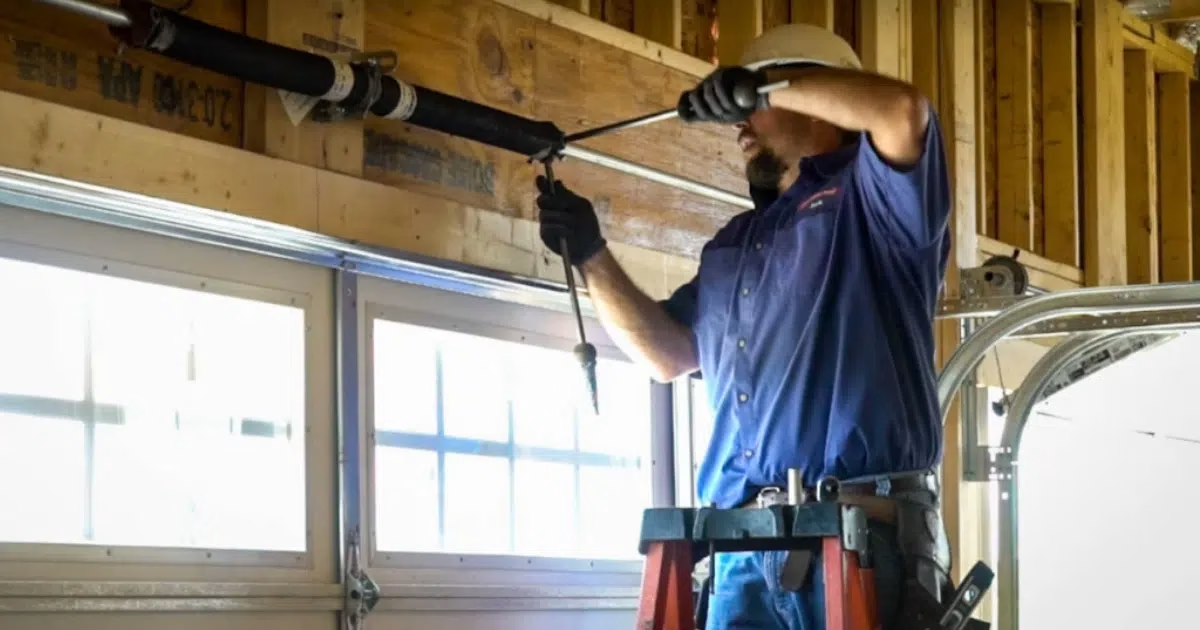
Before peak usage season begins, a full inspection of every moving component is the right starting point. A spring service check should cover:
- Lubricating all hinges, roller stems, torsion spring coils, and the opener drive system
- Checking every visible bolt and bracket for loosening caused by winter thermal cycling
- Clearing debris and salt residue from the inside of both tracks
- Testing the door balance by disconnecting the opener and manually lifting the door to waist height
If the door drops or rises on its own when held at waist height, spring tension is off and should be assessed before summer. What Causes a Noisy Garage Door covers each noise source so you can describe issues accurately during a service visit.
Late Spring: Fine-Tune Performance Before Peak Usage Season
Late spring brings consistently warmer temperatures and the beginning of the period when garage doors are used most frequently. A system that passed a basic spring check may still benefit from fine-tuning before it enters its highest usage months. Small adjustments made now prevent issues from developing during the summer months when service schedules tend to be busiest.
What Fine-Tuning a Garage Door Before Summer Includes
Late spring fine-tuning goes beyond basic lubrication and covers the operational performance of the system as a whole:
- Testing the auto-reverse safety feature by placing a flat board under the door and confirming it reverses on contact
- Checking the photo-eye sensors at the base of the door for alignment and lens clarity
- Inspecting the weatherstripping along the bottom and sides for cracking or compression damage from winter
- Listening for any new sounds that developed after the spring lubrication to identify components that may need closer attention
How to Address New Noises Identified During a Late Spring Check
If a noisy garage door sound appears or returns shortly after spring lubrication, the component producing it has likely worn past the point where lubrication alone is sufficient. Note the location and type of sound, the position in the door’s travel where it occurs, and whether it happens during opening, closing, or both. This information makes a technician’s diagnostic visit faster and more targeted.
Summer: Monitor Performance During High-Usage Months
Summer in Denver, CO, brings the highest daily usage for most garage doors, with families using the garage as a primary entry and exit point throughout the day. High usage accelerates wear on every component, and problems that were minor in spring can become noticeable by midsummer if they are not caught early.
How to Monitor Your Garage Door for Noise and Performance Issues During Summer
A visual and auditory check every two to three weeks is a practical standard during peak usage months. What to check during summer monitoring:
- Listen for any new grinding, squeaking, or rattling that was not present at the spring service
- Inspect the tracks at multiple heights for debris accumulation or signs of roller wear
- Check that the door opens and closes fully without hesitation or mid-cycle stopping
- Confirm the opener light and keypad are functioning normally as heat can affect electronic components
Early Fall: Prepare the System for Temperature Transition
Early fall is the transition window between the high-heat stress of summer and the cold-weather stress of winter. It is also an ideal time for a more comprehensive inspection because the door has just completed its most demanding usage period and the upcoming winter will place new stress on every component. Addressing wear now prevents issues from compounding over the colder months ahead.
What an Early Fall Garage Door Inspection Should Cover
A fall inspection is the most thorough check of the year for most Denver, CO homeowners. It should include:
- A full re-lubrication of all moving parts before temperatures begin dropping
- Inspection of the torsion spring for visible wear, gaps in the coils, or signs of rust
- Checking all cable conditions visually for fraying or uneven winding on the drums
- Testing the door’s travel limits on the opener to confirm they are set correctly before winter
Late Fall: Winterize Your Garage Door Before the First Freeze
As temperatures in Denver, CO, begin dropping toward freezing in November, garage door systems need to be prepared for the specific challenges of winter operation. Cold weather affects lubricants, metal tension, and electronic components in ways that are predictable and preventable with the right preparation.
How to Winterize a Garage Door in Denver, CO, Before Cold Weather Arrives
Late fall and winterization steps protect every component of the system through the coldest months:
- Apply a fresh coat of lubricant to all moving parts, as cold temperatures accelerate lubricant breakdown
- Inspect and replace weatherstripping if it has cracked or lost its seal from the summer heat
- Check the bottom seal for gaps that would allow cold air, moisture, and rodents into the garage
- Confirm the opener’s heating element is functional if the unit is equipped with one for cold-weather operation
Winter: Maintain Performance Through the Most Demanding Season
Winter is when garage door systems in Denver, CO, face their greatest mechanical challenge. Temperature swings between daytime highs and nighttime lows can span 40 degrees or more in a single day, creating repeated cycles of metal expansion and contraction that loosen hardware and stress seals. Consistent garage door maintenance through the winter months is what separates a system that stays reliable from one that fails at the worst possible time. Maintaining a basic monitoring routine through winter prevents small issues from becoming emergency repairs.
What to Check on Your Garage Door During the Denver, CO Winter Months
Winter monitoring does not require a full inspection on every check. A quick visual and functional test every two to three weeks is sufficient for most systems:
- Listen for any new noise that has developed since the last check, particularly grinding or popping
- Confirm the door reverses correctly on the auto-reverse test, as cold weather can affect sensor performance
- Check that the bottom seal is not frozen to the floor after an overnight temperature drop
- Inspect the opener remote battery, as cold temperatures reduce battery performance
According to the International Door Association’s care and maintenance guidance, routine inspections throughout the year are the most effective approach to long-term reliability.
If a noisy garage door develops suddenly during winter, do not wait until spring. What Happens When You Ignore a Noisy Garage Door covers the damage progression in detail.
Annual Professional Service: What a Technician Checks That Homeowners Cannot
Beyond seasonal self-monitoring, an annual professional service visit is the foundation of a reliable, quiet garage door system. There are components, tests, and adjustments that require professional tools and training that no amount of homeowner inspection can substitute for.
What a Professional Annual Garage Door Inspection Covers
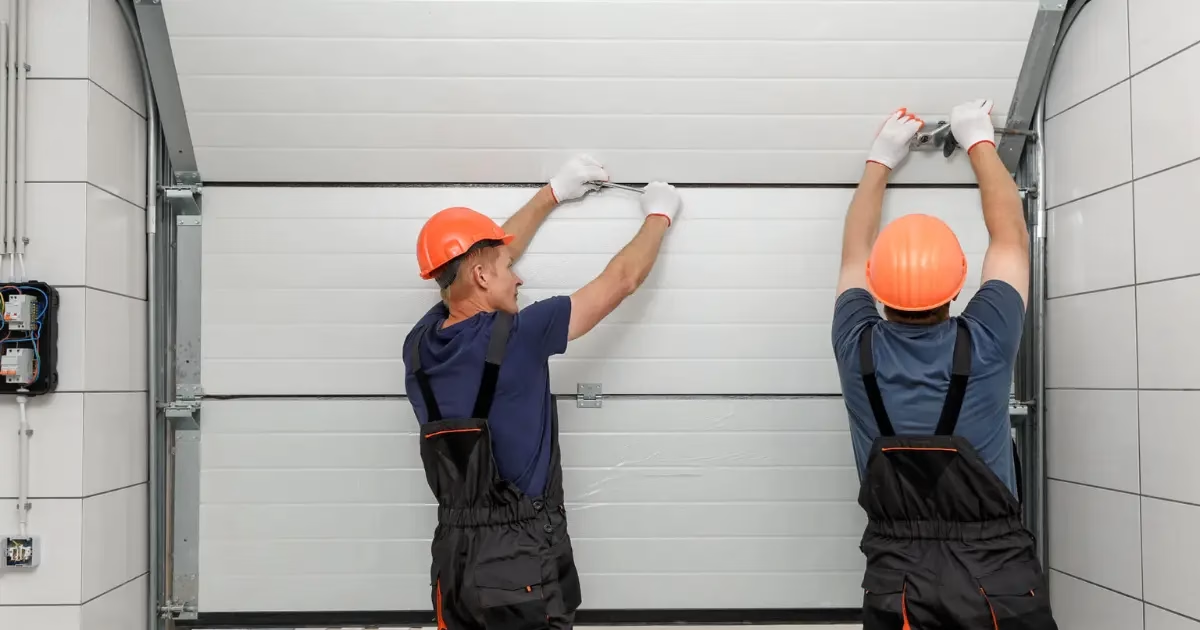
A licensed garage door technician performing an annual service visit goes beyond what is visible from the floor. Garage door springs in particular require calibrated tools and professional experience to test and adjust safely, making this one of the most important reasons to schedule annual professional service rather than relying on visual checks alone. A comprehensive professional inspection includes:
- Spring tension testing and adjustment using calibrated tools to confirm proper door balance
- Cable condition assessment, including inspection of the drum and cable anchor points
- Opener force and limit adjustment to confirm the door stops and reverses correctly under load
- Full hardware tightening using proper torque specifications on brackets, hinges, and track fasteners
For a detailed breakdown of exactly which parts produce which types of noise when they begin to wear, Which Garage Door Parts Are Making All That Noise covers every component with specific noise profiles and inspection guidance.
For a comprehensive guide on what to expect when scheduling garage door service and maintenance, Angi’s resource on how to inspect and maintain your garage door provides a useful homeowner reference.
A Consistent Service Schedule Is the Simplest Way to Stay Ahead
A noisy garage door is almost always a preventable garage door. The mechanical components that produce noise when they wear out are the same components that respond well to consistent lubrication, regular inspection, and timely professional service. In Denver, CO, where seasonal extremes accelerate wear, a structured maintenance schedule is not optional. It is the practical approach to protecting a system that your household depends on every single day.
Martin Garage Door brings professional garage door service to homeowners throughout the Denver, CO area, covering everything from seasonal tune-ups to comprehensive system inspections and noisy garage door repair. Whether you are building a new maintenance routine or addressing a system that has been neglected, our licensed technicians are ready to help. Contact us or give us a call to schedule your garage door service appointment before the next season arrives.