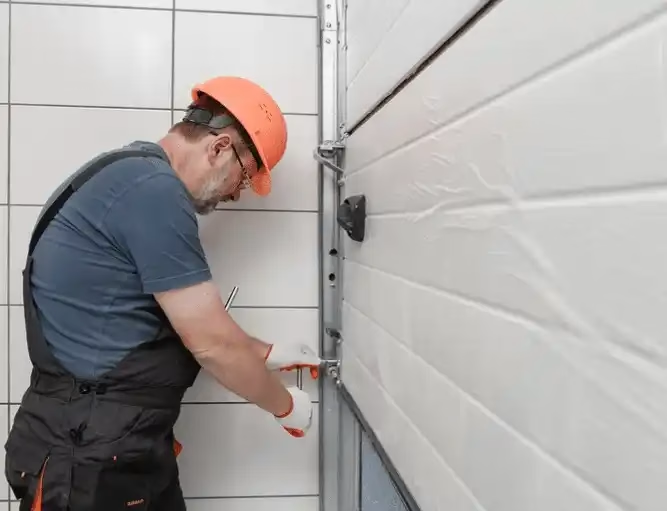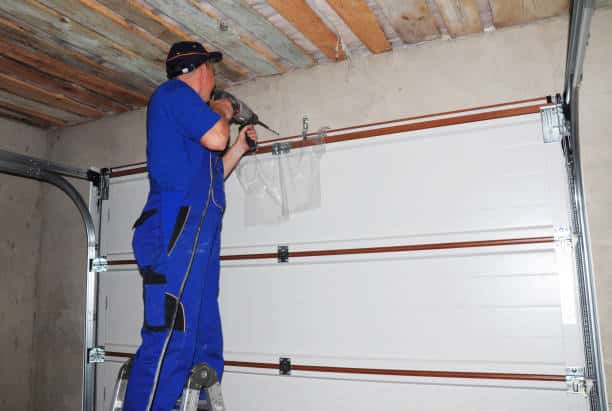
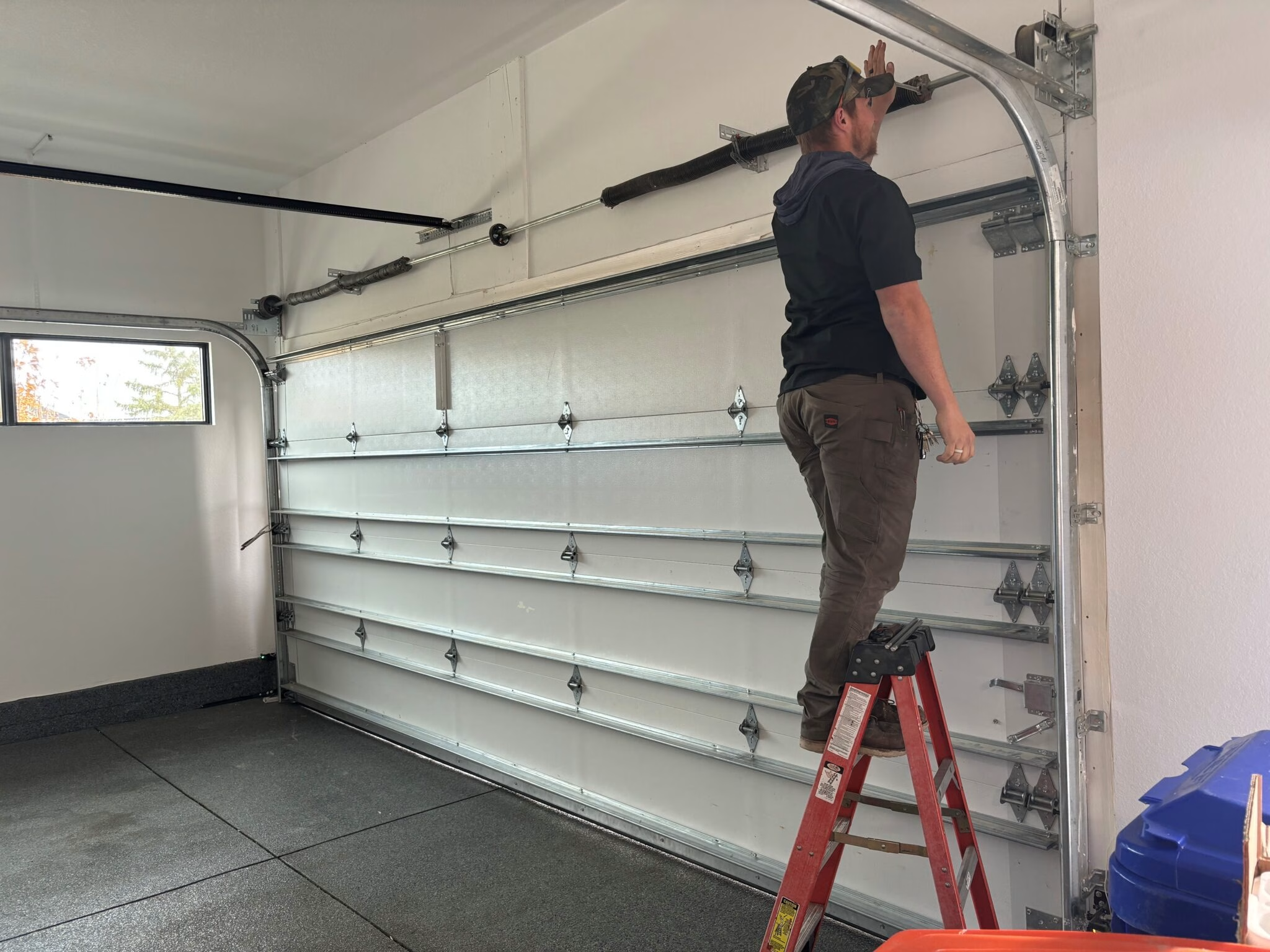
Not all garage door noise sounds the same, and that is actually useful information. A grinding sound points to a different problem than a rattling one. A squeak at a specific point in the travel means something different than a bang at the end of the cycle. Knowing which part is producing which type of noise is the first step toward an accurate diagnosis and a targeted noisy garage door repair.
This guide breaks down the most common garage door parts that produce noise, what each sound typically indicates, and what a homeowner in Denver, CO, can reasonably inspect before calling a licensed technician.
Rollers: The Source of Most Grinding Noise
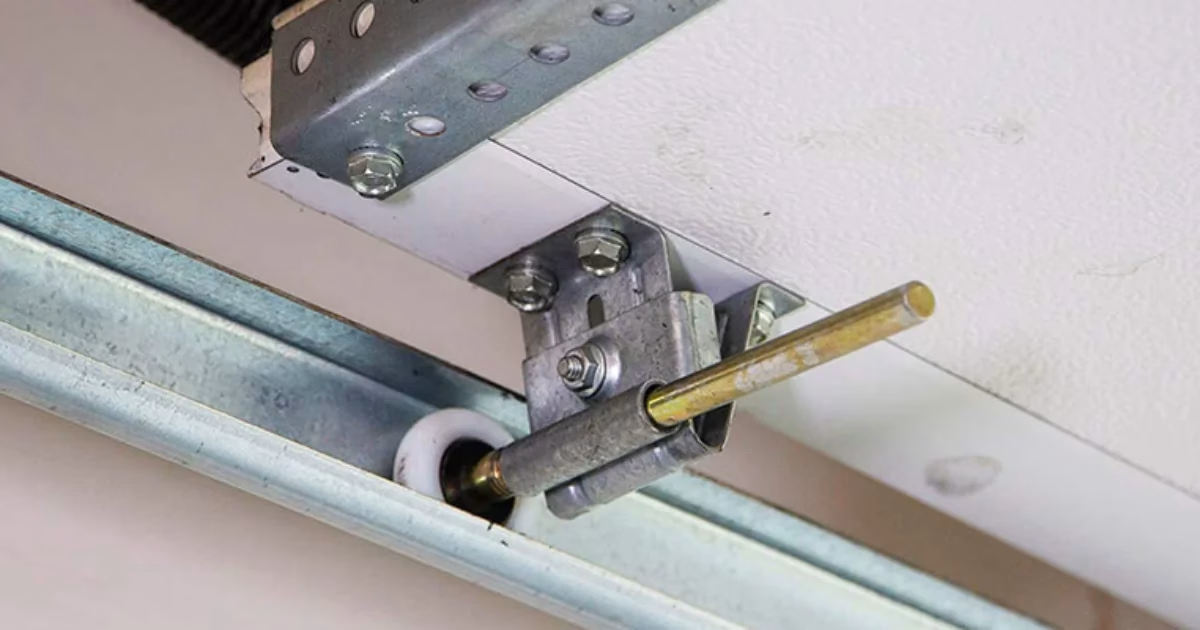
Rollers are small wheels attached to each side of the door panels that ride inside the vertical and horizontal tracks. They are in constant contact with metal surfaces during every cycle, which makes them one of the most common sources of noise in a garage door system. When rollers wear out or lose lubrication, the friction they generate produces a grinding or squealing sound that is hard to miss.
How to Identify Worn or Dry Rollers as the Source of Garage Door Noise
Roller noise tends to be consistent throughout the full travel of the door rather than isolated to one specific point. This is what distinguishes roller noise from hinge or bracket noise. Signs that rollers are the source include:
- A grinding or squealing sound that continues from the moment the door begins moving until it stops
- Visible flat spots, cracks, or chips on the surface of the roller wheel
- Rollers that wobble noticeably inside the track rather than rolling smoothly
- Metal shavings or dark residue visible on or below the track
Apply a silicone-based lubricant to roller stems first. If the noise returns quickly or lubrication has no effect, the rollers are worn beyond the point of compensation and should be replaced. What Happens When You Ignore a Noisy Garage Door covers what happens when roller wear and other issues are left unaddressed.
Hinges: The Source of Squeaking at Specific Panel Joints
Hinges connect the individual sections of a sectional garage door and allow the panels to fold as the door travels through the curved portion of the track. Each hinge pivots on a steel pin, and over time, that pin and the surrounding metal wear against each other. The result is a distinct squeaking or grinding sound that occurs at specific, repeatable points during the door’s travel rather than continuously.
How to Pinpoint Hinge Noise on a Sectional Garage Door
Because hinges are positioned at specific locations along the door, the noise they produce is localized. A homeowner can usually identify which hinge is the source by watching and listening during a slow manual operation of the door. Signs of hinge-related noise include:
- A squeak or creak that occurs at the same point in the travel every single cycle
- Visible rust, metal dust, or discoloration around the hinge pivot point
- A hinge that visibly flexes or moves more than it should during operation
- Holes in the hinge that are no longer round due to wear on the pivot pin
Worn hinges show elongation of the pivot hole, causing the pin to wobble rather than rotate cleanly. Replacement is the only lasting solution once the hole is no longer round. What Causes a Noisy Garage Door provides the broader system-level context.
Torsion and Extension Springs: The Source of Popping and Creaking
Garage door springs are the most mechanically stressed components in a garage door system. Torsion springs sit above the door on a horizontal bar and wind and unwind with each cycle. Extension springs run along the horizontal tracks on both sides and stretch and contract. Both types produce noise as they approach the end of their service life, and both types present serious safety risks if they fail.
How to Recognize Spring Noise Versus Other Types of Garage Door Noise
Spring noise has a distinct character that sets it apart from roller or hinge noise. It tends to be sudden and sharp rather than continuous. Indicators that the springs are the source of the noise include:
- A loud pop or snap at the very beginning of the opening cycle when the spring engages
- A deep creaking that increases in volume over weeks or months
- A door that feels noticeably heavier to lift manually than it used to
- Visible gaps or separations in the coils of a torsion spring
According to The Spruce’s guide on replacing garage door springs, this is one garage door repair that should always be handled by a professional, regardless of the homeowner’s general DIY experience level.
Tracks: The Source of Scraping and Binding Noise
The tracks guide the rollers from floor level up the vertical section and along the horizontal run toward the back of the garage. When tracks are bent, misaligned, or filled with debris, the rollers cannot travel smoothly, and the resulting friction produces a scraping or grinding sound that is often loudest at a specific point in the door’s travel.
How to Identify Track-Related Noise in a Garage Door System
Track noise is usually distinguishable from roller noise because it tends to be concentrated at one point rather than throughout the full cycle. If the door sounds normal for most of its travel but produces a sudden grinding or binding sound at a specific height, the track is more likely to be the source. Signs include:
- A scraping sound that occurs at the same height every cycle
- Visible dents, bends, or crimps in the track at the location where the noise is loudest
- Rollers that visibly struggle to pass a specific point in the track
- A door that vibrates or shakes at a particular position during travel
Cables: The Source of Snapping or Fraying Sounds
Cables run alongside the door on both sides and work in combination with the springs to support the door’s weight during operation. They wrap around a drum at the top of the door and unwind as the door opens. When cables begin to fray or wear through, they produce a snapping or whipping sound that is distinct from the grinding of rollers or the creaking of springs.
How to Identify Cable Noise and Assess Cable Condition Safely
Cable inspection should be done visually from a safe distance. Do not touch or handle cables under any circumstances, as they are under significant tension and can cause serious injury if they snap. Signs of cable-related noise or wear include:
- A sharp snapping sound that occurs during the opening or closing cycle
- Visible fraying, kinking, or unwinding of the cable near the drum or bottom bracket
- A door that hangs unevenly, with one side lower than the other
- A cable that appears slack or has jumped off the drum
If you notice any of the signs above, stop using the door and schedule a noisy garage door repair appointment immediately. As noted by Angi’s resource on broken garage door springs and cables, cable and spring issues are among the most urgent repairs in any garage door system.
The Opener Drive System: The Source of Clanking and Grinding From Above
The noise from a garage door opener is distinct from the noise produced by the door’s mechanical components because it comes from above the door rather than from the door itself. Opener noise tends to be consistent across every cycle rather than varying with the position of the door. The type of noise depends on the drive system in use.

How to Identify Whether the Opener or the Door Is the Source of the Noise
Distinguishing opener noise from door noise is straightforward. Disconnect the opener by pulling the emergency release cord and manually operate the door. If the noise disappears during manual operation, the opener is the source. If the noise persists, the mechanical components of the door are responsible. Opener-specific noise includes:
- A rattling or clanking sound from a chain-drive unit with a loose or dry chain
- A grinding noise from a screw-drive opener with a dry or worn drive rod
- A slapping sound from a belt-drive unit with a stretched or cracked belt
- Vibration transmitted through the ceiling from loose motor mount bolts
What Opener Noise Indicates and When Replacement Makes More Sense Than Repair
Loose chains and dry drive systems can often be addressed with adjustment and lubrication. However, if the opener is more than 10 to 15 years old and producing significant noise despite maintenance, replacement is worth considering. Scheduling a professional garage door maintenance visit is the most reliable way to assess whether the opener and its drive system are still performing within acceptable parameters. Modern openers are significantly quieter than older models, and a belt-drive unit in particular represents a meaningful noise reduction compared to older chain-drive systems.
Each noise type points to a specific component that can be inspected or replaced. When to Service Your Garage Door for Peak Performance walks through the full annual maintenance calendar for Denver, CO, homeowners.
Knowing Which Part Is Noisy Puts You in Control
Understanding which component is responsible for the noise in your garage door system is the most important step toward an efficient and cost-effective repair. In Denver, CO, where seasonal temperature swings accelerate wear on mechanical components, staying informed about what each noise means helps you act before a minor issue becomes a major one.
Whether the source of your noisy garage door turns out to be worn rollers, fatigued springs, damaged cables, or an aging opener drive, each issue is identifiable and addressable with the right expertise. Martin Garage Door provides professional garage door inspections and noisy garage door repair services throughout the Denver, CO area. Our licensed technicians are equipped to diagnose the exact source of the noise and resolve it efficiently. Contact us or give us a call to schedule your garage door inspection and get your system running quietly again.