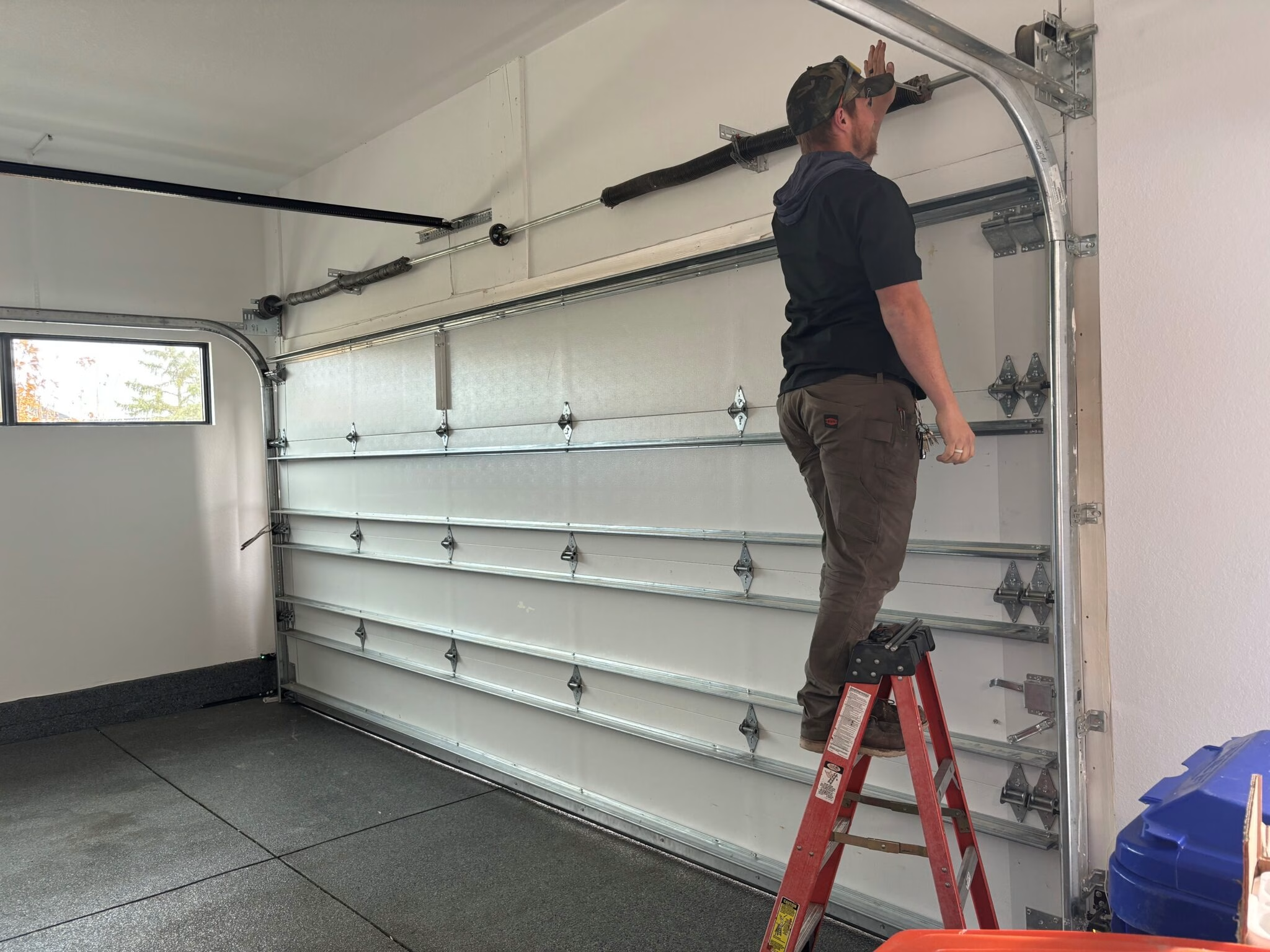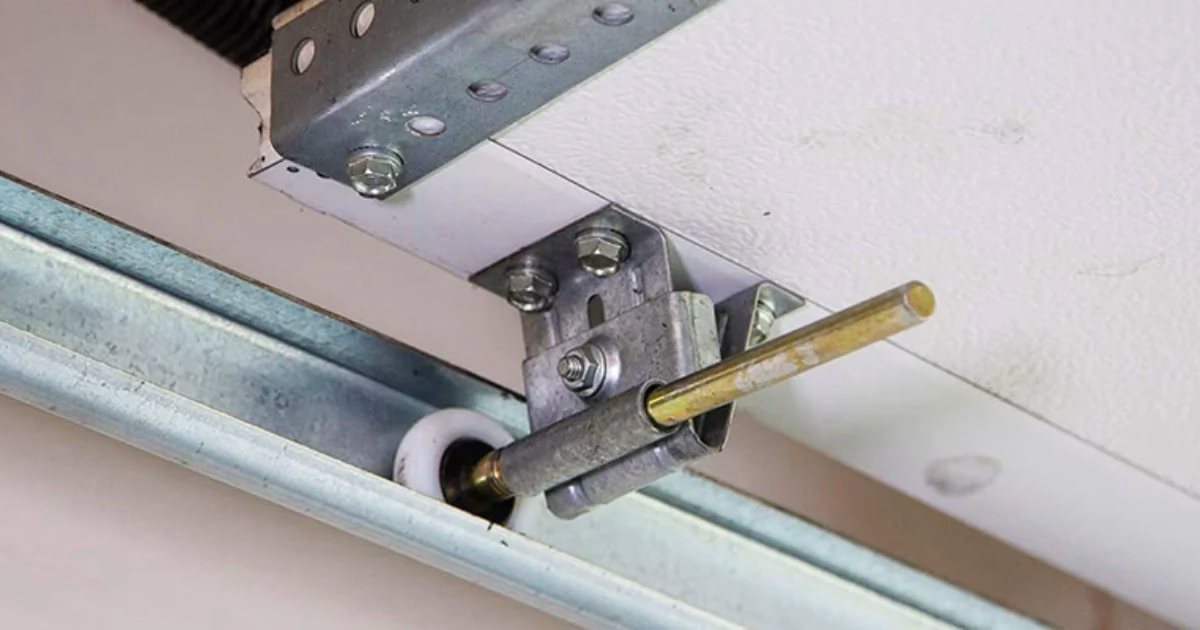
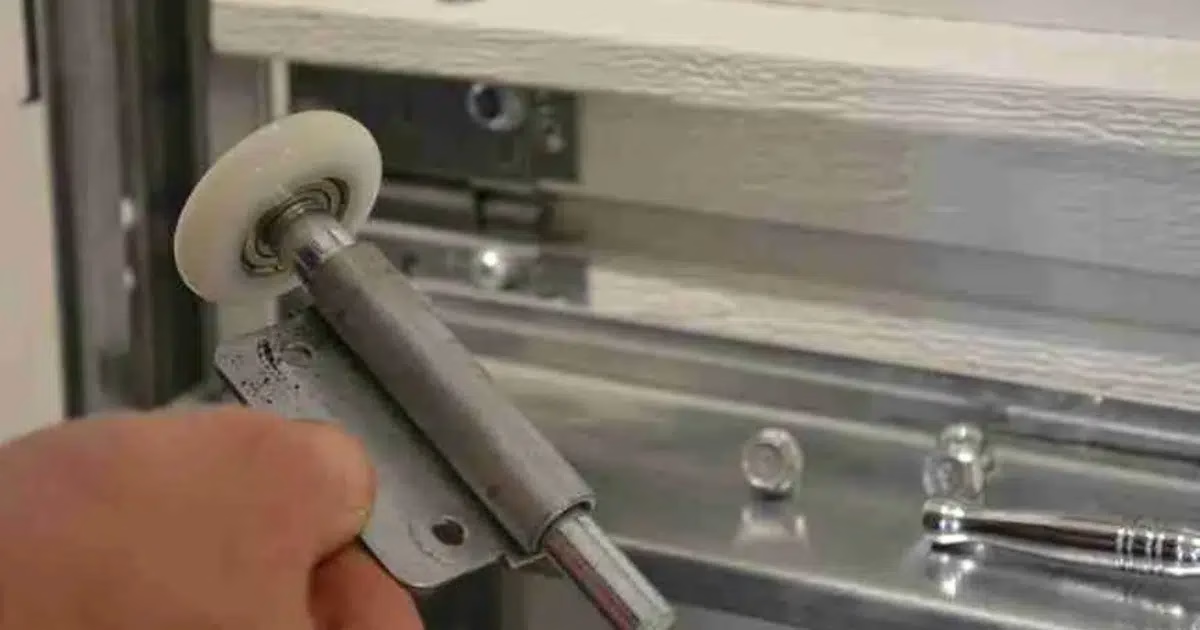
A garage door relies on several parts working together to move smoothly. The track plays an important role because it guides the rollers as the door travels up and down. When that track becomes bent or misaligned, the door may still move for a while, but the entire system begins to experience extra strain that can eventually lead to needed garage door repair.
Many homeowners in Denver, CO, assume a bent garage door track is only a minor cosmetic issue. In reality, the track directly affects how the door moves, balances, and responds to the opener. When the rail is damaged, the rollers cannot travel evenly, which can affect several other components.
Why the Garage Door Track Is So Important
The track is designed to keep the garage door moving in a controlled path. Each roller follows the rail as the door opens vertically and then curves along the ceiling. When the track bends, the rollers can no longer follow the rail smoothly. This creates resistance that affects the entire door system.
Even small changes in alignment can cause the door to move unevenly or place additional pressure on mechanical parts.
If you want to understand what causes track damage and the steps homeowners should take, review Bent Garage Door Track: What Causes It and What to Do.
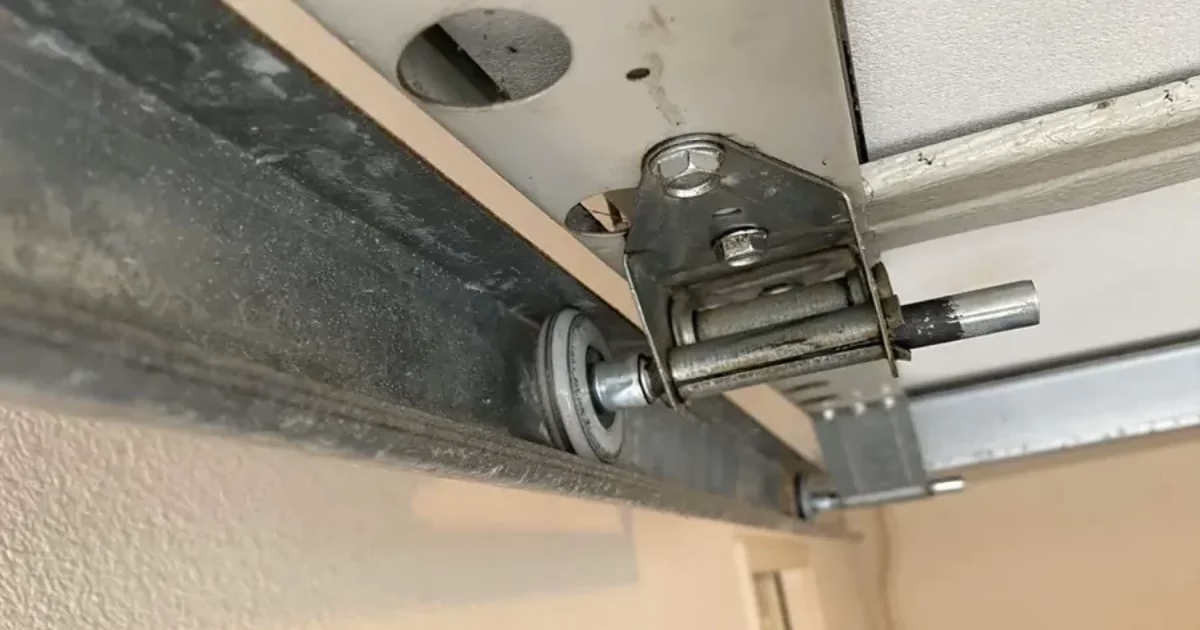
7 Ways a Bent Track Can Affect Your Garage Door
The Door May Move Slower Than Normal
One of the first effects homeowners notice is slower door movement.
When the track is bent, the rollers must work harder to pass through the damaged section. This resistance slows the door as it travels along the rail.
What Homeowners May Notice
- The door hesitates when opening
- The opener takes longer to lift the door
- The door pauses briefly during movement
Although the door may still operate, the extra strain can gradually affect other components.
Extra Pressure on the Garage Door Opener
Garage door openers are designed to lift doors that move smoothly along their tracks. When the rail bends, the opener motor must work harder to overcome resistance.
Over time, this added workload may reduce the lifespan of the opener.
Possible Signs
- The opener sounds louder than usual
- The motor struggles to lift the door
- The door reverses unexpectedly
Increased Wear on Rollers
Rollers are designed to glide along the track with minimal friction. When the track becomes bent, rollers may rub against the metal rail instead of rolling smoothly.
This friction can wear down roller wheels faster than normal.
Effects of Roller Wear
- Rollers becoming noisy
- Rollers wobbling inside the track
- Rollers wearing unevenly
If rollers begin to struggle inside the track, homeowners may first notice the warning signs explained in How To Tell If Your Garage Door Track Is Bent.
Uneven Door Balance
A garage door depends on balanced movement between both sides of the track. If one side becomes bent, the door may shift slightly during operation.
This imbalance can affect how the door closes and how the springs distribute weight.
What This Can Cause
- One side of the door appears higher
- The door is leaning while opening
- Uneven pressure on springs
Uneven balance can gradually affect the door’s overall performance.
Increased Stress on Springs and Cables
Garage door springs and cables help lift and stabilize the door. When the track becomes bent, these parts may begin compensating for the uneven movement.
Over time, the added strain may shorten the lifespan of these components.
Potential Issues
- Springs wear out faster
- Cables pulling unevenly
- Door movement is becoming jerky
This is why track problems should not be ignored for long periods.
The Door May Become Unstable
A severely bent track can cause the door to move unpredictably.
Instead of gliding smoothly, the door may jerk or shake while opening.
Warning Signs
- Sudden door vibration
- Rollers jumping inside the track
- The door appears unstable while moving
If these issues worsen, it may indicate a more serious alignment problem.
The Door May Eventually Stop Operating
If track damage continues to worsen, the rollers may eventually reach a point where they cannot move through the rail.
When this happens, the garage door may stop operating entirely.
Situations That Can Occur
- The door can become stuck halfway
- The opener stops lifting the door
- Rollers leave the track
In more severe cases, issues like a garage door that won’t close can develop when track alignment prevents smooth movement.
When these symptoms appear, it may signal a more urgent situation, as explained in When A Bent Garage Door Track Needs Immediate Repair.
Why Ignoring Track Damage Can Lead to Bigger Repairs
Some homeowners continue using the garage door even after noticing unusual movement. While the door may still operate temporarily, the strain placed on the system can slowly affect other parts.
Rollers, springs, and the opener motor all depend on proper track alignment. When the rail becomes bent, these components may wear down faster.
Addressing the issue early often helps prevent more complicated repairs later.
How Technicians Evaluate Track Damage
Professional garage door technicians usually inspect several areas of the system when evaluating a bent track.
- Track Alignment
Technicians check whether the rail remains straight and properly secured to the wall.
- Roller Movement
Rollers are inspected to ensure they move smoothly through the track.
- Door Balance
Spring tension and door balance are evaluated to ensure the door moves evenly.
- System Performance
The opener and safety sensors are tested to confirm that the door operates safely.
A full inspection helps determine whether the track needs adjustment or replacement.
Protecting Your Garage Door System
Regular maintenance helps keep the entire garage door system operating efficiently.
Simple steps that help protect the system include:
- Scheduling periodic garage door inspections
- Addressing unusual noises early
- Avoiding accidental impact with the track
- Keeping rollers properly maintained
These small habits can reduce the risk of track damage and extend the life of the door system. Scheduling a routine garage door tune-up can help identify alignment issues, worn rollers, and loose hardware before they affect performance.
How Track Damage Can Affect Garage Door Safety
A bent garage door track can impact more than just how the door moves. Because the track guides the rollers, damage to this rail can affect the stability of the entire garage door system.
- Uneven Door Movement
When the track is bent, the rollers may not follow a straight path. This can cause the door to move unevenly while opening or closing. - Extra Pressure on Door Components
A misaligned track may place additional strain on parts such as springs, hinges, and cables. Over time, this added pressure can increase wear on these components. - Door Instability During Operation
The door may shake, jerk, or vibrate while moving if the rollers struggle inside the track. - Higher Risk of Mechanical Problems
If the issue continues, the door system may experience more serious mechanical strain that affects overall performance.
Why Professional Inspection Is Often Recommended
A bent track is usually part of a larger mechanical system. Because several components work together to move the door, a professional inspection can help determine the full extent of the issue.
- Track Alignment Evaluation
Technicians check whether the rail is straight and properly secured to the wall. - Roller Condition Inspection
Rollers are examined to see if they are worn, misaligned, or struggling inside the track. - Garage Door Balance Testing
Professionals check whether the springs and cables are distributing the door’s weight evenly. - Opener Performance Check
The garage door opener is tested to confirm it is not being strained by the damaged track.
These steps help determine whether the track needs adjustment or replacement and ensure the garage door continues operating safely.

Professional Garage Door Track Help in Denver
A bent garage door track can affect much more than the rail itself. When the track becomes misaligned, the entire door system may experience added strain that affects rollers, springs, and the opener motor.
If your garage door is not moving smoothly or appears uneven, the experienced technicians at Martin Garage Door can inspect the system and determine the safest solution. Their team understands the conditions garage doors face in Denver and provides dependable service that restores smooth and reliable door operation. Contact us or give us a call today to schedule a professional inspection.