A garage door track guides the rollers as the door opens and closes. When the track is straight and properly aligned, the door moves smoothly without hesitation. When it becomes bent, the door may start showing small warning signs that many homeowners overlook at first and that may point to the need for professional garage door repair.
In Denver, CO, garage doors deal with frequent temperature changes, daily use, and occasional accidental impact from vehicles or equipment. Over time, these factors can affect the alignment of the track. Recognizing the early signs of a bent garage door track can help prevent more serious problems with the door system.
Why Identifying Track Problems Early Is Important
Garage door tracks are responsible for guiding the rollers that support the movement of the entire door. If the track becomes bent, the rollers may no longer move in a straight path.
This can cause the door to place extra pressure on garage door springs, hinges, and the opener motor. While the door may still operate temporarily, continued use can slowly worsen the damage.
Identifying track issues early allows homeowners to schedule service before the problem spreads to other parts of the garage door system.
If you want to understand the broader causes and overall solutions related to this issue, read Bent Garage Door Track: What Causes It and What to Do.

Signs Your Garage Door Track May Be Bent
The Garage Door Moves Unevenly
One of the first signs of a bent track is uneven movement when the door opens or closes. The door may appear slightly tilted or may move faster on one side.
Because the rollers depend on the track for guidance, any bend in the rail can cause the door to lose balance.
What You May Notice
- One side of the door rises before the other
- The door looks crooked while moving
- The door struggles to stay level
Uneven movement is often an early indicator of misalignment.
Scraping or Grinding Sounds
Garage doors normally produce a steady mechanical sound when opening. If the track becomes bent, the rollers may rub against the metal rail instead of rolling smoothly.
This can produce scraping or grinding sounds.
Common Indicators
- Metallic scraping near the track
- Louder operation than usual
- Vibration when the door moves
These sounds often appear before the damage becomes visible.
Visible Dents in the Track
In some cases, homeowners can see the damage directly. A bent track may show dents or small indentations along the metal rail.
This often happens after accidental contact with a vehicle or large object.
Areas Worth Checking
- The vertical track near the garage floor
- The middle section is attached to the wall
- The curved section leading toward the ceiling
Even a small dent can interfere with roller movement.
Rollers Struggling to Move Through the Rail
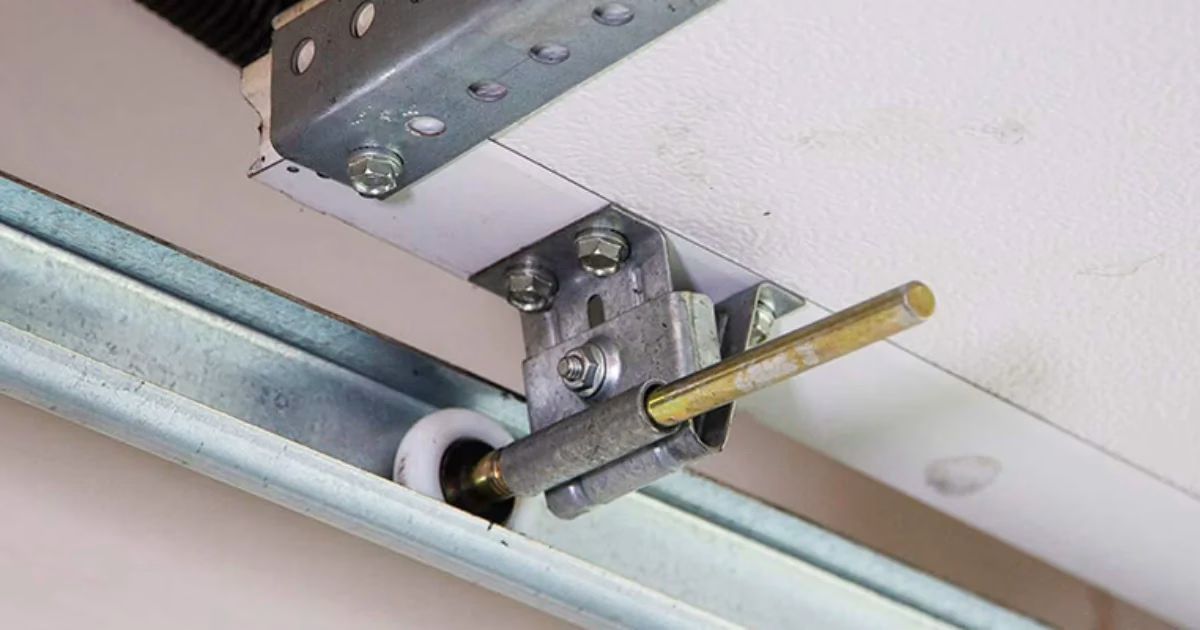
Rollers should glide smoothly along the track. When the rail bends, the rollers may catch or hesitate at certain spots.
This can cause the door to jerk as it moves.
Signs of Roller Resistance
- Rollers shaking inside the track
- Rollers are slowing down at certain points
- Rollers making contact with the edge of the rail
If the rollers repeatedly struggle in the same area, that section of track may be bent.
The Door Stops Halfway When Opening
Garage door openers include safety features that stop the door if resistance is detected. A bent track may cause enough resistance to trigger this safety response.
What Homeowners May Experience
- The door stops midway during operation
- The opener reverses unexpectedly
- The door requires multiple attempts to open
When this happens, it often means the rollers are struggling to move through the track. DASMA’s guidance on garage door openers reinforces the importance of a door path that moves freely so the operator is not working against unnecessary resistance.
The Garage Door Appears Crooked
A bent track can affect how the door sits inside the opening. When the door closes, one side may appear slightly lower or higher.
Visual Signs
- Uneven bottom seal along the floor
- Small gaps along one side of the door
- The door leans slightly when closed
This can indicate that the rollers are not traveling evenly through both tracks.
If left unchecked, this imbalance can affect other door components, which is explained further in What A Bent Garage Door Track Means For Your Door.
Gaps Between the Rollers and the Track
Rollers should sit securely inside the rail. When the track bends outward or inward, the rollers may appear loose or pressed tightly against one side.
What to Look For
- Rollers leaning against the rail
- Uneven spacing around the roller wheels
- Rollers rubbing against the outer track edge
These alignment changes often occur before more serious track damage develops.
Basic Visual Inspection Tips for Homeowners
Homeowners can perform a quick visual inspection to identify possible garage door track problems before they worsen. These simple checks can reveal early warning signs of bending or misalignment.
- Look Down the Length of the Track
Stand inside the garage and follow the track from the bottom near the floor up toward the ceiling. The rail should appear straight and evenly aligned. Any visible dents, warping, or inward bends may indicate track damage. - Watch the Door While It Moves
Open and close the garage door while observing the rollers. They should glide smoothly along the track. If the rollers shake, hesitate, or catch in certain areas, the track may be bent or misaligned. - Check the Track Mounting Brackets
Inspect the metal brackets that secure the track to the wall. These brackets should sit firmly in place. Loose bolts or shifting brackets can allow the track to move slightly, which may eventually cause bending. - Pay Attention to Unusual Sounds
Garage doors often signal problems through sound. Scraping, rattling, or grinding noises during operation can indicate friction between the rollers and the track. Unusual sounds are often an early sign that the track may need attention.
IDA’s garage door system safety and maintenance tasks offer additional guidance for homeowners who want to understand what can be inspected visually and what should be left to a technician.
When Track Damage Should Not Be Ignored
A slightly bent track may still allow the door to move. However, certain warning signs suggest the issue should be addressed quickly.
For example:
- Rollers repeatedly slipping out of the rail
- The door is becoming increasingly crooked
- Loud grinding sounds during operation
In these situations, it may be safer to stop using the door until it has been inspected. More serious warning signs are explained in When A Bent Garage Door Track Needs Immediate Repair.
How Homeowners Can Help Prevent Track Damage
Although garage door track damage can sometimes happen unexpectedly, a few simple habits can significantly reduce the risk and help keep the door operating smoothly.
- Keep the Track Area Clear
Avoid placing large items such as storage bins, bicycles, or tools close to the garage door tracks. Objects near the track can easily bump or press against the rail and cause dents or misalignment over time. - Allow the Door to Fully Open
Always wait until the garage door has completely opened before moving a vehicle in or out. Accidental contact with a car bumper or mirror is one of the most common reasons garage door tracks become bent. - Watch for Early Warning Signs
Pay attention to small changes in how the garage door operates. Unusual noises, shaking, or uneven movement often appear before more serious track damage develops. - Schedule Routine Garage Door Maintenance
Periodic professional garage door maintenance can identify loose brackets, worn rollers, or alignment issues early. Addressing these small problems promptly can help prevent the track from bending later.

Reliable Garage Door Track Repair Help in Denver
A bent garage door track may seem like a small issue at first, but it can quickly affect the safety and performance of the entire door system. Identifying the warning signs early helps prevent additional strain on rollers, springs, and other moving parts.
If your garage door shows signs of track damage, Martin Garage Door can inspect the system and recommend the right solution. We understand the challenges garage doors face in Denver’s climate and provide dependable service that restores smooth and reliable door operation. Contact us or give us a call today to schedule a professional inspection.