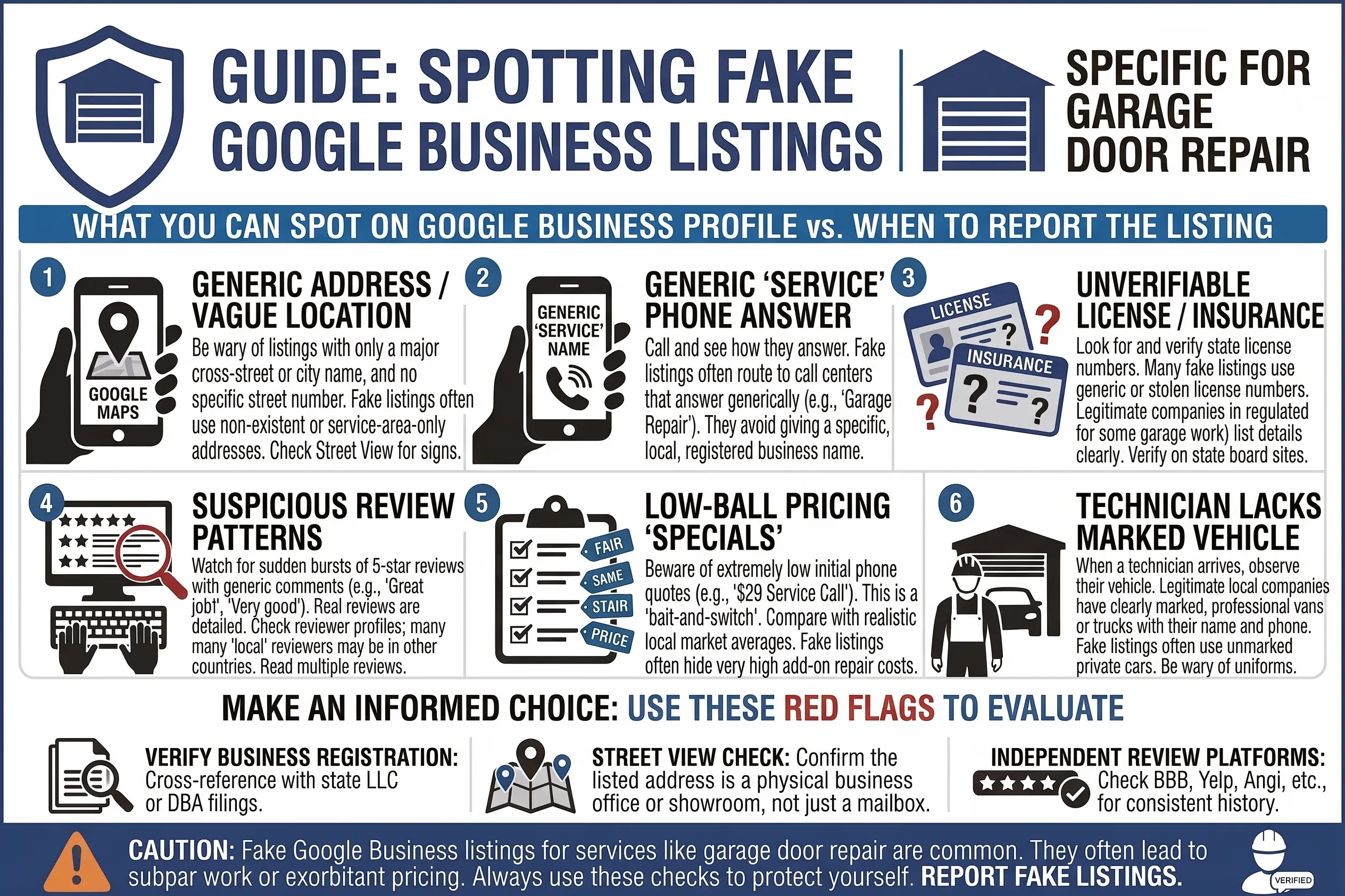
Fake Google Business listings for garage door repair usually show one or more red flags: no real street address, a phone number that routes to a national call center, dozens of five-star reviews posted in a short burst, a keyword-stuffed name like “24/7 Denver Garage Door Pros,” or a listing created only months ago with no service history.
If you spot two or more of these signs, verify the company through its own website, the Colorado Secretary of State business search, or the Better Business Bureau before booking. A few minutes of checking upfront can spare you an inflated bill, a no-show, or a subcontractor with no real accountability in your area.
Key Takeaways
- Lead generation networks create many near-identical “local” listings to capture search traffic, then route calls to a dispatch center that resells the job.
- A verifiable street address is one of the strongest signals a listing is real.
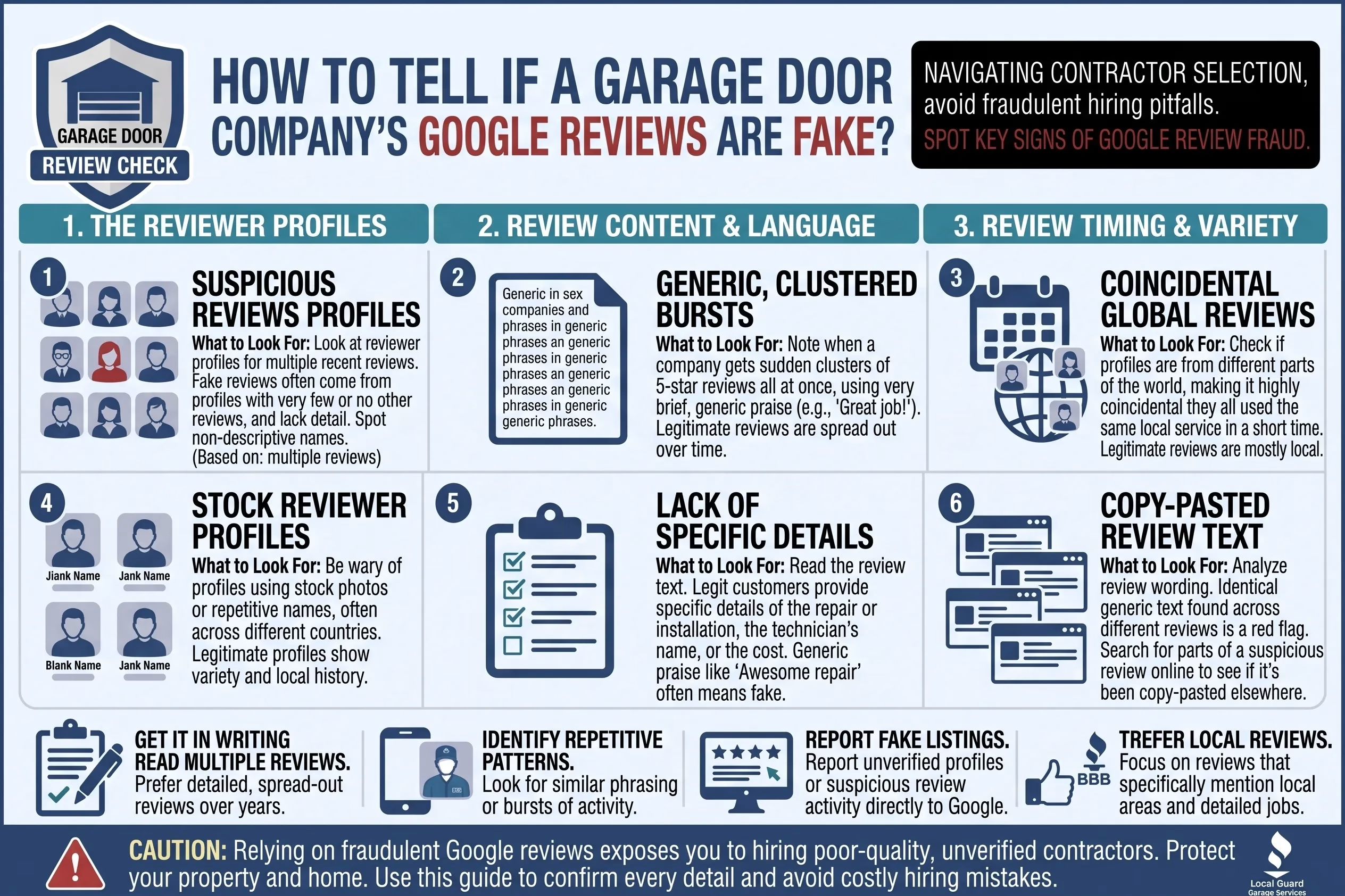
- Fake reviews cluster in short time windows, repeat phrasing, and come from thin reviewer profiles.
- A technician who can’t quote a rough price range, insists on cash only, or pressures same-day payment is a common lead-gen pattern.
- Checking a business name against the Colorado Secretary of State’s database takes under a minute.
- When in doubt, call the number listed on the company’s own website rather than the number shown in the Google Business Profile, since these sometimes differ.
- None of these checks require confrontation. If a listing raises two or more red flags, it’s simplest to move on to a verified company instead.
Fake Listing vs. Verified Local Company
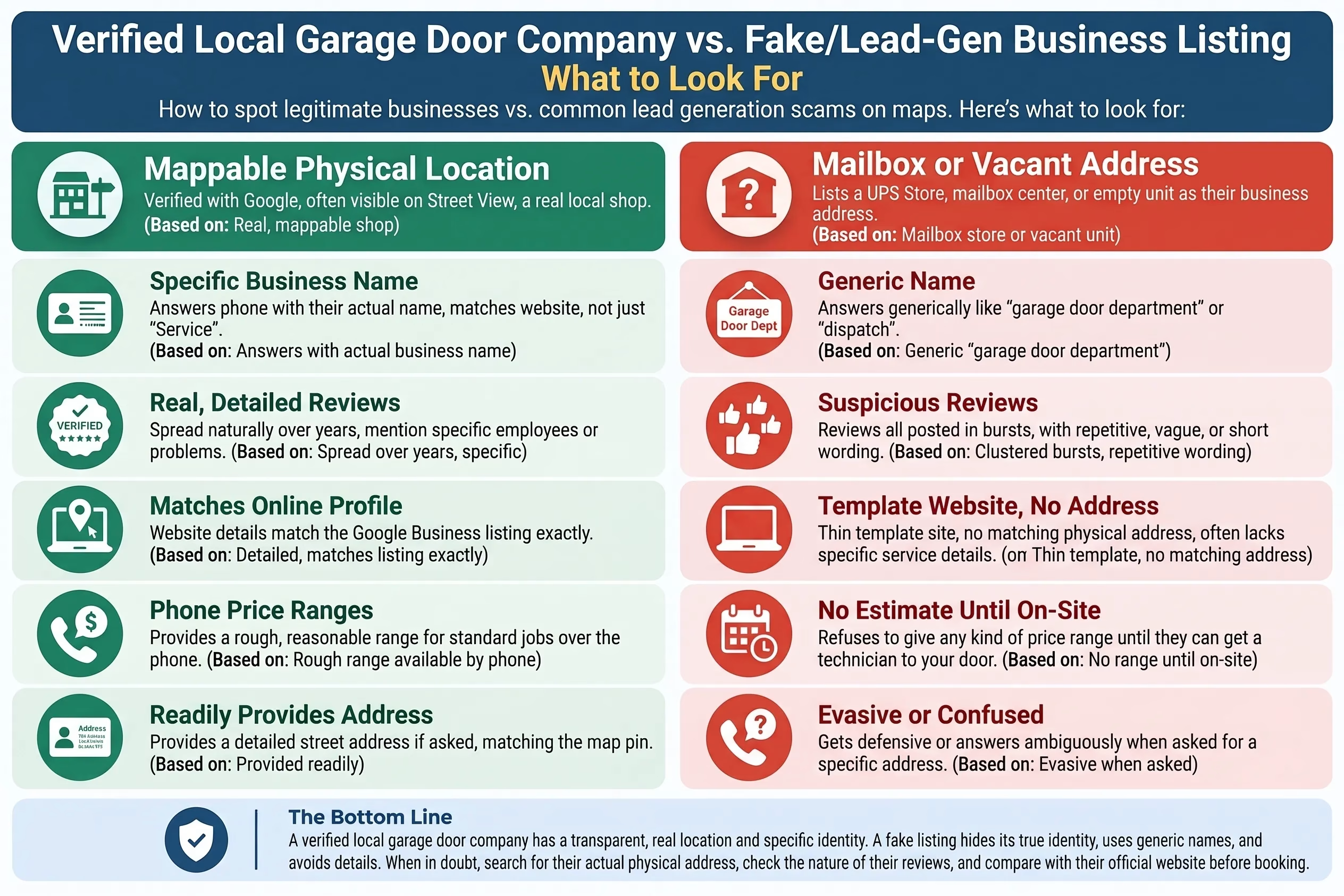
Signal | Fake or Lead-Gen Listing | Verified Local Company |
Address | Mailbox store or vacant unit | Real, mappable shop |
Phone greeting | Generic “garage door department” | Answers with actual business name |
Reviews | Clustered bursts, repetitive wording | Spread over years, specific |
Website | Thin template, no matching address | Detailed, matches listing exactly |
Pricing | No range until on-site | Rough range available by phone |
Licensing | Evasive when asked | Provided readily |
1. No Verifiable Street Address
A legitimate company operates from a real, mappable location that matches its website and licensing records. Fake listings often show an address that turns out to be a mailbox store, a vacant office suite, or an address shared by several unrelated businesses that have nothing to do with garage doors. This is one of the fastest checks you can run, and it catches a surprising number of fake listings on its own.
How to Verify a Garage Door Company’s Address in Denver
Drop the address into satellite view. If it lands on a mailbox center or empty lot, that’s disqualifying. Established companies like Martin Garage Door are proud to show their real location.
2. Dozens of Near-Identical Listings
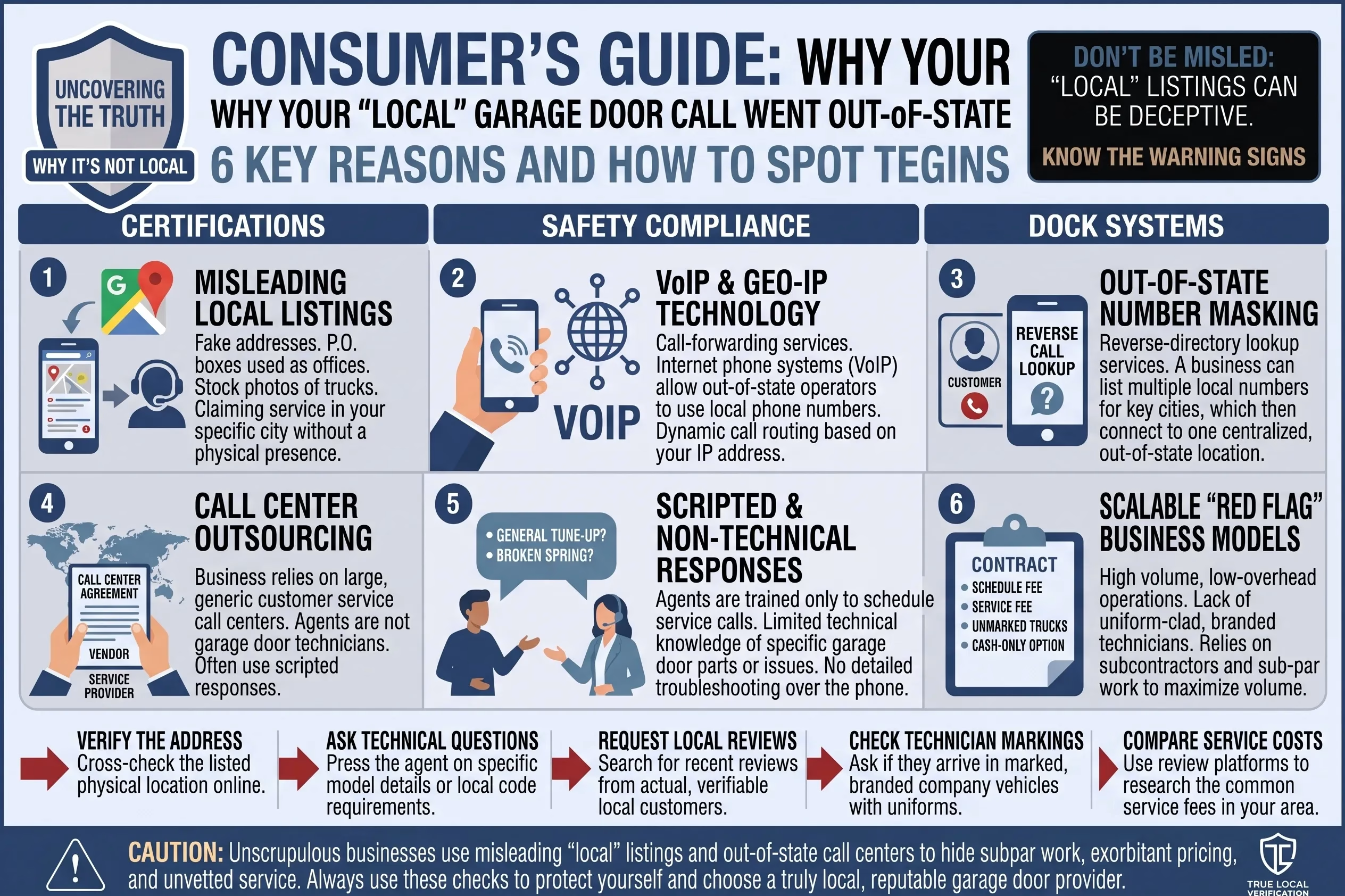
Search “garage door repair Denver” and if you see a wall of interchangeable names like “Denver Garage Door Pros” and “Same Day Garage Door Denver,” you’re looking at a lead generation network, not distinct competitors. These listings often forward to the same call center, and frequently share a physical address too.
If you want to see this pattern broken down in detail, read Why Are There So Many Duplicate Garage Door Repair Listings at the Same Address?
How to Tell if Multiple Listings Are Run by the Same Company
Call two or three back to back. Identical hold music or a rep who can’t name their specific shop location means it’s the same operation wearing different names.
3. Phone Routes to a National Call Center
A real local company answers with its business name and knows its service area. A lead-gen call center answers vaguely and can’t confirm who’s actually sending the technician until after you book. In our experience, this is the biggest source of bad outcomes homeowners report.
If you want to see exactly how it happens, read Why Did My “Local” Garage Door Repair Call Get Routed to an Out-of-State Call Center?
How to Confirm a Number Is Actually Local
Ask directly who is sending the technician and where the shop is. A legitimate company answers immediately; a call center stalls or transfers you.
4. Reviews Are Clustered or Repetitive
Fake reviews arrive in bursts rather than trickling in naturally over months or years. Wording repeats across reviews, with phrases like “great service, highly recommend” showing up almost word for word, and reviewer profiles often have little other activity or no profile photo at all.
If you want a closer look at all six review-specific patterns, read How Can You Tell If a Garage Door Company’s Google Reviews Are Fake? 6 Signs.
How to Spot Fake Reviews on a Garage Door Company’s Listing
Sort by most recent. A sudden spike of twenty-plus five-star reviews right after a listing was created is a strong signal they were purchased.
5. New Listing, Claimed Decades of Experience
A listing that only started collecting reviews recently but claims “20 years serving Denver” presents a mismatch worth questioning.
How to Check How Long a Company Has Actually Been in Business
Search the business name with “Colorado Secretary of State” to see the registration date, and compare it against their experience claims.
6. No Working Website, or a Bare Template
Established companies maintain a real website matching their Google listing exactly. Fake listings often link to a thin template with stock photos, no specific address, or no website at all.
Why a Missing or Generic Website Is a Red Flag
A company that invests in its reputation invests in a real website. Its absence suggests the listing exists only to capture search traffic.
7. The Business Name or Category Keeps Changing
Google’s edit history sometimes shows a listing that was a completely different type of business months earlier, a practice called listing hijacking, letting bad actors inherit an old listing’s reviews and ranking without earning them.
How to Tell if a Listing Was Recently Rebranded
Check the oldest reviews. If they mention an unrelated service like towing, the garage door branding is new, and the history doesn’t reflect real garage door work.
8. No Technician Can Quote a Price Range
Legitimate companies can usually give a rough range over the phone for common jobs like spring replacement or opener repair, even if the exact number depends on an in-person look. Lead-gen dispatched jobs often can’t, because the person on the phone has no real pricing structure and the eventual technician is a subcontractor working on commission rather than a set rate card. Our rule of thumb from the field: if nobody will give a ballpark before the truck rolls, pricing will be improvised on-site.
Why Won’t Some Companies Give an Estimate Over the Phone
Ask for a rough range for your specific problem. A company with a real pricing structure can usually give one; a dispatch center working with rotating subcontractors typically cannot.
9. Pressure Tactics and Cash-Only Demands
One of our most common calls involves a technician who arrives, inflates the price well beyond what was discussed, and pressures immediate cash payment before doing any further work. This pattern is common with subcontractors dispatched through fake or lead-gen listings, since there’s no ongoing local reputation at stake for them the way there is for an established company.
What to Do if a Technician Pressures You for Cash
You’re allowed to decline and ask for a written estimate first. A technician from an established company won’t push back hard on that request.
10. No Licensing or Insurance Information
Many Denver-area jurisdictions require local licensing, and any company entering your home should carry liability insurance. Fake listings frequently have no licensing information anywhere. The International Door Association, the trade group representing legitimate garage door professionals nationwide, recommends verifying credentials before any technician begins work, and it maintains a running list of reported scam patterns for consumers. The association also covers scam and impersonation tactics affecting the industry in IDA’s LinkedIn post on the topic.
How to Verify a Garage Door Company’s License and Insurance
- Ask directly for the company’s business license number before scheduling.
- Request proof of liability insurance, and confirm it’s current, not expired.
- Check that the license or business name matches the company you searched for, not a subcontractor’s name.
- Never attempt to inspect torsion springs or cables yourself, even to verify a company’s prior work. They hold significant tension and require training to handle safely.
- Treat hesitation or evasiveness on any of the above as a reason to book elsewhere.
Protect Yourself Before You Book
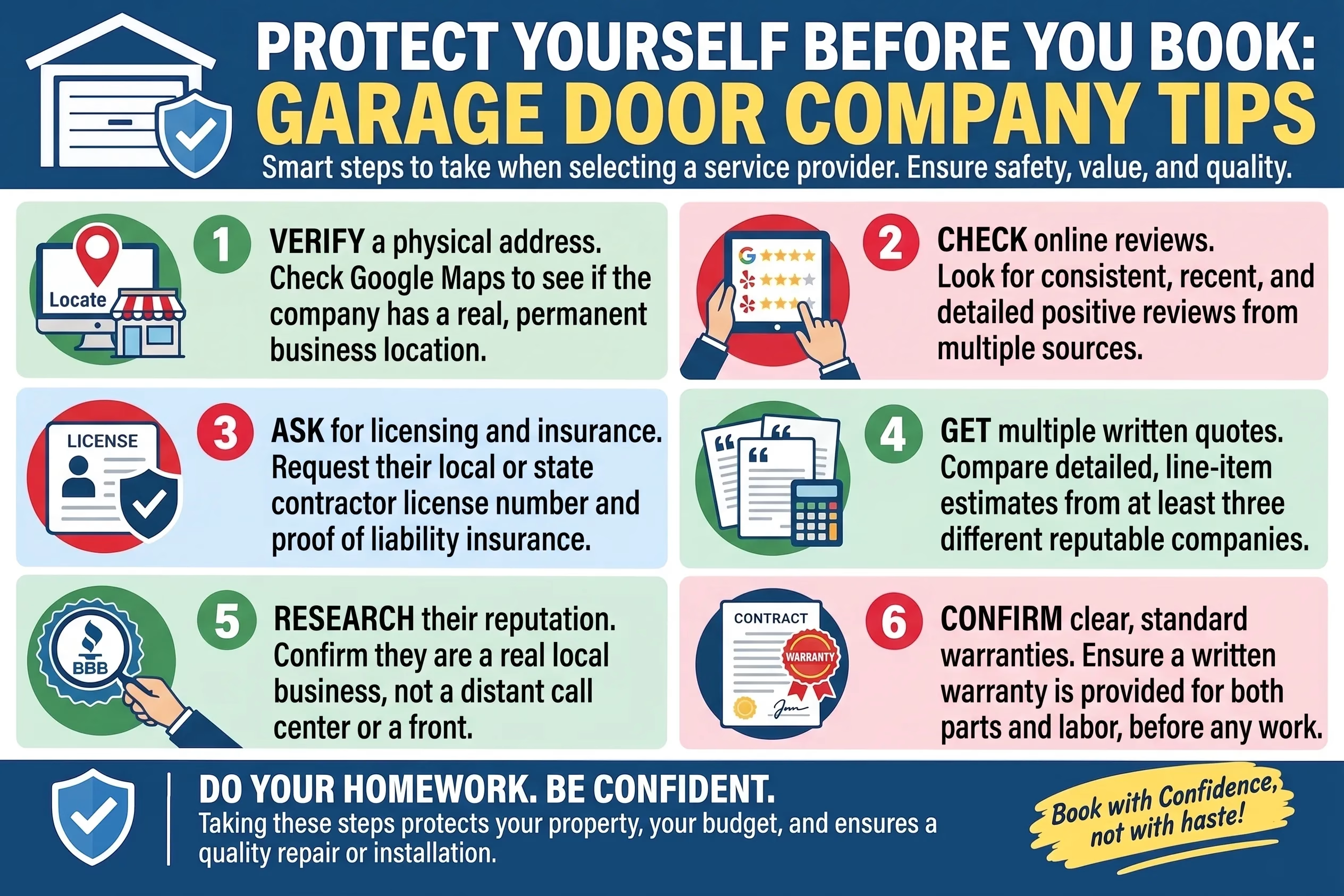
Fake and lead-generation listings have become common enough in garage door repair that a little verification before booking can save you an inflated bill, a no-show, or a rushed job from someone with no accountability in your area. Check the address, listen for how the phone is answered, read review dates critically, and ask for licensing and a price range before anyone enters your garage. Industry groups like the International Door Association track this problem nationally and offer additional scam-reporting guidance worth reviewing if you want a second source beyond this guide.
Martin Garage Door has operated from a real, verifiable location in Parker, CO since it opened, with technicians who quote a rough price range by phone and licensing available on request. Contact us or give us a call to book and request a free estimate today.