If a garage door repair call you placed to what looked like a local Denver company actually got answered by a call center, possibly with staff who don’t sound familiar with the area, you almost certainly called a lead generation listing rather than an actual local business. These listings are built to rank well in local search results, but the phone number behind them connects to a centralized dispatch operation that resells your job to whichever subcontractor is available that day, regardless of where they’re actually based.
This is one of the most frequently reported patterns among homeowners who had a difficult repair experience, and understanding it before you call again can help you avoid the same outcome.
Key Takeaways
- A generic phone greeting that doesn’t include a specific company name is a strong sign you’ve reached a call center, not a local shop.
- Call centers behind lead-gen listings don’t employ the technician who eventually shows up. They sell your job to a subcontractor.
- The subcontractor dispatched to your home might be based nearby or might be traveling from well outside your area, and the call center often doesn’t tell you which until after booking.
- Asking directly who is sending the technician and where they’re located is the fastest way to find out before you commit to an appointment.
- A real local company answers the phone with its own business name and can describe its shop location without hesitation.
Call Center Booking vs. Direct Local Booking
Signal | Call Center Booking | Direct Local Booking |
Phone greeting | Generic, no specific company name | Answers with the actual business name |
Knowledge of area | Vague or scripted responses about service area | Detailed, specific knowledge of neighborhoods |
Technician transparency | Unknown until after booking | Can usually name the technician or crew |
Pricing | No range given until technician arrives | Rough estimate available by phone |
Accountability | Diffuse between call center and subcontractor | Direct relationship with the company |
Consistency across calls | Same script heard on multiple “different” listings | Distinct company voice and process |
Why Your Call Got Routed to a Call Center Instead of a Local Shop
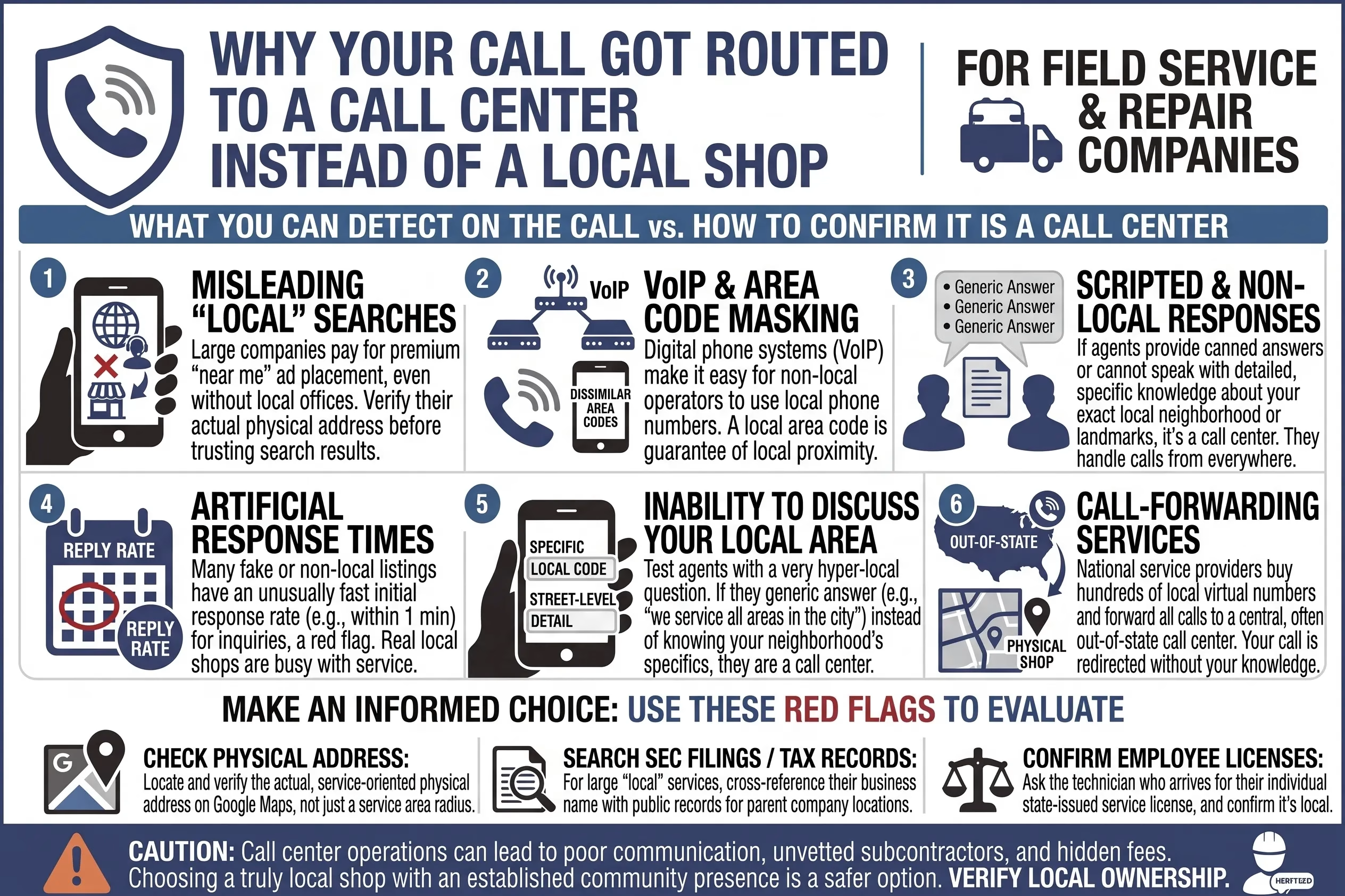
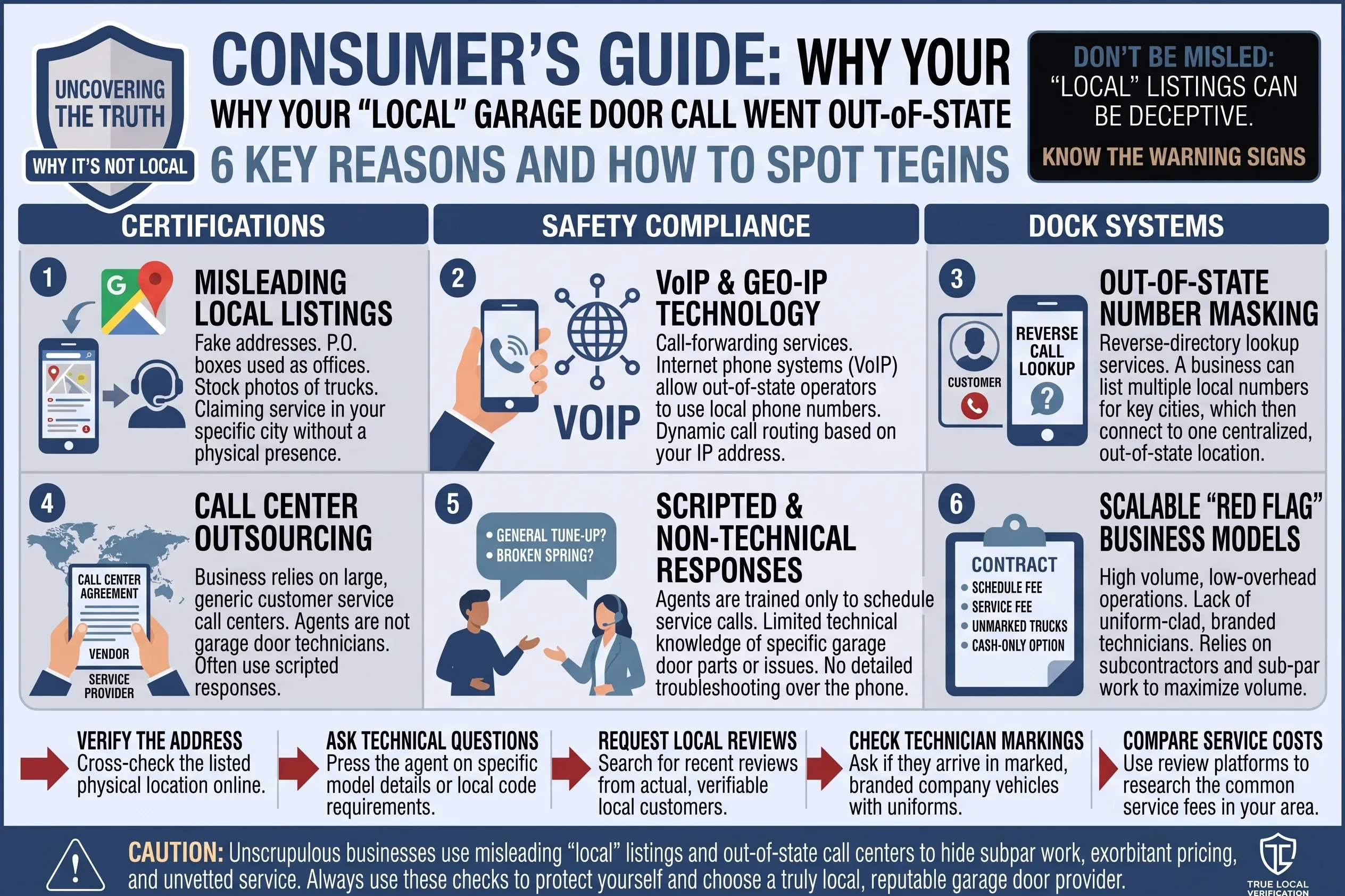
Lead generation networks build Google Business Profiles designed to rank for searches like “garage door repair near me,” but the phone number attached to that listing routes to a centralized call center rather than directly to a company’s own dispatch desk. This is one of the ten warning signs that often shows up alongside other tactics like duplicate listings and inflated review counts.
If you want to see all ten warning signs, read How to Spot Fake Google Business Listings for Garage Door Repair.
What the Call Center Actually Does With Your Call
The call center’s job is simply to capture your information and location, then sell that lead to whichever subcontractor in their network is willing to take the job, often for a flat referral fee.
How to Tell if You’ve Reached a Call Center Instead of a Local Company
- Listen for whether a specific company name is spoken clearly at the start of the call.
- Note if the greeting is generic, like “garage door services, how can I help you today.”
- Watch for a scripted set of intake questions before you’re told who you’re actually speaking with.
- Treat any combination of these as a strong sign you’ve reached a centralized dispatch operation.
How Lead Generation Networks Actually Make Money From Your Call
These networks profit from volume, not from doing the repair themselves. Every call that comes in through one of their many listings gets logged, and the lead is then auctioned or assigned to a subcontractor in their network who pays a fee for the job. The subcontractor’s incentive is to accept as many jobs as profitable as possible, which sometimes means dispatching technicians much farther from your home than a “local” listing implied.
If you want to see this same network structure explained, read Why Are There So Many Duplicate Garage Door Repair Listings at the Same Address?
This model works because the operator’s costs stay low regardless of scale. A single call center can handle leads for dozens of listings across many cities at once, since the actual repair work is always outsourced. That structure is efficient for the operator, but it means nobody on your initial call has any stake in whether the eventual technician does good work, shows up on time, or charges a fair price. Their business ends the moment the lead is sold.
Why Would a Subcontractor Travel From Outside the Area for a Small Repair
If the referral fee and the job price together make the trip worthwhile, distance stops being much of a deterrent for a subcontractor working through a lead-gen network, especially in a market with a shortage of independent local garage door companies.
Signs the Call Center Doesn’t Actually Know Your Neighborhood
A genuine local company usually has specific familiarity with the area it serves: nearby cross streets, typical drive times, or knowledge of common issues tied to local weather patterns. Call center staff working from a script often give vague, generic answers about location and can’t speak with any real specificity about your part of town.
This gap shows up most clearly when you ask a follow-up question rather than accepting the first answer. A local technician or dispatcher will often mention something specific, like a particular neighborhood’s older housing stock and the type of garage door hardware common there, without being prompted. A call center rep, by contrast, tends to repeat the same general reassurance regardless of where you say you’re located, because the script doesn’t change based on geography the way real local knowledge does.
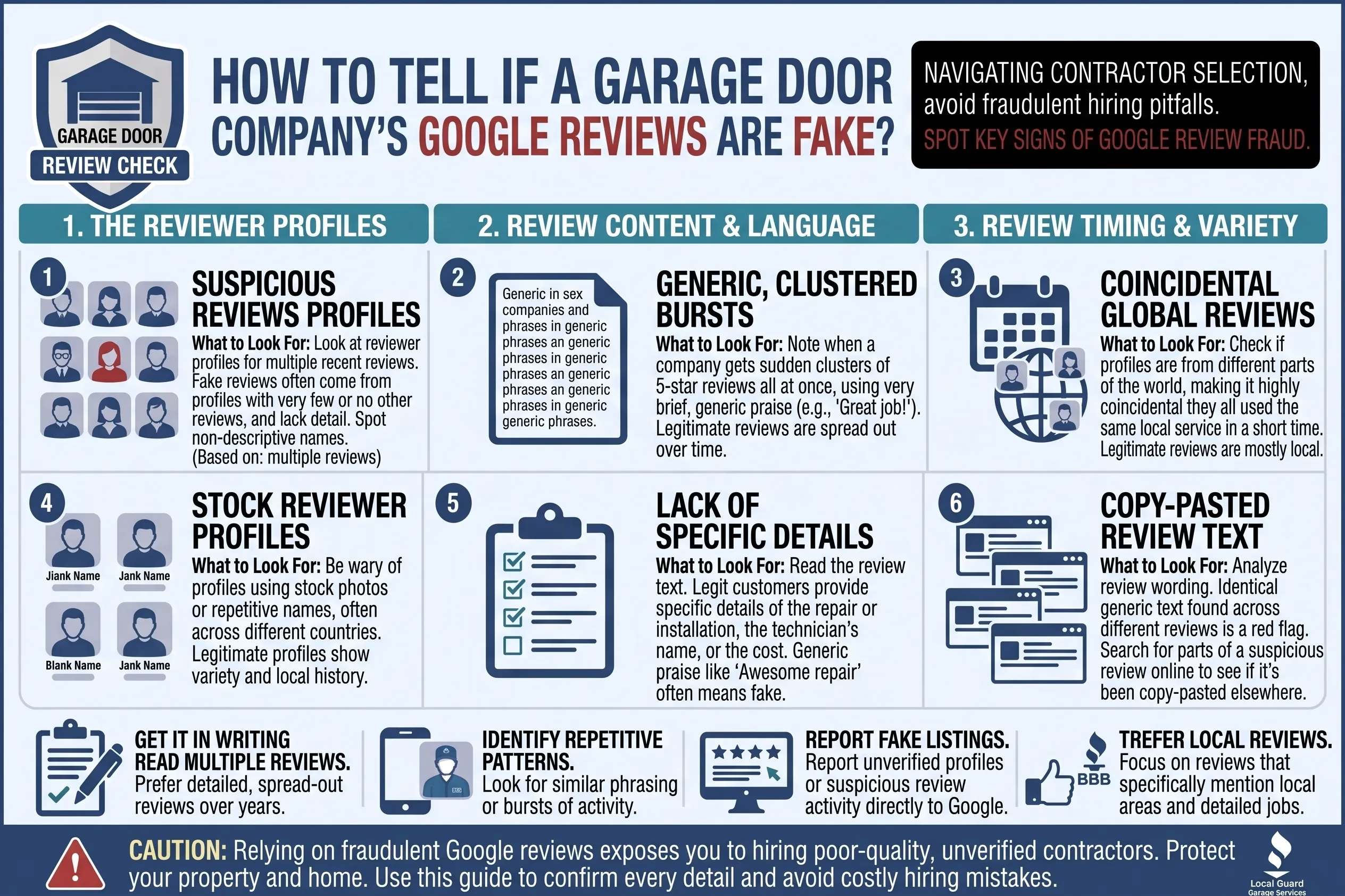
If you want to check that listing’s reviews too, read How Can You Tell If a Garage Door Company’s Google Reviews Are Fake? 6 Signs.
How to Test Whether a Company Actually Knows Your Local Area
- Ask how long it typically takes them to reach your neighborhood from their shop.
- Ask whether they’re familiar with a nearby landmark or cross street.
- Notice if a real local company answers naturally and specifically.
- Notice if a call center rep stumbles or gives an answer that sounds rehearsed.
What Happens to Your Information After the Call
Once a call center has your name, address, and description of the problem, that information doesn’t stay with just one company:
- It often gets shared with the subcontractor who accepts the job.
- In some networks, it may be passed along to multiple potential subcontractors before one accepts.
- This lack of visibility into who actually holds your information is part of why response times and technician quality can feel inconsistent when you book through one of these listings.
- Since both tactics rely on obscuring who’s actually behind the listing, it’s the same lack of accountability that shows up.
Can I Ask a Call Center Who Will Actually Have My Information
Yes, and it’s worth asking directly before providing detailed personal information. A legitimate local company can tell you exactly who will see your details, since it’s just their own staff. A call center may be less able or willing to answer that clearly.
How to Avoid Getting Routed to a Call Center Next Time
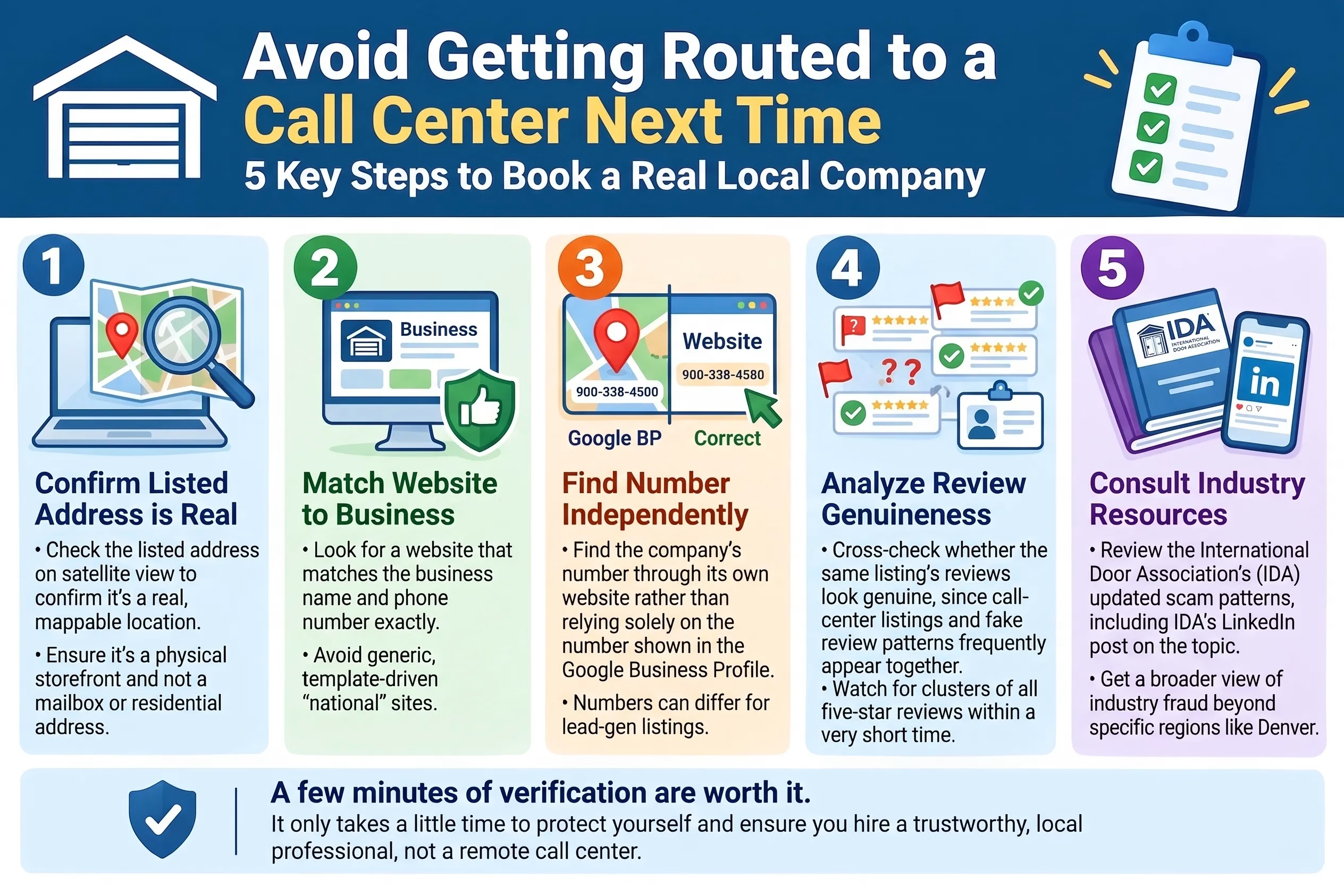
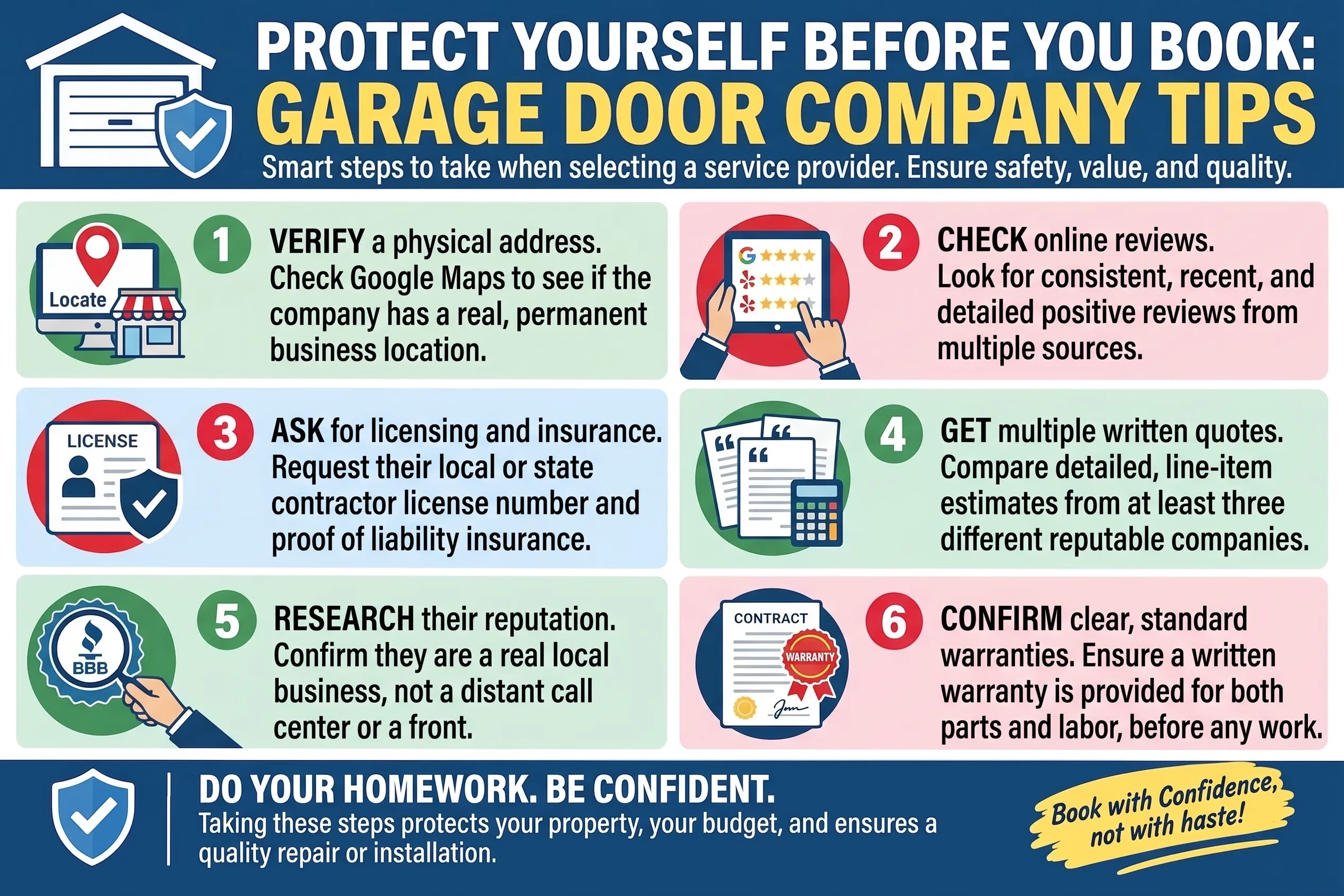
The most reliable fix is to verify a company before you call rather than after.
- Check the listed address on satellite view to confirm it’s a real, mappable location.
- Look for a website that matches the business name and phone number exactly.
- Find the company’s number independently through its own website rather than relying solely on the number shown in the Google Business Profile, since these sometimes differ for lead-gen listings.
- Cross-check whether the same listing’s reviews look genuine, since call-center listings and fake review patterns frequently appear together.
- Review the International Door Association’s updated scam patterns, including IDA’s LinkedIn post on the topic, if you want a broader view beyond Denver.
What’s the Fastest Way to Confirm a Number Belongs to a Real Local Company
Search the company name on its own website, if one exists, and compare the phone number listed there against the one in the Google Business Profile. A mismatch, or no website at all, is a signal worth taking seriously before you dial.
Knowing Who You’re Actually Calling Changes the Outcome
The core issue with call-center routing isn’t just inconvenience. It’s that nobody on that first call is accountable for the quality of the repair, the price you’re eventually quoted, or whether the technician who shows up is qualified for the job in front of them. Once you know what to listen for on the call itself, a generic greeting, vague answers about the area, and no willingness to name who’s actually coming, you can make the decision to hang up and call a company you’ve verified independently before any technician sets foot in your garage.
Martin Garage Door answers its own phones from its shop in Parker, CO, and can tell you exactly which technician is on the way before you ever agree to a visit. If you’d like to book with a company you can reach directly, contact us or give us a call; we’re glad to help.