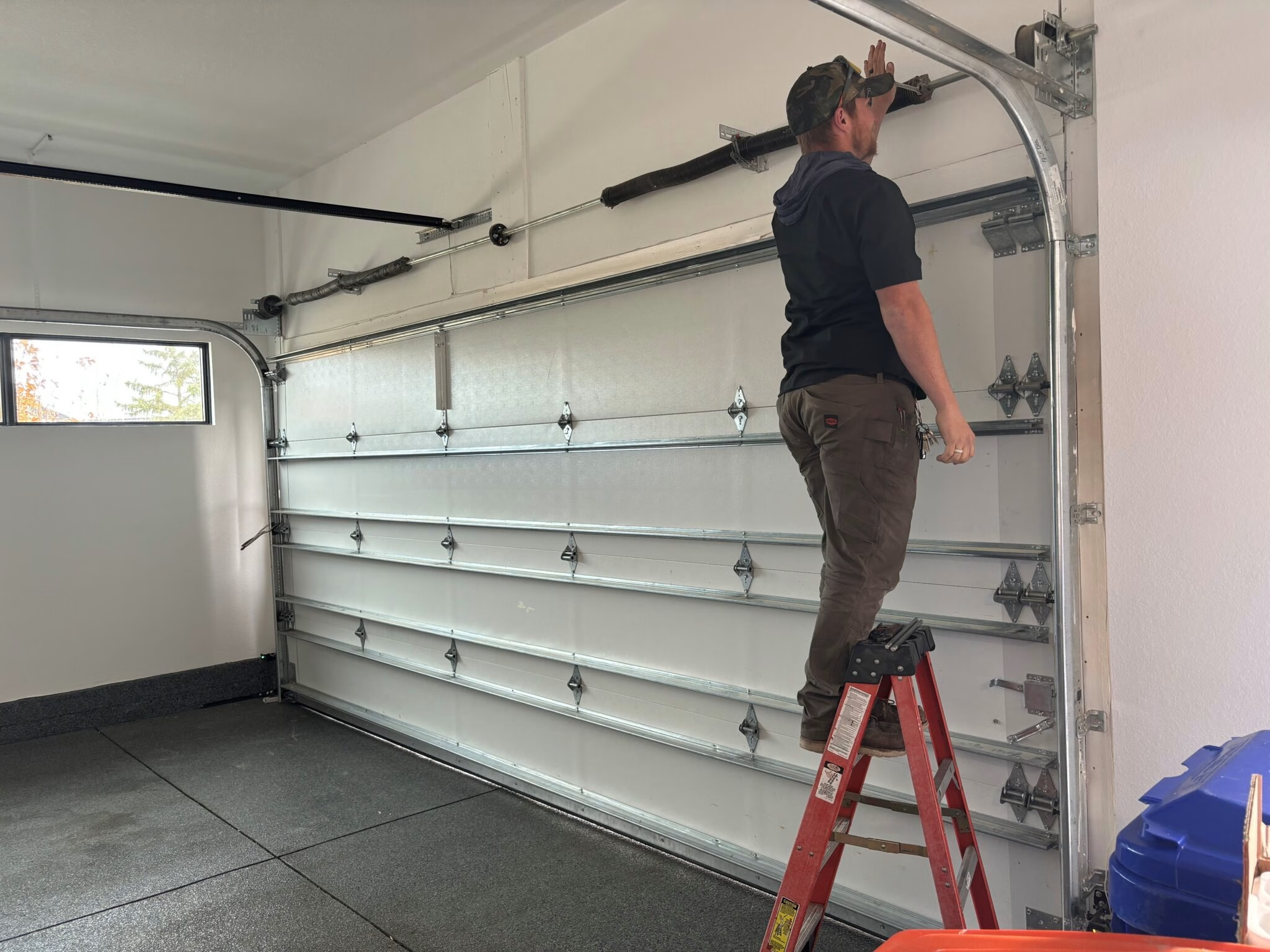

A garage door should open smoothly and evenly each time you press the opener. When the door suddenly shakes, scrapes, or stops halfway, the problem may be a bent garage door track that requires prompt garage door repair. Because the track guides the rollers as the door moves, even a small bend can affect the entire system.
Many homeowners in Denver, CO, first notice this issue when the garage door begins making unusual noises or moves unevenly along the rails. Weather changes, daily use, and accidental impacts can all contribute to track problems over time. While the damage may appear small at first, ignoring it can create more strain on the rollers, springs, and garage door opener. This guide explains what causes a bent garage door track, what homeowners should check, and how to reduce the risk of future damage.
Why Garage Door Tracks Are Important for Door Operation
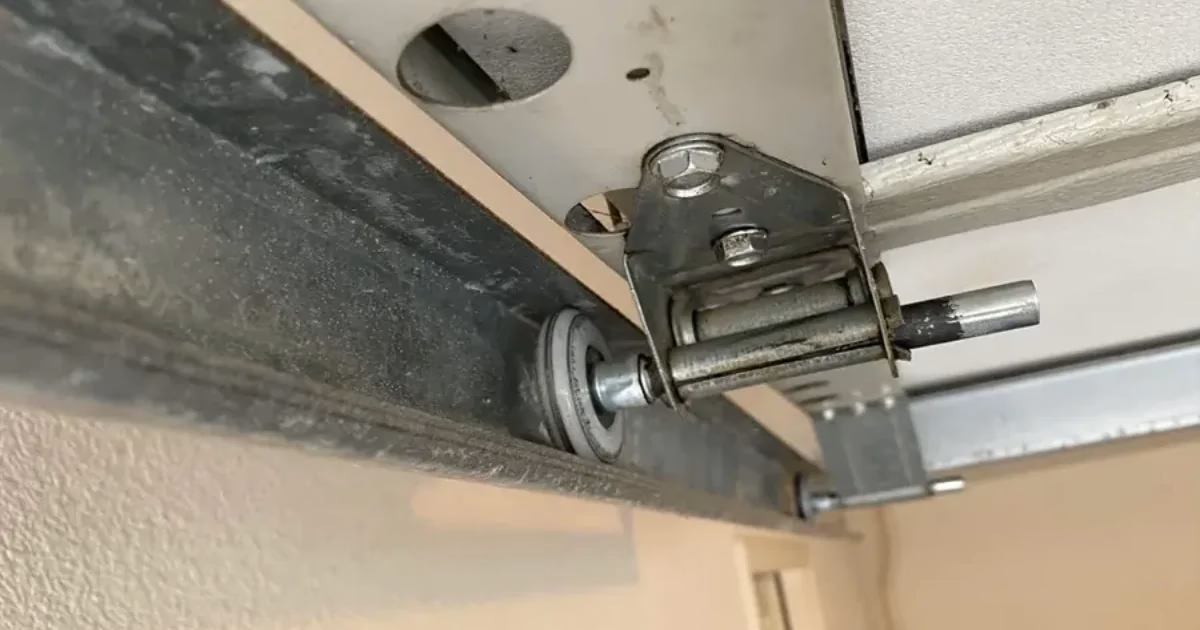
Garage door tracks are the metal rails mounted along both sides of the garage door opening. These rails guide the rollers that allow the door to move up and down in a controlled path.
When the tracks are straight and properly aligned, the rollers glide smoothly, and the door stays balanced. If the track becomes bent or misaligned, the rollers may struggle to move through the rail. This can lead to jerking movement, loud grinding sounds, or a door that suddenly stops.
A damaged track also increases stress on other garage door parts. Garage door springs, cables, hinges, and the opener motor may all work harder when the door cannot move freely.
If you are unsure whether the track is actually bent, it helps to review the warning signs explained in How To Tell If Your Garage Door Track Is Bent.
Common Causes of a Bent Garage Door Track
Understanding what causes track damage can help homeowners recognize problems early and prevent larger repairs later.
Accidental Vehicle Impact
One of the most frequent causes of a bent track is accidental impact from a vehicle. Even a small bump from a car bumper or mirror can push the track out of alignment.
Because garage door tracks are designed to guide the door rather than absorb heavy force, they can bend when struck.
What to Check
- Dents in the vertical track
- Rollers rubbing against the metal rail
- Uneven gaps between the track and the door
Prevention Tip
Wait until the garage door is fully open before backing out of the garage.
Loose Track Mounting Brackets
Garage door tracks are secured to the wall using metal brackets and bolts. Over time, daily door movement can loosen these fasteners.
When brackets shift slightly, the track may flex or tilt under the weight of the door.
Signs of Loose Hardware
- Rattling sounds during door movement
- Visible gaps between brackets and wall framing
- Track sections that appear slightly crooked
Regular inspections can help catch this problem before the track becomes permanently bent.
Worn or Damaged Rollers
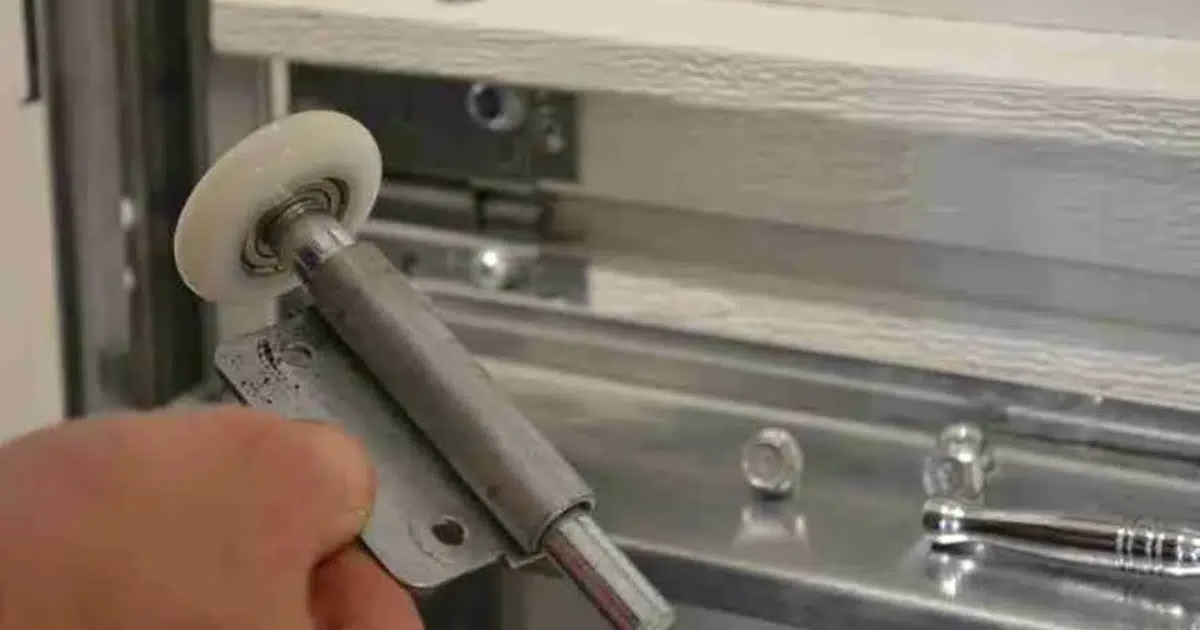
Rollers allow the garage door to glide along the track. If rollers crack, wear down, or lose lubrication, they may begin dragging against the rail.
This friction places extra pressure on the metal track and can eventually cause it to bend.
Warning Signs
- Grinding sounds during operation
- Rollers that wobble inside the track
- Metal dust or shavings near the rail
A deeper explanation of how track damage affects the entire system is discussed in What A Bent Garage Door Track Means For Your Door.
Garage Door Coming Off Track
When a garage door jumps out of its track, the rollers can press sideways against the rail. This sideways force can bend the track or twist it out of alignment.
Homeowners may notice that the door appears crooked or uneven when this happens. A crooked garage door is often a warning sign that the system is off balance and should not be forced.
Safety Reminder
A garage door that has come off track should not be forced open or closed because the door’s weight may not be supported evenly.
Temperature Changes and Metal Expansion
Denver’s seasonal weather can place stress on garage door components. Metal expands during heat and contracts during cold weather.
Over time, repeated expansion and contraction can weaken metal tracks, making them more vulnerable to bending when pressure is applied. The Department of Energy’s guidance on doors also highlights how material performance and seasonal conditions can influence long-term durability.
Prevention Tip
Seasonal garage door inspections can help detect early alignment problems caused by temperature changes.
Aging Garage Door Hardware
Garage door systems installed many years ago may develop track issues as the hardware ages. Older brackets, fasteners, and support structures may weaken over time.
This can cause the track to slowly shift or bend as the door operates.
Signs of Aging Hardware
- Track sections that appear slightly warped
- Bolts that no longer hold tightly
- Door movement that feels uneven
Excess Weight or Spring Problems
Garage door springs are designed to balance the weight of the door. If a spring weakens or breaks, the track may absorb more pressure than it should.
When the door becomes heavier than normal, the track can gradually bend under the added load.
Possible Indicators
- The garage door feels heavy when lifting manually
- The opener struggles to move the door
- A loud bang was heard from the garage
If these symptoms appear, it may also help to review When A Bent Garage Door Track Needs Immediate Repair to determine whether the situation requires urgent attention.
What Homeowners Should Check When Track Damage Appears
Before calling for service, homeowners can perform a quick visual inspection of the garage door system.
- Inspect the track alignment
- Examine the rollers
- Check the mounting hardware
- Listen for unusual noises
Tips to Help Prevent Garage Door Track Damage
Preventive care can reduce the likelihood of track problems.
- Keep the track area clear
- Maintain roller lubrication
- Schedule routine garage door maintenance
- Pay attention to door movement
- Avoid forcing the floor
Understanding Average Garage Door Track Repair Costs
The cost to repair a bent garage door track depends on the severity of the damage. Minor bends may sometimes be adjusted through alignment, while more severe damage may require track replacement.
In general, garage door track repair may involve moderate service costs, though extensive damage affecting other parts of the door system may increase the repair scope.
Because the track works closely with rollers, springs, and cables, technicians often inspect the entire system to ensure safe operation.
Professional Inspection for Track Problems
Garage door tracks support the movement of a very heavy door. When the track becomes bent, the entire system may experience uneven pressure.
Professional technicians can inspect:
- Track alignment
- Roller condition
- Spring balance
- Cable tension
- Opener performance
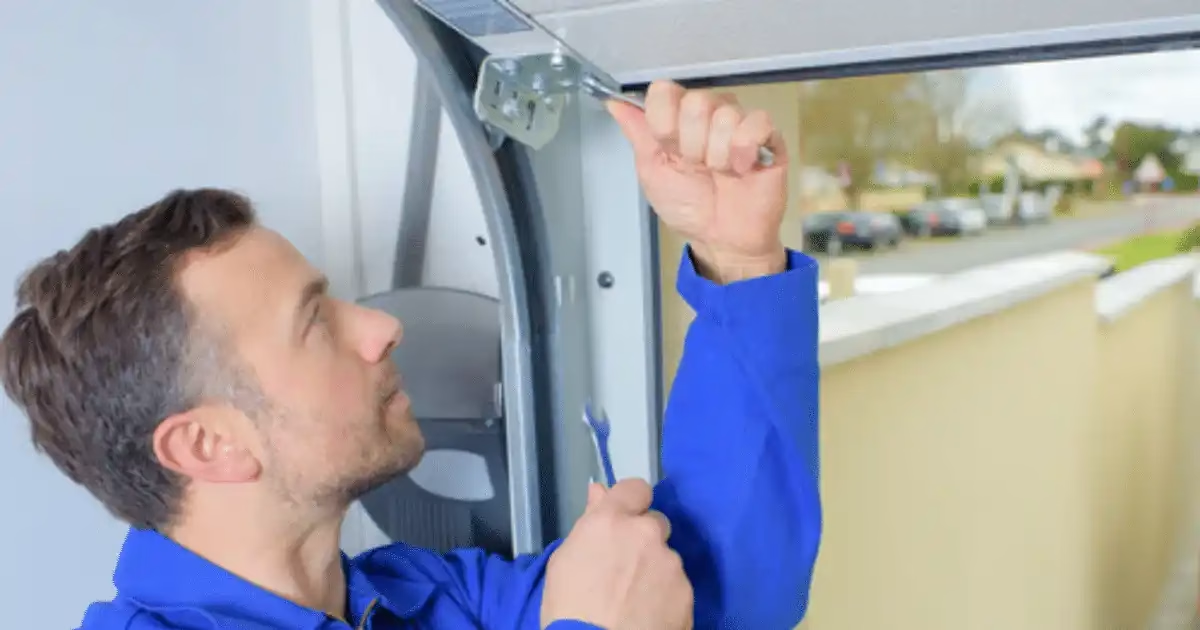
By evaluating the full system, they can determine whether the track can be adjusted or whether replacement is necessary. For homeowners in Denver, professional service also ensures the door operates safely during seasonal weather changes.
Schedule a Professional Garage Door Track Inspection in Denver
A bent garage door track can quickly disrupt the safe operation of your garage door. Addressing the issue early helps prevent additional strain on rollers, springs, and other mechanical parts.
If your garage door track appears damaged or the door is no longer moving smoothly, Martin Garage Door can inspect the system and recommend the right solution. We understand the challenges garage doors face in Denver’s climate and provide dependable service that restores safe, reliable door operation. Contact us or give us a call today to schedule a professional inspection and keep your garage door working as it should.