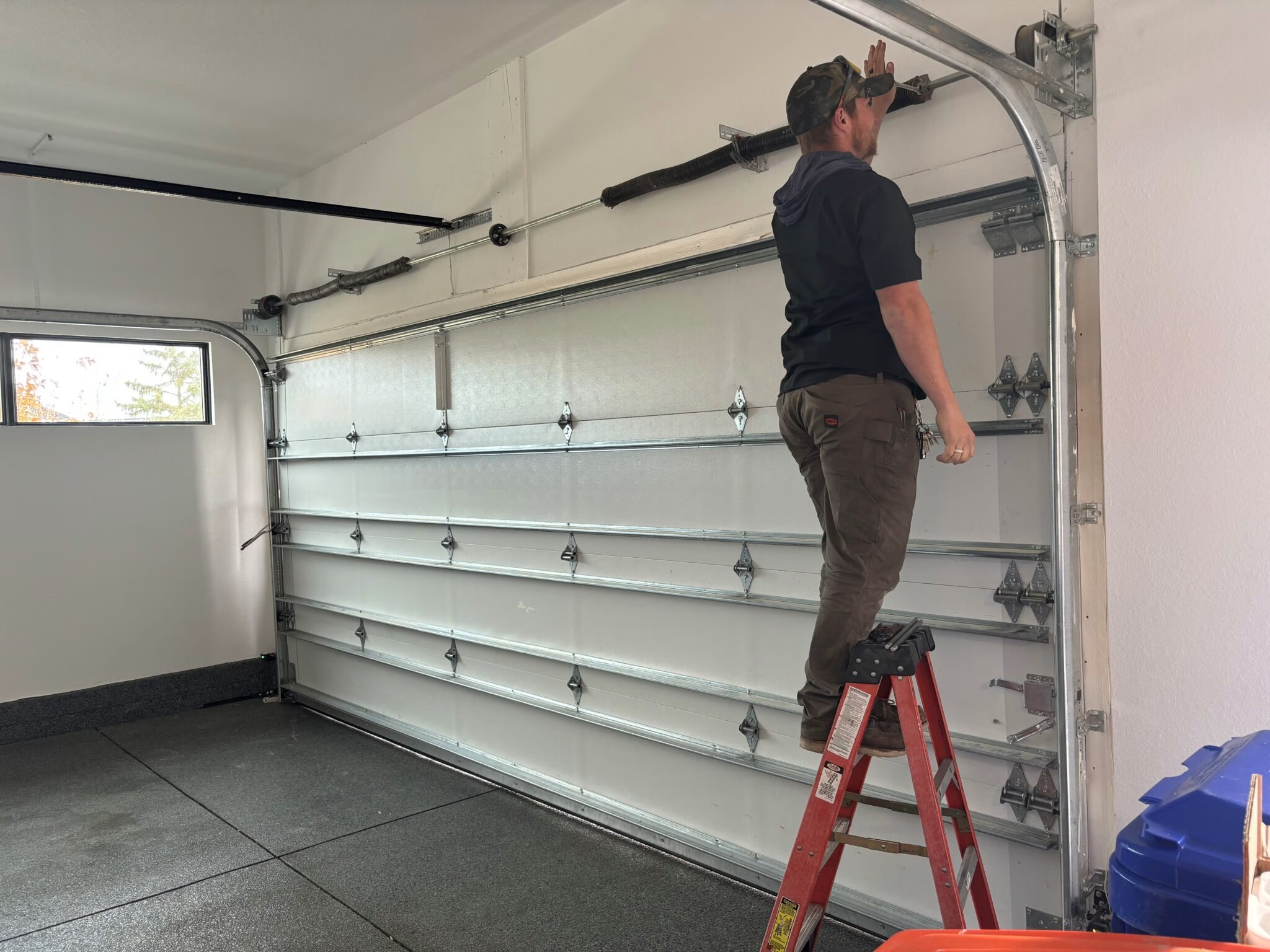
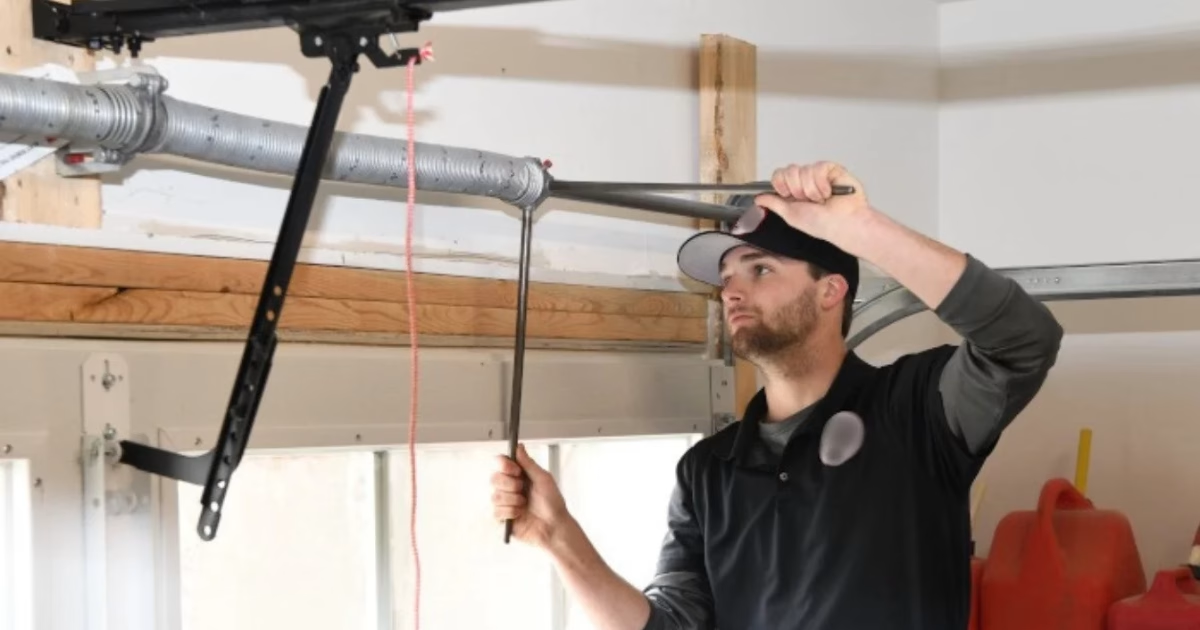
A broken garage door spring usually fails after stress builds up over time, not from a single moment. The spring can keep working “well enough” until it reaches its limit, and then it breaks during a normal open or close. In Denver, CO, temperature swings and dry conditions can accelerate metal fatigue, especially when the door is used frequently.
This guide explains the main causes clearly, so you understand why spring failure occurs, what warning signs to look for, and why quick action matters.
Cause 1: Metal Fatigue That Leads to a Broken Garage Door Spring
A broken garage door spring often happens because repeated cycles weaken the steel until it can no longer hold tension. It can feel “random” because the spring may seem fine, only to break suddenly during normal use.
This is why fatigue failures seem unpredictable:
- The spring loses strength gradually, but the break happens suddenly.
- The door may continue operating normally until the final cycle.
- The failure often happens during normal morning or evening use.
When fatigue reaches the end of the spring’s working life, garage door spring replacement is usually the safest way to restore proper balance and dependable operation.
For a homeowner-friendly explanation of spring function and why failures can create safety concerns, This Old House explains how springs support heavy doors and why spring problems can be dangerous.
To learn more about safety risks tied to spring failure, read Is a Broken Garage Door Spring Dangerous in Denver, CO? to understand what can happen when the door loses balance and control.
Cause 2: Denver Temperature Swings That Stress Metal Parts
Denver weather can shift quickly from cold nights to warmer afternoons, and those rapid changes can add stress to a spring that is already worn. Metal expands as it warms and contracts as it cools, and that repeated movement can speed up fatigue over time.
Temperature swings raise failure risk in a few practical ways:
- Cold temperatures can make the spring less flexible, which increases strain during early-morning operation.
- Rapid warming and cooling can add repeated expansion and contraction stress to already fatigued steel.
- A worn spring may have very little strength left, so a normal open or close can become the final cycle.
Weather is not usually the root cause by itself, but sharp temperature changes can be the final strain that pushes a fatigued spring past its limit.
Cause 3: Corrosion That Creates Weak Points in the Steel
Rust can weaken spring steel, not just stain it. Corrosion creates small pits that concentrate stress, and those weak spots can grow until the spring fails. In Denver, moisture from snowmelt, wet vehicles, and condensation can speed this up, which is why professional garage door repair often includes checking for corrosion-related wear on key moving parts.
Corrosion-driven wear often leads to two common outcomes:
- The spring may appear to operate normally until it suddenly breaks during routine use.
- The system may become noisier over time because roughened surfaces can increase friction and strain during operation.
When corrosion is combined with daily cycling, the spring can lose strength faster than expected and fail without much notice.
Cause 4: Added Door Weight From Upgrades and Insulation
Added door weight is a common reason springs wear out faster in Denver, especially after insulation or noise-control upgrades. When the door becomes heavier, the spring must lift more load each cycle, which speeds up fatigue and can also affect daily access through the garage.
Common weight add-ons that increase spring strain include:
- Insulation kits that add material and density to the door panels.
- Window sections that increase weight and change how the door balances.
- Decorative overlays that add surface material and raise the lifting load.
- Aftermarket accessories that add extra hardware and increase the total moving weight.
When these upgrades are added without confirming the system can handle the new load, the spring may wear faster and fail sooner than expected.
Cause 5: Mismatched Spring Sizing After Door Changes or Service
The spring must match the door’s actual weight and lift behavior; otherwise, it can experience excessive strain during every cycle and wear out faster than it should. You often see this after a prior garage door spring repair that restored movement but did not fully correct system balance, which is why the door may seem “fine” for a while, even though hidden stress is building.
Sizing problems often happen when the setup does not account for key details, including:
- The type of spring used and how it is designed to carry a load.
- The type of garage door and how its construction affects total weight and balance.
- Track geometry and lift characteristics that change how force is applied during travel.
- A single inch of height or lift change that shifts the load and alters balance.
When these details are not matched correctly, the spring can wear out faster, and the door can become less stable during daily operation.
For a clear overview of spring categories, why they differ, and how torsion and extension designs support safe lifting and lowering, Angi’s guide to garage door spring types explains the main designs and how each one is used.
Cause 6: Resistance From Tracks, Rollers, and Bearings
A spring can wear out faster when the door does not move smoothly along its path. When the system has added resistance, the spring must work harder during every open-and-close cycle to keep the door moving. That extra effort increases the spring’s strain and can shorten its lifespan.
This resistance is often caused by:
- Track friction that forces the door to drag instead of glide.
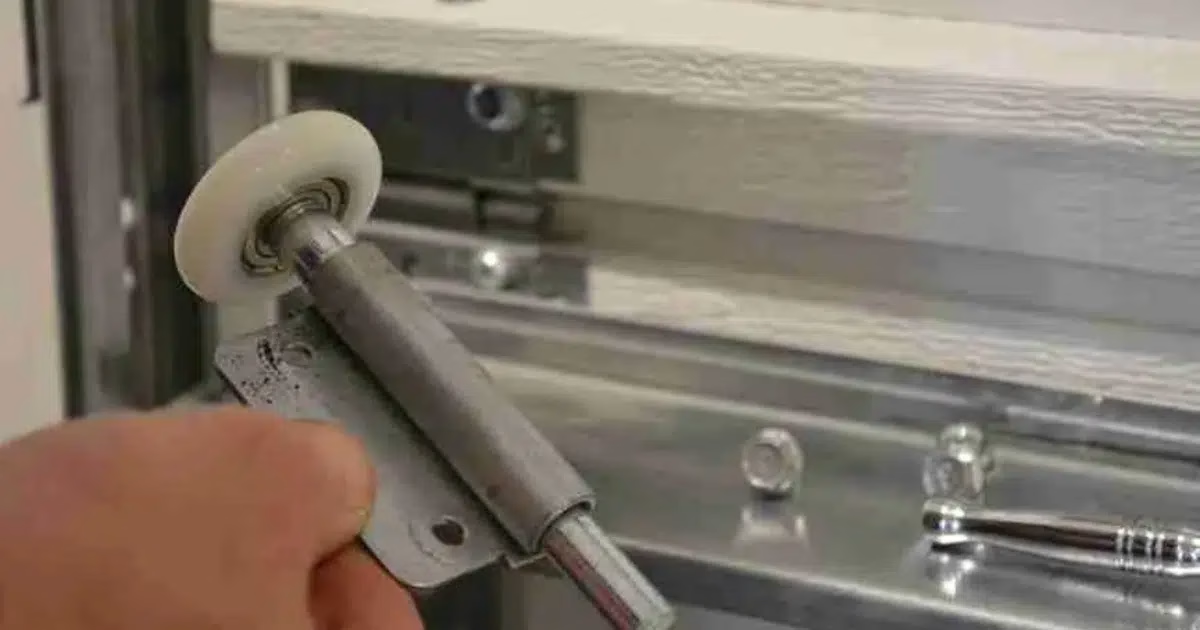
- Worn rollers that create uneven movement and added load.
- Aging bearings that increase friction during operation.
- Minor alignment issues that raise drag and reduce smooth travel.
The door can still move while these issues are developing, which is why the cause is easy to miss. The system may appear to function normally, but it is operating under higher strain than it should, which can increase the risk of spring failure.
Cause 7: Opener Strain That Hides a Weak Spring
A motorized opener can sometimes keep the door moving even as the spring weakens. This can make the system seem normal for a short time, even though the door is no longer properly balanced. When the spring stops carrying its share of the load, the garage door opener may strain as it takes on more than it was designed to handle.
When an opener is compensating for a weakening spring, the system often shows these changes:
- The opener sounds like it is working harder during operation, even though the door used to move more quietly.
- The door movement becomes less steady, and the door may hesitate or travel unevenly during a normal cycle.
- The system feels less predictable because the door is no longer balanced, which can increase wear on other components.
When these symptoms appear, the door may still move, but strain is building in the background, and the risk of sudden failure becomes higher. This is also why operator safety requirements matter, since a strained or unbalanced system can increase the importance of properly working protection features.
For a trusted reference tied to monitored safety guidance and compliance standards, the Federal Register safety standard explains updates to the Safety Standard for Automatic Residential Garage Door Operators based on UL 325 entrapment protection provisions
Cause 8: Waiting Too Long When the Spring Is Near the End of Life
Sometimes a spring does not fail “early” at all. The spring fails because it has reached the end of its service life and continues to operate under the same lifting load. When a spring is already near its limit, a normal open-and-close cycle can be the final one that breaks it.
Waiting often creates two common problems:
- The door can become less balanced over time, increasing strain on other moving parts.
- The situation can become more disruptive if the door stops working at an inconvenient time.
When the door stops working without warning, many Denver homeowners search for a broken garage door spring near me to get safe, prompt service to restore access and avoid further strain on the system.
If your main question is timing, read How Long Can You Wait to Fix a Broken Garage Door Spring? because delays can turn a manageable service call into a larger disruption.
Warning Signs That Often Show Up Before Failure
Many people first notice a failure as a loud bang, followed by a door that will not open normally. However, smaller warning signs often appear before the spring break because the system is losing balance.
Common warning signs include:
- The door lifts unevenly or tilts while moving.
- The door makes new popping or snapping noises during operation.
- The door moves more slowly, even though the motor sounds the same.
- The spring shows a visible separation in the steel.
If the system uses a pair of springs, one may fail first while the other continues to carry part of the load. That uneven load can speed up wear on the remaining spring.
If you are unsure whether the door should be operated in this condition, read Can You Open a Garage Door With a Broken Garage Door Spring? to understand what an operation can look like after failure and why it can be risky.
What Affects Service Decisions and the “Average Cost” Conversation
People often ask about cost, but a single price is not accurate because the total depends on the door and system details. The spring replacement cost conversation usually depends on several factors, including the number of springs, door weight, and scheduling.
Here are the most common factors that shape the estimate:
- Door weight and design, including heavier doors
- Spring system type and configuration
- Condition of related hardware
- Appointment timing and local labor rates
- Overall labor cost in the market
- Service logistics for outlying locations and rural areas
- Parts coverage terms and written warranty
- Scope clarity and up-front pricing transparency
At this point, many people also decide whether the issue is just a spring problem or part of a larger plan, such as garage door replacement or a new garage door installation.
Why Understanding Spring Failure Matters in Denver, CO
A broken garage door spring is usually the result of long-term strain, not one single moment. Daily use, Denver weather changes, added door weight, system resistance, and sizing issues can all increase stress until the spring reaches its limit. When you understand these causes, it becomes easier to see why failures happen and why the door may start acting differently before the spring breaks.
Martin Garage Door helps homeowners in Denver, CO, identify the cause of the spring failure and restore safe, balanced operation. We explain what we find, check for system strain that may have contributed to the failure, and confirm smooth, reliable movement. If you want a clear explanation and a safe plan to restore normal operation, contact us today or give us a call, and we will help you get the door operating safely again.
Frequently Asked Questions
Why can a spring fail even if the door worked yesterday?
We see this when fatigue has been building inside the steel for a long time. The spring can still operate normally until it reaches its limit, and then it fails during a routine open or close. That is why a break can feel sudden even though the wear has been developing for months.
Does the type of spring change the risk profile?
Yes, the design can affect how failure shows up and how the door behaves afterward. Different spring styles carry load in different ways, so symptoms and imbalance patterns can vary. We evaluate the spring system style to explain what failure means for safe operation.
Can door weight changes shorten spring life?
Yes, added door weight increases the lifting load the spring must carry during every cycle. That higher demand accelerates fatigue and can shorten spring lifespan. We often see faster wear after upgrades that increase door weight without re-matching the spring system.
What is the difference between a spring issue and a door alignment issue?
A spring issue typically manifests as an imbalance, heavy operation, or uneven lifting due to a loss of proper counterbalance. An alignment issue often creates drag, resistance, or rough travel along the track, even when the spring is still intact. We check both because resistance and imbalance can overlap and lead to similar symptoms.
Can a spring problem affect the motor system?
Yes, a weakened spring can cause the motor to work harder than it was designed to work. When the door is not balanced, the motor may strain, and movement may become less steady or predictable. We evaluate the entire system to ensure the door and motor operate within safe limits.
What does a typical service visit focus on besides the spring itself?
We assess door balance, travel smoothness, and overall system behavior so the door operates predictably after service. We also check for resistance points that can increase strain and shorten spring life. Our goal is stable operation, not just getting the door moving again.
Why do temperature swings matter so much in Colorado?
We often see failures after sharp weather changes because metal expands and contracts with temperature shifts. That repeated movement can add stress to a spring that is already fatigued. When the spring is near its limit, a cold morning cycle can be the final strain that causes failure.
Is it normal to hear a loud bang when a spring fails?
Yes, many spring failures are noisy because the stored energy is suddenly released when the steel breaks. After the bang, the door may feel much heavier or may not lift normally. We treat that sound as a strong sign that the door should be assessed before further operation.
What does spring replacement involve from a system perspective?
We match the spring to the door’s weight and lift characteristics so the door is properly balanced again. We also confirm that the system moves smoothly and predictably, so the spring is not forced to compensate for resistance or imbalance. This approach helps protect long-term reliability and safe operation.
How do we decide between repair and replacement paths?
We consider door condition, hardware wear, and system performance before recommending a direction. In some cases, targeted service restores stable operation, while in other cases, replacement planning offers better long-term reliability. We explain the options clearly so you can choose the path that best supports safe operation and durability.