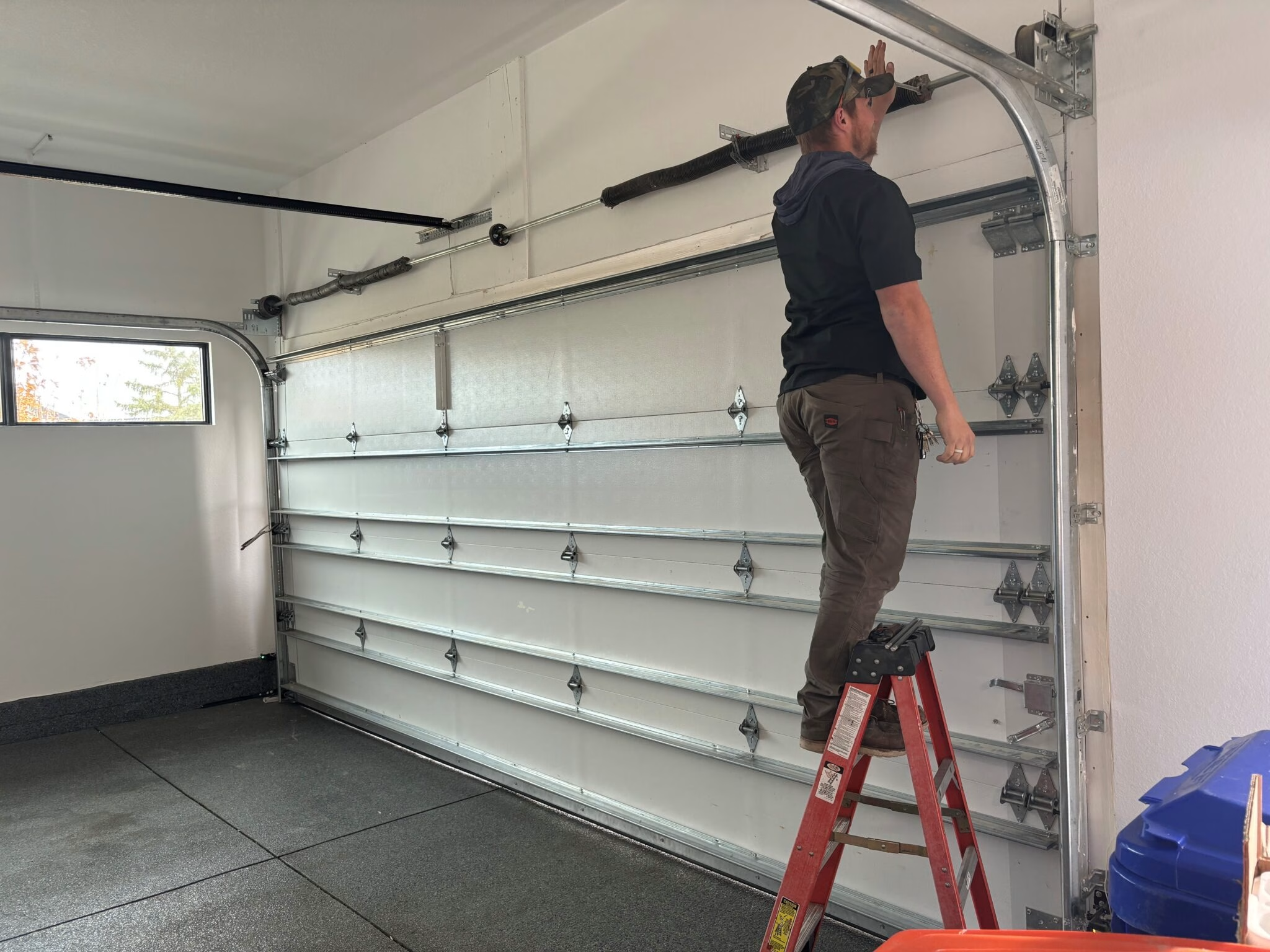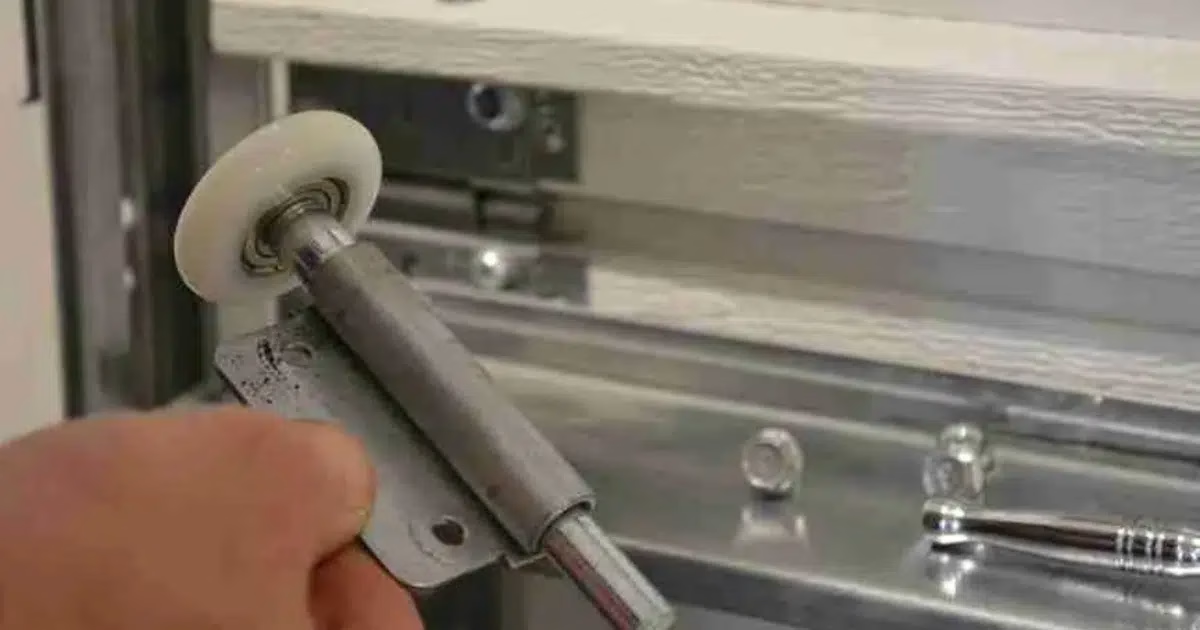
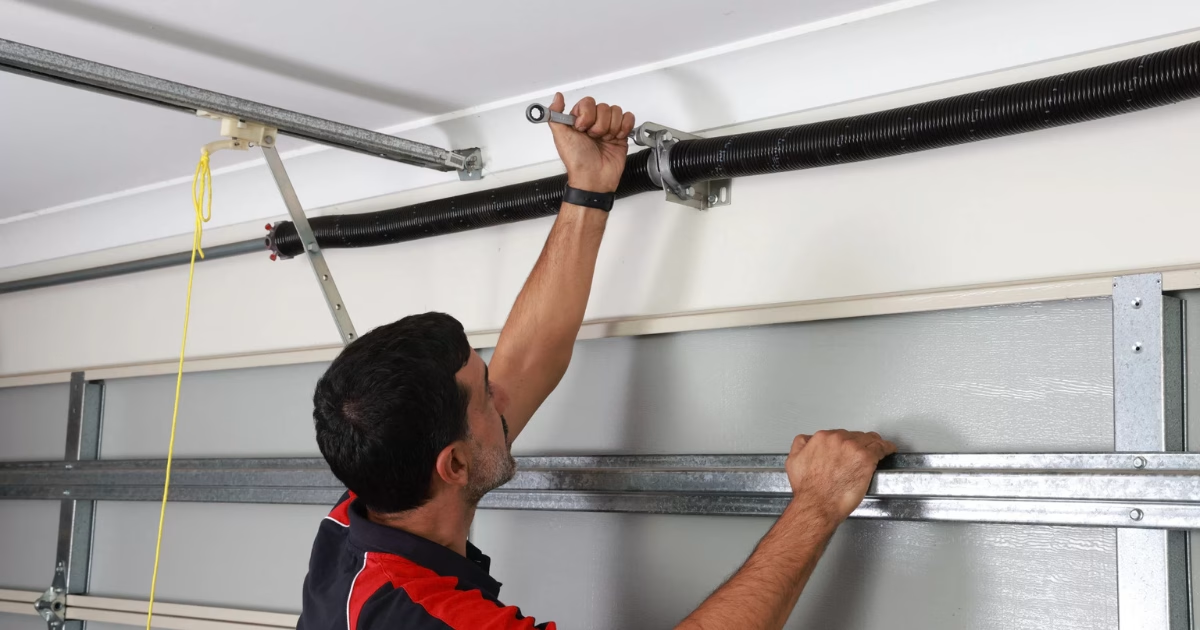
A broken garage door spring can change how your door moves almost instantly. In Denver, CO, many homeowners notice that the door feels heavier, stops halfway, or behaves unpredictably after a spring failure, raising an important question: can the door still be opened?
This article explains what actually happens when a spring breaks, why the door may not open safely, and which warning signs mean the system should not be operated.
Why Opening A Garage Door After A Spring Failure Is Risky
A broken garage door spring changes how the entire system behaves because it’s meant to balance the door’s weight. When the spring breaks, the door can become heavier than expected, and the lift system can lose stability. In Denver, CO, that can turn a normal daily routine into a real safety concern in seconds.
Here are the main reasons opening becomes risky after spring failure:
- The door can shift to one side and travel unevenly.
- The lift system can lose control and move faster than expected.
- The door may not stay stable near the floor or near the header.
- The motor system can strain and stop suddenly.
For a deeper breakdown of spring-related safety risks, read Is A Broken Garage Door Spring Dangerous in Denver, CO? to see the most common safety concern.
The Door & Access Systems Manufacturers Association also outlines garage door safety concerns related to system movement and changes in force.
Signs The Door Cannot Safely Open After Spring Break
A broken garage door spring often causes clear behavior changes that show the system is not operating normally. Even if the door moves a little, it may be operating outside safe limits.
Here are signs that usually mean the door cannot safely open:
- The door moves unevenly from left to right.
- The door stops early and will not continue upward.
- The door reverses direction as if it hit an obstacle.
- The door vibrates, shakes, or rubs during travel.
Door Feels Unusually Heavy Or Uneven During Movement
When spring support is gone, the door’s weight is no longer balanced. That can make the door feel heavy and unstable during travel.
Common signs include:
- The door rises slowly or struggles at the start.
- One side of the door rises faster than the other.
- The door seems to “tilt” as it moves.
- The door does not travel smoothly along the tracks.
This can happen with any garage door, but it is more noticeable with larger builds because heavier systems rely more on spring balance.
Door Lifts A Few Inches And Stops Or Reverses
This is a very common symptom after a broken garage door spring. Many systems stop early because resistance rises when the motor tries to lift a door that no longer has a proper counterbalance.
You may notice:
- The door starts up, then stops around a small distance above the floor.
- The door reverses direction and returns downward.
- The system becomes inconsistent and does not complete a full cycle.
Even when the door “almost opens,” that does not mean the system is safe to operate.
What Happens When A Garage Door Spring Fails During Operation
When a garage door spring fails, the door can lose balance instantly. That loss of balance can affect multiple parts of the lift system, including hardware designed to operate under normal loads.
Here is what can happen when the system tries to operate after failure:
- The door can pull against one track more than the other.
- The system can develop uneven cable tension.
- The door can bind, scrape, or jerk during movement.
- The door can close too fast if the balance is not there.
This is one reason why garage door springs are treated as critical safety parts, not simple hardware.
Sudden Weight Shifts And Unstable Door Travel
A spring failure can cause the door to shift and travel unevenly because the counterbalance is lost. That instability can create risks that increase rapidly.
Here are the common outcomes:
- The door may rise crooked and twist slightly as it moves.
- The bottom section can drag unevenly against the floor.
- The top section can bind near the header.
- The door may not stay steady while in motion.
A single broken spring can be enough to make the door unstable, especially during the initial lifting.
Added Strain On Tracks, Cables, And Connected Parts
After a broken garage door spring, other parts are forced to carry loads they were not designed to handle.
That can lead to issues like:
- Uneven cable pull that can shift around the drums.
- Wear on rollers and hinges due to crooked travel.
- Hardware is loosening because the system is shaking more than normal.
- Extra strain on mounting points and brackets.
This is not only about movement. It is also about controlling the door safely during travel.
Why The Door Can Stop Halfway Or Reverse
A broken garage door spring can cause the door to stop halfway because the system senses resistance and responds for safety. Many modern setups are designed to stop or reverse when resistance becomes abnormal.
Common reasons for mid-travel stopping include:
- The motor senses an extra load and pauses.
- Travel becomes uneven and increases friction.
- A safety system triggers because movement is not normal.
- The system cannot maintain a steady lift under load.
Because a door can stop halfway when the opener senses extra load, uneven movement, or resistance and then triggers a safety response, the International Association of Certified Home Inspectors (InterNACHI) describes how garage door openers are designed to stop or reverse when normal operation is disrupted.
Motor Force Limits Reacting To Imbalance
When a spring breaks, the motor is forced to do much more work, which can trigger safety mechanisms that cause the door to stop or reverse.
You may see:
- A short lift, then a sudden stop.
- A reversal that sends the door back down.
- A pattern where the door will not complete a full cycle.
This can also happen when the system’s sensors detect abnormal travel or when the door moves outside its normal path.
Friction And Load Changes After Spring Failure
After spring failure, the door may rub or bind because it is no longer balanced and no longer moves evenly.
That can lead to:
- Track rubbing that increases resistance.
- A door that shakes due to misalignment.
- A system that becomes unpredictable from cycle to cycle.
The underlying reason is often a change in balance due to excessive tension loss in the system.
What Professionals Evaluate During Garage Door Spring Repair
When a broken garage door spring is involved, a trained technician evaluates the system as a whole before returning it to service. The goal is safe operation and stable travel, not just restoring movement for one cycle.
During garage door spring repair, a technician typically reviews:
- Cable condition and routing.
- Roller and hinge wear.
- Track alignment and hardware stability.
- Balance behavior and lift performance.
- Overall system condition, based on the type of garage door.
This full-system review helps confirm the door can move smoothly again without added strain on critical parts.
Spring Style, System Match, And Balance Condition
A technician identifies the spring type and confirms that the system matches the door’s size and weight. Many homes use a torsion spring system, while some setups use extension springs.
To confirm proper matching, a professional may evaluate details such as:
- The spring’s coils and rating.
- The door weight category and lift needs.
- The hardware layout and cable path.
- A measured reference, such as an inch value used for correct system fit.
A correctly matched system matters even more for heavier doors that require consistent counterbalance.
Related Wear That Affects Whether The Door Can Open
Spring failure often exposes problems that were already building over time.
A complete inspection may include:
- Checking for uneven track wear.
- Confirming stable cable seating.
- Evaluating rollers, hinges, and bearings.
- Reviewing the drive system for signs of overload.
This is also where the technician considers whether the system needs garage door repair beyond the spring issue.
When Garage Door Spring Replacement Becomes The Only Safe Option
In many cases, replacement is the safest and most reliable path after a broken garage door spring. Replacement is not only about restoring movement. It is about restoring balance, stability, and safe travel.
During garage door spring replacement, professionals may consider:
- Whether the system uses a pair of springs and how they work together.
- Whether the spring failure caused additional wear.
- Whether the lift system is still in stable alignment.
- Whether the door sections show bending or stress.
This topic is also connected to broader service planning. If the door is aging and other major issues are present, some homeowners start comparing repair work to garage door replacement or even a new garage door installation, depending on overall condition.
Why Operating With A Failed Spring Can Cause Bigger Problems
Continuing to operate a door with a broken garage door spring can increase the chance of damage spreading into other parts of the system.
That can include:
- Door section damage from uneven lifting.
- Track wear from crooked travel.
- Cable problems due to uneven tension.
- Added strain on the drive system.
This is also where small issues can escalate into major service events that affect safety and long-term reliability.
What Proper Balance Restores After Replacement Service
After a proper spring replacement, the door should return to stable, predictable motion. A professional aims to restore control across the full cycle.
Restored balance helps deliver:
- Smooth movement with less vibration.
- Less strain on the garage door opener.
- More consistent stopping and starting behavior.
- Better long-term durability for related hardware.
This is one of the main reasons replacement is often recommended when a break happens.
Why Spring Failure Leads To Opening Problems
When a broken garage door spring occurs, it often follows a pattern: normal wear builds, then the spring fails suddenly. The cause matters because it often explains the symptom, such as a door that will not lift or a door that stops early.
Common contributors include:
- Repeated cycle wear over time.
- Environmental changes that affect metal behavior.
- Hardware aging that reduces stability.
- A mismatch between the spring rating and the door weight.
For a clearer breakdown of what causes spring failure in Denver, CO, read What Causes A Broken Garage Door Spring In Denver, CO? for the warning signs that often show up beforehand.
How Long Can It Stay Like This If It Still Opens Slightly?
A broken garage door spring can sometimes allow partial movement, but that does not mean the system is safe to keep using. When the door runs unbalanced, damage can grow with each attempt.
Here is what can worsen over time:
- Cables can shift and lose stable seating.
- Tracks can wear faster due to rubbing.
- Door sections can bend from uneven lifting.
- The drive system can overload and wear out more quickly.
Suppose timing is your main concern, read How Long Can You Wait To Fix A Broken Garage Door Spring? to understand what waiting can lead to and why it matters.
Average Cost Considerations When A Spring Prevents Door Operation
The average cost may depend on several real factors. It is not only about the spring itself. It is also about the door weight, system design, and what else was affected when the spring failed.
Key factors that influence pricing include:
- The system’s garage door types and construction materials.
- The number of springs supporting the door.
- The torsion system layout versus other layouts.
- The condition of cables, bearings, and hardware.
- Service logistics and access, including rural areas outside Denver, CO.
- Current local labor rates and overall labor cost for the service visit.
- Whether additional work is needed beyond the spring issue.
You may also hear terms like spring replacement cost during planning, but final totals usually depend on the full inspection and the condition of the door system. In some cases, related upgrades or accessories can also affect the total scope when service is being planned as part of broader home access solutions.
If your system includes a Liftmaster setup, a technician may also check how the system behaved under load and whether the drive system was overstressed.
Get Your Door Working Safely Again In Denver, CO
If your garage door in Denver, CO feels heavy, unstable, or refuses to open, a broken garage door spring may be the cause. Spring failure can also strain the opener and create uneven movement that affects cables and tracks, even if the door still moves slightly. When this happens, searching for a broken garage door spring near me often points you to the right next step: professional evaluation, not continued operation.
Martin Garage Door helps homeowners restore safe, balanced operation through clear explanations and honest recommendations. We identify what failed, explain what the system needs, and confirm smooth, reliable movement before leaving. If you want a safe plan to get reliable access back, contact us or give us a call today to schedule service.
Frequently Asked Questions
Will a broken spring damage the garage door panels over time?
Yes. Uneven lifting can twist sections and stress hinges, leading to bending over time. When we respond to a broken garage door spring, we focus on protecting the panels and restoring balance.
Can a broken spring cause the door to come off its tracks?
It can. Crooked travel can make rollers bind and shift toward the edge of the track. With a broken garage door spring, track stability becomes a priority.
Is it normal for the door to stop halfway after a spring breaks?
Yes, it is common. The system may sense extra resistance from the heavier, unbalanced door and stop or reverse for safety. That behavior often points to a broken garage door spring.
What noises are most associated with spring failure versus track issues?
Spring failure often sounds like a loud bang, while track issues usually sound like scraping, rubbing, or clicking during travel. If the noise was sudden and the door feels heavy afterward, a broken garage door spring is likely.
Can a spring break cause the cables to unwind or tangle?
Yes. Loss of spring support can cause uneven cable tension, leading to slack or misrouting. When we handle a broken garage door spring, we also check the cable condition.
Does a broken spring affect smart openers or battery backup systems?
It can. Smart systems may show errors when travel is inconsistent, and battery backup can drain faster when the door is too heavy. A broken garage door spring can trigger repeated safety stops.
Should you keep vehicles out of the garage until the spring is handled?
If the door is not opening reliably, keeping vehicles outside can prevent getting stuck and reduce risk. With a broken garage door spring, we prioritize safe access and controlled operation.
Can spring failure affect the garage door lock or manual latch?
Yes. If the door shifts out of alignment, the lock or latch may not line up, causing it to stick or feel unreliable. We check alignment when diagnosing a broken garage door spring.
What information should you give a technician to speed up the diagnosis?
Share what you heard, what the door did after the noise, the door size, and the opener brand. Details about uneven lifting or early stopping help us diagnose a broken garage door spring more quickly.
How do you confirm the door is balanced after professional service?
The door should move smoothly without jerking, scraping, or unpredictable stopping. After fixing a broken garage door spring, we confirm safe, stable travel before we wrap up.