A broken garage door spring is one of those problems that can feel “annoying” at first, then suddenly become urgent. In Denver, CO, timing matters because weather, door weight, and daily use can all affect how quickly a small issue becomes a bigger one.
This guide explains what changes over time, what risks increase the longer you wait, and what to expect when a professional checks the system. It’s written for clarity, not confusion, and it avoids DIY directions.
Why Timing Matters After a Spring Break in Denver
A broken garage door spring changes the balance of the entire system. Springs are built to counterweight the door so it opens smoothly and closes under control. When one fails, the door can become harder to move and less predictable, affecting safety and the condition of nearby parts.
Why waiting changes the situation:
- The door can become unstable during travel
- The motor can strain to do a job it was not designed to do
- Misalignment can worsen when the door moves unevenly
- Secondary damage becomes more likely the longer the system runs out of balance
Taken together, these points show how instability, motor strain, misalignment, and secondary damage can build on each other the longer the door operates out of balance.
If you want the full safety explanation and risk details, see Is a Broken Garage Door Spring Dangerous in Denver, CO? for the most common safety concerns and when the situation becomes urgent.
What Happens in the First 24–48 Hours After a Broken Garage Door Spring
The first two days after spring break are when many homeowners notice the biggest change in how the door behaves. Even if the door still moves, the system is often operating under abnormal load.
What You May Notice Right Away
Here are common early signs people report after a failure:
- A loud bang from the garage, often at the moment the spring snaps
- The door feels heavier than normal
- The door travels unevenly or looks slightly tilted
- The door does not stay open on its own
- The opener sounds louder or struggles
You might also hear scraping or see the door “shudder” as it moves, especially if your door is older or has worn rollers.
Many of these early symptoms happen because the spring is no longer counterbalancing the door’s weight. Clopay, a major garage door manufacturer, notes that spring issues often show up as a door that feels unusually heavy or won’t stay open, which matches what many homeowners notice within the first 24–48 hours.
Why Early Operation Can Create Bigger Problems
When the spring isn’t carrying its share of the load, other components take on stress they weren’t designed to handle. That can affect:
- The cables and drums that guide the lift
- Tracks and brackets that hold alignment
- The operating system, including the garage door opener
- Safety systems tied to travel and force detection
If the unit has to fight the door repeatedly, it can shorten the motor’s life and lead to additional service needs later.
Short Delay vs. Longer Delay Over the Next Few Weeks
A spring failure doesn’t always “explode” into a disaster, but it can become more complicated the longer it’s left unresolved. The system is designed to work as a balanced set, so imbalance tends to spread.
Delay Timeline at a Glance
|
Time After Failure |
What Often Changes |
What That Can Lead To |
|
1–2 Days |
Noticeable imbalance, extra strain |
Reduced reliability, higher risk of sudden movement |
|
3–7 Days |
Uneven wear increases |
Added stress on cables, track alignment, and the motor system |
|
1–2 Weeks |
Secondary issues become more likely |
More complex service visit, added parts may be needed |
|
30+ Days |
Compounding wear and misalignment |
Higher chance of structural or operator damage |
What “Waiting a Few Days” Usually Means
A short delay mostly affects convenience, but it can still increase risk if the door is used frequently. In busy households, repeated cycles add up quickly.
What “Waiting One to Two Weeks” Usually Means
At this point, the system often begins showing knock-on effects. That can include worn lift hardware, changes in travel alignment, and increased strain on safety and force settings.
What “Waiting a Month or More” Can Mean
This is where many calls shift from “simple spring service” to “why is the door acting damaged?” If the door has been moving unevenly, it can stress sections and hardware, which is when some owners start asking about garage door replacement or a larger system upgrade.
How Denver Weather and Usage Patterns Affect Timing
Denver’s climate can accelerate wear and failure patterns. Temperature swings can affect metal fatigue, and daily use patterns can push a tired system over the edge.
Cold Snaps and Temperature Swings
When temperatures drop quickly, metal can react differently under load, exposing weak points sooner. Cold snaps can also make the door feel less smooth or more resistant, especially if parts were already wearing down. The International Door Association explains how weather changes can cause these performance shifts and when it makes sense to call a professional.
High-Use Households
When the garage is used as a main entry point, the system cycles more often than most homeowners realize. Those extra cycles increase wear on moving parts and raise the chance that a stressed system will show problems sooner after a spring issue. In high-traffic households, the door may seem fine one day and noticeably worse the next, simply because frequent use of compounds can quickly strain them.
Can You Keep Using Your Garage While You Wait?
In some cases, limited use may still be possible, but it depends on door balance, stability, and how the system responds. A broken garage door spring can make movement unpredictable and increase strain on the motor system, especially if the door is heavy or already worn.
When It May Still Seem Usable
Some doors will still move a little after a spring failure, which can make it seem like waiting is fine. Even if the door opens, it may not lift evenly or stay stable at the top. That unstable movement is one reason spring failures can escalate faster than expected.
When It Should Be Treated as High Urgency
Certain situations can quickly increase the risk. If the door is partially open, crooked, or struggling to move, it can shift unexpectedly. If the motor sounds strained or the door stops halfway, the system is operating outside normal conditions, and delaying service increases the chance of added damage.
Security and Daily Access Concerns
If your garage is your main entry point, a spring failure can disrupt your routine and compromise your security. A door that cannot close squarely may not lock properly, and a door that is stuck open can leave the opening exposed. A professional inspection can confirm whether the door is stable enough to secure while you schedule service.
Common Scenarios and How They Affect Urgency
Not every spring failure looks the same. The door’s current position and movement pattern matter because different scenarios create different safety and damage risks.
Scenario 1: Door Stuck Closed
This can be safer than a door stuck open, but it creates access problems. For many homes, the garage is tied to daily routines and security. If you rely on the garage for vehicles, storage, or entry, the disruption can be immediate.
Scenario 2: Door Partially Open or Crooked
This is one of the most urgent situations because the door can shift. A partially open door can also invite weather exposure and security concerns. If it’s crooked, the track system can be stressed, and the door can bind, increasing the risk of additional damage.
Scenario 3: The Motor Tries to Lift but Can’t
If the system is attempting to lift and failing, that can strain the motor and related parts. It can also cause irregular travel behavior, which may trigger safety responses intended to prevent unsafe closing or unexpected movement.
LiftMaster’s support guidance explains how safety sensors and related protections are intended to work during normal operation, which helps clarify why unusual door travel can interrupt safe closing behavior.
What a Professional Evaluates to Set a Safe Timeline
A trained technician doesn’t just see a snapped spring and leave. They evaluate the full system so the fix matches the door.
A professional assessment typically includes:
- Door balance and travel behavior
- Cable and drum condition
- Track alignment and hardware integrity
- Spring sizing and door weight match
- Opener strain indicators and safety behavior
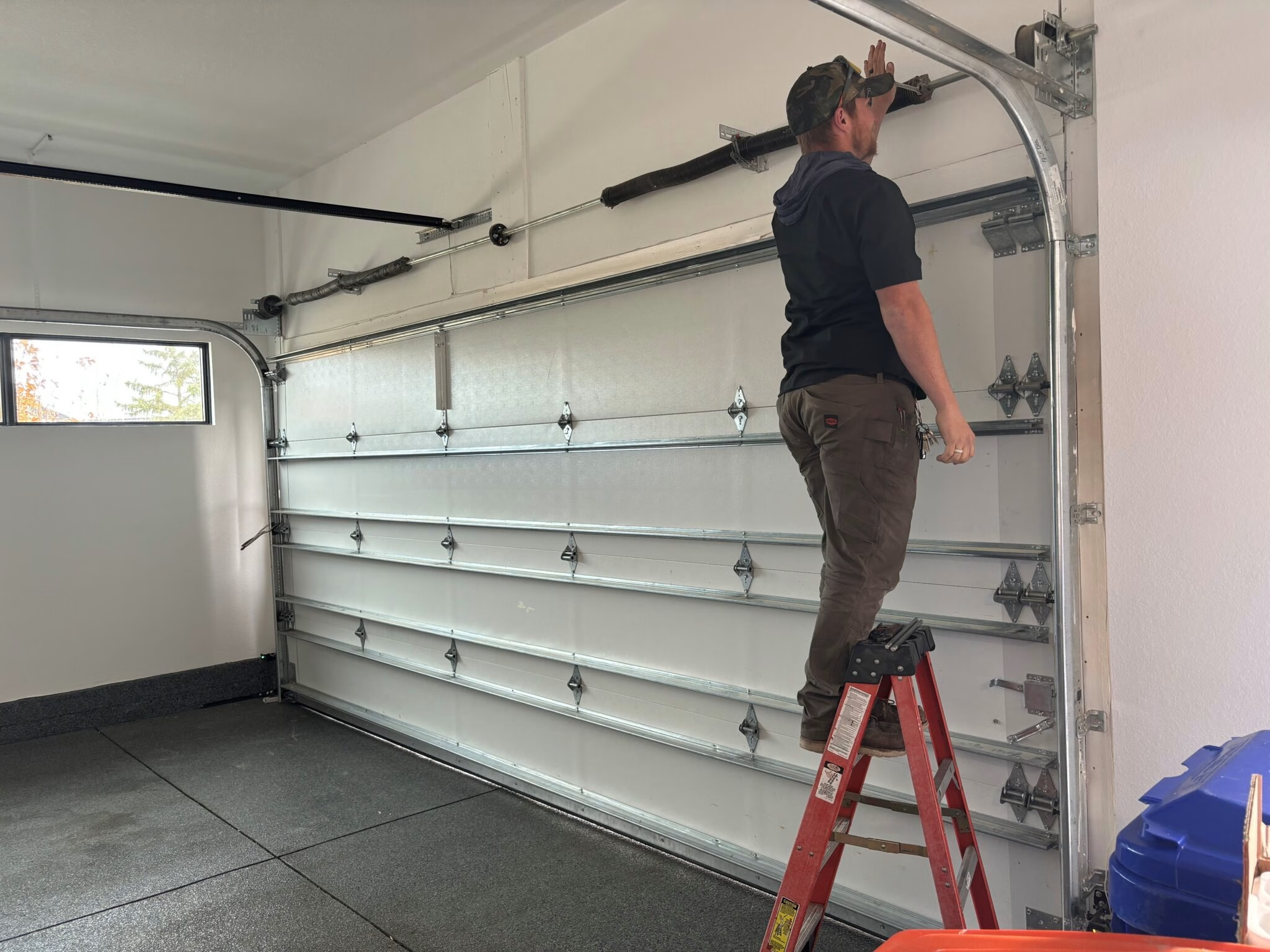
This is also where homeowners often learn whether the system uses extension springs or a torsion setup. The configuration affects how the door behaves after failure and how service is planned.
Since the spring type and failure pattern usually connect back to the root cause, see What Causes a Broken Garage Door Spring in Denver, CO? for the warning signs that often show up beforehand.
Garage Door Spring Repair vs. Replacement and How Pros Decide
When people ask “how long can I wait,” they often really mean “what is the smartest next step.” Sometimes the safest path is restoring function. Other times, the safest path is to replace worn components to prevent repeat failures.
Here are common decision factors professionals use:
- Door weight and usage frequency
- Whether the system uses a pair of springs or a single spring setup
- The condition of the lift components that share the load
- The history of failures and prior service
In many cases, garage door spring repair is about restoring control and balance, not just restoring movement. When the door is properly balanced, the motor can operate normally rather than straining under extra weight.
In some cases, a pro may recommend replacing the garage door springs when the remaining spring is near the end of its life ,or the system is mismatched.
Cost Factors That Influence What You Pay and How Fast You Schedule
People want a clear answer on cost, but real pricing varies. In Denver, the total can depend on the specific door design and what the technician finds during inspection.
Common cost drivers include:
- Door design and weight class (especially with heavier doors)
- The type of spring needed and whether it’s a torsion spring
- Parts condition beyond the spring
- Scheduling needs and location considerations
If you are researching, you may see the phrase spring replacement cost. The average cost may depend on local labor rates, the area you’re in (including some rural areas outside the city), and the complexity of the visit. That also affects labor cost and overall pricing.
This is also where some owners compare repair vs full garage door installation or full system updates. Those options are very different, and a professional inspection helps you avoid paying for more than you need.
What to Check Before Scheduling Service in Denver
When you search for a broken garage door spring near me, it’s tempting to choose the first result. Instead, focus on reliability, communication, and whether the provider can restore safe door balance without creating new issues.
A reliable provider will offer:
- Clear explanations of options and why each is recommended
- Written scope and communication before work begins
- Safety checks after service to confirm stable operation
- Professional standards and a transparent process from start to finish
These details matter because spring failures can affect multiple parts of the system, and clear documentation helps you understand what is being serviced and why.
If access is your main concern, read “Can You Open a Garage Door With a Broken Garage Door Spring?” to understand what can happen when the door is forced to operate and why that can increase the risk of damage.
Get Safe Access Back Without Guesswork
If you’re dealing with a broken garage door spring in Denver, CO, the safest move is to have the system inspected promptly to avoid further damage or an unexpected failure. We focus on safety checks, clear communication, and a documented plan so you can return to normal use with real peace of mind.
Martin Garage Door is here to restore safe, balanced operation and confirm that the full system is working the way it should. For fast scheduling and clear next steps, contact us or give us a call today so we can get your door working safely again.
Frequently Asked Questions
How do I know if my garage door has one spring or two springs?
We confirm the number of springs during inspection by reviewing the hardware layout and the dooris balance. Some systems use a single spring, while others use two springs for smoother lifting and safer load distribution across the system.
Can a broken spring cause the garage door opener to stop working completely?
Yes. If the door becomes too heavy, the opener may stop or reverse to protect the motor. Some units may refuse to close if travel is abnormal or if safety expectations are not met during operation.
Is it common for springs to break during cold snaps in Denver?
It can be more common. Rapid temperature changes can stress older metal and accelerate failure in worn components, especially in systems with high daily use or wear that was not obvious before the weather shift.
What other parts are most often affected when a spring fails?
We often see extra wear in lift components and alignment points. During evaluation, we check the cables, drums, tracks, and key-moving hardware to confirm that nothing else has been compromised by imbalance.
Can a broken spring damage the garage door panels over time?
Yes. If the door travels unevenly, the panels can flex, and the door can bind. Over time, that uneven movement can contribute to visible wear, shifting, or damage that was not present immediately after the spring failed.
Will my garage door still lock properly if the spring is broken?
Sometimes it will, but not always. If the door isn’t closing squarely, the lock mechanism may not line up. A professional inspection checks closure alignment so security functions as expected.
How long do garage door springs typically last with regular use?
Spring life depends on the cycle rating and daily use. Doors used frequently tend to wear springs faster than doors used only a few times per day. A technician can estimate remaining life by evaluating wear indicators and overall system condition.
Can a spring failure cause the door to come off its tracks?
It can increase the risk. When the door becomes unbalanced, uneven movement can cause it to pull against the track system. If the door binds or shifts during travel, it may contribute to track issues and unsafe movement patterns.
Are commercial garage doors affected differently by spring failure than residential doors?
Often yes. Commercial doors may have higher cycle demands, heavier assemblies, and different hardware designs. Evaluation considers usage intensity and system design to ensure the fix restores safe operation.
What should I expect during a professional spring inspection appointment?
You should expect a clear explanation of what failed, what service is recommended, and why. We verify door balance, inspect lift hardware, and confirm operator safety behavior so the system returns to reliable performance with documentation and clear next steps.