A broken garage door spring is serious because it changes how the door moves and how much force it takes to lift. In Denver, CO, temperature swings and frequent use can wear springs down faster, so failure may happen sooner than many homeowners expect. When it breaks, the door can lose balance, and the opener may struggle.
That loss of balance is where the risk starts. The door can feel extremely heavy, shift suddenly, or move unevenly, which can lead to injury or property damage. This guide explains the main dangers, the warning signs you can check safely, and the next steps that protect your home and restore reliable operation.
Why a Broken Garage Door Spring Can Be Dangerous for Homeowners
A spring system carries most of the weight of a garage door, allowing it to open and close smoothly. When a broken garage door spring occurs, the door can lose balance quickly, making movement harder to control and increasing the risk of damage or injury.
What Makes It Risky
- Sudden weight change: A door that used to lift easily can suddenly feel heavy.
- Unstable movement: The door may lift crooked or drop faster than expected when balance is lost.
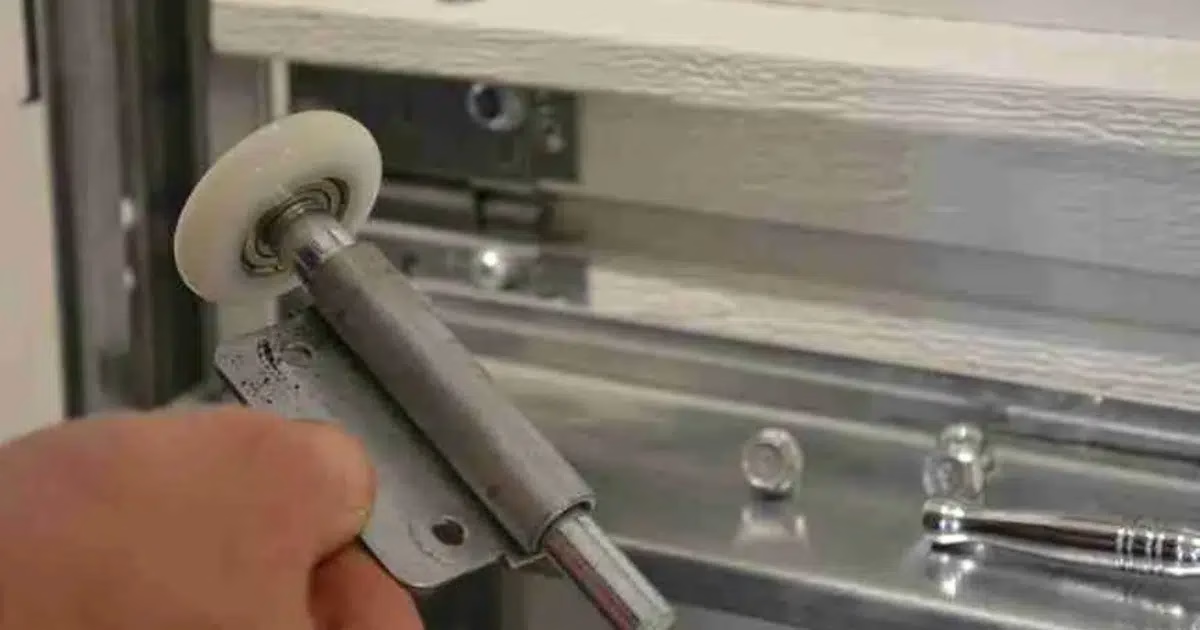
- Chain reaction damage: Cables, drums, and bearings can take on forces they weren’t designed to handle.
Springs also store energy because they are wound or stretched under extreme tension to help lift the door. If a spring snaps, that stored energy is released suddenly, which is why the break can be loud and why using the door afterward can be risky.
Why “One Spring Broke” Still Matters
Many doors use a pair of springs, and the correct number of springs depends on the door’s size, weight, and design. When one spring breaks, the other spring is often worn too, which can leave the door unbalanced and strain cables and hardware, especially with heavier doors such as insulated or oversized double doors.
If you want to understand why springs tend to fail in this area, read What Causes a Broken Garage Door Spring in Denver, CO? for a clear breakdown of common local causes, usage-related wear, and environmental factors that can shorten spring lifespan.
How Do I Know If My Garage Door Spring Is Broken and Needs Repair?
A broken garage door spring often shows up as a loud snap, a door that suddenly feels much heavier, or a door that moves unevenly. You may also spot a visible gap in the spring or notice loose cables. Treat these signs as urgent, and avoid forcing the door.
Safe Signs to Check
Use this quick checklist to confirm what you’re seeing without taking risks:
- Sound: Many homeowners hear a loud crack when a spring fails.
- Door behavior: The door may lift a few inches and stop, or it may tilt.
- Visible gap: A clear gap in the spring’s coils is a strong clue.
- Opener strain: The motor may hum while the door barely moves.
What Not to Do
- Don’t try to lift the door fast or jerk it upward.
- Don’t keep hitting the wall button if the door won’t move.
- Don’t try to tighten or unwind anything if you’re not trained.
This is one of those cases where “just try it again” can turn a simple spring issue into bigger damage.
How a Garage Door Spring Works and Why Failure Creates Risk
A spring counterbalances the door’s weight, allowing it to move smoothly. As the door closes, the spring winds up or stretches to store energy, and when the door opens, it releases that energy to help lift it in a controlled way. When the spring fails, the door loses that support immediately, which is why it can suddenly feel much heavier and harder to control safely.
Two main systems are used, and the type of spring affects where it sits and how it behaves:
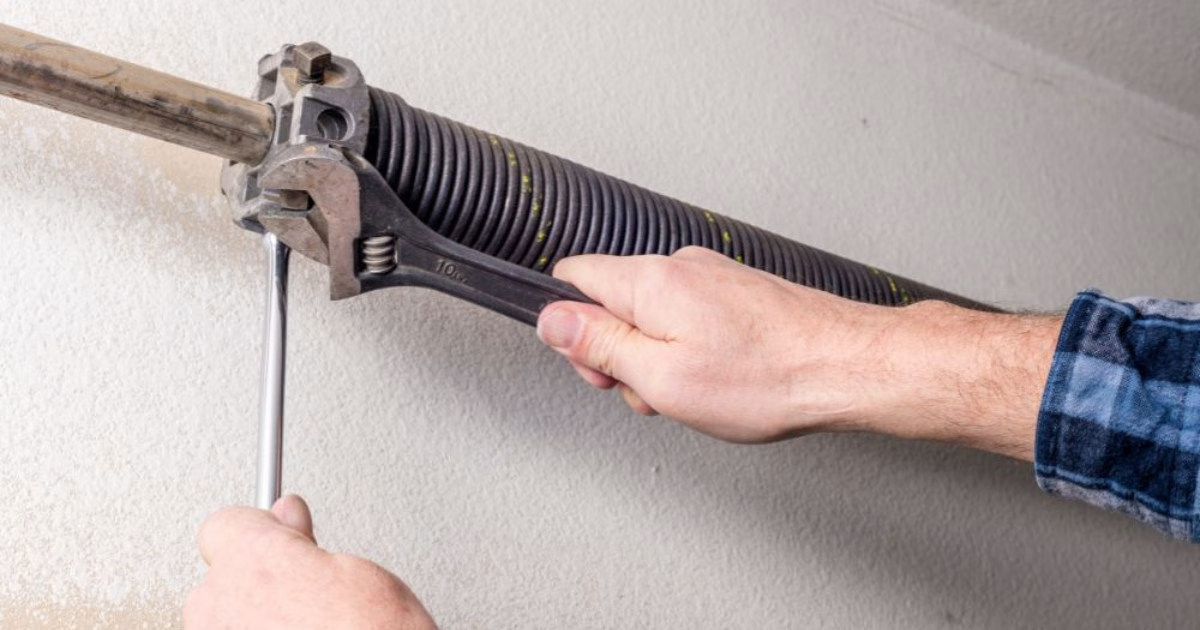
- Torsion spring: Mounted above the opening, it tightens as the door closes and unwinds to help lift the door as it opens.
- Extension springs: Usually along the sides, they stretch as the door closes and contract to help lift during opening.
You may also see the phrase garage door torsion spring, which refers to the torsion-style setup used on many modern doors. Because torsion stores force by twisting the spring, spring work can be dangerous without proper training and safety procedures.
Why the Opener Cannot “Replace” the Spring
Your garage door opener is designed to guide and control the door, not to lift the full weight of the door on its own. When a broken garage door spring removes that counterbalance, the opener has to work much harder than it was built to handle, which can overwork the motor and wear down internal gears. Over time, that extra strain can turn one problem into a larger repair.
If you use an automatic system, sensors are also part of the safety picture because they help prevent entrapment by stopping or reversing the door when something is in the opening. The U.S. Consumer Product Safety Commission explains the safety requirements for automatic residential operators under 16 CFR Part 1211, including protections for safe operation and entrapment reduction.
What to Do if You Have a Broken Garage Door Spring in Denver, CO
Most homeowners reach out for help because they are dealing with one of three urgent situations:
- The door will not open, and they need access for work, school, or errands.
- The door is stuck open, and they need to secure the garage quickly.
- The door still moves, but it feels unsafe, heavy, or unsteady.
These are the moments that usually trigger searches like ‘broken garage door spring near me,’ especially when the door is blocking daily routines or leaving the garage unsecured.
What a Service Visit Should Include
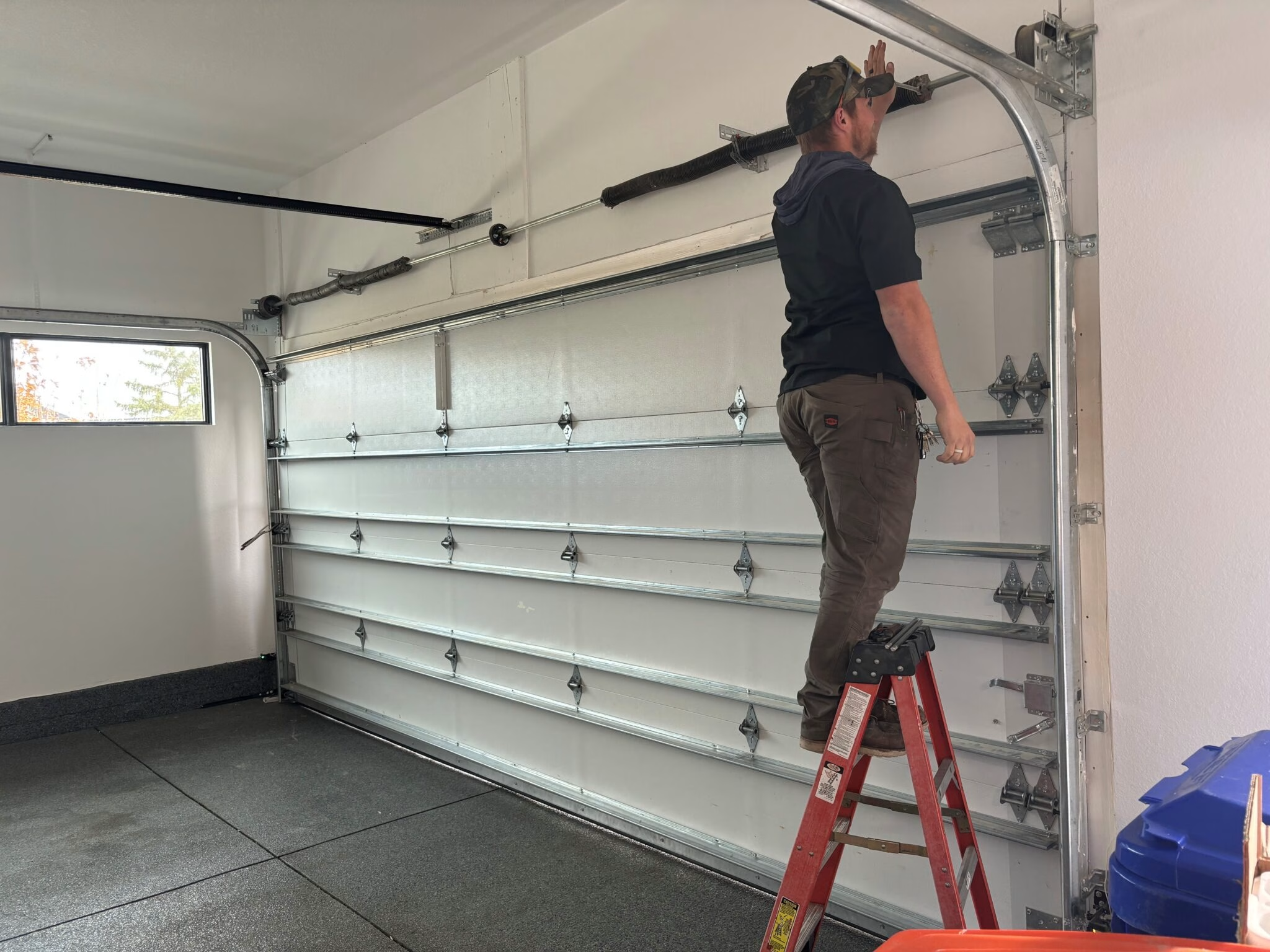
A quality service visit should involve more than swapping parts. It should start with a thorough inspection so the technician can confirm the spring type, check the door’s balance, and ensure the related hardware is still safe to use. In most cases, a complete visit includes:
- Confirming spring sizing and door weight
- Checking cables for wear and making sure they are seated correctly
- Testing door balance and travel to prevent jerky movement
- Confirming safe reversing behavior and general safety checks
In rural areas outside the city, response times and parts availability can vary, so ask whether the correct spring is stocked and whether the work can be completed in one visit. This is also when homeowners compare a general provider with a spring-focused specialist, and the best choice is usually the one that explains what failed in plain language and clearly lists what the service includes before work begins.
For practical tips on vetting a service provider, the Better Business Bureau shares guidance on how to find a qualified contractor and what to check before hiring, which can help you avoid pressure tactics and unclear agreements.
To gauge urgency, read How Long Can You Wait to Fix a Broken Garage Door Spring? to understand how delaying service can affect door balance, cables, and other components.
When Garage Door Spring Repair Is Enough vs When Replacement Is Needed
Not every problem with a garage door requires replacing major parts, but a snapped spring is different from a minor adjustment issue.
When the spring is fully broken, the safest option is usually replacement, as the spring can no longer support the door’s weight or keep it balanced.
How Repair Differs From Replacement
Repair usually means restoring safe operation without changing the spring, such as correcting door balance, tightening hardware, or replacing worn related parts when the spring is still intact as part of a standard garage door service visit.
In contrast, replacement means installing a new spring because the existing spring is snapped or too worn to safely do its job, which is often the only safe fix when a spring is fully broken.
This is where details matter:
- A door can have a door spring setup with one or two springs.
- Replacing one spring on a two-spring setup may leave the door unbalanced if the remaining spring is worn.
- A worn spring can also shorten the life of other parts and reduce system durability.
What Affects the Quote Without Talking Numbers
You asked to include the cost topic, but without price ranges. Here are the real factors:
- Door size and weight
- Spring design and cycle rating
- The spring replacement cost changes based on the parts’ quality and complexity
- Your local labor rates and the required labor cost
- Whether you need extra parts because of wear or damage
If the door itself has major issues, a technician may discuss larger options, such as garage door replacement, when the panels, tracks, or structure are no longer safe.
What to Expect During a Garage Door Spring Replacement Visit
A professional spring job should follow a clear, safety-focused process. The technician should secure the door, confirm the correct spring size, and restore smooth, balanced operation.
What the Technician Should Check Before Replacing the Spring
Before any spring replacement, the technician should confirm the door’s weight and setup so the new spring matches the system. This includes checking the type of garage door, verifying the spring type, and noting whether the system uses a single spring or a pair.
What Typically Happens During the Service Visit
- The door is secured so it can’t move unexpectedly.
- The correct spring is selected based on door weight and design.
- The spring is installed, and tension is set correctly.
- The door is balanced and tested for smooth, level travel.
- The garage door opener is tested to confirm steady movement and safe reversing behavior.
A qualified technician should also explain sizing details, including measured length and wire thickness, sometimes down to an inch, because small differences can affect lift and system strain.
What Should Be Tested Afterward
After door spring replacement, these checks confirm safe operation:
- The door lifts smoothly by hand.
- The door stays balanced at mid-height.
- The door closes without jerking or slamming.
- The opener runs smoothly.
- The photo-eye sensors work correctly.
If you want a practical reference for how those safety sensors are supposed to work, LiftMaster’s sensor alignment guide explains how to align safety reversing sensors and what to check when the door will not close consistently.
If the door still will not open normally after the spring is replaced, read Can You Open a Garage Door With a Broken Garage Door Spring? to understand what is safe, what is risky, and which steps protect the door and the opener.
After the Spring Is Replaced, What Should You Do Next?
After spring service, the door should feel balanced and move smoothly without the opener struggling. A few quick checks can help you confirm everything is operating safely.
- Test the balance: With the opener disconnected, the door should lift smoothly and stay in place when opened halfway.
- Listen for changes: Grinding, squealing, or popping sounds can mean something is still misaligned or under strain.
- Watch the door travel: The door should rise evenly without leaning or shaking in the tracks.
- Confirm opener behavior: The opener should move the door smoothly without struggling, jerking, or stopping.
- Check safety basics: If the door will not close consistently, the photo-eye sensors may be blocked or misaligned.
If the door still does not operate normally after the work is completed, stop forcing it and schedule a full inspection so any related issues can be corrected before they cause damage or create a safety risk.
Staying Safe After a Broken Garage Door Spring in Denver, CO
A broken garage door spring is more than a mechanical issue. It can affect door balance, safety, and daily access to your home if it is not handled correctly. Understanding the risks, knowing when to stop using the door, and taking the right next steps can help prevent further damage and protect everyone around the door system.
Martin Garage Door provides thorough system inspections and careful repairs designed to restore safe, balanced operation after a spring failure. Our team takes the time to explain what’s happening, address related issues, and make sure the door operates smoothly and reliably again. If you need help in Denver, CO, contact us today or give us a call to schedule service and get dependable support you can trust.
Frequently Asked Questions
How can I find a reliable garage door repair service near me to fix a broken spring?
Check recent local reviews, confirm the company is licensed and insured, and ask whether the service includes door balancing and a full safety check. A reliable provider should explain the work clearly, provide written details, and answer questions without pressure.
What are the typical costs to repair a broken garage door spring in my area?
Costs vary based on door weight, spring type, whether one or two springs are replaced, and local labor rates. Ask for an itemized quote that separates parts and labor and includes balancing and safety testing.
Is it safe to try replacing a broken garage door spring myself, or should I hire a professional?
It is usually not safe to do it yourself because springs are under extreme tension and require specialized tools and experience. A trained technician can choose the correct spring and restore safe door balance after installation.
How do I know if my garage door spring is broken and needs repair?
Common signs include a loud bang, a door that suddenly feels very heavy, uneven lifting, or a visible gap in the spring. The opener may struggle or stop because it cannot lift the full door weight without spring support.
How quickly can a local technician usually fix a broken garage door spring?
Many spring jobs can be completed in one visit once the correct spring is available. Timing depends on door type, spring availability, and whether additional parts like cables or bearings need attention.
Are there any signs I should look for before my garage door spring breaks completely?
Yes. Warning signs include slower opening, jerky movement, squealing noises, visible rust, or a door that no longer feels balanced. Addressing these early can reduce the chance of a sudden break.
Where can I buy replacement garage door springs near me?
Replacement springs are available online and from some local suppliers, but proper sizing is critical for safety and performance. If the spring is the wrong size, the door can become unbalanced, straining the opener.
What should I do if my garage door won’t open because of a broken spring?
Stop running the opener to avoid damaging it. Keep the door closed if possible, use another entry, and schedule service. If the door is stuck open, keep the area clear until it can be secured safely.
Do garage door spring repair companies offer emergency services in my location?
Many companies offer emergency or after-hours service, but availability depends on staffing and time of day. Ask about response time and whether the visit includes a full safety check and door balance test.
How long do typical garage door springs last before they break?
Lifespan depends on the spring’s cycle rating, door weight, and how often the door is used each day. Regular inspection and early treatment of symptoms can help extend the spring’s life.