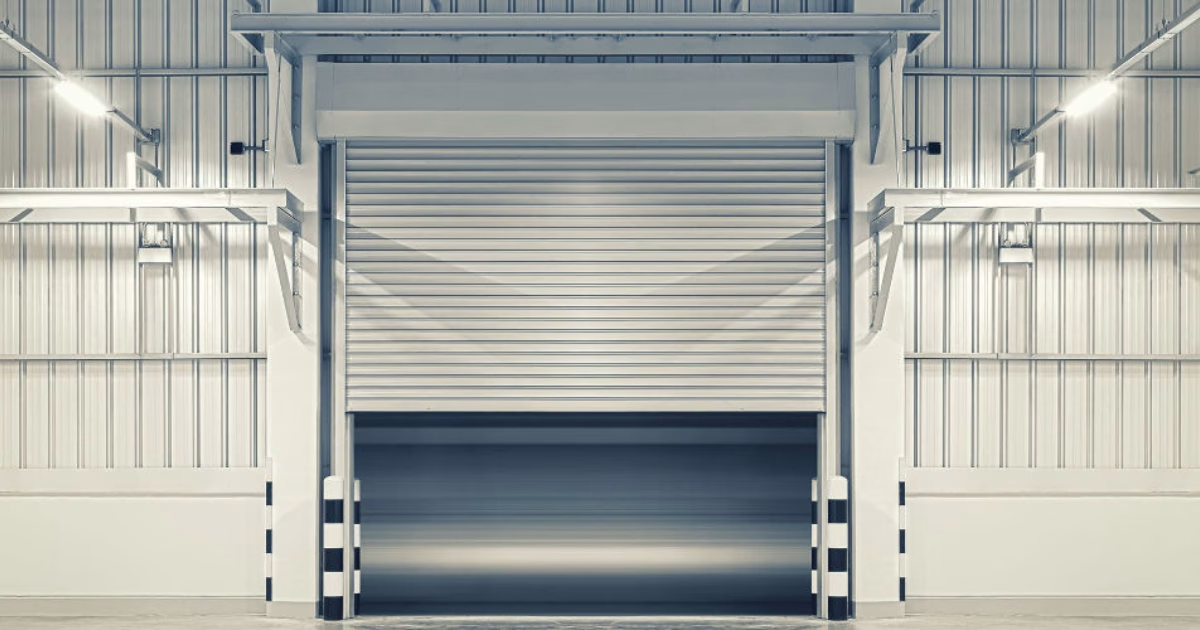
Selecting the correct garage door opener is essential for both functionality and longevity. If you’re considering an automatic roll-up garage door opener, it’s important to know what sets it apart. These openers are designed to handle vertical-lifting doors with compact coiling systems, which makes them ideal for both residential garages and commercial storage areas.
Unlike traditional overhead systems, an automatic roll-up garage door opener mounts differently and requires a specific set of capabilities to work efficiently. Factors such as motor strength, installation clearance, and frequency of use will determine which model best suits your needs.

This blog explores the essential features, motor specifications, and installation guidelines you need to know before investing in an automatic roll-up garage door opener. Whether you’re upgrading an old system or outfitting a new garage, this guide will help you make an informed decision.
Key Features to Look for in an Automatic Roll Up Garage Door Opener
Choosing the right automatic opener for a roll-up garage door requires a different set of considerations than for standard sectional doors. Because roll-up models operate on a vertical coil system, they demand equipment built for compact, efficient, and heavy-duty use, often in more demanding environments. Here are the most important features to look for when selecting a roll-up door opener:
Compact Design and Vertical Lift Compatibility
Roll-up doors operate differently than standard models, coiling tightly above the doorway instead of retracting along a ceiling track. Therefore, the opener must be:
- Specifically designed for vertical coiling rather than horizontal movement
- Compact and ceiling-clear to work in areas with low headroom or tight clearance
- Capable of managing balanced, vertical tension through direct shaft or drum-driven mechanisms
This design efficiency is especially valuable in commercial garages, warehouses, and small-space residential applications where overhead space is limited.
Durable Materials and Corrosion Resistance
Roll-up openers are often installed in environments exposed to fluctuating temperatures, humidity, dust, or industrial wear. Look for units that are built to endure:
- Corrosive or damp conditions, especially in coastal or outdoor environments
- Frequent usage cycles in commercial or fleet applications
- Heavy-duty construction, such as stainless steel frames, powder-coated housings, or reinforced internal gears
Durable materials not only improve longevity but also reduce the need for frequent repairs or early replacements.
Advanced Safety Mechanisms
Whether installed in a home or a commercial building, safety is non-negotiable. A reliable automatic roll-up opener should include:
- Obstruction detection sensors that stop or reverse the door if something is in the way
- Manual release function for emergency situations or power outages
- UL 325 compliance or equivalent industry certifications for safety standards
- Overload protection and auto-reverse features for added operational security
For commercial setups, these safety features also help reduce liability and meet code requirements.
Remote Access and Smart Integration
Today’s openers often include modern connectivity features that enhance convenience and security. Look for:
- Wi-Fi or Bluetooth compatibility for remote control via smartphone apps
- Smart home integration with systems like Amazon Alexa, Google Assistant, or Apple HomeKit
- Real-time monitoring, scheduling, and access logs for improved management
- Cloud connectivity options for businesses tracking access in multi-user environments
These digital tools allow homeowners and property managers to operate, monitor, and secure the garage from virtually anywhere.
Choosing the Right Motor Power for Your Garage Door

Selecting the correct motor power for your roll-up garage door opener is critical for long-term performance, efficiency, and reliability. Underpowered motors can lead to strain, breakdowns, or poor functionality, while overpowered units may waste energy or exceed your actual needs. Here’s how to determine the best fit.
Assessing Door Size and Weight
The first and most important factor is the size and weight of the garage door. Roll-up doors vary widely depending on material (steel, aluminum, wood) and application (residential vs. commercial). Motor horsepower (HP) must match the load to avoid mechanical stress or failure.
- 1/2 HP to 3/4 HP – Sufficient for most standard residential roll-up doors made of lightweight or medium-gauge steel or aluminum.
- 1 HP or more – Required for heavier doors, such as commercial-grade roll-ups, insulated doors, or those with added overlays.
- Oversized or high-lift doors – May benefit from industrial motors or gear-reduction systems for smooth operation and long-term durability.
Always consult the door’s specifications or a garage door professional if you’re unsure about its weight or balance.
Frequency of Use
Motor power isn’t just about strength—it’s also about endurance. The number of open-and-close cycles per day impacts how hard the motor has to work over time.
- Occasional use (1–4 cycles/day) – Lower HP models are generally sufficient for small residential garages.
- Moderate to high use (5–10+ cycles/day) – A more powerful motor with a high-duty cycle rating is better suited to frequent use, especially in multi-car homes or small businesses.
- Commercial or fleet applications – Look for continuous-duty motors or operators rated for industrial use to avoid overheating or premature wear.
A higher-capacity motor in high-use scenarios will reduce stress, prevent overheating, and extend the lifespan of the entire system.
Energy Efficiency Considerations
Many modern garage door openers are designed with energy efficiency in mind—an important factor if the door is used frequently or operates in a large facility.
- Standby energy-saving modes reduce idle power consumption when the opener is not in use.
- Variable-speed motors can improve efficiency by adjusting torque based on door resistance.
- Smart scheduling features may allow you to set quiet hours or energy-conscious time blocks.
If you’re upgrading an existing system or installing one in a high-use, energy-conscious environment, energy efficiency should be part of your decision-making process.
Professional Installation Tips for Best Performance
Proper Mounting and Alignment
Automatic roll-up garage door openers must be mounted with precision to align with the vertical coil mechanism. Improper installation leads to uneven wear, increased noise, and premature failure.
Electrical Requirements
These openers typically require a dedicated power source and may need professional wiring. Make sure your garage or facility can support the necessary voltage and amperage for the model you choose.
Maintenance Access
Plan installation so the motor and mechanical components are accessible for periodic inspections and maintenance. This reduces downtime and helps extend the system’s operational life.
Use Trusted Technicians
Hiring professionals who specialize in garage door services ensures that the job meets safety regulations and manufacturer standards.
Common Issues to Avoid
Undersized Motors
Choosing a motor with insufficient power for your door’s weight can strain the system and reduce its lifespan. Always match the horsepower to the actual requirements of the door.
Incompatible Controls
Using generic or unsupported remote systems may limit functionality or lead to safety failures. Opt for controllers that match your opener’s brand and capabilities.
Ignoring Environmental Conditions
High-humidity or corrosive environments can degrade components faster. Choose models with weather-resistant features when needed.
Frequently Asked Questions
Are side mount openers quieter than traditional openers?
Yes, side mount systems are generally quieter because they produce less vibration and don’t rely on an overhead rail.
Can I use a side mount opener on any garage door?
No. Your garage door must have a torsion spring system and enough side room to accommodate the opener.
How much space do I need for a side mount garage door opener?
You typically need at least 8–12 inches of side clearance for proper installation.
Are side mount garage door openers safe?
Absolutely. They include all the standard safety features, and some models offer additional security options like automatic deadbolts and mobile app monitoring.
Conclusion
Choosing the right automatic roll-up garage door opener means evaluating your door’s size, usage frequency, and environment. Paying attention to motor capacity, control options, and safety features helps you avoid underpowered or unreliable systems.
Experienced professionals should install to avoid misalignment or mechanical strain. When maintained properly, these openers can deliver years of smooth operation.
If you need help selecting or installing an opener, contact Martin Garage Doors for expert advice and dependable service.
End Note
We understand that garage door solutions need to be functional, efficient, and built to last. At Martin Garage Doors, we bring years of experience and proven results to every installation and service call.
From garage door openers to garage door repairs, we’re committed to offering complete support tailored to homes and businesses in Colorado Springs.
Explore our full services, follow us on Facebook, or read our Google reviews to learn how we serve the community. When you’re ready, reach out through our contact page to get started.
Martin Garage Door
10411 S Parker Rd, Parker, CO 80134
+13036631310