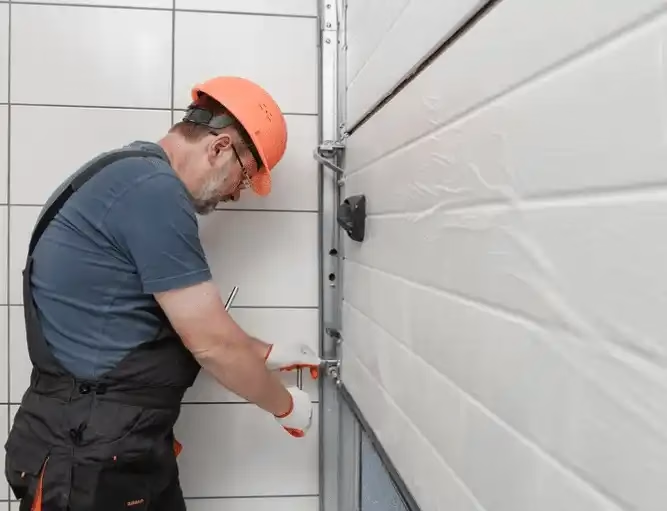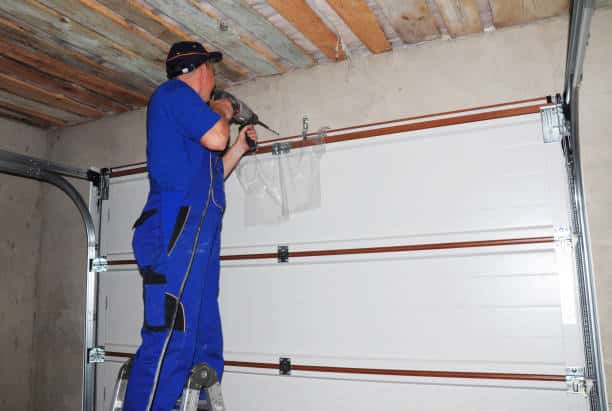
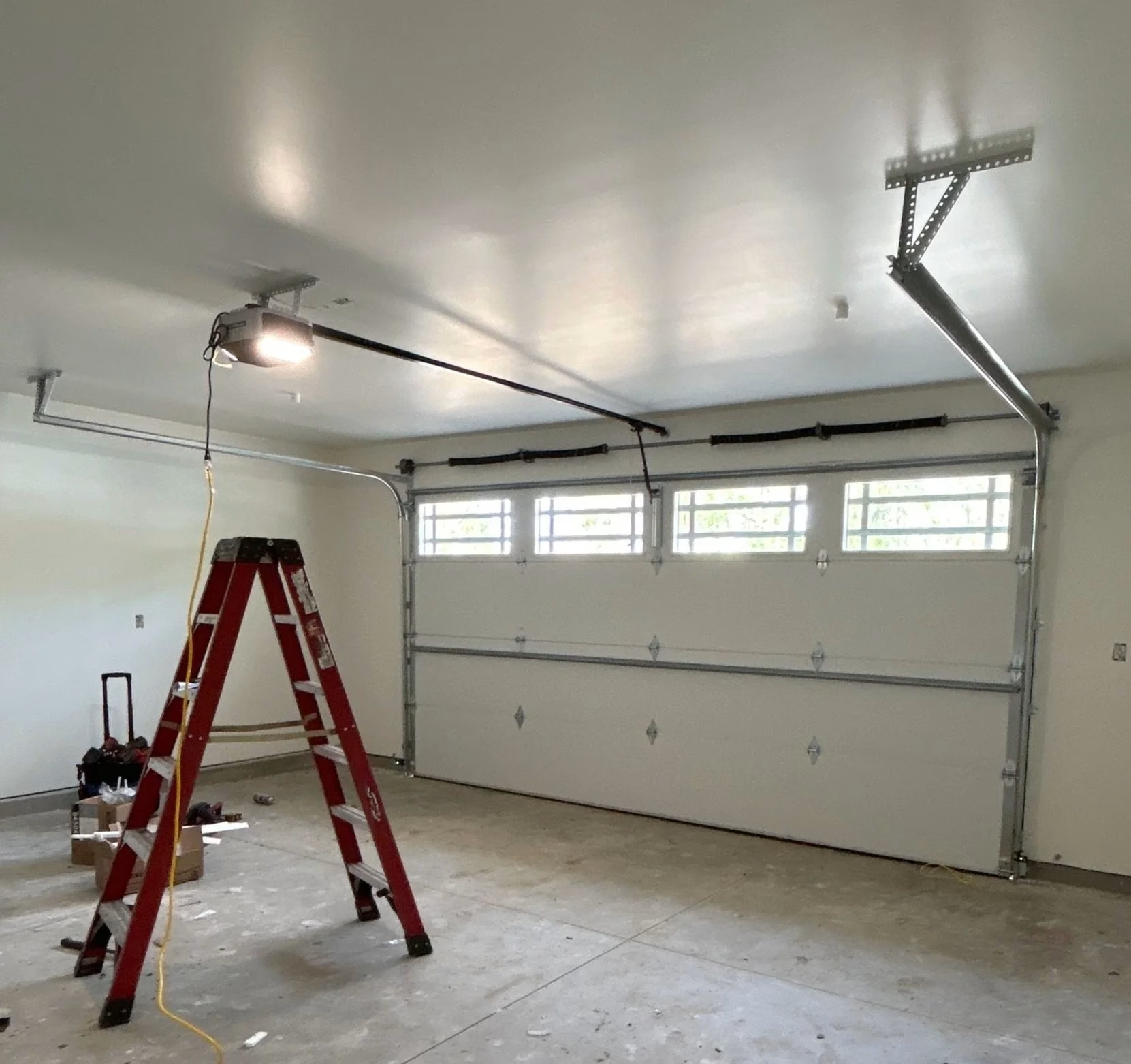
Your garage door is one of the largest moving parts of your home, and it is used far more often than many people realize. Because it operates so reliably, it is easy to overlook until something goes wrong. However, a garage door is a mechanical system, and like any system with multiple moving components, it requires consistent care to remain safe and dependable. Without regular attention, normal wear can go unnoticed and lead to sudden malfunctions at inconvenient moments.
Maintaining your garage door on a routine basis through consistent garage door maintenance helps preserve smooth operation and ensures that safety features continue to function as intended. When garage door maintenance is ignored, minor issues can gradually turn into larger problems that affect both performance and safety. Taking a proactive approach to garage door maintenance allows the system to operate as designed while reducing the likelihood of unexpected failures. By addressing garage door maintenance before problems arise, you help protect your home, support daily reliability, and keep this essential part of your property functioning properly over time.
Why Garage Door Maintenance Matters for Residential Homes
Caring for a garage door is an essential part of responsible homeownership, even though it is often overlooked. Regular attention helps reduce the likelihood of larger problems developing over time, especially since small mechanical issues are not always obvious at first. When a garage door system is evaluated on a consistent basis, early signs of wear or misalignment can be identified before they lead to more serious complications. Addressing these concerns early is far more manageable than dealing with extensive damage that could affect the entire system.
While homeowners may notice visible changes in how a door operates, the internal components of a garage door system are complex and require specialized knowledge to assess properly. Many of these parts operate under significant tension, which increases the risk of injury if handled incorrectly. Experienced professionals understand how these systems function as a whole and are trained to evaluate components safely and accurately. Their expertise helps ensure that the garage door continues to operate reliably while reducing unnecessary safety risks. Understanding how maintenance supports daily use and household safety is an important next step, especially when environmental conditions are also a factor.
For a deeper look at timing and scheduling, explore our related guide, “How Often Should Garage Door Maintenance Be Done?”
How Residential Garage Door Maintenance Supports Home Safety and Daily Use
Safety is one of the most important reasons residential garage door maintenance should not be ignored. A garage door that does not function correctly can pose a serious hazard to people, vehicles, and property. Regular evaluations help confirm that built-in safety features are operating as intended, which is especially important for households that rely on the garage door multiple times each day. Properly functioning safety systems help prevent unintended movement and reduce the chance of accidents.
A comprehensive garage door tune-up goes beyond surface-level checks and includes an assessment of the system’s moving components. Springs, cables, and other load-bearing parts are under constant stress, and problems with these elements are not always easy to detect without experience. Because of the risks involved, these areas are best evaluated by trained professionals who understand how to work with high-tension components safely. Their ability to identify subtle issues helps maintain consistent performance while protecting the overall integrity of the system.
Consistent maintenance supports more than convenience. It plays a direct role in protecting the home and the people inside it. Knowing that a large, frequently used system has been properly evaluated provides peace of mind and helps ensure dependable operation over time. Addressing potential concerns before they escalate is one of the most effective ways to keep a garage door functioning as it should.
The Impact of Climate and Environment on Routine Garage Door Maintenance
Environmental conditions have a significant influence on how a garage door system ages and performs. Exposure to moisture, temperature changes, airborne debris, and prolonged sunlight can gradually affect materials and mechanical parts. In areas with high humidity or frequent rain, metal components may be more susceptible to corrosion, which can weaken springs, hinges, and tracks over time. If left unaddressed, this type of deterioration can compromise both performance and structural stability.
Different garage door materials respond differently to environmental stress, and garage door springs are also affected by these conditions over time. Wooden doors may swell or warp in damp environments, while extreme heat or cold can impact seals, flexible components, and the tension within garage door springs. Weather exposure can cause bottom seals to stiffen or crack, reducing their ability to block out drafts, moisture, and pests. These changes often develop gradually and are not always noticeable during everyday use, which is why environmental factors remain important to consider even between scheduled evaluations.
During routine garage door maintenance, professionals account for local climate conditions and how they affect specific components. Certain areas of the system may require closer observation based on regional weather patterns and material response. Common environmental considerations include:
- Metal components, which may show early signs of corrosion in humid or coastal areas
- Wooden door surfaces, which can be affected by prolonged moisture exposure
- Weather seals, which may degrade faster in extreme heat or cold
By understanding how climate influences garage door performance, homeowners can better appreciate the role of routine maintenance in preserving long-term reliability and system safety.
What Is Included in Routine Garage Door Maintenance
Routine garage door maintenance, often referred to as a garage door tune-up, is a comprehensive service designed to support safe and consistent operation. Rather than a brief visual review, this process involves a detailed evaluation of the system along with precise adjustments and lubrication of key components. The goal is to identify early signs of wear or imbalance before they develop into larger issues that affect performance or reliability. When maintenance is performed regularly, it helps reduce unexpected interruptions and supports the long-term function of the garage door.
The information shared here is intended to provide a general understanding of what routine maintenance typically includes and why it plays an important role in system performance. During a professional visit, the technician evaluates how each component works together, paying close attention to balance, movement, and overall responsiveness. This type of assessment helps confirm that the system operates as a single, coordinated unit. To provide a clearer picture of the process, the sections below outline the components commonly reviewed during an inspection and explain how lubrication and adjustment contribute to smoother operation.
For additional insight into the issues routine care can help avoid, be sure to read “What Problems Does Garage Door Maintenance Prevent?”
Components Commonly Reviewed During a Garage Door Inspection
A thorough garage door inspection covers several critical components that are essential to safe and efficient operation. Technicians focus on areas that experience the most strain from daily use, including springs that support the door’s weight and openers that control movement. Cables, rollers, hinges, and tracks are also carefully examined since their condition directly affects how smoothly the door travels.
The inspection process is methodical and detailed. Signs of wear, such as frayed cables, worn rollers, or uneven spring tension, are carefully noted, along with any misalignment in the tracks that could cause resistance or uneven movement. Fasteners are checked for stability, as regular vibration can cause them to loosen over time. Opener settings are also reviewed to ensure the motor is not working harder than necessary, which helps support consistent performance.
Many modern garage door systems include electronic indicators or diagnostic signals. A trained professional can interpret these alerts to uncover underlying concerns that may not be immediately visible. The table below summarizes the primary components reviewed during a typical inspection.
|
Component |
What Is Checked During Inspection |
|
Springs & Cables |
Wear, rust, gaps, and proper tension |
|
Rollers & Hinges |
Damage, surface wear, and lubrication condition |
|
Tracks |
Alignment, debris buildup, bends, or damage |
|
Safety Sensors |
Alignment accuracy and operational response |
|
Opener Motor |
Force settings, travel limits, and overall performance |
|
Door Balance |
Ability to remain steady when partially opened |
How Garage Door Tune-Up and Lubrication Services Affect System Operation
Lubrication plays a central role in how effectively a garage door system operates. As with any mechanical system, moving parts rely on proper lubrication to reduce friction and maintain smooth motion. Over time, the existing lubricant can wear away, allowing metal surfaces to rub against one another. This added friction often leads to increased noise, uneven movement, and accelerated wear across multiple components.
During a garage door tune-up, professionals apply lubricants specifically designed for garage door systems. These products are formulated to protect moving parts without attracting excess dust or debris, which can interfere with operation. Rollers, hinges, and springs all benefit from proper lubrication, as it helps reduce strain on both the door and the garage door opener. When movement is smoother, the system operates more quietly, allowing the garage door opener to function efficiently while the entire system experiences less overall stress.
In addition to lubrication, technicians also evaluate door balance as part of the tune-up process. A door that is not properly balanced forces the opener to compensate, which can shorten the lifespan of the motor and related components. When lubrication and balance are addressed together, routine maintenance supports several key benefits:
- Reduced operational noise throughout the system
- Lower friction across moving components
- Extended lifespan of the opener and mechanical parts
- More consistent and reliable door movement
Together, these elements help ensure the garage door continues to function efficiently while maintaining dependable performance over time.
When Preventive Garage Door Maintenance Should Be Considered
Waiting for a garage door to fail before addressing maintenance often leads to avoidable problems. A proactive approach allows potential issues to be identified early, before they affect performance or safety. Many professionals recommend scheduling garage door maintenance on a regular basis so that wear and mechanical changes can be evaluated over time. During these scheduled evaluations, trained technicians can detect early signs of strain or deterioration and address them before they develop into more serious concerns. This approach helps the system continue operating as intended while reducing the likelihood of unexpected disruptions.
There are also situations when maintenance should be considered sooner rather than later. Changes such as unusual sounds, slower operation, or uneven movement often indicate that the system is under stress. Ignoring these signs and waiting until the next scheduled evaluation can allow minor problems to progress. Addressing concerns as soon as they appear allows underlying issues to be assessed and corrected before they escalate. Understanding these warning signs and tracking system condition over time helps support consistent performance and long-term reliability.
For a closer look at the consequences of delay, explore our related article, “What Happens When Garage Door Maintenance Is Ignored?”
Signs Often Identified During a Garage Door Safety Check
A garage door safety check is designed to identify subtle warning signs that may not be obvious during everyday use. Many garage door issues begin as small changes in sound or movement that gradually worsen if left unaddressed. Recognizing these early indicators makes it possible to take action before the system becomes unsafe or unreliable. When warning signs are ignored, the risk of larger failures and safety concerns increases.
Unusual noises are often the first indication that something is not functioning properly. Grinding, screeching, or popping sounds typically signal increased friction or mechanical strain within the system. Visual changes can also point to developing problems, such as visible rust on springs or cables, uneven movement, or a door that no longer travels smoothly along the tracks, conditions that may eventually require garage door panel replacement if left unaddressed. Delayed response when opening or closing may indicate that components are struggling to operate under normal conditions.
Addressing these signs early helps limit further wear and supports safer operation. A professional evaluation can identify the source of the problem and correct it before additional damage occurs. Common warning signs observed during a garage door safety check include:
- Unusual noises, such as grinding, screeching, or popping, during operation
- Slow or uneven movement, where the door hesitates or moves inconsistently
- Visible wear, including rusted hardware or frayed cables
- Imbalance, where one side of the door appears lower than the other
- Delayed response, when the door does not open or close smoothly
Recognizing these indicators early helps protect both the system and the people who rely on it, while also supporting more consistent and dependable operation over time.
The Role of a Garage Door Maintenance Checklist in Ongoing Care
A garage door maintenance checklist is a structured tool professionals rely on to ensure the entire system receives a thorough and consistent evaluation. By following a checklist, technicians are able to review every component, from major moving parts to smaller hardware, without overlooking details that could affect performance or safety. This methodical approach helps document the condition of the system over time, allowing signs of wear to be identified early and noted for future attention before they develop into larger concerns. A typical checklist guides the technician through key areas such as door balance and alignment, the condition of springs and cables, lubrication of moving components like rollers and hinges, and the operation of safety features, including sensors and auto-reverse functions. Used consistently, the checklist becomes a practical record of the garage door’s overall condition, supporting long-term reliability and helping homeowners better understand how professional maintenance protects the system over time.
Caring for a garage door is not an optional task but an essential part of responsible homeownership. Regular evaluations support reliable operation while helping maintain a safer and more convenient daily routine. When homeowners understand how the garage door system functions and monitor its condition, potential issues can be addressed early rather than after they have grown into larger concerns. Neglecting this care often leads to reduced performance and increased safety risks over time, while consistent attention helps extend the lifespan of the door and its components. By making garage door care a regular priority, homeowners can feel more confident in the long-term dependability of their home, knowing that professional guidance is available whenever additional insight is needed.
For homeowners looking for experienced support, Martin Garage Doors is known for its commitment to quality workmanship and dependable service. Our team understands the importance of keeping garage door systems operating safely and efficiently, offering knowledgeable assistance tailored to residential needs. If you’re ready to take the next step in protecting your garage door and your home, contact us today or give us a call to schedule a consultation and get expert help you can rely on.
Frequently Asked Questions
Why does regular garage door maintenance help reduce unexpected system failures?
Regular garage door maintenance helps identify early signs of wear before they lead to breakdowns. During routine evaluations, a professional checks key components such as springs, rollers, and hardware to ensure they are functioning properly and working together as intended. Addressing minor issues early supports reliable operation and reduces the risk of sudden failures that can disrupt daily use.
What is usually reviewed during a garage door tune-up for residential systems?
A residential garage door tune-up involves a detailed review of the system’s primary components. Technicians examine springs and cables for wear, lubricate moving parts like rollers and hinges, tighten loose hardware, and test the opener’s force and travel settings. Safety features, including sensors and auto-reverse functions, are also checked to confirm proper operation.
When is a garage door safety check typically part of residential garage door maintenance?
A garage door safety check is typically included during routine maintenance evaluations. This process focuses on confirming that safety sensors respond correctly and that built-in protective features operate as designed. Ensuring these systems function properly helps reduce safety risks for people, vehicles, and property.
Which garage door components are most affected by long-term use?
Components that experience constant movement tend to show wear first, as the garage door system depends on repeated motion to operate smoothly over time. Springs support the full weight of the door, rollers travel along the tracks with every opening and closing cycle, and lifting cables remain under continuous tension during daily use, all of which contributes to gradual material fatigue as friction and stress accumulate. As highlighted by HomeRous, this progressive wear is why regular evaluation plays an important role in maintaining reliable and consistent performance across the entire system.
How does frequent daily use affect ongoing garage door maintenance needs?
Frequent daily use places additional strain on the garage door system. When a garage door serves as a primary entry point, components such as springs, rollers, and the opener motor experience increased wear. Systems used multiple times each day often require closer monitoring to maintain safe and reliable operation.
Can environmental exposure impact garage door performance between inspections?
Environmental conditions can affect garage door performance even between scheduled evaluations. Moisture may lead to rust on metal parts, temperature changes can impact materials and seals, and debris can interfere with smooth movement. These factors gradually influence operation and highlight the importance of consistent system awareness.
What separates preventive garage door maintenance from repair-based service?
Preventive garage door maintenance focuses on addressing wear before components fail. Planned evaluations and adjustments help keep the system operating smoothly and reduce the likelihood of unexpected issues. Repair-based service, by contrast, occurs only after a problem has already developed, often requiring more extensive work.
How does routine garage door maintenance help maintain proper door balance and alignment?
Routine maintenance helps ensure the garage door remains balanced and aligned within the tracks. Technicians assess spring tension and track positioning so the door moves evenly without placing extra strain on the opener. Proper balance supports smoother operation and reduces unnecessary stress on the system.
Why is garage door opener performance closely tied to overall system condition?
The garage door opener depends on the condition of the entire system to function efficiently, since worn or misaligned components force it to work harder during every opening and closing cycle. When the door moves smoothly and remains properly balanced, strain on the opener is reduced, which supports more consistent performance and long-term reliability. This relationship between the opener and the surrounding components is clearly explained in the detailed overview provided by This Old House.
How can a garage door maintenance checklist help track long-term system wear?
A garage door maintenance checklist provides a structured way to document system condition over time. By recording observations during each evaluation, professionals can identify patterns of wear and anticipate future needs. This ongoing record supports informed decisions and helps prevent unexpected component failure.