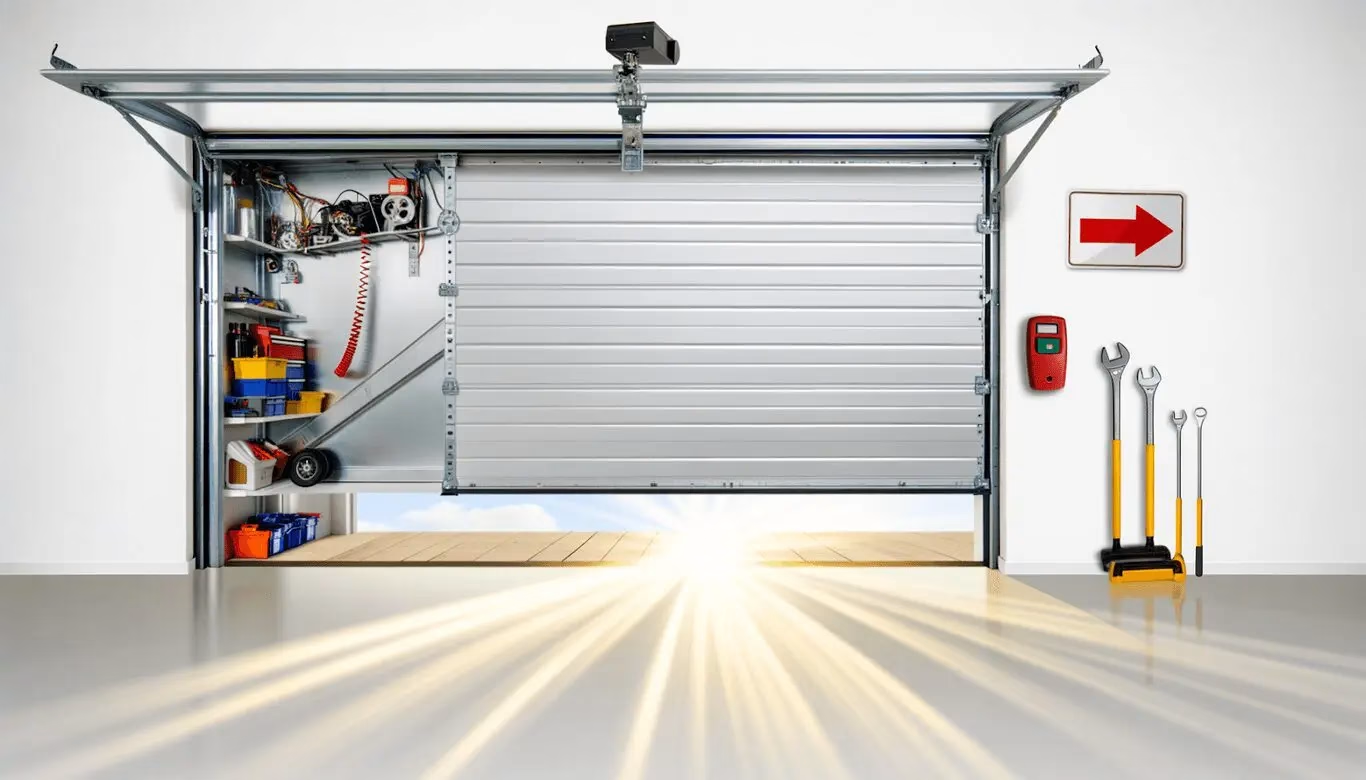

Your garage door does more than simply open and close. It is a complete system that supports daily convenience and plays an important role in household safety. Because it works quietly in the background, many people only think about it when something stops working as it should. When regular care is overlooked, small mechanical issues can develop unnoticed, sometimes turning into serious safety concerns or major disruptions that require extensive repairs.
Understanding what can happen when a garage door system is ignored helps explain why ongoing attention and proper garage door maintenance matter. This article is intended for general informational purposes and explores the potential problems that may arise when routine garage door maintenance is delayed or overlooked. It also highlights why addressing concerns early is far more effective than waiting for minor issues to grow into larger, more difficult situations.
Why Garage Door Maintenance Matters in Residential Settings
Caring for a residential garage door is essential if you want it to operate reliably and last over time. The system is made up of multiple moving parts that must work together under constant tension, which means even minor wear can escalate quickly if it goes unnoticed. Regular maintenance helps keep components such as the opener, hardware, and support systems functioning as intended, reducing the chance that small issues turn into larger mechanical failures that interrupt daily use.
Consistent upkeep also plays an important role in protecting your home and the people in it. A garage door that does not operate correctly can pose risks to personal safety and property. Identifying potential concerns early allows safety features to continue working as designed and helps maintain smooth, dependable operation. The sections below explain how routine attention supports household safety and why inspecting each part of the system contributes to reliable performance every time the door is used.
For a deeper look at this topic, be sure to read “Is Garage Door Maintenance Really Necessary for Homes?”
How Routine Garage Door Maintenance Supports Home Safety
One of the most important reasons for routine garage door maintenance is ensuring that safety features remain fully functional. Modern garage doors rely on sensors designed to stop the door from closing if something is in its path. Over time, these sensors can become misaligned or obstructed, which may prevent them from responding properly. Regular checks help keep them clean, aligned, and able to react when needed, reducing the risk of accidents.
Other components, such as springs and cables, operate under significant tension and carry the weight of the door during movement. When these parts show signs of wear, corrosion, or fatigue, they can fail suddenly and cause the door to drop with force. Routine maintenance allows these risks to be identified before they become dangerous. Because every part of the system works together, a problem in one area can place stress on others. By reviewing rollers, sensors, springs, and the opener as a whole, regular maintenance helps maintain safe operation and protects both people and property.
The Importance of Garage Door Inspection for Smooth Operation
A garage door inspection is key to keeping the system running smoothly and efficiently. Inspections focus on identifying early signs of wear or imbalance before they lead to larger performance issues. During a thorough review, attention is given not only to visible damage but also to subtle changes that can affect how the door moves and responds.
The inspection process typically involves examining the tracks for proper alignment, checking door panels for stress or damage, and evaluating garage door springs to ensure they are properly balanced and supporting the door’s weight. Balance testing is especially important, as an unbalanced door can place unnecessary strain on the springs, opener, and other components, reducing overall efficiency. When these issues are caught early, the door operates more smoothly and avoids placing excess load on the opener or supporting hardware.
Key areas commonly reviewed during a garage door inspection include:
- Testing the door’s balance to confirm that the springs are supporting the weight correctly
- Examining the tracks to ensure they remain straight, stable, and properly aligned
- Checking safety sensors to confirm they respond as intended
By addressing these areas during an inspection, all parts of the system are better able to work together. The result is consistent operation and a garage door you can rely on every day without unexpected interruptions.
Signs That Garage Door Maintenance Is Being Overlooked
A garage door often shows early signs when maintenance has been overlooked, though those signals are easy to miss at first. Minor changes in sound or movement may not seem urgent, yet they usually point to underlying wear within the system. Paying attention to these subtle shifts can help prevent more serious mechanical issues from developing. When a garage door no longer operates the way it once did, whether through unfamiliar noises or uneven motion, it is often an indication that parts of the system are no longer working together as smoothly as they should.
Observing how the door looks, sounds, and moves during daily use can reveal a great deal about its condition. A door that jerks, tilts, or produces harsh noises is often responding to stress in specific components. Ignoring these warning signs can allow minor concerns to spread across the system, increasing the likelihood of more extensive damage over time. Below are some of the most common indicators that routine maintenance may have been missed.
For additional insight, you may also find “How Often Should Garage Door Maintenance Be Done?” helpful.
Unusual Noises and Uneven Movement During Daily Use
Unexpected noises are often among the first indicators that a garage door needs attention. A properly maintained door should operate with minimal sound, so grinding, screeching, or popping noises usually signal that something is no longer functioning as intended. These sounds may come from moving parts that lack proper lubrication or from debris interfering with movement along the tracks. Because these issues tend to worsen gradually, the noise often becomes more pronounced as time passes.
What begins as an occasional squeak can eventually develop into a constant grinding sound if left unaddressed. It is easy to become accustomed to these changes, which can make larger problems harder to recognize once they appear. Common noises associated with maintenance issues include:
- Grinding or screeching, often caused by metal components rubbing together due to increased friction
- Popping sounds, which may indicate tension issues within the spring system
- Rattling, typically linked to loose hardware that shifts as the door moves
Uneven movement is another important sign to watch for. A door that tilts to one side, hesitates, or moves in a jerky manner may be affected by worn springs, track alignment problems, or uneven tension. When the door no longer travels smoothly along its path, it places added strain on the entire system and increases the chance of sudden failure.
Delayed Response and Inconsistent Door Performance
A garage door should respond promptly when the opener is activated, so any delay or inconsistent movement often points to an underlying issue. Problems in the opener, electrical connections, or safety sensors can all interfere with proper operation. In some cases, the door may begin closing only to reverse direction, which can occur when sensors are misaligned or obstructed and mistakenly detect an obstacle.
Because every part of the garage door system works together, small performance delays often signal larger mechanical stress. When the opener has to work harder to compensate for resistance elsewhere, it can accelerate wear across multiple components. Rollers, hinges, and other moving parts may already be strained, and continued use under these conditions can make the problem more severe.
Additional signs of inconsistent performance include a door that fails to close completely, leaves gaps along the bottom seal, or struggles to remain open, often placing extra strain on the garage door opener. These issues can affect both security and energy efficiency while pointing to deeper mechanical or electrical concerns within the opener and related components. If left unaddressed, what begins as a minor delay can eventually lead to a complete system failure, resulting in more complex and disruptive repairs.
Long-Term Impact of Skipping Preventive Garage Door Maintenance
Skipping preventive garage door maintenance often leads to problems that grow steadily over time rather than appearing all at once. What may start as minor wear or subtle performance changes can develop into larger mechanical issues when left unaddressed. As components continue to operate under stress, the likelihood of sudden failures increases, along with the disruption and expense that come with them. Regular maintenance allows small concerns to be identified early, keeping repairs manageable and reducing the chance of more serious system damage.
Addressing garage door issues before they escalate is one of the most effective ways to protect long-term performance. When a trained professional evaluates the system, they can identify parts that are not functioning as they should, make necessary adjustments, and apply proper lubrication to reduce strain. This approach helps prevent unexpected breakdowns while extending the lifespan of the entire system. The sections below explain how neglected maintenance accelerates component wear and contributes to ongoing mechanical problems.
For more context on this topic, take a moment to explore “What Problems Does Garage Door Maintenance Prevent?”
Increased Wear on Components Without Regular Garage Door Tune-Up
Without regular tune-ups, garage door components are exposed to ongoing friction and mechanical stress that gradually accelerates deterioration. A garage door functions as a single system, so when one part begins to wear down, it often forces other components to compensate. For instance, worn rollers can cause the opener motor to work harder, while an unbalanced door places additional tension on springs and cables, increasing the risk of failure.
Many of these warning signs are difficult to detect without a trained eye, yet they become clear during a thorough inspection that may also reveal the need for garage door panel replacement when structural stress or damage is present. A routine garage door tune-up focuses on reducing friction, stabilizing movement, and correcting imbalances that place unnecessary strain on the system. When this maintenance is skipped, wear continues to build until critical parts can no longer function properly, resulting in uneven movement, increased noise, and eventual breakdown.
Component | Impact of Neglected Maintenance |
Springs & Cables | Increased friction, corrosion, loss of tension, and a higher risk of sudden failure |
Rollers | Gradual wear that leads to noise, uneven movement, and added stress on tracks |
Tracks | Misalignment or bending that restricts smooth door travel |
Door Panels | Sagging or warping caused by imbalance and prolonged mechanical strain |
Over time, these combined issues reduce reliability and increase the chance of major mechanical failure. Preventive maintenance helps limit this wear, keeping each component working together as intended and preserving smooth, dependable operation.
Ongoing Mechanical Problems Linked to Missed Maintenance Checks
Skipping maintenance checks can lead to ongoing garage door problems that build gradually over time. Without routine evaluations, small issues such as minor track misalignment or slight balance shifts often go unnoticed, yet these subtle changes force the entire system to work harder and accelerate wear across multiple components. An unbalanced door places uneven pressure on the opener motor, springs, and cables, which can cause parts to wear out faster and lead to rollers slipping from the tracks. What could have been addressed easily during a routine visit can escalate into a chain of mechanical failures, increasing safety risks and reducing overall performance. As these issues progress, the door may become noisy, unresponsive, or prone to sticking, and continued stress can eventually lead to a sudden breakdown at an inconvenient time, making regular maintenance essential for long-term reliability and smoother operation.
Neglecting garage door care can lead to a range of issues that affect both safety and everyday reliability. When routine attention is overlooked, small mechanical concerns can interfere with smooth operation and gradually place added strain on the entire system. Regular checks and consistent upkeep help components move as they should and reduce the chance of minor wear developing into more serious problems. Addressing early signs of stress makes it easier to avoid disruptive repairs later and supports the long-term performance of the door. Staying attentive to your garage door system not only extends its lifespan but also helps maintain a safer and more dependable home environment.
For homeowners who want confidence in the condition of their garage door, Martin Garage Doors offers experienced support focused on reliability, safety, and long-term performance. Our team understands how small issues can impact the entire system and takes a careful, detail-oriented approach to garage door care. If you want to ensure your garage door continues to operate smoothly and safely, contact us today or give us a call to schedule a professional evaluation.
Frequently Asked Questions
What problems can develop when garage door maintenance is ignored?
When maintenance is overlooked, wear builds up across key components such as springs, rollers, and tracks, leading to noise, uneven movement, and added strain on the opener. These issues tend to compound over time, increasing the likelihood of track problems, opener failure, or a complete breakdown that disrupts daily use.
How often should a garage door safety check be part of residential care in Denver, CO?
A garage door safety check is commonly included on a yearly basis to help ensure consistent operation and reliable safety features. In environments with frequent use or changing weather conditions, more frequent evaluations may be appropriate to maintain steady performance.
Why can garage door issues remain unnoticed without a proper inspection?
Many garage door problems develop gradually and produce subtle changes that are easy to miss during everyday use. Slight misalignments, weakening springs, or early mechanical stress often remain hidden until they reach a point where performance is clearly affected.
Why do garage door problems tend to worsen gradually over time?
A garage door functions as a connected system, which means stress in one area often spreads to others as components compensate for the imbalance. This chain reaction places added strain across the system and speeds up wear, allowing minor issues to grow into larger mechanical failures when they are left unresolved. The same principle is explained in detail by Wikipedia, which describes how problems in interconnected systems can progressively trigger wider breakdowns over time.
Which garage door components are most affected by missed maintenance?
High-stress components are usually impacted first, including springs, cables, rollers, and tracks. Electrical elements within the opener and safety sensors may also be affected as mechanical resistance increases, while door panels can suffer from imbalance-related stress.
How does frequent daily use influence wear when routine maintenance is skipped?
Frequent operation increases friction and stress on moving parts, which accelerates wear when maintenance is neglected. Over time, this added demand can shorten the lifespan of components and reduce the system’s overall reliability.
Why does the absence of garage door lubrication affect overall operation?
Without adequate lubrication, friction increases between moving parts, resulting in noise, uneven motion, and added strain on the opener. This extra resistance can cause components to wear out faster and reduce smooth, consistent operation.
Why do garage door issues sometimes appear in the opening system first?
The opening system often shows early signs of trouble because it compensates for resistance elsewhere in the door. When balance or movement issues develop, the opener works harder than intended, making it more likely to display performance changes first.
What changes in garage door behavior usually occur before a major failure?
Common warning signs such as unusual noises, delayed response, uneven movement, or difficulty opening and closing fully often point to rising mechanical stress within the system. These changes rarely appear all at once and tend to develop gradually as components struggle to compensate for one another, increasing the risk of failure when left unaddressed. This pattern of early behavioral changes leading to larger breakdowns is also outlined by Convergix Automation, which explains how subtle performance shifts frequently signal deeper mechanical strain.
How does neglected garage door maintenance impact long-term reliability?
Ignoring maintenance shortens the lifespan of the garage door system and increases the frequency of unexpected breakdowns. Over time, reliability declines as components wear unevenly, making consistent operation harder to maintain and increasing safety concerns.