Your garage door does a lot more than simply open and close. It is a system made up of multiple moving parts that work together to support daily use. Because it plays such an important role in your routine, it needs consistent attention to remain safe and dependable. Like any major component of a home, a garage door performs best when it is cared for on a regular basis rather than only when something goes wrong.
Understanding how often garage door maintenance should be scheduled is an important step toward protecting long-term performance. Regular service helps reduce unexpected issues and supports smoother operation over time. Establishing a maintenance schedule also allows potential concerns to be addressed before they interfere with safety or reliability, making garage door maintenance a practical approach to caring for this essential part of your home.
How Often Garage Door Maintenance Should Be Done
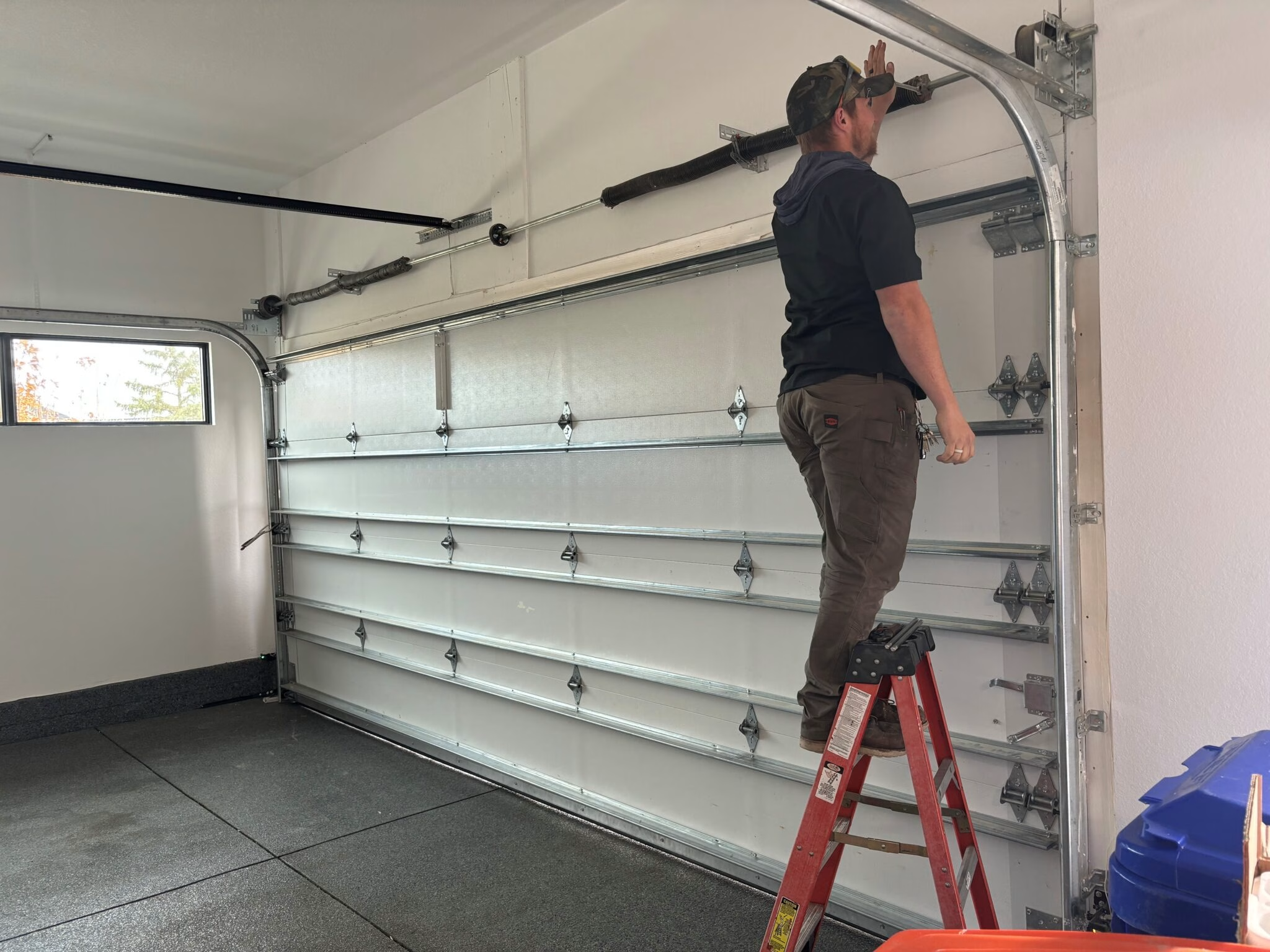
For most homeowners, scheduling routine garage door maintenance once a year is generally sufficient. During this visit, a service professional can complete a full garage door inspection to identify early signs of wear or misalignment before they turn into larger issues. This type of preventive care supports the proper function of essential components such as the opener and springs while reducing the likelihood of unexpected problems that could lead to costly repairs over time.
Homes that rely heavily on the garage door as a primary entry point may require maintenance more frequently than once a year. Increased daily use places additional strain on moving parts, which can accelerate wear if left unchecked. A professional can evaluate how the door is used and recommend an appropriate maintenance schedule. Whether maintenance is performed annually or twice a year, following a consistent plan plays an important role in preserving performance and reliability over the long term.
For a deeper look at why consistent care matters, explore the blog Is Garage Door Maintenance Really Necessary for Homes?
Why Routine Garage Door Maintenance Matters
Routine garage door maintenance focuses on preventing issues rather than reacting to them. Regular inspections allow professionals to detect minor concerns early, helping avoid more serious damage that can disrupt operation or require extensive repairs. Components such as springs and cables are under constant tension, and early signs of wear can often go unnoticed without a thorough inspection. Addressing these issues in advance is a core part of preventive maintenance.
Ongoing service also supports smoother and quieter operation. When moving parts are properly maintained, friction is reduced, allowing rollers, hinges, and tracks to function more efficiently. During a service visit, safety features such as sensors and auto-reverse functions are also checked to confirm they are working correctly. These systems are essential for protecting people and property during daily operation.
Consistent maintenance ultimately supports both safety and performance. A well-maintained garage door opens and closes smoothly and responds as expected every time it is used. When maintenance is neglected, performance can decline gradually, increasing the risk of sudden failures or unsafe conditions. Staying on schedule provides peace of mind and helps keep the system in dependable condition.
Typical Garage Door Inspection and Tune-Up Frequency in Denver, CO
In Denver, CO, where weather conditions can shift significantly throughout the year, maintaining a consistent garage door tune-up schedule is especially important. Seasonal changes can affect components through temperature swings, moisture, and general wear. For most homes, professionals recommend a comprehensive maintenance visit at least once a year to evaluate these impacts and ensure the system continues to operate correctly.
Each maintenance visit should include a full garage door safety check along with an inspection of key components such as garage door springs. This confirms that safety sensors and auto-reverse mechanisms are functioning properly while also ensuring the springs are supporting the door correctly, which is an essential part of responsible home care. While an annual inspection works well for many households, the ideal frequency may vary depending on how often the garage door is used.
Homes with higher daily usage may benefit from more frequent inspections. A service professional can help determine the most appropriate schedule based on usage patterns and operating conditions.
Usage Level | Recommended Frequency | Key Focus Areas |
Low (Infrequent Use) | Annually | General inspection, lubrication, safety sensor testing |
Medium (Daily Use) | Annually to Semi-Annually | Moving parts evaluation, track alignment, and opener calibration |
High (Primary Entry) | Semi-Annually | Detailed inspection of springs, cables, and rollers for increased wear |
What Residential Garage Door Maintenance Usually Covers
Residential garage door maintenance is designed to support the overall condition and performance of the entire system rather than focusing on a single component. A professional service involves a thorough review of how the door operates, along with careful adjustments and lubrication of the parts that experience the most movement. Rollers, hinges, springs, and cables are all evaluated to ensure they are functioning together as intended.
The garage door opener is also examined to confirm it responds correctly and that safety settings remain properly configured. When all major components are reviewed as part of a complete tune-up, the door is more likely to operate smoothly and quietly. This process also helps uncover early signs of wear or imbalance that are easy to overlook during everyday use. The sections below outline what is typically included in a general inspection and routine hardware care.
To better understand the issues this type of service helps avoid, take a look at What Problems Does Garage Door Maintenance Prevent?
Garage Door Safety Check and General Inspection Areas
A garage door safety check is a central part of professional maintenance, with the primary goal of confirming that protective features function correctly. Safety sensors are tested to verify they detect obstructions as intended and respond by reversing the door’s movement. This step plays an important role in reducing the risk of accidents and protecting both people and property.
Alongside safety testing, the technician performs a comprehensive inspection of the garage door system. Each visible and mechanical component is reviewed for signs of wear, damage, or misalignment. Door panels are checked for structural integrity, while tracks are examined for buildup, warping, or shifting that could interfere with movement. The connection between the opener and the door is also assessed to ensure stable and reliable operation.
Key areas typically reviewed during a general inspection include:
- Door Balance: Confirming the door is evenly balanced to prevent unnecessary strain on the opener
- Safety Sensor Alignment: Ensuring sensors are positioned correctly and responding as expected
- Hardware Tightness: Checking and securing loose bolts, brackets, and fasteners
- Cable and Spring Condition: Looking for rust, fraying, gaps, or visible wear on high-tension components
- Roller and Hinge Condition: Examining rollers and hinges for damage, wear, or restricted movement
Preventive Garage Door Maintenance for Moving Parts and Hardware
Preventive garage door maintenance places special emphasis on moving parts, as these components experience the most friction during daily operation. Proper lubrication reduces resistance, supports quieter movement, and helps minimize long-term wear. When performed correctly, this process allows rollers, hinges, and other contact points to move more freely while maintaining consistent performance.
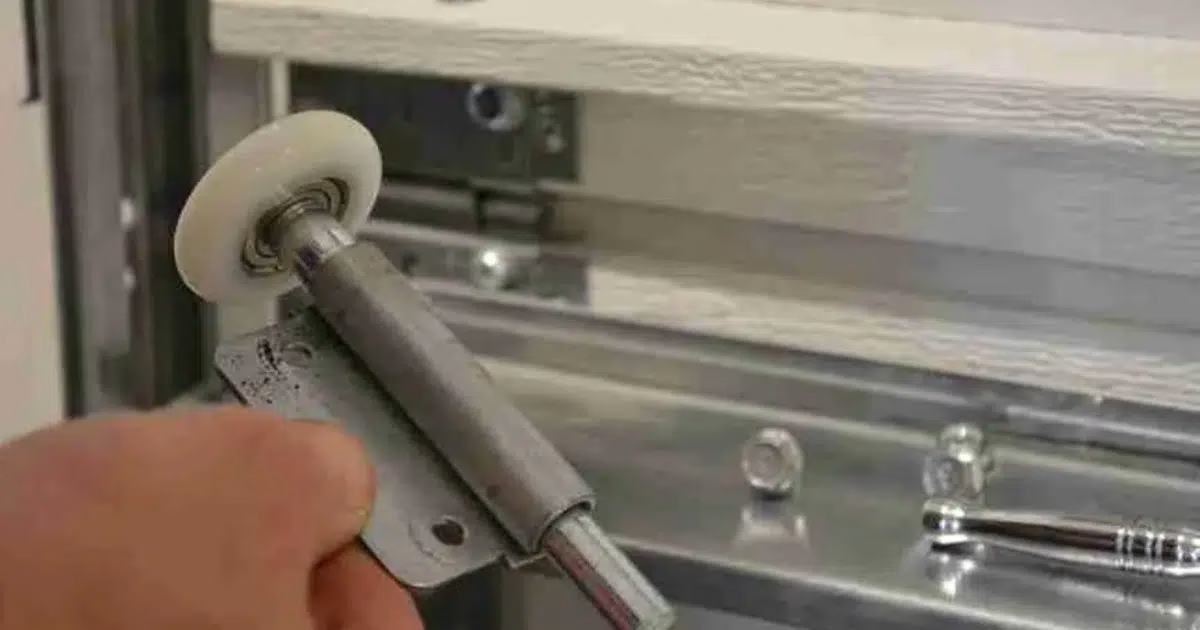
During a maintenance visit, components that bear significant load or motion are closely reviewed, including the garage door opener and the parts that support its operation. Springs are examined for signs of fatigue or stress, while rollers are checked to ensure they move smoothly along the tracks. Nylon rollers, when present, are inspected for cracking or uneven wear that could affect stability. Cables are also reviewed carefully, as even minor deterioration can compromise safe operation.
Moving parts and hardware that receive focused attention typically include:
- Springs: Evaluated for wear, spacing issues, or visible stress
- Rollers: Inspected for damage and maintained to support smooth travel
- Hinges: Checked for cracks, looseness, or metal fatigue
- Cables: Examined for fraying or weakened areas
- Tracks: Cleaned and reviewed to confirm proper alignment
With consistent care and attention, these components are better able to function as a coordinated system. Ongoing maintenance helps preserve performance, reduce noise, and support the long-term reliability of the garage door as a whole.
When Garage Door Maintenance Should Not Be Delayed
Annual preventive maintenance is an important part of caring for a garage door, but there are situations where waiting for the next scheduled visit is not the right choice. A garage door often provides early warning signs when something is not working as it should. When these signals are ignored, minor issues can gradually develop into larger problems that are more difficult and costly to address.
Any noticeable change in the way your garage door moves or sounds should be taken seriously. Unusual noises, irregular movement, or visible damage to door panels or the opener can place additional strain on the system if left unchecked. Scheduling service as soon as these changes appear helps protect both the garage door and the safety of your home. Below are common operational changes that typically indicate the need for a prompt garage door inspection.
To understand the risks of delaying service, read What Happens When Garage Door Maintenance Is Ignored?
Noticeable Changes in Garage Door Operation
Garage door issues often become apparent through changes in everyday operation. A door that opens or closes more slowly than usual may be experiencing increased friction among its moving parts or a problem within the opener system. Jerky movement or hesitation during operation can also suggest misaligned tracks or rollers that are no longer moving smoothly.
An uneven door is a particularly important warning sign. Gaps along the bottom when the door is closed or a door that appears tilted may indicate worn springs or cables that are no longer supporting the door evenly, and in some cases can also signal damage that may require garage door panel replacement. Because these components carry significant tension, failure can create serious safety risks. Additional concerns include a door that will not remain open or one that reverses direction without an obstruction, which may point to sensor alignment or responsiveness issues.
Common operational changes that signal the need for immediate attention include:
- Slow or delayed response: The door takes longer than normal to open or close after using the opener
- Uneven movement: The door lifts unevenly or sags on one side during operation
- Incomplete opening or closing: The door stops short of fully opening or closing
- Sensor-related issues: The door closes when an object is present or reverses without an obvious cause
Addressing these warning signs early helps prevent further damage and supports the safe, reliable operation of your garage door system.
Sounds or Movements That Signal the Need for Maintenance
A properly functioning garage door should operate with minimal noise and steady movement, so any new or unusual sounds are often an early sign that something needs attention. Grinding, scraping, or screeching noises can indicate increased friction between moving parts, debris along the tracks, or rollers that have begun to wear down, while popping or banging sounds are commonly linked to tension-related components such as springs. Changes in movement can be just as telling, since a door that shudders, shakes, or moves unevenly may be affected by roller wear, track misalignment, or issues within the opener system. Visible rust on springs, cables, or tracks is another warning sign, as corrosion can weaken these parts over time and compromise overall performance. These audible and visual changes rarely appear without reason and often occur well before a more serious failure develops, making them important signals that should not be ignored.
Regular garage door maintenance is more than a simple routine, as it plays a key role in safety, long-term durability, and dependable performance. Maintaining a consistent schedule helps reduce the risk of unexpected problems and prevents small issues from developing into costly repairs, while ignoring routine care can lead to larger concerns over time. Paying attention to changes in how the door sounds or operates and scheduling inspections during seasonal shifts supports smoother operation and extends the life of the system. Taking this proactive approach not only keeps the garage door functioning as intended but also provides peace of mind knowing an essential part of the home is well-maintained.
For homeowners looking for reliable, professional support, Martin Garage Doors offers experienced service focused on long-term performance and safety. Our team understands how daily use, seasonal conditions, and system wear affect garage doors over time, making maintenance both thorough and dependable. If you want expert care that helps keep your garage door operating at its best, contact us today or give us a call to schedule your service.
Frequently Asked Questions
How often should a garage door safety check be included in regular maintenance?
A garage door safety check should be included every time routine maintenance is performed. For most homes, this means having safety features reviewed at least once a year during a professional service visit. This ensures that systems such as auto-reverse functions and safety sensors are operating correctly, which is essential for protecting people and property.
What does routine garage door maintenance generally cover?
Routine garage door maintenance involves a thorough review of the system to support reliable operation. This typically includes inspecting major components, tightening hardware, lubricating moving parts, checking door balance, and confirming that safety features function as intended. The goal is to keep all parts working together smoothly while identifying early signs of wear.
How does frequent daily use affect residential garage door maintenance needs?
Frequent daily use places added stress on a garage door system and accelerates wear on moving components. Homes that rely on the garage as a primary entry point often require more maintenance than those with lighter use. Adjusting the maintenance schedule helps keep the door, opener, and hardware operating safely under heavier demand.
Do seasonal conditions change how often garage door maintenance is needed?
Seasonal changes can influence garage door performance, particularly in regions that experience wide temperature shifts or harsh weather throughout the year. Metal components naturally expand and contract as conditions change, which can place added stress on the system and affect how smoothly the door operates. As noted by Breaking AC, weather-related wear can develop gradually and may go unnoticed without proper attention. While annual maintenance is often sufficient, scheduling an inspection after severe seasonal changes can help identify and address these issues before they lead to larger problems.
What safety concerns can arise when garage door maintenance is delayed?
Delaying garage door maintenance increases the risk of safety failures. Sensors may stop responding properly, and high-tension components such as springs or cables can weaken without warning. These conditions can lead to sudden door failure, property damage, or serious injury if not addressed in time.
Can routine garage door maintenance help extend the lifespan of the system?
Routine maintenance plays a significant role in extending the life of a garage door system. Proper alignment, lubrication, and inspection reduce daily wear and help prevent strain on connected components. Addressing minor issues early allows the system to remain reliable and functional for a longer period.
Which garage door components experience the most wear over time?
Components that handle movement and tension tend to wear out the fastest. Springs experience constant load during operation, while rollers and cables are subject to friction and repeated motion. These mechanical parts naturally degrade over time and require regular inspection to remain safe and effective.
How does regular garage door maintenance affect overall door performance?
Regular maintenance helps a garage door operate smoothly and consistently. Properly maintained components reduce noise, prevent jerky movement, and ease the workload on the opener. The result is a door that opens and closes reliably while maintaining balanced, controlled operation.
Is residential garage door maintenance impacted by usage patterns differently than other systems?
Garage door maintenance is strongly influenced by usage patterns because the system absorbs stress with every opening and closing cycle rather than operating continuously. Over time, this repeated motion places increasing demand on mechanical components, which explains why higher usage leads to faster wear and a greater need for attentive care. As explained by The Engineering Choice, garage doors rely on multiple moving parts working together, making usage frequency a key factor in determining how often maintenance should be performed.
How can neglecting garage door maintenance affect long-term reliability?
Neglecting maintenance allows small issues to compound over time, leading to reduced reliability and unexpected breakdowns. Misalignment, lack of lubrication, or unnoticed wear can shorten the lifespan of critical components. Consistent maintenance helps preserve dependable operation and minimizes long-term disruptions.