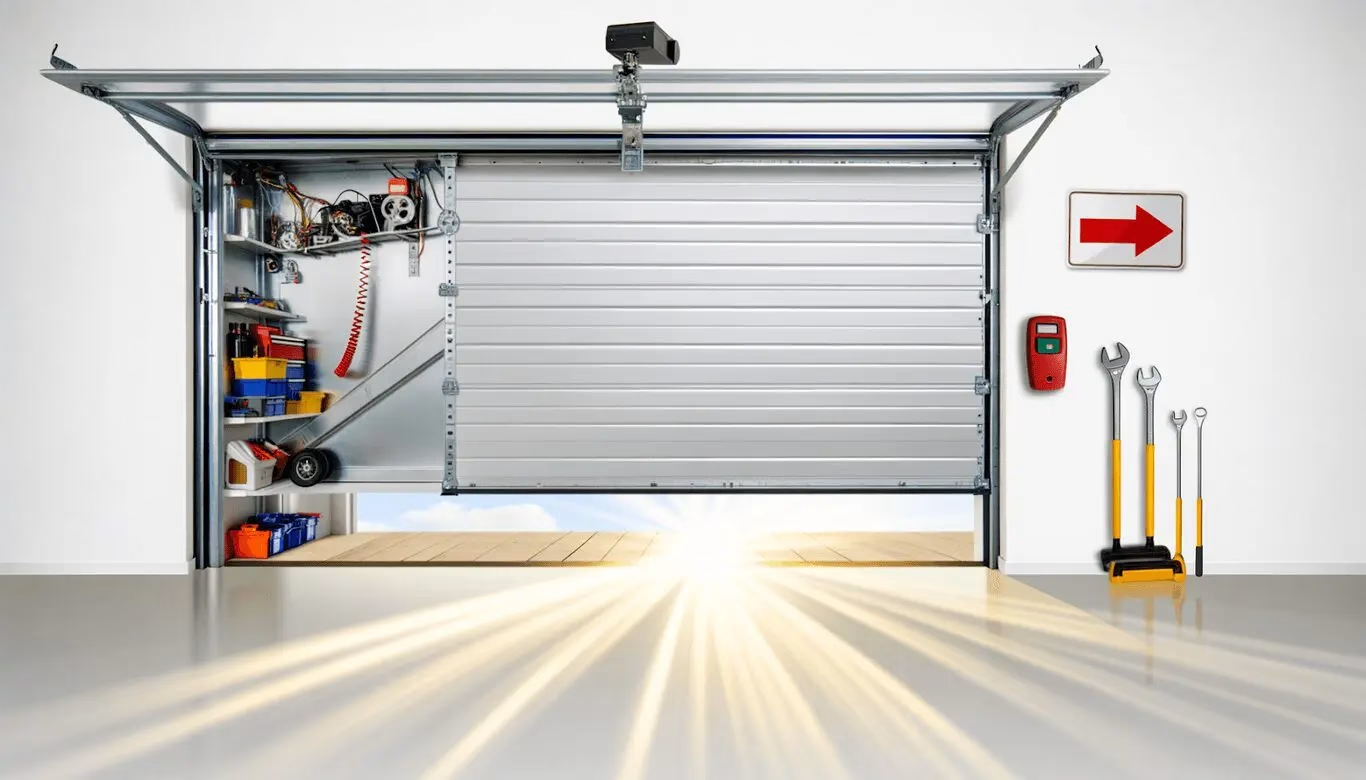

Your garage door is one of the most frequently used features of your home, yet it often receives very little attention. It plays an important role in protecting your property and supporting everyday convenience, but when it stops working properly, it can quickly become a serious concern. Many homeowners wait until a noticeable failure occurs before addressing garage door issues, which often allows small problems to grow into larger and more expensive repairs. Routine maintenance helps prevent these situations by addressing wear and stress before they disrupt normal operation.
Maintaining the entire garage door system through regular garage door maintenance supports long-term performance and safer operation. This includes the opener along with the interconnected moving components that allow the door to function smoothly. Consistent care reduces unnecessary strain on the system and helps avoid sudden interruptions. Over time, this approach supports a more reliable home environment while also helping to control long-term upkeep costs.
Problems Prevented by Routine Garage Door Maintenance
Routine garage door maintenance plays an important role in preventing issues before they disrupt daily use. During regular service visits, potential concerns such as worn components or misalignment can be identified early, well before they develop into more serious problems. Addressing these issues at an early stage helps avoid the inconvenience of unexpected failures and reduces the likelihood of more extensive repairs later on.
Scheduled maintenance also includes essential adjustments that support smooth operation. Tasks such as securing loose hardware and addressing areas that experience frequent movement help reduce unnecessary strain on the system. Preventive care minimizes common points of failure, supports consistent performance, and contributes to the long-term durability of the garage door and its components.
For a deeper look at why this type of upkeep matters, the article “Is Garage Door Maintenance Really Necessary for Homes?” explores the topic in more detail.
How Ongoing Garage Door Maintenance Reduces Wear and Tear
A garage door system relies on multiple moving parts working together every time the door opens or closes. Rollers, hinges, springs, and cables are all exposed to repeated motion and ongoing stress. Without regular maintenance, this constant friction can accelerate wear, increasing the risk of breakdowns over time. Ongoing care helps counteract this process by keeping each component in proper working condition.
Effective maintenance goes beyond a surface-level inspection. Cleaning and servicing moving parts helps reduce friction and supports smoother interaction between components. When everything moves as intended, the opener motor operates under less strain, which supports overall system efficiency and longevity. During maintenance visits, early signs of deterioration, such as cable fraying or corrosion on springs, can also be identified. Addressing these concerns promptly helps prevent more serious mechanical failures.
Consistent upkeep allows critical parts like springs, rollers, and hinges to function reliably for longer periods. By reducing excessive stress on individual components, maintenance helps prevent a single failure from affecting the rest of the system. Avoiding these cascading issues is far more manageable than dealing with major breakdowns after they occur.
Mechanical Issues Avoided Through Preventive Garage Door Maintenance
Preventive garage door maintenance is designed to identify and address small issues before they escalate into larger mechanical problems. Warning signs such as unusual noises, uneven movement, or delayed response often point to underlying concerns within the system. A professional tune-up can pinpoint the source of these issues and correct them before normal operation is disrupted.
During a maintenance visit, multiple mechanical components are reviewed for signs of wear or obstruction, including the garage door springs, which play a critical role in safe lifting and balance. Tracks are examined for buildup or alignment issues that could cause the door to bind or derail, while rollers are checked for wear that can lead to grinding sounds or uneven movement. Addressing these issues early helps preserve smooth operation and reduces the risk of sudden failures.
Preventive maintenance helps reduce the likelihood of several common mechanical problems, including:
- Broken Garage Door Springs: Springs are inspected for signs of corrosion or fatigue, as a failed spring can cause the door to drop suddenly and without warning.
- Damaged Rollers and Hinges: Rollers and hinges are serviced to reduce friction and limit excess wear, helping prevent noisy operation and irregular movement.
By maintaining these critical components, preventive care supports consistent performance and helps keep the garage door operating reliably day after day.
The Importance of Garage Door Inspection and Safety Checks
A regular garage door inspection goes beyond keeping the system operating smoothly. It plays an essential role in protecting the safety of your home and the people who use it every day. Garage doors are heavy systems made up of interconnected parts, and when even one component fails, it can create a serious safety risk. Having the entire system reviewed on a regular basis allows potential concerns to be identified and addressed before they lead to injury or damage.
A key focus of any inspection is the performance of the safety sensors. These sensors are designed to prevent the door from closing when something is detected in its path. If they become misaligned or stop functioning correctly, that protection is lost. A trained professional knows how to test and adjust the sensors to ensure they respond as intended. A thorough inspection also provides a clear picture of the system’s overall condition, helping to determine whether any components are approaching the end of their service life.
For additional insight into timing and consistency, the article “How Often Should Garage Door Maintenance Be Done?” expands on this topic.
What a Garage Door Inspection Evaluates in Residential Systems
A professional garage door inspection involves a detailed evaluation of the entire system rather than a quick visual check. Each major component is examined to confirm that it operates safely and in coordination with the rest of the door. From the panels and hardware to the opener and safety features, every element is reviewed to ensure consistent and reliable performance.
The inspection process includes checking for wear, damage, and alignment issues that could interfere with smooth operation. Tracks are assessed to confirm the door moves freely, cables are examined for signs of fraying, and door balance is tested to verify proper weight distribution. Even weatherstripping is reviewed, as gaps or damage can affect how well the garage is sealed from outside conditions.
The table below outlines several of the primary areas evaluated during a professional garage door inspection.
Component | What Is Evaluated |
Springs & Cables | Signs of corrosion, fraying, gaps, and proper tension |
Rollers & Hinges | Overall wear, secure attachment, and smooth movement |
Tracks | Alignment, debris buildup, and structural damage |
Safety Sensors | Proper positioning and reliable reversal response |
Door Balance | Ability to remain steady when partially opened |
Opener Motor | Smooth operation, travel limits, and force settings |
Weatherstripping | Cracks, gaps, or damage affecting the seal |
Safety Risks Identified During a Garage Door Safety Check
A garage door safety check is designed to uncover hidden risks that may not be obvious during daily use. Many components within the system operate under significant tension, particularly the springs and lifting hardware. If one of these parts fails, the door can move unpredictably and create a dangerous situation in seconds. This is why safety checks are best handled by trained technicians who understand how to evaluate these components safely.
One of the most critical elements reviewed during a safety check is the sensor system and its connection to the garage door opener. These sensors create an invisible beam near the base of the door, signaling the opener to reverse the door if anything crosses its path. During the inspection, the technician verifies that the sensors are aligned correctly and respond immediately when interrupted. When sensors fail to work as intended, the opener may continue closing the door, increasing the risk of injury or damage.
Regular safety checks help identify issues before they pose a serious threat. Common risks found during these evaluations include:
- Worn or Damaged Springs: Springs that show signs of fatigue or corrosion can fail suddenly, causing the door to drop without warning.
- Failing Safety Sensors: Sensors that are misaligned or malfunctioning may not detect people, pets, or objects in the door’s path, reducing the system’s built-in safety protections.
By addressing these concerns early, regular inspections and safety checks help maintain a safer and more dependable garage door system.
How a Garage Door Tune-Up Helps Prevent System Failures
A garage door tune-up is a comprehensive service that focuses on keeping the entire system operating as it should, rather than simply checking for visible problems. During a tune-up, a technician makes precise adjustments, applies appropriate lubrication, and tests how each component works with the rest of the system. This process includes reviewing opener force settings, examining electrical connections, and confirming that all moving parts operate smoothly and in balance.
Because the system is evaluated as a whole, potential issues can be identified early, often before they lead to a breakdown. A spring that is beginning to lose tension or a component that is slightly out of alignment can be corrected during the tune-up, reducing the risk of sudden failures later on. High-tension parts and electrical components require careful handling, which is why this type of service is best performed by a trained professional who can address these areas safely and thoroughly.
To understand the risks of neglecting this care, the article “What Happens When Garage Door Maintenance Is Ignored?” takes a closer look.
The Role of Garage Door Lubrication Services in Smooth Operation
Garage door lubrication services are an essential part of maintaining smooth and consistent operation. Many components within the system are made of metal and move against one another every time the door opens or closes. Without proper lubrication, this contact creates excess friction, leading to noise, increased strain, and premature wear. A professional technician understands where and how to apply lubricant so each component functions efficiently.
Before lubrication is applied, moving parts are typically cleaned to remove dirt and buildup that could interfere with performance. This step helps prevent debris from collecting in the tracks and allows the lubricant to coat the components evenly, which can also reduce stress that may eventually lead to garage door panel replacement if left unaddressed. Hinges, springs, and rollers receive focused attention, with special care given to rollers that rely on smooth movement to reduce noise and vibration.
The benefits of regular lubrication are noticeable almost immediately and continue over time. Reduced resistance allows the door to move more quietly while limiting the workload placed on the opener. Some of the key advantages include:
- Reduced Noise: Grinding, squeaking, and screeching sounds are minimized as moving parts operate smoothly.
- Lower Friction: Components move with less resistance, reducing strain throughout the system.
- Improved Protection Against Corrosion: Lubricated metal surfaces are better shielded from moisture that can lead to rust.
Together, these improvements support reliable operation and help extend the overall lifespan of the garage door system.
Why a Garage Door Maintenance Checklist Helps Prevent Breakdowns
A garage door maintenance checklist provides a structured way for technicians to review the entire system without overlooking critical details, ensuring each service visit is thorough and consistent. By following a step-by-step process, every component is examined, from the door panels and hardware to smaller elements such as bolts and seals, allowing potential concerns to be identified early. This approach helps confirm that moving parts remain secure, vibration has not loosened fasteners, and the bottom seal is intact, so gaps do not allow outside air or pests into the garage. Using a checklist also reduces the likelihood of unexpected issues by covering visual inspections for wear or damage, tightening necessary hardware, applying lubrication to key moving parts, and verifying that safety features such as sensors and release mechanisms are functioning as intended, all of which support reliable operation and long-term performance.
Routine garage door maintenance plays an essential role in preventing issues before they begin to affect everyday use. Regular attention helps reduce wear on critical components, limits the risk of unexpected breakdowns, and supports a safer environment for everyone who relies on the system. A well-timed garage door tune-up also extends the life of the door by identifying potential safety concerns early, before they develop into larger problems. Addressing these needs in advance can spare homeowners the inconvenience and stress of sudden failures while helping to control long-term repair needs. Consistent maintenance is key to keeping a garage door operating smoothly and safely over time, and speaking with a qualified professional is a reliable way to ensure the system receives the care it needs.
For homeowners looking for dependable service and knowledgeable support, Martin Garage Doors stands out as a trusted choice. Our team focuses on thorough maintenance, careful system evaluations, and long-term performance, helping homeowners protect both safety and functionality. If you want to keep your garage door working at its best and avoid unexpected problems, contact us today or give us a call to schedule professional service with confidence.
Frequently Asked Questions
How often should garage door maintenance and inspections take place?
Garage door maintenance and inspections are typically recommended once a year to support reliable performance and safe operation. Regular service allows small signs of wear or adjustment needs to be addressed early, which helps prevent larger issues from developing. Doors that are used daily or exposed to challenging weather conditions may benefit from more frequent evaluations to maintain consistent operation.
How does routine garage door maintenance reduce the risk of sudden system failures?
Routine maintenance helps reduce unexpected failures by identifying minor issues before they place stress on the system. During a service visit, components are inspected, adjusted, and serviced to ensure they function properly together. Addressing early wear or alignment concerns helps prevent sudden breakdowns and supports long-term reliability.
What areas are typically reviewed during a garage door safety check?
A garage door safety check focuses on critical components that affect safe operation. Springs and cables are examined for wear, safety sensors are tested to confirm proper response, and track alignment is reviewed to ensure smooth movement. The door’s balance, panels, and emergency release system are also evaluated to identify conditions that could lead to unsafe operation.
What signs suggest preventive garage door maintenance may be needed?
Unusual noises, uneven movement, slow response, or visible rust on springs and cables often point to the need for preventive maintenance. Difficulty opening or closing the door, along with increased strain on the opener, can also signal developing issues that should not be ignored. Resources from The Spruce explain how these warning signs commonly indicate underlying mechanical concerns, and addressing them early helps limit further wear while reducing the risk of system failure.
Which parts are most affected by wear in residential garage door systems?
Moving components experience the most wear over time. Springs are under constant tension, rollers guide the door during each cycle, and hinges support repeated movement. Panels can also be affected by exposure to weather, particularly in systems that are not regularly maintained.
How does ongoing garage door maintenance influence long-term reliability?
Ongoing maintenance supports long-term reliability by keeping all components in proper working condition. Regular care reduces strain on individual parts, helps the system operate smoothly, and limits premature wear. This consistent attention allows the door and opener to function dependably for a longer period.
Can a garage door tune-up help avoid opener-related problems?
A garage door tune-up helps reduce opener-related issues by ensuring the system operates within proper limits. During a tune-up, force settings, travel limits, and electrical connections are reviewed so the opener does not work harder than necessary. This balanced operation supports smoother performance and reduces long-term stress on the opener.
How do garage door lubrication services affect everyday door operation?
Lubrication services improve everyday operation by reducing friction between moving components. Proper lubrication helps minimize noise, supports smoother movement, and limits unnecessary strain on both the hardware and the opener. The result is a quieter, more consistent performance during daily use.
How does garage door maintenance support safer daily use?
Regular maintenance supports safety by ensuring protective features function as intended. Safety sensors are tested for proper response, and high-tension components such as springs and cables are checked for signs of wear. Insights from Aymana highlight how keeping these elements in good condition reduces the risk of sudden failures and supports safer, more reliable daily operation.
Why does a garage door maintenance checklist matter for frequently used doors?
For doors that open and close often, a maintenance checklist ensures every component receives proper attention. By systematically reviewing springs, rollers, tracks, and hardware, potential issues can be identified early. This structured approach helps prevent unexpected disruptions and supports reliable performance under frequent use.